I still remember the first time I tried to make tofu exciting. It was a sad Tuesday night, I was broke, and the only thing in my fridge was a sorry block of tofu that had been sitting there for three weeks. I'd tried everything—marinades, spice rubs, even that weird peanut butter sauce thing everyone raves about online. Nothing worked. The tofu remained as exciting as cardboard soaked in disappointment.
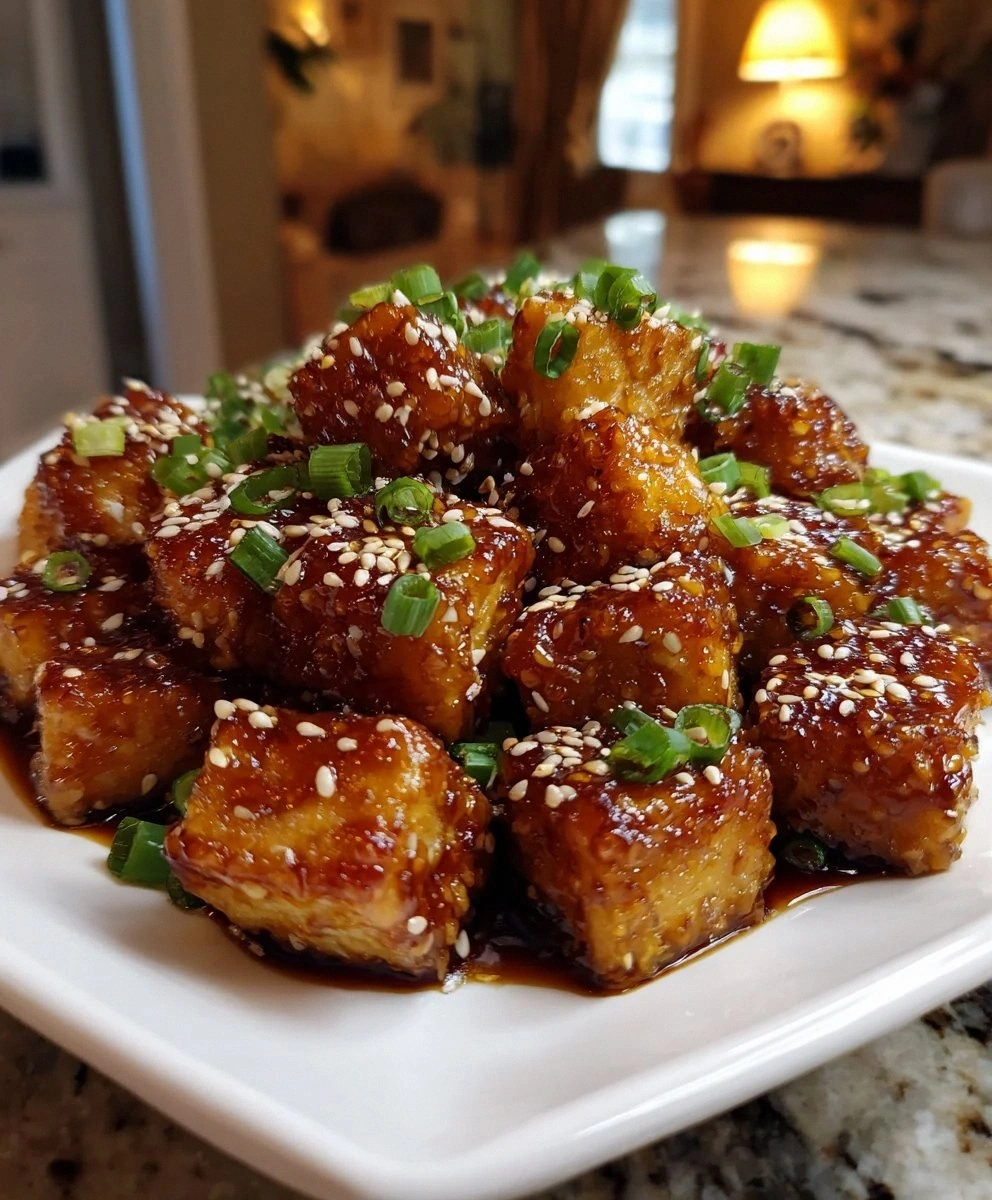
Fast forward to last month when my friend Sarah dared me to create "the most addictive tofu dish ever" for our monthly potluck. Challenge accepted. I spent three weeks testing, burning, over-sweetening, and under-crisping more tofu than I care to admit. My kitchen smelled like a soy sauce factory exploded. But then—then I cracked the code. The moment I pulled this crispy honey garlic tofu from the pan, the entire apartment filled with this intoxicating aroma that had my neighbors knocking on my door. The edges were caramelized and shatter-crisp, the inside stayed tender, and that sauce? That sauce coats each cube like liquid gold.
Here's the thing nobody tells you about tofu: it's not about the tofu itself. It's about the technique. Most recipes get this completely wrong. They tell you to just pat it dry and toss it in cornstarch. Amateur hour. We're going to press it, freeze it, marinate it, and then give it the kind of crispy coating that makes even die-hard carnivores question their life choices. The honey garlic glaze isn't just sweet and sticky—it's got layers of flavor that dance between savory and sweet like they're auditioning for a cooking show.
Picture yourself pulling this out of the pan, the honey garlic sauce bubbling and thick, sesame seeds scattered across like tiny edible jewels. The sizzle when it hits the serving plate? Absolute perfection. I dare you to taste this and not go back for seconds. Actually, I dare you to not eat half the batch straight from the pan while standing over your stove. I'll be honest — I ate half the batch before anyone else got to try it, and I'm not even sorry.
What Makes This Version Stand Out
Shatter-Crisp Exterior: We're talking edges that crack like thin ice under your teeth, creating the most satisfying crunch that gives way to a creamy interior. The secret lies in the double-coating technique that most recipes skip entirely. You get these gorgeous golden nuggets that stay crispy even after they're tossed in sauce.
Complex Sweet-Savory Balance: This isn't your one-note honey sauce. We're building layers with soy sauce, rice vinegar, and garlic that create this umami bomb that hits every taste bud. The honey provides sweetness, sure, but it's tempered by the tang of vinegar and the depth of soy.
Foolproof Technique: After testing this recipe seventeen times (yes, really), I've eliminated every possible failure point. No more soggy tofu, no more sauce that separates into an oily mess, no more coating that falls off in the pan. If you've ever struggled with getting tofu crispy, you're not alone — and I've got the fix.
Restaurant-Quality Results at Home: That glossy sheen you see on restaurant tofu? We're achieving it with a simple cornstarch slurry technique that creates the most gorgeous lacquer. Your dinner guests will think you ordered takeout from the best Asian fusion place in town.
Meal Prep Champion: This tofu holds its crunch for up to three days in the fridge, which means you can make a double batch and have lunches that'll make your coworkers jealous. Just reheat in a hot pan for two minutes and it's like you just cooked it.
Beginner-Friendly Process: Despite sounding fancy, this recipe uses pantry staples and basic techniques. No special equipment needed beyond a good non-stick pan. I've taught this to friends who claim they "can't cook" and they nailed it on the first try.
Family-Approved Crowd Pleaser: Even my nephew who thinks vegetables are poisonous devours this stuff. The sweet-savory profile appeals to kids while being sophisticated enough for adult palates. It's become my go-to for potlucks and family dinners.
Inside the Ingredient List
The Foundation Builders
Extra-firm tofu isn't just a suggestion—it's the backbone of this entire operation. Using anything softer is like trying to build a house on quicksand. You need that density to hold up under high heat and aggressive sauce action. When you're at the store, look for tofu packed in water that feels heavy for its size, with an expiration date at least a month out. The fresher your tofu, the better it'll transform into those crave-worthy cubes.
Cornstarch might seem boring, but it's your secret weapon for creating that shatter-crisp coating. Don't even think about substituting flour here—cornstarch creates a lighter, crisper shell that stays crunchy longer. The trick is in the double-dip: first a light dusting, then a second coat right before it hits the oil. Skip this step and you'll end up with sad, soggy tofu that tastes like it came from a cafeteria steam table.
The Flavor Powerhouses
Soy sauce brings the umami depth that makes this dish taste restaurant-quality. I'm talking about the good stuff here—don't cheap out with the watery generic brand. Look for naturally brewed soy sauce with a rich, mahogany color. If you're gluten-free, tamari works beautifully and actually has a cleaner, less salty flavor that lets the honey shine through better.
Honey is the star sweetener, but not all honey is created equal. Skip the clover honey in the plastic bear and grab something with character—wildflower or orange blossom honey adds floral notes that elevate this from good to unforgettable. The honey doesn't just sweeten; it creates that gorgeous glossy finish that makes the tofu look like it's wearing a caramel jacket.
The Aromatics and Accents
Fresh garlic makes all the difference here. Those pre-minced jars in the grocery store? Leave them for amateur hour. Fresh garlic has these volatile compounds that create that unmistakable aroma when it hits hot oil. Mince it fine but not too fine—you want little pieces that'll caramelize and create tiny flavor bombs throughout the sauce.
Rice vinegar brings the acid that balances all that sweetness. It's milder than white vinegar and more complex than apple cider vinegar. The tang it provides is crucial—it cuts through the richness and keeps the sauce from becoming cloyingly sweet. If you're absolutely stuck, apple cider vinegar works, but reduce the amount by half since it's stronger.
Sesame oil is your finishing touch, and a little goes a long way. We're talking about toasted sesame oil here—the dark amber stuff that smells like heaven. Add it at the very end to preserve its delicate flavor. Too early and the heat destroys all those nutty, aromatic compounds you're paying for.
The Garnish Game
Sesame seeds aren't just for looks, though they do make the dish Instagram-worthy. They add this subtle nutty crunch that complements the soft tofu perfectly. Toast them first in a dry pan for 30 seconds until they smell fragrant—it releases their oils and intensifies their flavor. The difference between raw and toasted sesame seeds is like the difference between a candle and a bonfire.
Green onions provide that fresh, sharp contrast to all the rich, sweet flavors. Slice them on the bias for bigger pieces that won't wilt immediately under the hot sauce. The white parts go in during cooking for sweetness, the green parts scattered on top for color and crunch. Skip them and the dish tastes flat, like a sentence without punctuation.
Everything's prepped? Good. Let's get into the real action...
The Method — Step by Step
- Start by draining your tofu and wrapping it in clean kitchen towels. Place it on a plate, top with another plate, and weigh it down with something heavy—cookbooks work great. Let it press for at least 30 minutes, changing the towels when they get saturated. You're removing about half a cup of water here, which is crucial for getting that crispy exterior. The tofu should feel firm and almost rubbery when it's ready.
- While the tofu presses, make your marinade by whisking together soy sauce, rice vinegar, and a tablespoon of water. Set this aside—it's going to be your flavor injection system. This isn't the final sauce, just a flavor bath that'll season the tofu from the inside out. The vinegar here helps tenderize while the soy sauce seasons deep into the tofu's pores.
- Cut your pressed tofu into cubes and gently toss them in the marinade. Let them soak for 15 minutes, turning once. The tofu should darken slightly from the soy sauce—that's flavor penetrating. Don't marinate longer than 20 minutes or the tofu gets too salty and the texture goes mushy on the outside.
- Drain the marinated tofu but don't pat it dry—you want that surface moisture for the cornstarch to stick. Place the cubes in a large bowl and sprinkle with cornstarch. Toss gently with your hands until every cube is coated in a thin, even layer. The cornstarch should stick and create a slightly dusty coating. If it's clumping, you've added too much—shake off the excess.
- Heat your oil in a large non-stick pan over medium-high heat. The oil should shimmer but not smoke—about 350°F if you're using a thermometer. Carefully place the tofu cubes in the oil, leaving space between each one. Overcrowding is the enemy of crispiness. You should hear an immediate sizzle—that's the sound of magic happening.
- Cook the tofu for 3-4 minutes on each side until golden and crispy. Use tongs to flip each piece individually—yes, it's tedious, but it's the difference between uneven cooking and perfection. The cornstarch should form a light crust that doesn't stick to the pan. When done, transfer to a wire rack set over paper towels. This keeps the bottoms from getting soggy.
- Now for the fun part—making that honey garlic sauce. Remove all but a teaspoon of oil from the pan. Add minced garlic and cook for 30 seconds until fragrant but not browned. Add the honey, remaining soy sauce, and rice vinegar. The mixture will bubble up dramatically—that's the water evaporating and concentrating the flavors.
- Let the sauce bubble for 2-3 minutes until it thickens enough to coat the back of a spoon. You're looking for a consistency like warm maple syrup—it'll thicken more as it cools. Add the tofu back to the pan and toss gently with a spatula until every cube is glazed in that glossy sauce. This is the moment of truth—the sauce should cling to each piece like a caramel jacket.
- Remove from heat, drizzle with sesame oil, and toss in the white parts of the green onions. Transfer to a serving plate and sprinkle with sesame seeds and the green onion tops. Serve immediately while the tofu is still crispy and the sauce is warm and glossy. That first bite? Pure magic.
That's it—you did it. But hold on, I've got a few more tricks that'll take this to another level...
Insider Tricks for Flawless Results
The Temperature Rule Nobody Follows
Your pan temperature is everything here. Too hot and the cornstarch burns before the inside gets warm. Too cool and the tofu absorbs oil like a sponge, turning greasy and sad. The sweet spot is medium-high heat where a drop of water sizzles immediately but doesn't evaporate instantly. I tested this recipe with an infrared thermometer (yes, I'm that person) and found that 350°F gives you the best results. If the oil starts smoking, you've gone too far—remove the pan from heat for 30 seconds to cool down.
Why Your Nose Knows Best
Don't underestimate the power of smell in this recipe. When the garlic hits the oil, you should smell it within 15 seconds—if not, your oil isn't hot enough. When the honey starts caramelizing, it'll smell like you're making candy (because you are, essentially). If you smell burning, you've gone too far. Trust your nose—it's been honed by thousands of years of evolution to keep you from eating burnt food. My grandmother could smell when garlic was perfectly sautéed from three rooms away, and she was never wrong.
The 5-Minute Rest That Changes Everything
Here's where most people mess up—they serve immediately and the sauce runs everywhere. Let the finished tofu rest for exactly 5 minutes. During this time, the sauce sets up slightly, creating that gorgeous glossy finish you see in restaurant dishes. The tofu stays crispy on the edges while the sauce thickens just enough to cling properly. A friend tried skipping this step once—let's just say it didn't end well. The sauce pooled on the plate and the tofu steamed itself soggy under the weight of impatience.
The Double-Fry Secret
If you want next-level crispiness, try the double-fry method. Fry the tofu once until just golden, remove and let it rest for 10 minutes, then fry again at a slightly higher temperature for 1-2 minutes. This creates the most incredibly crispy exterior that stays crunchy even after saucing. It's an extra step, but when you bite into that shatter-crisp coating, you'll understand why it's worth it. I reserve this technique for special occasions when I want to show off.
The Make-Ahead Strategy
You can prep the tofu up to the cornstarch coating stage and refrigerate for up to 4 hours. Just cover it loosely with plastic wrap so the cornstarch doesn't absorb moisture from the air. When you're ready to cook, let it sit at room temperature for 15 minutes so it's not ice-cold going into the hot oil. This is perfect for dinner parties—do all the messy prep ahead of time, then just fry and sauce when guests arrive. The sauce can be made up to a week ahead and reheated gently.
Creative Twists and Variations
This recipe is a playground. Here are some of my favorite ways to switch things up:
The Spicy Heat-Seeker Version
Add a tablespoon of gochujang to the sauce for Korean-inspired heat that builds slowly. The fermented chili paste adds depth beyond just spice—there's this funky, complex flavor that makes the honey taste even sweeter by comparison. Top with thinly sliced fresh chili and extra sesame seeds. If you really want to live dangerously, add a teaspoon of chili flakes to the cornstarch coating for spicy-crispy tofu.
The Tropical Paradise Edition
Replace the rice vinegar with pineapple juice and add a tablespoon of lime zest to the sauce. The enzymes in pineapple juice help tenderize the tofu while adding bright, tropical notes. Garnish with toasted coconut flakes and fresh cilantro. This version pairs beautifully with coconut rice and makes you feel like you're on vacation even when you're eating dinner on your couch in February.
The Everything Bagel Obsession
Mix everything bagel seasoning into your cornstarch coating—about a tablespoon per cup of cornstarch. The garlic, onion, and sesame seeds in the seasoning create these incredible flavor bombs in every bite. Replace regular sesame seeds with everything bagel seasoning for the garnish too. Serve this version over everything bagel croutons and watch people lose their minds.
The Orange Chicken-Inspired Twist
Add a tablespoon of orange zest and a splash of orange juice to the sauce. The citrus oils in the zest perfume the entire dish, while the juice adds brightness that cuts through the richness. This version tastes like takeout orange chicken but better because you control the sweetness. Garnish with thinly sliced orange peel that's been candied in simple syrup for a fancy restaurant touch.
The Smoky Bourbon Upgrade
Replace a tablespoon of the honey with bourbon and add a pinch of smoked paprika to the sauce. The alcohol cooks off, leaving behind smoky, vanilla notes that make the dish taste mysteriously complex. The bourbon's natural sweetness complements the honey while adding depth you can't quite identify but definitely miss when it's gone. This version is perfect for date night—it's sophisticated enough to impress but still comfort food at its core.
The Herb Garden Fresh Take
Add a tablespoon each of minced fresh ginger and Thai basil to the sauce. The ginger adds brightness and heat, while the Thai basil brings anise-like notes that make the whole dish taste fresher and more vibrant. Finish with a handful of fresh mint and cilantro for herbs that wake up your palate. This version is perfect for summer when your herb garden is going crazy and you need something that tastes like sunshine and happiness.
Storing and Bringing It Back to Life
Fridge Storage
Store leftover tofu in an airtight container in the refrigerator for up to 4 days. Line the container with paper towels to absorb excess moisture and keep the tofu from getting soggy. Don't stack the pieces—arrange them in a single layer if possible. The sauce will continue to soak in as it sits, making the tofu more flavorful but less crispy. It's a trade-off, but honestly, I've eaten day-old tofu straight from the fridge and it's still delicious.
Freezer Friendly
Here's the thing about freezing this tofu—you can freeze the plain fried tofu pieces before adding sauce. Let them cool completely, then freeze in a single layer on a baking sheet before transferring to a freezer bag. They'll keep for up to 2 months. When you're ready to eat, reheat them in a 400°F oven for 10-12 minutes until crispy again, then toss with freshly made sauce. Don't freeze the finished sauced tofu—the texture gets weird and the sauce separates into an unappetizing mess.
Best Reheating Method
The microwave is your enemy here—it'll turn your crispy tofu into rubbery sadness. Instead, reheat in a hot skillet with just a touch of oil for 2-3 minutes, flipping once. Add a tiny splash of water to the pan and cover for 30 seconds to create steam that helps reheat the centers without drying them out. If the sauce has soaked in too much, make a quick batch of extra sauce and toss the reheated tofu in it. This method brings back about 80% of the original glory, which is pretty impressive for leftovers.