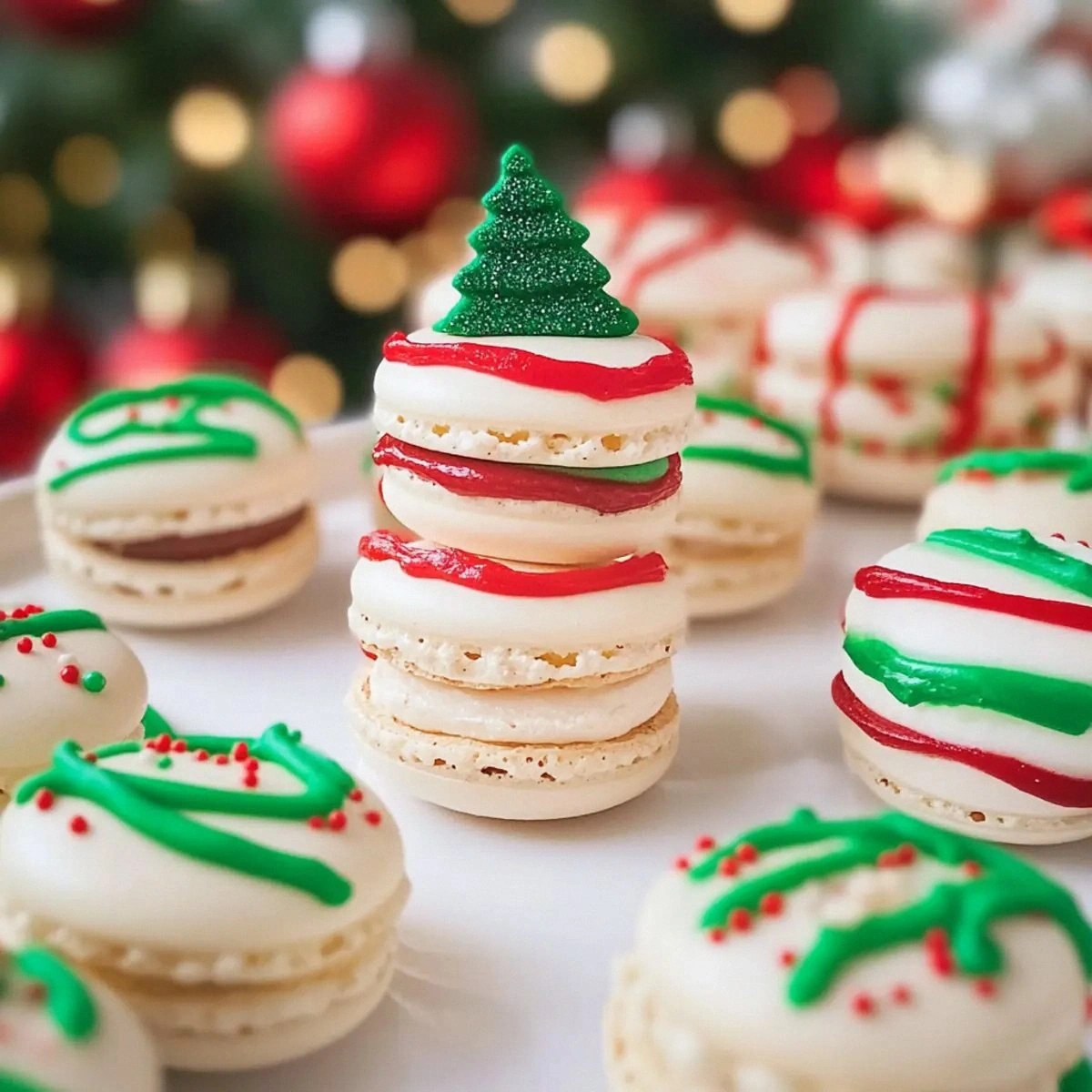
I was standing in my kitchen on a snowy December evening, staring at a half‑eaten box of Little Debbie Christmas Tree Cakes, when a wild idea struck me like a burst of tinsel on a tree. I had been trying to perfect a macaron recipe for months, and every attempt felt as flat as a store‑bought cookie. The air was thick with the scent of pine needles and buttered sugar, the oven humming like a distant choir. I dared myself to combine the delicate world of French macarons with the nostalgic crunch of those iconic cake slices, and the result was nothing short of a holiday miracle.
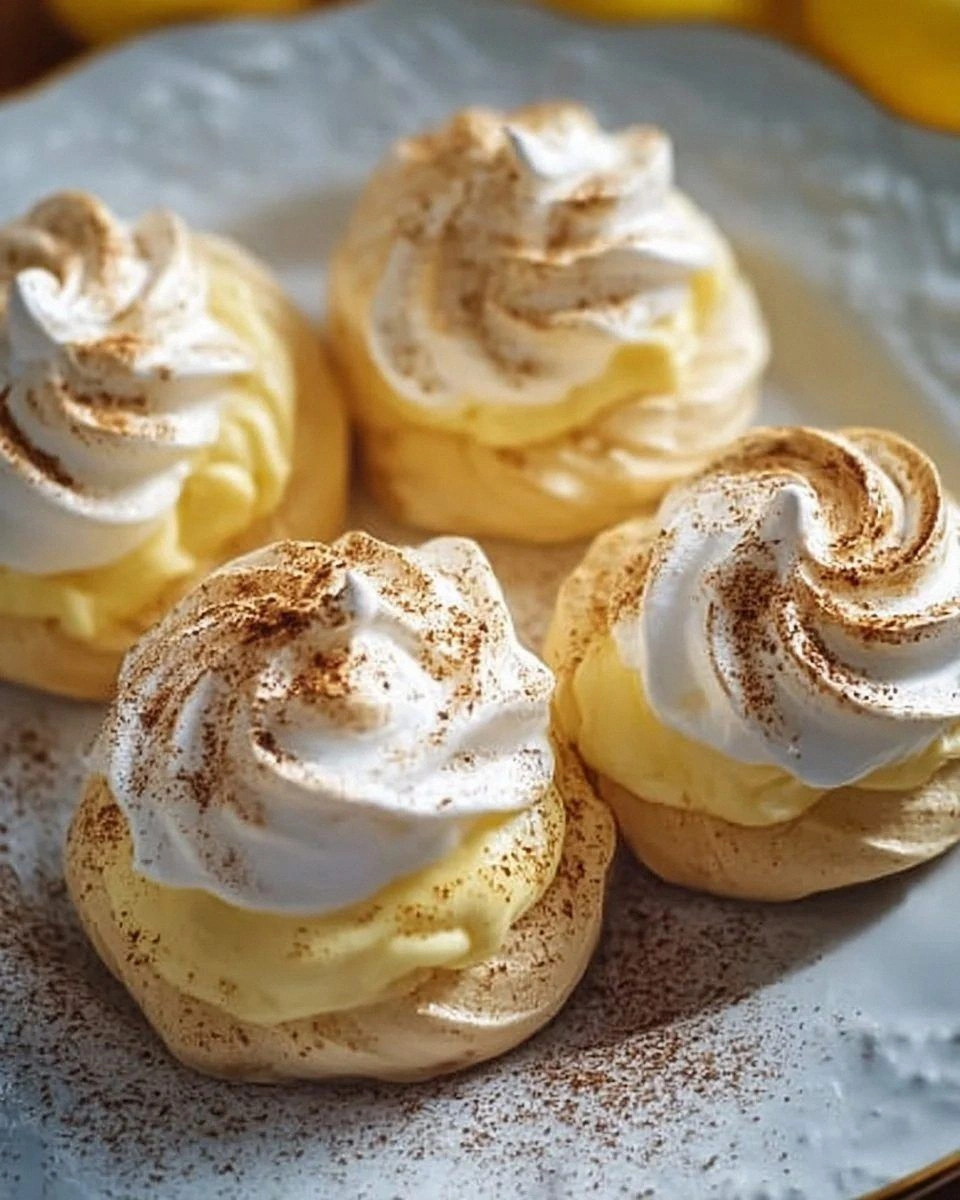
Picture this: a crisp, airy shell that cracks open with a gentle tap, revealing a creamy, buttery interior speckled with green sprinkles and a swirl of red frosting that looks like a miniature Christmas tree in every bite. The first bite releases a buttery, almond‑kissed perfume that instantly transports you to a bustling kitchen on Christmas Eve, while the texture dance between the soft shell and the crunchy cake bits is pure, unadulterated joy. I’m not exaggerating when I say this is the best version you’ll ever make at home; it’s a festive blast of nostalgia that even the most seasoned patisserie chefs would salute.
Most macaron recipes get the ratio of almond flour to powdered sugar wrong, leading to cracks, hollow shells, or a gummy center that feels like chewing on a rubber band. Here’s the secret: I fold the almond flour and powdered sugar together with a precision that would make a jeweler jealous, then I gently fold in the meringue until it reaches the perfect “lava flow” consistency. The twist? I crumble the Christmas Tree Cakes into the buttercream filling, creating a surprise crunch that pops like fireworks on the palate. This technique is the game‑changer you’ve been waiting for.
Okay, ready for the game‑changer? I’ll walk you through every single step — by the end, you’ll wonder how you ever made macarons any other way. I dare you to taste this and not go back for seconds. Let’s get started, and remember: this next part? Pure magic.
What Makes This Version Stand Out
- Taste: The almond‑sweet base is amplified by a buttery, red‑frosting center that tastes like a holiday hug.
- Texture: A crisp shell meets a soft, melt‑in‑your‑mouth interior, punctuated by crunchy cake crumbs.
- Simplicity: Despite the fancy look, the method uses everyday pantry items and a few clever shortcuts.
- Uniqueness: Incorporating Little Debbie Christmas Tree Cakes turns a classic French treat into a nostalgic holiday icon.
- Crowd Reaction: Guests invariably exclaim “What is this?!” before devouring the whole batch.
- Ingredient Quality: Premium almond flour and real white chocolate give a luxurious mouthfeel.
- Cooking Method: The “macaronage” technique is dialed in for flawless shells every time.
- Make‑Ahead Potential: Shells store beautifully, and the filling can be pre‑made up to a week ahead.
Inside the Ingredient List
The Flavor Base
Almond flour is the heart of any macaron, providing that subtle nutty aroma that makes the shells instantly recognizable. I use a finely sifted, blanched almond flour to avoid any gritty texture; if you skip the sifting, you’ll end up with a bumpy surface that looks like a snow‑drift gone wrong. For the powdered sugar, I recommend a super‑fine brand; a coarser sugar will leave a grainy bite that clashes with the smooth buttercream. If you’re allergic to almonds, you can swap in hazelnut flour, but expect a deeper, earthier flavor.
The Texture Crew
Egg whites are the scaffolding that holds the macaron together. I separate them the night before, letting them rest in the fridge to achieve a firmer meringue. Adding cream of tartar stabilizes the peaks, ensuring they don’t collapse mid‑whisk. Granulated sugar is dissolved into the meringue to create a glossy, stable foam; if you over‑whisk, the meringue becomes dry and grainy, leading to cracked shells. A quick tip: run a finger through the meringue; it should leave a clean path that slowly fills back in.
The Unexpected Star
Little Debbie Christmas Tree Cakes bring a nostalgic crunch that no other ingredient can replicate. Their vanilla‑sweet cake layers, studded with colorful sprinkles, melt slightly when folded into the buttercream, creating pockets of chewy delight. If you can’t find the exact brand, any vanilla cake with festive sprinkles will do, but the texture won’t be quite the same. The white chocolate adds a silky sheen to the filling and deepens the flavor profile, making each bite feel like a decadent holiday treat.
The Final Flourish
Green sprinkles are the visual cue that screams “Christmas” the moment you see the macarons lined up on a platter. They’re not just for show; they add a faint, sweet crunch that complements the buttery shell. The red buttercream or royal icing provides the classic holiday contrast, delivering a rich, creamy sweetness that balances the almond notes. If you prefer a less sugary finish, swap the frosting for a light cream cheese frosting infused with a hint of orange zest.
Everything's prepped? Good. Let's get into the real action...
The Method — Step by Step
- Prep the Dry Ingredients. Sift together 1 cup almond flour and 1.75 cups powdered sugar into a large bowl. I like to do this twice to guarantee a feather‑light texture. The mixture should look like fine snow; any lumps will become visible as unsightly bumps on the shells. Kitchen Hack: Add a pinch of cornstarch to the sifted mix; it helps prevent the shells from sticking together during the rest.
- Make the Meringue. In a clean, grease‑free bowl, whisk 3 large egg whites on medium speed until foamy. Add 1/4 teaspoon cream of tartar, then slowly drizzle in 0.75 cups granulated sugar while the mixer is on high. Continue whisking until stiff, glossy peaks form – you’ll know it’s ready when the meringue looks like a glossy waterfall and holds a firm peak when the whisk is lifted.
- Combine the Mixture. Gently fold the dry almond‑sugar blend into the meringue using a rubber spatula. This step, known as “macaronage,” is where patience pays off. The batter should flow like lava, slowly falling off the spatula in a thick ribbon. If it’s too stiff, you’ll get cracked shells; too runny, and they’ll spread and lose their shape. Watch Out: Over‑mixing at this stage will break down the meringue’s air bubbles, resulting in flat, dense macarons.
- Pipe the Shells. Transfer the batter to a zip‑lock bag fitted with a 1/4‑inch round tip. Pipe 1‑inch circles onto a parchment‑lined baking sheet, spacing them about an inch apart. Tap the tray firmly on the counter three times to release any air bubbles. Let the shells rest at room temperature for 30‑45 minutes, or until a skin forms that doesn’t stick to your fingertip. This “dry‑out” phase is crucial for that signature “feet” formation.
- Bake the Macarons. Preheat the oven to 300°F (150°C). Slide the tray into the middle rack and bake for 15‑18 minutes. The shells should have a matte finish and the tops should feel firm to the touch. If you hear a faint “crackle” as you lift the tray, that’s the sound of perfect macarons announcing their readiness.
- Cool Completely. Allow the shells to cool on the tray for at least 10 minutes before gently removing them. Trying to peel them while still warm will cause them to crack. Store the shells in an airtight container at room temperature while you prepare the filling.
- Prepare the Filling. Melt 4 ounces white chocolate in a double boiler, then let it cool slightly. In a separate bowl, beat 0.5 cup unsalted butter until pale and fluffy, then slowly add 0.25 cups heavy cream. Fold in the melted white chocolate, 1 cup red buttercream (or royal icing), and finally, gently stir in 1 cup crumbled Little Debbie Christmas Tree Cakes. Finish with 1 cup green sprinkles for that festive sparkle.
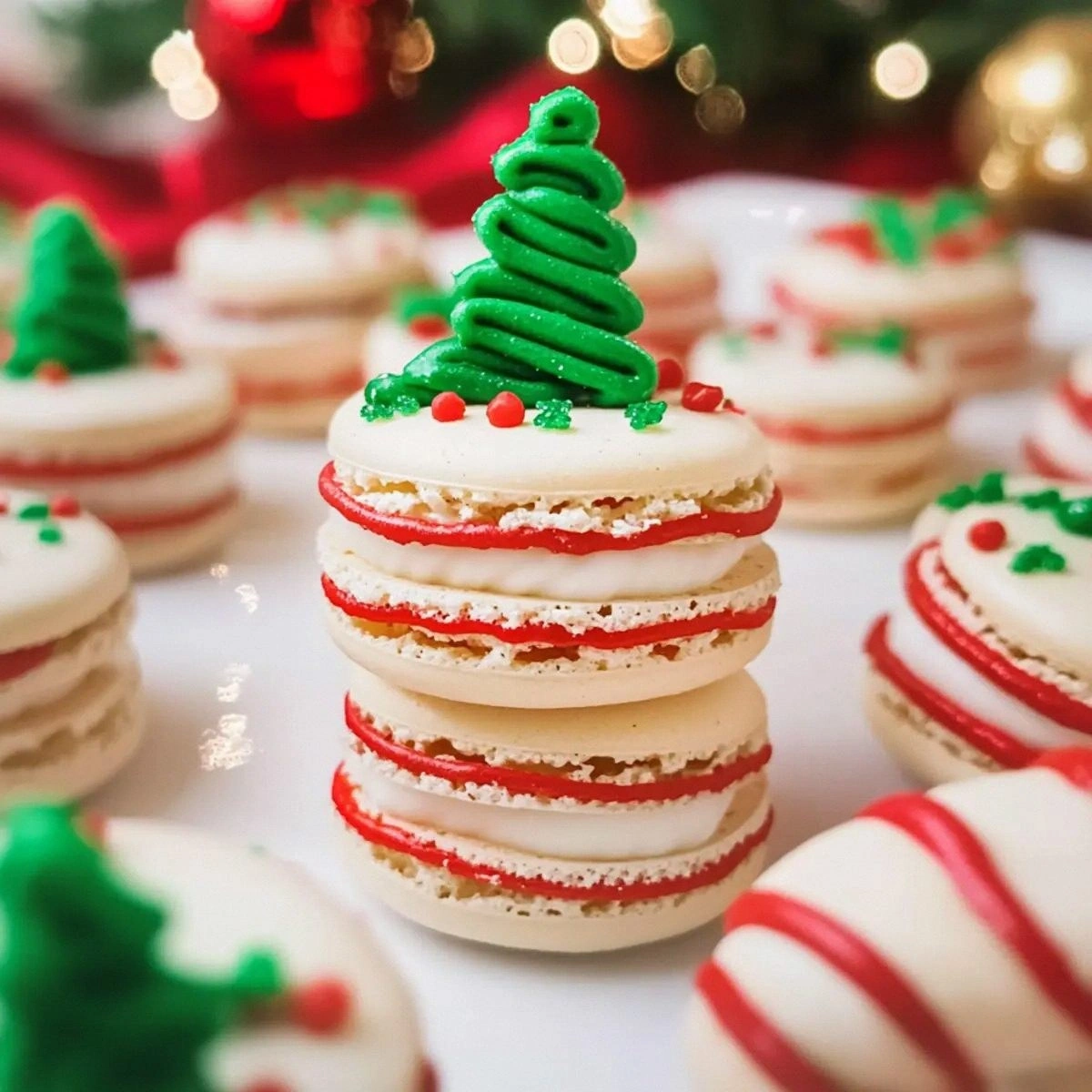
- Assemble the Macarons. Pair shells of similar size. Pipe a generous dollop of the festive filling onto the flat side of one shell, then sandwich with its partner. Press gently so the edges meet without squashing the filling. The result should look like a tiny, edible Christmas tree, complete with green “leaves” and a red “star” at the top.
- Rest and Set. Place the assembled macarons in the refrigerator for at least 1 hour. This “maturation” step allows the flavors to meld and the shells to soften just enough to achieve that perfect bite. When you’re ready to serve, bring them back to room temperature for 20 minutes – that’s when the magic truly happens.
Insider Tricks for Flawless Results
The Temperature Rule Nobody Follows
Always bake your macarons at a low, steady 300°F (150°C). Higher temperatures cause the shells to rise too quickly, creating a cracked “top” and uneven feet. I once tried 350°F in a rush, and the result was a batch that looked like they’d been through a windstorm. Keep the oven door closed for the first 10 minutes; opening it too early releases the heat and can cause the shells to collapse.
Why Your Nose Knows Best
During the resting phase, trust the scent. When the shells feel dry to the touch and you can’t see any tackiness, they’re ready for the oven. If you’re in a humid climate, the drying time may stretch to an hour; a quick sniff will tell you if the shells still have that faint “wet” aroma. My friend once skipped this step in a desert climate and ended up with shells that were too soft, causing them to stick together like a snowball.
The 5‑Minute Rest That Changes Everything
After piping, give the shells exactly 5 minutes of extra rest before the full 30‑45 minute period. This brief pause allows the outer surface to firm up just enough to prevent spreading. It’s a tiny adjustment that yields dramatically taller feet, giving the macarons that iconic “wiggle‑room” look. If you’re short on time, this is the one step you can’t afford to skip.
Buttercream Consistency is Key
When beating the butter and cream together, aim for a soft‑serve ice cream texture. Over‑whipping creates a grainy filling that can break the delicate shells. I like to stop the mixer just as the mixture starts to leave a faint trail on the beaters – that’s the sweet spot. Adding the crushed Christmas Tree Cakes at the very end preserves their crunch, preventing them from turning soggy.
Storage Secrets for Maximum Freshness
If you need to store the finished macarons for more than a day, keep them in a single layer inside a sealed container in the fridge. The moisture inside the fridge will keep the shells supple. For longer storage, freeze them on a parchment sheet, then transfer to a zip‑lock bag. When you’re ready to serve, let them thaw in the fridge for 30 minutes, then bring to room temperature – the texture will be as fresh as the day you made them.
Creative Twists and Variations
This recipe is a playground. Here are some of my favorite ways to switch things up:
Peppermint Crunch
Swap the red buttercream for a peppermint-infused buttercream and add crushed candy canes to the filling. The cool mint contrast with the sweet almond shell makes for a refreshing holiday bite.
Chocolate‑Covered Delight
Dip the finished macarons halfway into melted dark chocolate, then sprinkle with edible gold dust. The bitterness of the chocolate balances the sweetness, creating a sophisticated treat for adult guests.
Citrus Snowfall
Add a teaspoon of orange zest to the buttercream and replace the green sprinkles with white coconut flakes. The citrus notes lift the flavor profile, making it perfect for a winter brunch.
Nutty Noel
Incorporate finely chopped toasted pecans into the filling and garnish each macaron with a single candied pecan half. The nutty crunch adds depth and a rustic holiday feel.
Vegan Holiday Version
Replace the egg whites with aquafaba (the liquid from canned chickpeas) and use a plant‑based butter substitute. Swap the white chocolate for a dairy‑free variety, and you’ll have a completely vegan festive macaron that still tastes indulgent.
Storing and Bringing It Back to Life
Fridge Storage
Place the assembled macarons in an airtight container and store them in the refrigerator for up to 5 days. The cool environment keeps the buttercream from melting and the shells from drying out. Before serving, let them sit at room temperature for 20‑30 minutes so the flavors can fully awaken.
Freezer Friendly
Freeze the macarons on a parchment sheet for 2‑3 hours, then transfer them to a zip‑lock bag. They’ll keep for up to a month. To revive, move them to the fridge for an hour, then bring to room temperature. A tiny splash of water on the bottom of the container before reheating creates a gentle steam that restores the perfect bite.
Best Reheating Method
If you need to warm them quickly, place the macarons on a low‑heat oven rack (200°F/93°C) for 5 minutes. This gentle heat revives the shell’s crispness without melting the filling. Avoid microwaving; the sudden heat will make the shells rubbery and the frosting grainy.