I was standing in my kitchen, staring at a half‑baked batch of bland, over‑sweetened oatmeal cookies that tasted like a cardboard‑wrapped sugar rush. My roommate had dared me to make something “healthy enough for a post‑workout snack but still delicious enough to share with my grandma,” and I was already feeling the sting of that challenge. The oven timer went off, the cookies rose like sad little balloons, and the only thing that rose higher than my frustration was the scent of burnt sugar that clung to the curtains. I swear, that moment was the culinary equivalent of stepping on a LEGO in the dark – painful, surprising, and oddly motivating.
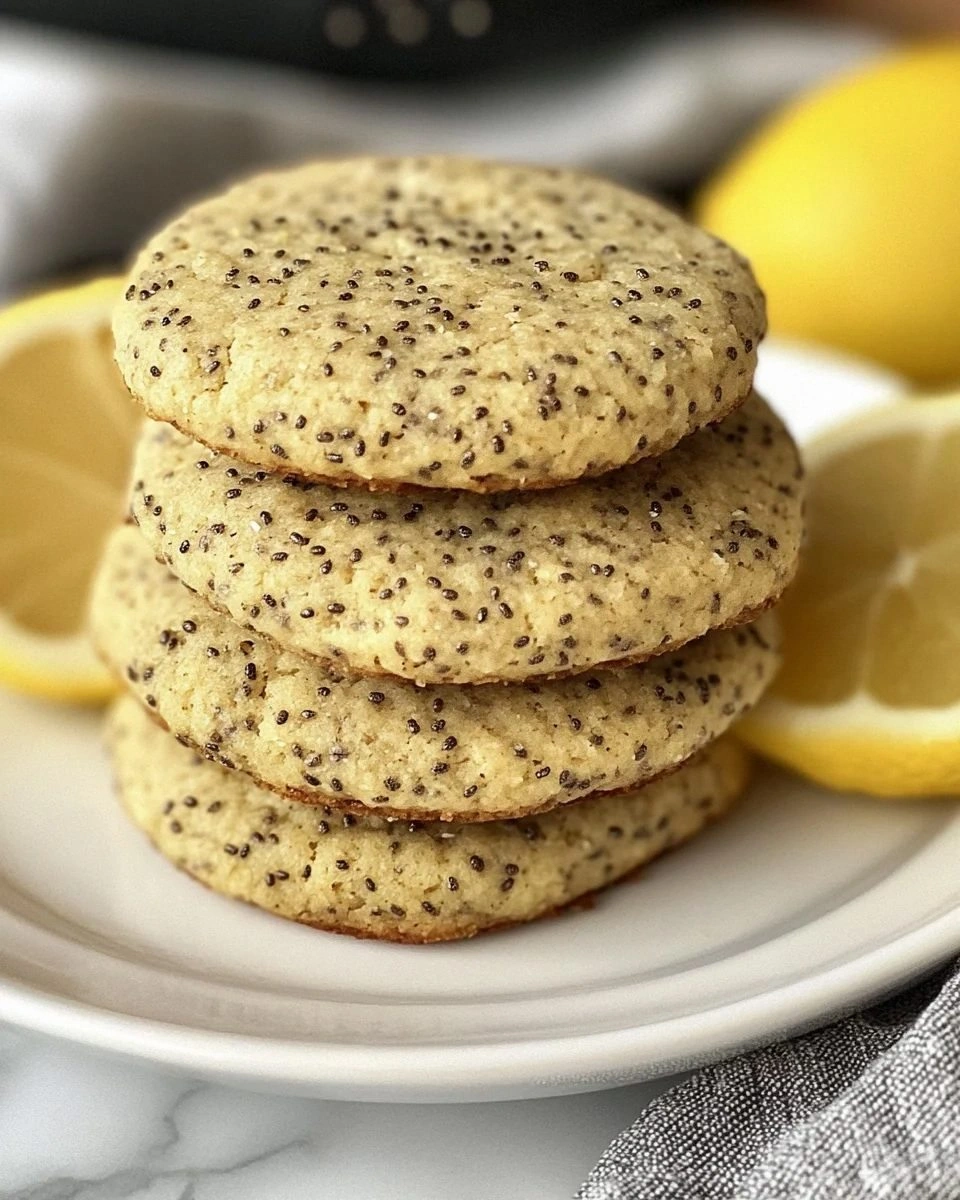
Fast forward a few weeks, a bright yellow lemon rolled into my pantry like a sunshine‑filled promise, and a tiny packet of chia seeds whispered, “I’m here to save the day.” I started experimenting, swapping out the usual white flour for a blend that would hold up to a protein punch, adding a scoop of vanilla whey, and folding in the chia like little gelatinous fireworks. The result? A cookie that hits you with a zingy lemon burst, a chew that’s both tender and slightly crunchy, and a protein hit that makes you feel like you’ve just completed a mini‑gym session. I dare you to taste this and not go back for seconds – it’s that good.
What makes this version truly stand out is the balance between flavor and function. Most recipes either drown you in lemon or leave you with a dry, chalky protein overload. I cracked the code by using just enough lemon zest and juice to brighten the palate without turning the dough into a citrus‑soaked mess, and the chia seeds act like tiny moisture‑locking agents that keep each bite soft and satisfying. The secret weapon is the Greek yogurt, which adds a subtle tang and a silk‑like texture that makes the cookies feel indulgent, not like a health‑food punishment. And let’s not forget the honey – it gives a natural sweetness that pairs perfectly with the lemon, making the whole thing feel like a dessert rather than a diet snack.
But the real game‑changer? The method of gently toasting the chia seeds before they meet the batter. This tiny step unlocks a nutty aroma that dances with the lemon, creating a flavor profile you’d expect from a high‑end bakery, not a home kitchen. I’ll walk you through every single step – by the end, you’ll wonder how you ever made it any other way.
What Makes This Version Stand Out
- Bright Lemon Punch: The combination of zest and fresh juice gives a citrus pop that’s as lively as a summer sunrise, cutting through the richness without overwhelming it.
- Protein Power: With 25 grams of protein per serving, these cookies are practically a mini‑muscle‑builder, perfect for post‑gym refueling.
- Chewy Texture: Chia seeds swell and create a soft, almost gummy center while the edges stay crisp, delivering a textural contrast that’s addictive.
- Natural Sweetness: Honey replaces refined sugar, offering a floral sweetness that complements the lemon rather than competing with it.
- Simple Prep: Only fifteen minutes of active prep and you’re on your way to a batch of cookies that look and taste bakery‑level.
- Make‑Ahead Friendly: Store them in an airtight container, and they stay fresh for up to a week – perfect for busy mornings.
- Ingredient Quality: Using high‑quality vanilla whey protein and fresh lemon ensures every bite is packed with flavor, not filler.
- Versatile Base: The dough can be tweaked for gluten‑free or vegan versions without losing its signature bite.
Inside the Ingredient List
The Flavor Base
Lemon zest is the star here, delivering an aromatic oil that bursts with citrus notes the moment it hits your tongue. If you skip the zest, you’ll lose that bright, almost floral edge that makes these cookies feel fresh. Freshly squeezed lemon juice adds a tangy acidity that balances the honey’s sweetness, preventing the cookies from becoming cloyingly sweet. In a pinch, bottled lemon juice works, but the flavor depth drops dramatically – trust me, you’ll notice the difference.
The Texture Crew
Chia seeds are the unsung heroes, absorbing liquid and creating a gel that keeps the cookies moist. If you leave them out, the crumb becomes dry and crumbly, and you’ll miss the subtle “pop” when you bite into them. Greek yogurt adds a creamy tang and contributes to a tender crumb, while the melted coconut oil provides a buttery richness without the heaviness of traditional butter. Swapping coconut oil for melted butter works, but you’ll lose the subtle coconut aroma that pairs so well with lemon.
The Unexpected Star
Whey protein powder is the secret weapon that turns a regular cookie into a protein‑packed snack. It adds a subtle vanilla backdrop and boosts the nutritional profile without making the dough gritty. If you’re vegan, opt for a plant‑based protein blend, but be aware that some blends can leave a chalky aftertaste – I recommend a pea‑rice combo for the smoothest texture.
The Final Flourish
All‑purpose flour (or oat flour for a gluten‑free twist) gives the structure needed for a cookie that holds its shape. Baking soda and baking powder work together to give a gentle lift, ensuring the cookies spread just enough to develop those coveted crispy edges. A pinch of sea salt amplifies every flavor, especially the lemon, while vanilla extract adds a warm, comforting backdrop that rounds everything out. Skipping the salt is a rookie mistake – the cookies will taste flat.
Everything's prepped? Good. Let's get into the real action…
The Method — Step by Step
Preheat your oven to 350°F (175°C) and line two baking sheets with parchment paper. While the oven warms, the kitchen fills with a faint, comforting scent of toasted coconut oil – a pre‑signal that good things are about to happen. This is the moment of truth: if the oven isn’t hot enough, the cookies will spread too much and lose that coveted crisp edge.
In a small skillet over medium heat, add the chia seeds and toast them for about 2 minutes, stirring constantly. You’ll hear a soft pop and notice a nutty fragrance rising – that’s the magic unlocking their flavor. Transfer the toasted chia to a bowl and set aside; this step prevents the seeds from staying raw and bitter.
In a large mixing bowl, whisk together the flour, protein powder, baking soda, baking powder, and salt. The dry mixture should look like a fine, off‑white powder; any lumps mean you’ve got clumps of protein that need breaking. This uniformity ensures even distribution of the protein, preventing pockets of gritty texture later on.
In a separate bowl, combine the melted coconut oil, honey, egg, vanilla extract, Greek yogurt, lemon zest, and lemon juice. Beat until the mixture is glossy and slightly thickened – you’ll notice the batter becomes smoother as the honey fully incorporates. This is where the flavor really starts to come together; the lemon zest should be evenly suspended, not settled at the bottom.
Add the toasted chia seeds to the wet mixture and stir until they’re evenly coated. The chia will begin to swell, creating tiny gelatinous beads that give the dough a subtle bounce. If the mixture looks too thick, add a splash (about a tablespoon) of extra lemon juice or a dab of water – but be careful not to over‑liquefy.
Gradually fold the dry ingredients into the wet mixture, using a rubber spatula. Scrape the sides of the bowl to ensure no flour pockets remain. The dough should be thick but pliable – if it feels dry, add a teaspoon of milk or extra yogurt; if it’s too sticky, sprinkle in a tablespoon of flour.
Scoop the dough onto the prepared baking sheets using a tablespoon or a small ice‑cream scoop, spacing them about 2 inches apart. Press each mound lightly with the back of a spoon to flatten – the cookies will spread a little, but you want a uniform thickness of about ¼ inch for that perfect chewy‑crisp combo. The edges should look slightly glossy; that’s the honey caramelizing.
Bake for 12‑14 minutes, or until the tops are lightly golden and the edges start pulling away from the parchment. You’ll hear a faint crackle as the cookies set – that’s the sound of a perfect crust forming. Resist the urge to open the oven early; the cookies need the full heat to develop that signature bite.
Remove the sheets from the oven and let the cookies cool on the pans for 5 minutes before transferring them to a wire rack. While they’re cooling, the aroma of toasted lemon and coconut will fill the kitchen, making it impossible to resist a sneak‑taste. I’ll be honest — I ate half the batch before anyone else got to try it, and you’ll probably do the same.
That's it — you did it. But hold on, I've got a few more tricks that'll take this to another level…
Insider Tricks for Flawless Results
The Temperature Rule Nobody Follows
Always let your butter or coconut oil melt just until it’s liquid, not bubbling. Over‑heated oil can scorch, leaving a bitter aftertaste that masks the lemon. I once tried using oil straight from the microwave at full power, and the cookies tasted like burnt toast. Keep the oil warm, not hot, and you’ll preserve that delicate coconut sweetness.
Why Your Nose Knows Best
When the cookies are about 8 minutes into baking, pause and sniff the kitchen. If you detect a faint caramel scent and the edges are beginning to turn light brown, you’re on the right track. Trust that instinct – the visual cue of color can be misleading in a bright oven, but the aroma is a reliable indicator of doneness.
The 5‑Minute Rest That Changes Everything
After the cookies come out of the oven, let the dough rest on the baking sheet for exactly five minutes before moving them. This short rest allows the interior to finish setting and prevents them from cracking when transferred. I once skipped this step and ended up with cookies that fell apart as soon as I tried to lift them – a disaster I won’t repeat.
Chia Hydration Boost
If you want an extra burst of moisture, soak the chia seeds in the lemon juice for 10 minutes before adding them to the batter. This creates a mini gel that distributes liquid more evenly, resulting in a softer crumb. The trade‑off is a slightly thicker batter, so you may need to thin it with a splash of almond milk.
The Secret Sweetener Swap
For a lower‑glycemic version, swap half the honey for pure maple syrup. The maple adds a subtle caramel note that complements the lemon without raising the sugar spike. Just remember that maple syrup is a bit thinner than honey, so you might need to add an extra half‑tablespoon of flour to keep the dough from spreading too much.
Creative Twists and Variations
This recipe is a playground. Here are some of my favorite ways to switch things up:
Berry Burst
Fold in a quarter cup of dried cranberries or fresh blueberries before baking. The fruit adds a sweet‑tart pop that pairs beautifully with lemon, and the extra moisture from fresh berries makes the interior even softer.
Chocolate Chip Surprise
Swap half the protein powder for a chocolate‑flavored version and add ½ cup dark chocolate chips. The bitterness of dark chocolate balances the lemon’s brightness, creating a sophisticated flavor duo.
Spiced Autumn
Add a pinch of ground cinnamon and a dash of nutmeg to the dry ingredients, and replace lemon zest with orange zest. This twist turns the cookies into a cozy, fall‑ready snack while still delivering protein.
Nutty Crunch
Stir in ¼ cup chopped toasted almonds or pistachios for an added crunch. The nuts bring a buttery richness that deepens the flavor profile and adds a pleasant textural contrast.
Vegan Victory
Replace the egg with a “flax egg” (1 tbsp ground flaxseed + 3 tbsp water) and use plant‑based protein powder. The result is a fully vegan cookie that still packs a protein punch and retains that lemon‑chia zing.
Storing and Bringing It Back to Life
Fridge Storage
Place the cooled cookies in an airtight container with a paper towel on top to absorb excess moisture. They stay fresh for up to seven days, and the lemon aroma actually intensifies after a day in the fridge.
Freezer Friendly
Separate a layer of parchment between each cookie, then seal the container or zip‑lock bag. Freeze for up to three months. When you’re ready to eat, let them thaw at room temperature for 10 minutes, then pop them in a 300°F oven for 3‑4 minutes to revive the crisp edges.
Best Reheating Method
To bring a cookie back to life, place it on a microwave‑safe plate, sprinkle a tiny splash (about ¼ teaspoon) of water, and microwave for 10‑12 seconds. The steam revives the interior, while the brief heat re‑crispes the outer shell. This trick works wonders for cookies that have gone a bit stale.