What Makes This Version Stand Out
Texture Revolution: Most green smoothie bowls fail because they either turn into ice chunks or sad soup. This version achieves the perfect custard-like consistency that holds its shape for twenty minutes, giving you time to arrange those Instagram-worthy toppings without everything sinking like the Titanic. The secret lies in the ratio of frozen to fresh ingredients, plus a technique I discovered while accidentally leaving my blender running too long. Flavor Layering: Instead of dumping everything in at once, we build flavor in stages, creating depth that makes each spoonful taste like a different tropical vacation. The spinach provides earthiness, the fruits bring sunshine, and a surprise ingredient (I'm looking at you, frozen zucchini) adds creaminess without any vegetable taste whatsoever. Nutrient Density Without Compromise: This bowl packs more vitamins than a pharmacy aisle but tastes like dessert. We're talking iron, vitamin K, folate, vitamin C, and enough fiber to make your digestive system write thank-you notes. The best part? You'll actually crave this instead of choking it down like medicine. Customization Playground: Think of this recipe as your canvas. The base stays consistent, but you can swap fruits, adjust sweetness, or go wild with toppings based on what's lurking in your kitchen. I've made versions with everything from leftover roasted sweet potato to that sad pear nobody wanted to eat. Make-Ahead Magic: Prep the frozen components on Sunday, and you've got breakfast sorted for the week. The base keeps beautifully in the freezer, and in the morning you're just five minutes away from feeling like you've got your life together. Future you is already thanking present you. Crowd-Pleasing Power: I've served this to vegetable-hating toddlers, skeptical teenagers, and that one friend who thinks anything green is a government conspiracy. They all asked for seconds. If you've ever struggled with getting anyone in your house to eat something healthy, this is your secret weapon.Inside the Ingredient List
The Flavor Foundation
Fresh spinach leaves are the backbone of this operation, but don't panic—they're virtually undetectable in the final product. What they do provide is a nutritional powerhouse that would make your doctor weep with joy. We're talking vitamin A for glowing skin, iron for energy, and folate for brain function. Skip the spinach, and you've just got expensive fruit soup. When selecting spinach, look for crisp leaves that snap rather than bend, avoiding any with yellowing edges or that sad, slimy texture that screams "I've been here since the Obama administration."
Frozen banana is your secret weapon for natural sweetness and ice cream-like texture without any actual ice cream. The key here is using bananas that are spotted with brown—this is when their natural sugars peak. Don't you dare use green bananas unless you enjoy that chalky, astringent flavor that makes your mouth feel like it's been vacuum-sealed. Slice them before freezing so your blender doesn't sound like it's grinding gravel, and spread them on a baking sheet first to prevent the dreaded frozen banana brick.
The Tropical Crew
Frozen mango chunks bring the sunshine to this party with their golden sweetness and buttery texture. They're like edible sunshine that happens to be loaded with vitamin A and antioxidants. When mango is out of season or your budget, frozen peaches make an acceptable understudy, though they'll never quite capture that tropical magic. Pro tip: buy the bags of frozen mango when they go on sale—this stuff is liquid gold in smoothie form and keeps for months.
Frozen pineapple chunks are the zing that keeps this bowl from being too sweet, adding a bright acidity that makes your taste buds sit up and pay attention. Pineapple contains bromelain, an enzyme that helps with digestion and might reduce inflammation. If you're using fresh pineapple, core and freeze it yourself, but honestly, the frozen stuff is picked at peak ripeness and often tastes better than the fresh options available in most grocery stores.
The Creamy Dream Team
Almond milk serves as our liquid base, but here's where you can get creative. Coconut milk will make this taste like a tropical vacation, oat milk adds natural sweetness, and cashew milk brings extra creaminess. The key is using unsweetened varieties so you control the sugar content. I've even used cold green tea for an antioxidant boost that makes this feel like spa food. Whatever you choose, keep it cold—warm liquid turns your frozen fruit into a disappointing slush.
Chia seeds are the tiny nutritional ninjas that thicken your bowl while adding omega-3s, fiber, and protein. These little guys absorb liquid and create a gel-like consistency that helps your toppings stay afloat instead of sinking like stones. Don't skip them unless you enjoy eating smoothie soup. Store them in an airtight container in the freezer for maximum freshness—yes, you can freeze chia seeds, and they'll last practically forever.
The Optional Game-Changers
Nut butter might seem optional, but it's the difference between a snack and a meal. A tablespoon of almond butter adds staying power with healthy fats and protein that keep you full until lunch. Peanut butter works too, though it'll dominate the flavor profile. If you're feeling fancy, try cashew butter for the creamiest texture or sunflower seed butter for a nut-free option that still brings richness.
Honey or maple syrup serves as your sweetener dial, but here's the thing—start with less than you think you need. The fruits provide plenty of natural sweetness, and your taste buds adjust over time. I started with two tablespoons and now make it with none. Taste your base before adding sweetener; you might surprise yourself with how naturally sweet this already is.
The Method — Step by Step
- Start by adding your liquid to the blender first—this prevents the dreaded air pocket that leaves you with a chunky mess and a blender that sounds like it's trying to launch into space. Pour in three-quarters cup of your chosen milk, saving the rest to adjust consistency later. Cold liquid is crucial here; room temperature milk will turn your frozen fruit into a disappointing slush that separates faster than oil and water. Tilt the blender slightly to the side as you pour; this tiny habit prevents spills and makes you look like you know what you're doing.
- Add your spinach next, packing it down gently but not compacting it like you're trying to smuggle contraband. Fresh spinach blends better than frozen, but if you're using frozen spinach cubes, add them now while they're still rock solid. The key is getting the spinach closest to the blades so it pulverizes completely—nobody wants to chew their smoothie. If you're feeling extra virtuous, throw in a handful of kale too, but remove those tough stems unless you enjoy eating green confetti.
- Now comes the fruit layering strategy that separates smoothie masters from kitchen disasters. Add frozen banana chunks first, then mango, then pineapple. This order ensures the heaviest ingredients get closest to the blades while the lighter ones sit on top. Don't just dump everything in a frozen fruit avalanche—layer thoughtfully like you're building a frozen fruit lasagna. The banana provides creaminess, mango brings sweetness, and pineapple adds that bright zing that makes your taste buds dance.
- Time for the supporting cast: add your chia seeds, nut butter if using, and any other boosters like protein powder or collagen peptides. Keep these additions near the center of the blender where they'll get incorporated evenly. If you're adding nut butter, spray your measuring spoon with cooking spray first—it'll slide right off instead of clinging like it's got abandonment issues. This is also when you add any spices like cinnamon or turmeric for an extra nutritional punch.
- Start blending on your lowest setting for 30 seconds to break down the big chunks, then gradually increase to high. This prevents the motor from overheating and gives you control over the texture. You want to see a vortex forming in the center—that's when you know everything's getting incorporated. If the blender sounds like it's working too hard, stop and add a splash more milk. The goal is a thick, spoon-coating consistency that moves slowly, like lava in a nature documentary.
- Pour your base into a bowl that's been chilling in the freezer for five minutes—this keeps everything thick and prevents the dreaded smoothie separation. The bowl should be cold to the touch but not frozen solid. Use a silicone spatula to get every last bit; this stuff is liquid gold and you'll want to salvage every drop. The texture should be thick enough that you can turn the bowl upside down without disaster (though I don't recommend testing this theory).
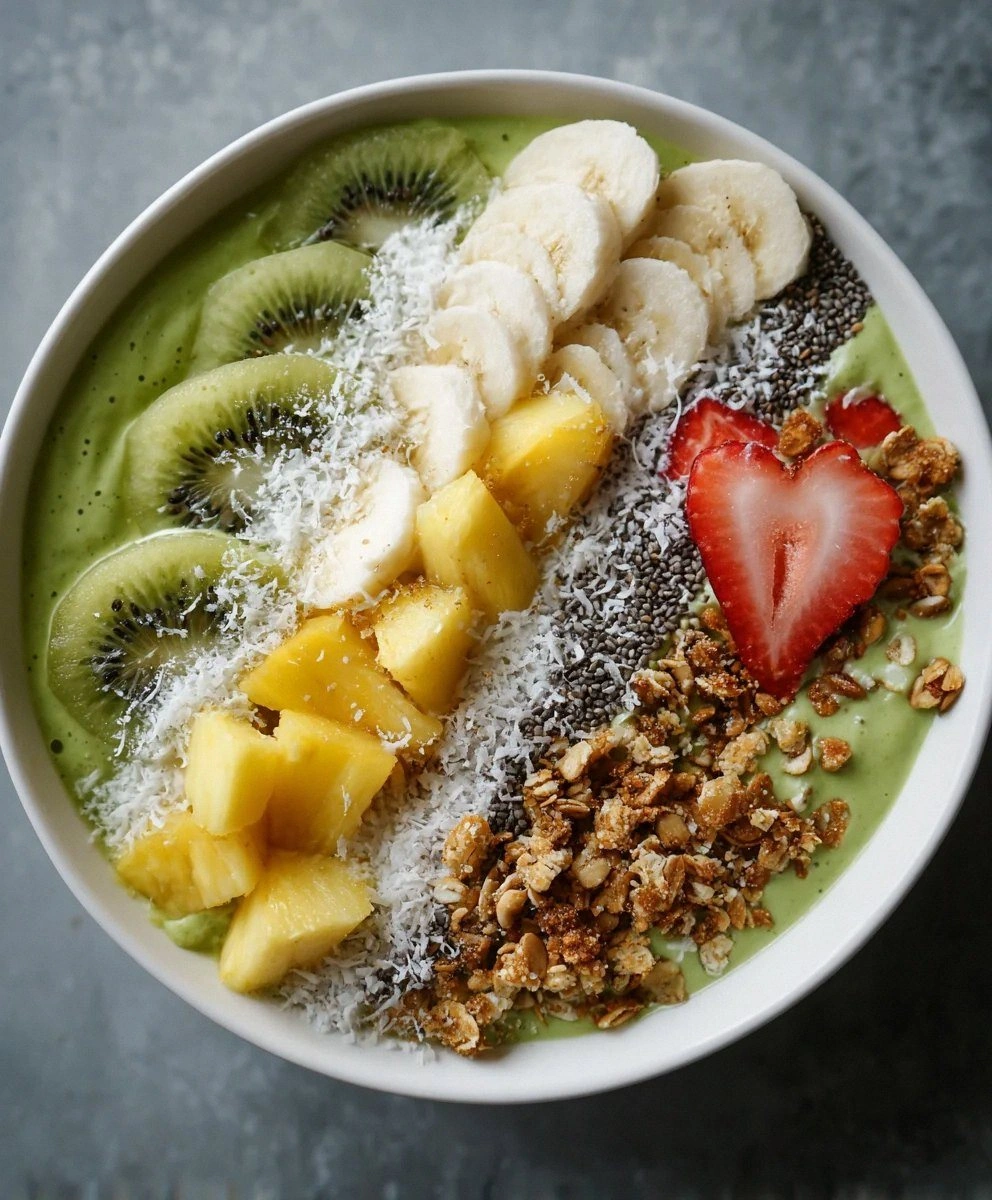
- Now comes the fun part: topping arrangement that turns functional food into art. Start with granola clusters around the edge, creating little islands of crunch. Add fresh fruit in color patterns—think kiwi rounds, strawberry halves, and blueberry polka dots. Sprinkle chia or hemp seeds in a line down the center for that professional touch. Finally, drizzle honey or nut butter in artistic zigzags that would make a barista jealous.
- The final step is crucial: eat immediately with a spoon, not a straw. This isn't a drink—it's a meal that deserves your full attention and proper utensils. The contrast between the cold, creamy base and the crunchy, fresh toppings is what elevates this from simple to transcendent. Don't let it sit too long or the granola gets soggy and the colors start to bleed together like a watercolor painting left in the rain.
That's it—you did it. But hold on, I've got a few more tricks that'll take this to another level...
Insider Tricks for Flawless Results
The Temperature Rule Nobody Follows
Your ingredients should be at three different temperatures for optimal results. Keep your liquids refrigerated, your fruits frozen solid, and your bowls in the freezer. This temperature trifecta creates the perfect texture that doesn't melt into soup before you finish eating. I learned this the hard way after serving what looked like green soup to my book club—never again. The contrast between the frozen base and room temperature toppings also creates a sensory experience that makes each bite interesting instead of monotonous.
Why Your Nose Knows Best
Before blending, smell your ingredients—yes, actually smell them. Ripe mango should perfume the air with tropical sweetness, pineapple should smell like vacation, and spinach should smell fresh and earthy, not like old newspapers. Your nose is your quality control department, catching issues your eyes might miss. If anything smells off, compost it and move on. Life's too short for subpar produce, and one bad ingredient can ruin an entire batch that you spent good money on.
The 5-Minute Rest That Changes Everything
After blending, let your base rest for exactly five minutes before pouring into the bowl. This allows the chia seeds to fully hydrate and thicken the mixture, plus it gives the flavors time to meld together like they're at a fruit party getting to know each other. During this time, prep your toppings and chill your bowl. I set a timer because I'm impatient and have ruined many batches by rushing this step. The difference is subtle but noticeable—like the difference between a good haircut and a great one.
The Topping-to-Base Ratio Secret
After extensive "research" (read: eating way too many smoothie bowls), I've discovered the optimal ratio is 60% base to 40% toppings. Too many toppings and you lose the creamy texture, too few and you're basically eating green ice cream with a granola garnish. Measure with your eyes, not a scale—this isn't science class. The goal is every bite should include some crunch, some creaminess, some fruit, and some seeds for maximum textural satisfaction.
Freezer Management for Smoothie Success
Dedicate a specific freezer drawer or section to smoothie ingredients. Keep similar items together in labeled bags: one for bananas, one for tropical fruits, one for greens. This prevents the morning treasure hunt that leads to freezer burn and forgotten ingredients. I learned this after finding a bag of what I thought were mango chunks but turned out to be frozen butternut squash—let's just say that batch was memorable for all the wrong reasons. Date your bags and rotate them like a grocery store.
Creative Twists and Variations
This recipe is a playground. Here are some of my favorite ways to switch things up:
The Chocolate Lover's Dream
Add two tablespoons of unsweetened cocoa powder and a scoop of chocolate protein powder to the base, then top with cacao nibs and chocolate granola. The result tastes like a healthy chocolate pudding that makes you question everything you thought you knew about virtuous eating. Add a tablespoon of almond butter for richness that rivals any dessert. This variation converts even the most vegetable-phobic eaters into green smoothie believers.
The Tropical Escape
Replace almond milk with coconut milk, add a tablespoon of coconut cream to the base, and top with toasted coconut flakes and passion fruit seeds. This version transports you straight to a beach hammock with steel drum music playing in the background. Add a squeeze of lime juice to brighten everything up like sunshine on your tongue. It's like vacation in a bowl, minus the expensive plane ticket and sunburn.
The Protein Powerhouse
Add Greek yogurt or silken tofu to the base for extra protein that keeps you full through afternoon meetings. Top with hemp hearts, pumpkin seeds, and a drizzle of almond butter for a post-workout recovery bowl that tastes like cheating but isn't. This variation has saved me from many a hangry afternoon when lunch feels too far away. The added protein also helps stabilize blood sugar, preventing the crash that comes from fruit-heavy meals.
The Berry Blast
Swap half the mango for frozen berries, creating a purple-green color that's surprisingly gorgeous. Add a teaspoon of vanilla extract to round out the flavors and top with fresh berries and white chocolate chips for contrast. The tartness of berries cuts through the tropical sweetness, creating a more complex flavor profile that keeps you interested through the last bite. Kids love this version because the purple color hides the green from picky eaters.
The Green Goddess
Add half an avocado to the base for extra creaminess that makes this taste like pudding. Include cucumber for refreshing notes and top with microgreens and edible flowers for a bowl that looks like it belongs in a spa advertisement. This variation is so beautiful it's almost a shame to eat it—almost. The avocado adds healthy fats that help your body absorb all those fat-soluble vitamins from the greens.
The Dessert-for-Breakfast
Add a tablespoon of honey and a teaspoon of vanilla to the base, then top with crushed graham crackers, mini chocolate chips, and a dollop of whipped cream. This is what you make when you want dessert but need to adult. It's like eating cheesecake for breakfast without the sugar crash or judgment from your more responsible friends. The green color makes you feel virtuous even while eating what basically amounts to healthy ice cream.
Storing and Bringing It Back to Life
Fridge Storage
If you absolutely must prep ahead, the base keeps for 24 hours in an airtight container, but it's never quite the same as fresh. Store it in the coldest part of your fridge and give it a good stir before using. The color might darken slightly as oxidation works its magic, but the taste remains intact. Add a squeeze of lemon juice to slow browning, and don't add toppings until you're ready to serve. I've successfully meal-prepped these for busy weeks, but I always make the toppings fresh.
Freezer Friendly
The base freezes beautifully in silicone muffin cups for perfect single-serving portions. Pop them out, blend briefly to refresh the texture, and proceed as normal. They keep for up to three months, though honestly, mine never lasts that long. Label them clearly or risk the aforementioned butternut squash incident. The key is letting them thaw for exactly 10 minutes before blending—any longer and you lose that thick texture that makes these special.
Best Reheating Method
There is no reheating method because this is meant to be eaten cold. If your base has separated or thinned out, blend it again with a handful of ice cubes to restore the proper consistency. Never microwave this—it turns into a science experiment gone wrong. If you find yourself with leftover smoothie base, pour it into popsicle molds for frozen treats that make afternoon snacks feel like a party. The transformation from failed breakfast to intentional dessert is magical.