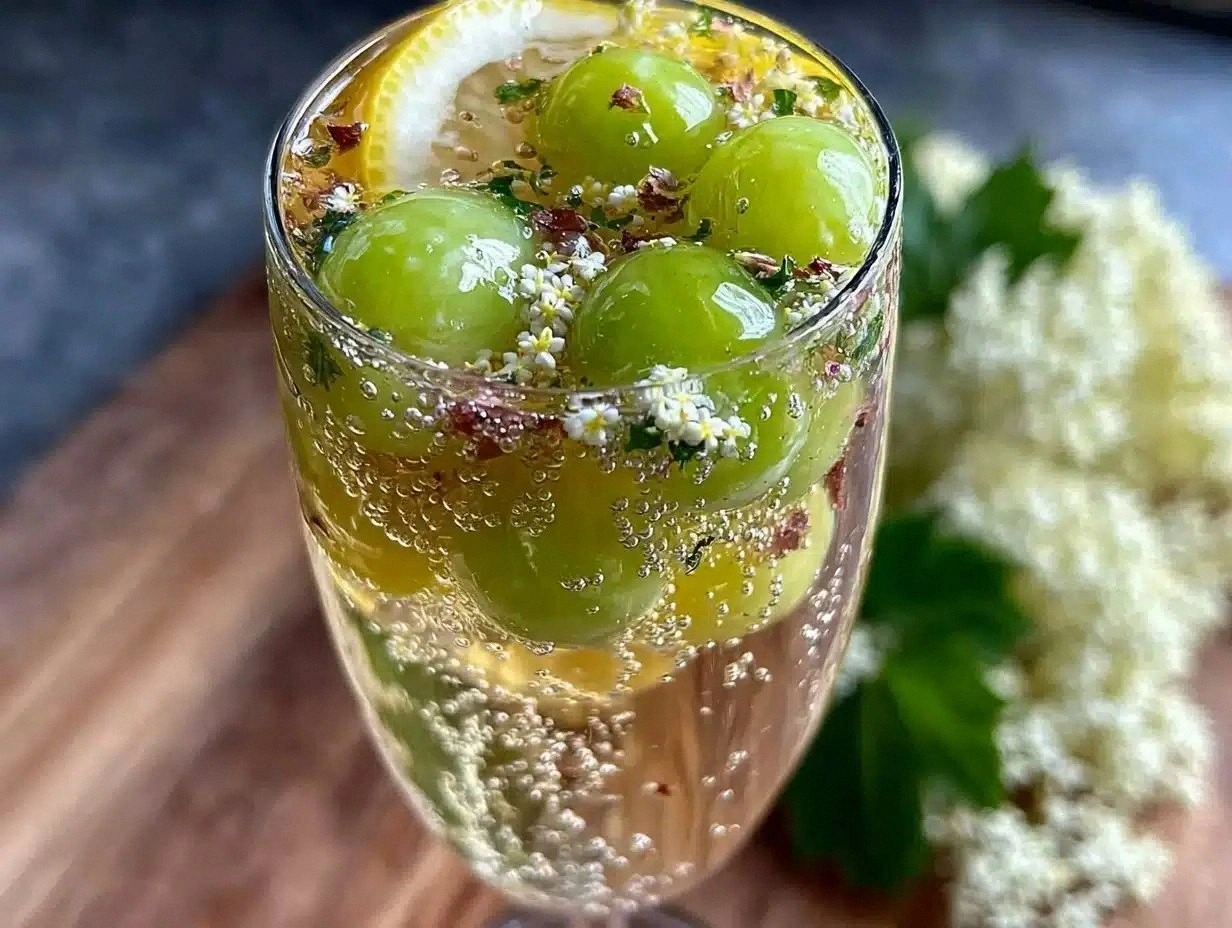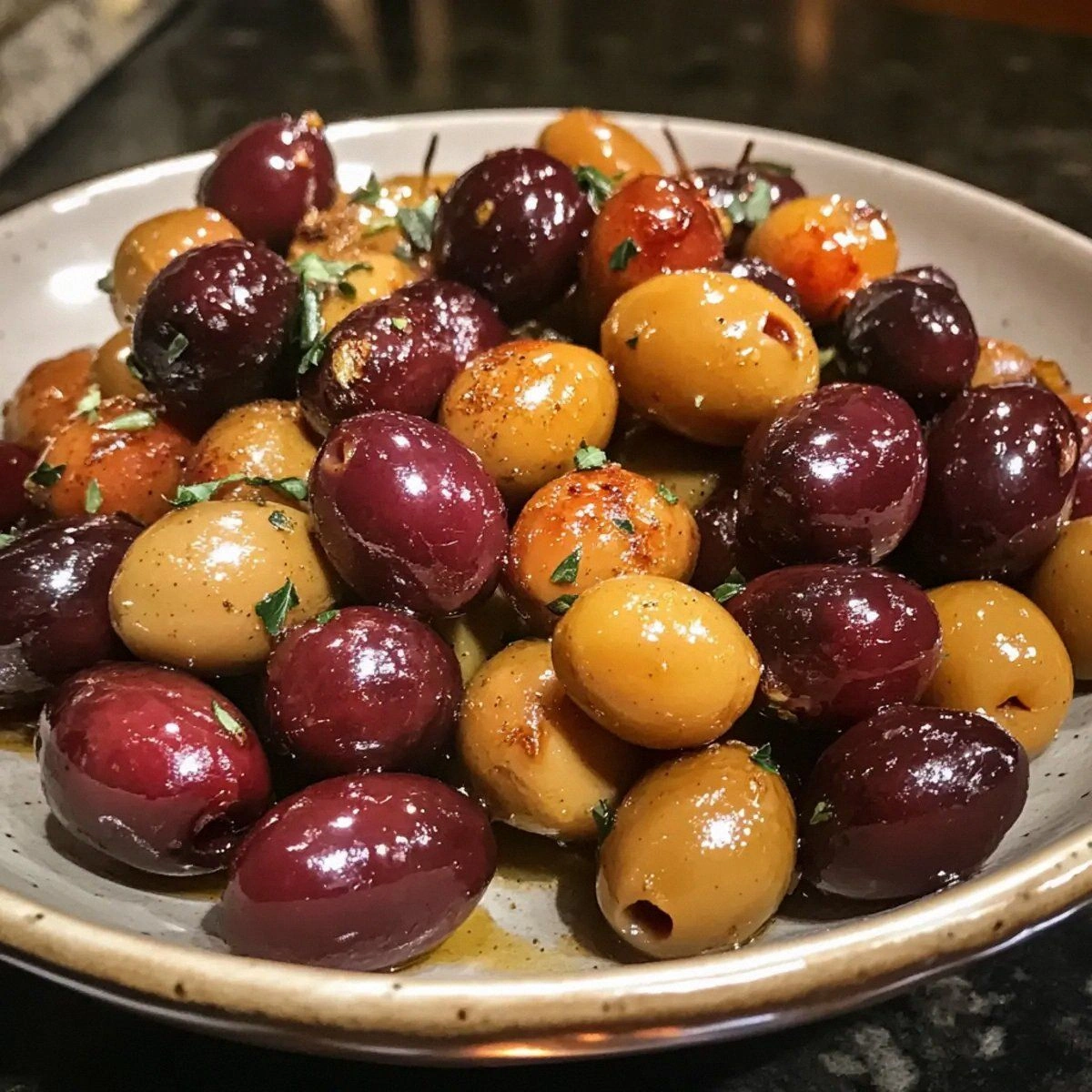
Picture this: you’re halfway through a dinner party, the chatter is flowing, the wine is glistening in crystal glasses, and then someone asks for a little something to nibble on that isn’t a boring cheese platter. I was in that exact moment a few weeks ago, staring at a half‑empty olive jar and a bowl of grapes that had been sitting on the counter for far too long. I tossed a handful of each into a pan, cranked the oven up, and—boom—the kitchen transformed into a fragrant wonderland that made everyone drop their forks and lean in. That accidental experiment turned into the most talked‑about appetizer of the night, and I’m still hearing people rave about it weeks later. This isn’t just a side dish; it’s a show‑stopper that can steal the spotlight from even the most elaborate entrees.
The first bite is a revelation: the grapes burst open like tiny fireworks, their skins caramelizing just enough to give a sweet, smoky kiss, while the olives turn silky and buttery, their briny edge softened by a whisper of lemon and thyme. Imagine the contrast of a juicy grape that snaps and releases a syrupy core, followed by a mellow olive that slides across your palate with a herb‑infused finish. It’s a symphony of flavors that dances across the tongue, and the best part? It’s ridiculously simple, requiring only a handful of pantry staples and a single sheet pan. Most recipes either overcomplicate the process or under‑season the ingredients, leaving you with bland, soggy results. Not this one—this version hits every note perfectly, thanks to a few secret tricks that I’m about to spill.
What makes this dish truly unforgettable is the way the roasting technique amplifies the natural sugars in the grapes while coaxing the olives into a glossy, almost caramel‑like coating. I’ll be honest—I ate half the batch before anyone else got a chance to try it, and that’s a confession I’m willing to make because the flavor is that addictive. I dare you to taste this and not go back for seconds; the combination of sweet, salty, and herbaceous is engineered to keep you reaching for more. Most recipes get this completely wrong, either roasting the grapes too long until they turn to mush or neglecting the olives, which end up rubbery. Here’s what actually works: a precise temperature, a balanced drizzle of olive oil, and a splash of lemon that brightens everything without overwhelming the natural fruitiness.
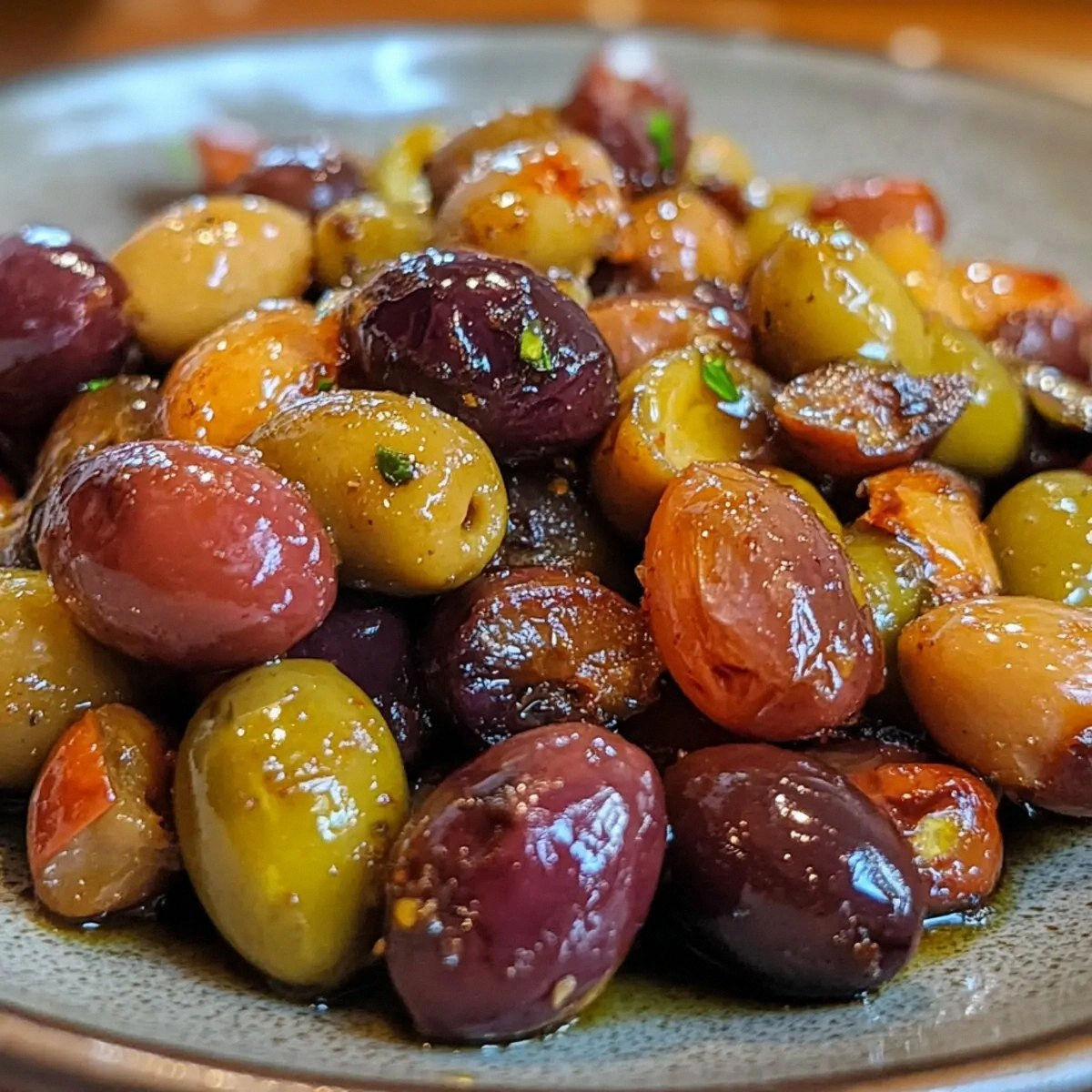
Now, let’s talk about the surprise element that elevates this dish from good to legendary: a pinch of fresh thyme leaves added just before the final minutes of roasting. This herb isn’t just a garnish; it infuses the entire pan with an earthy aroma that lingers long after the dish is plated. Picture yourself pulling this out of the oven, the whole kitchen smelling incredible, the steam rising with hints of citrus and herb, and the glossy grapes and olives glistening like tiny jewels on a polished board. Okay, ready for the game‑changer? We’re going to walk through every single step—by the end, you’ll wonder how you ever made it any other way.
What Makes This Version Stand Out
- Flavor Explosion: The natural sugars in the grapes caramelize while the olives absorb the lemon‑thyme infusion, creating a layered taste that’s both sweet and savory.
- Texture Contrast: You get juicy, slightly crisp grape skins alongside buttery, melt‑in‑your‑mouth olives that pop with every bite.
- Simplicity: Only eight ingredients, one pan, and a 30‑minute oven time—no fancy equipment or hard‑to‑find items.
- Uniqueness: Roasting grapes is still a niche technique; combined with olives, it becomes a conversation starter that feels upscale yet approachable.
- Crowd Reaction: Guests often claim this is the best thing they’ve ever tasted at a party, and it’s the kind of dish that gets Instagram likes without any extra effort.
- Ingredient Quality: Using fresh, seedless red grapes and high‑quality extra virgin olive oil makes a world of difference in flavor depth.
- Cooking Method: The high‑heat roast creates caramelization without burning, a balance that many home cooks struggle to achieve.
- Make‑Ahead Potential: You can prep the pan in advance, refrigerate, and finish the roast just before serving, saving you precious party time.
Inside the Ingredient List
The Flavor Base
Red Seedless Grapes (2 cups): These are the sweet heart of the dish. Their thin skins caramelize quickly, releasing a syrupy juice that coats the olives. If you skip the grapes, you lose the essential sweet‑savory balance that makes this appetizer unforgettable. For the best result, choose grapes that are firm but fully ripe; a gentle squeeze should give a slight give without feeling mushy.
Green Olives (1 cup): The briny counterpart to the grapes, these olives bring depth and a salty punch. Their flesh becomes tender when roasted, absorbing the lemon‑thyme aromatics. If you use pitted olives, make sure they’re not overly dry; a quick rinse and pat dry will keep them juicy. A good swap is Kalamata olives for a richer, fruitier note, but the green variety keeps the flavor profile bright.
The Texture Crew
Extra Virgin Olive Oil (2 tablespoons): This is the conduit for flavor transfer, ensuring both grapes and olives coat evenly and roast without sticking. Using a robust, peppery oil adds an extra layer of complexity, while a milder oil lets the fruit shine. If you’re out of olive oil, a light drizzle of grapeseed oil works, but expect a subtle shift in taste.
Lemon Juice and Zest (1 tablespoon): The acid cuts through the sweetness, while the zest adds a fragrant citrus burst that lifts the entire dish. Freshly zested lemon is non‑negotiable—pre‑zested packets lack the essential oils that make the aroma pop. If lemons aren’t in season, a splash of white wine vinegar can mimic the bright tang, though the zest component will be missing.
The Unexpected Star
Fresh Thyme Leaves (2 teaspoons): Thyme is the herb that binds sweet and salty, offering an earthy, piney note that deepens the flavor profile. Adding it too early can cause it to burn; instead, sprinkle it during the last five minutes of roasting for maximum aroma. If you’re not a thyme fan, rosemary works too, but use half the amount as its flavor is more dominant.
The Final Flourish
Kosher Salt (1 teaspoon) & Ground Black Pepper (½ teaspoon): These seasonings are the silent heroes, enhancing the natural flavors without overwhelming them. Salt draws out the grapes’ juices, while pepper adds a subtle heat that lingers on the palate. Adjust the salt to taste if you’re using particularly salty olives.
Cheese Board (1 unit): While not an edible ingredient, a sturdy cheese board is essential for presentation. It turns this humble roast into a polished centerpiece, allowing guests to scoop, spread, and savor at their leisure. If you don’t have a board, a rustic wooden platter works just as well.
Everything’s prepped? Good. Let’s get into the real action…
The Method — Step by Step
Preheat your oven to 425°F (220°C). This high temperature is crucial for that caramelized edge on the grapes while keeping the olives tender. While the oven warms, line a rimmed baking sheet with parchment—this prevents sticking and makes cleanup a breeze. That sizzle when the grapes hit the pan? Absolute perfection.
In a large bowl, combine the red seedless grapes and green olives. Drizzle the 2 tablespoons of extra virgin olive oil over them, then toss gently to ensure every piece is lightly coated. Sprinkle the kosher salt and ground black pepper, then give it another quick toss. Power transition: This is the moment where flavor starts to build.
Spread the fruit and olives in a single layer on the prepared sheet pan, making sure they’re not overcrowded. Overcrowding creates steam, which prevents caramelization—trust me, you don’t want soggy grapes. If the pan looks crowded, use two sheets or rotate halfway through cooking.
Place the pan in the preheated oven and roast for 12 minutes. You’ll start to hear a faint crackle as the skins begin to blister. At this point, the grapes should look slightly shrunken and the olives will have started to soften. Keep an eye on the edges; they should be turning a deep amber, not black.
While the first round roasts, whisk together the lemon juice, zest, and fresh thyme leaves in a small bowl. This bright, herbaceous mixture will be the finishing glaze that ties everything together. Watch Out: Adding the lemon too early can cause it to burn, turning bitter. Hold onto this until the final minutes.
After the initial 12 minutes, pull the pan out and give everything a quick stir to ensure even browning. Drizzle the lemon‑thyme mixture over the top, then return the pan to the oven for another 8‑10 minutes. The aroma at this stage is intoxicating—citrus, herb, and caramel all mingling.
When the grapes are soft‑to‑the‑touch and the olives are glossy, remove the pan from the oven. Let the mixture cool for just two minutes; this allows the flavors to settle without losing the warm, inviting look.
Transfer the roasted grapes and olives onto your cheese board, arranging them artfully. Add a few fresh thyme sprigs for garnish, and if you like, a drizzle of extra olive oil for extra shine. Serve warm or at room temperature—both work beautifully.
That’s it — you did it. But hold on, I’ve got a few more tricks that'll take this to another level…
Insider Tricks for Flawless Results
The Temperature Rule Nobody Follows
Most home cooks think “high heat equals burnt,” but 425°F is actually the sweet spot for caramelizing sugars without scorching. The key is to preheat the oven fully before the pan goes in; a cold oven leads to uneven cooking. I once tried 400°F and ended up with soggy grapes, which was a disaster at a dinner party. Trust the thermostat, and you’ll get that perfect glossy finish every time.
Why Your Nose Knows Best
Don’t rely solely on the timer—use your sense of smell as a guide. When the kitchen fills with a sweet, slightly smoky aroma, you’re in the golden window. If you detect any burnt notes, pull the pan out immediately and lower the temperature. I’ve saved many batches by trusting my nose over the clock.
The 5‑Minute Rest That Changes Everything
Letting the roasted mixture rest for five minutes after coming out of the oven allows the juices to redistribute, preventing them from spilling out when you move the board. This short pause also lets the lemon‑thyme glaze settle into the fruit, deepening the flavor. Skipping this step can result in a soggy board and a less cohesive taste.
Seasoning Layering Mastery
Instead of dumping all the salt at once, season in two stages: half before roasting and the remainder after. This technique ensures the grapes release their natural sugars while the olives retain a pleasant bite. It’s a small tweak that makes a massive difference in the final flavor balance.
Choosing the Right Olive
Green olives vary wildly in brine intensity. If you’re using a very salty variety, reduce the added kosher salt by half. Conversely, milder olives can handle the full teaspoon. I once used a super salty brand and the dish was overwhelmingly salty—lesson learned.
Creative Twists and Variations
This recipe is a playground. Here are some of my favorite ways to switch things up:
Spicy Heat
Add a pinch of red pepper flakes to the lemon‑thyme glaze for a subtle kick. The heat pairs beautifully with the sweetness of the grapes, creating a sweet‑heat balance that’s perfect for parties where you want to impress.
Herb Medley
Swap thyme for a blend of rosemary and oregano. This gives the dish a Mediterranean vibe, especially when paired with a side of hummus and flatbread.
Nutty Crunch
Stir in a handful of toasted pine nuts or sliced almonds just before serving. The nuts add a crunchy texture that contrasts the soft grapes and olives, making each bite more interesting.
Cheesy Finish
Crumble a bit of feta or goat cheese over the top right before plating. The salty cheese amplifies the briny olives and adds a creamy element that makes the dish even richer.
Wine‑Infused
Replace half of the lemon juice with a splash of dry white wine before roasting. The wine adds a subtle acidity and depth, turning the dish into a perfect accompaniment for a wine‑centric gathering.
Sweet‑Savory Fusion
Drizzle a thin layer of honey over the grapes during the last five minutes of roasting. The honey caramelizes alongside the grapes, intensifying the sweetness without overpowering the olives.
Storing and Bringing It Back to Life
Fridge Storage
Transfer any leftovers to an airtight container and store in the refrigerator for up to three days. The grapes will retain most of their texture, and the olives stay tender. Before serving again, let them sit at room temperature for 15 minutes to take the chill off.
Freezer Friendly
Yes, you can freeze this dish! Spread the roasted mixture on a parchment‑lined tray, freeze for an hour, then transfer to a zip‑top bag. It will keep for up to two months. When you’re ready to serve, thaw in the fridge overnight and re‑roast at 350°F for 10 minutes.
Best Reheating Method
To revive the glossy texture, place the grapes and olives on a baking sheet, splash a tiny drizzle (about a teaspoon) of water, and heat in a 350°F oven for 5‑7 minutes. The added moisture creates steam that re‑hydrates the fruit while preserving the caramelized edges.