I still remember the night my friend dared me to bring a “fancy” cocktail to a backyard barbecue that was already bursting with cheap beer, iced tea, and a grill that sounded like a jet engine. I stared at the flaming coals, the cicadas, the heat that made the air feel like a warm blanket, and thought, “What if I could turn this chaotic summer scene into a sparkling soirée with a drink that feels like a celebration in a glass?” That moment sparked the creation of the Elegant Champagne Elderflower Sparkler, a cocktail that turned a simple gathering into a glittering affair. The first sip was like a sunrise over a lavender field—bright, fragrant, and impossibly smooth—so I swear I heard the grass whisper, “Finally, something worth sipping.” I dared you to taste this and not go back for seconds, and I’m pretty sure you’ll fail that challenge.
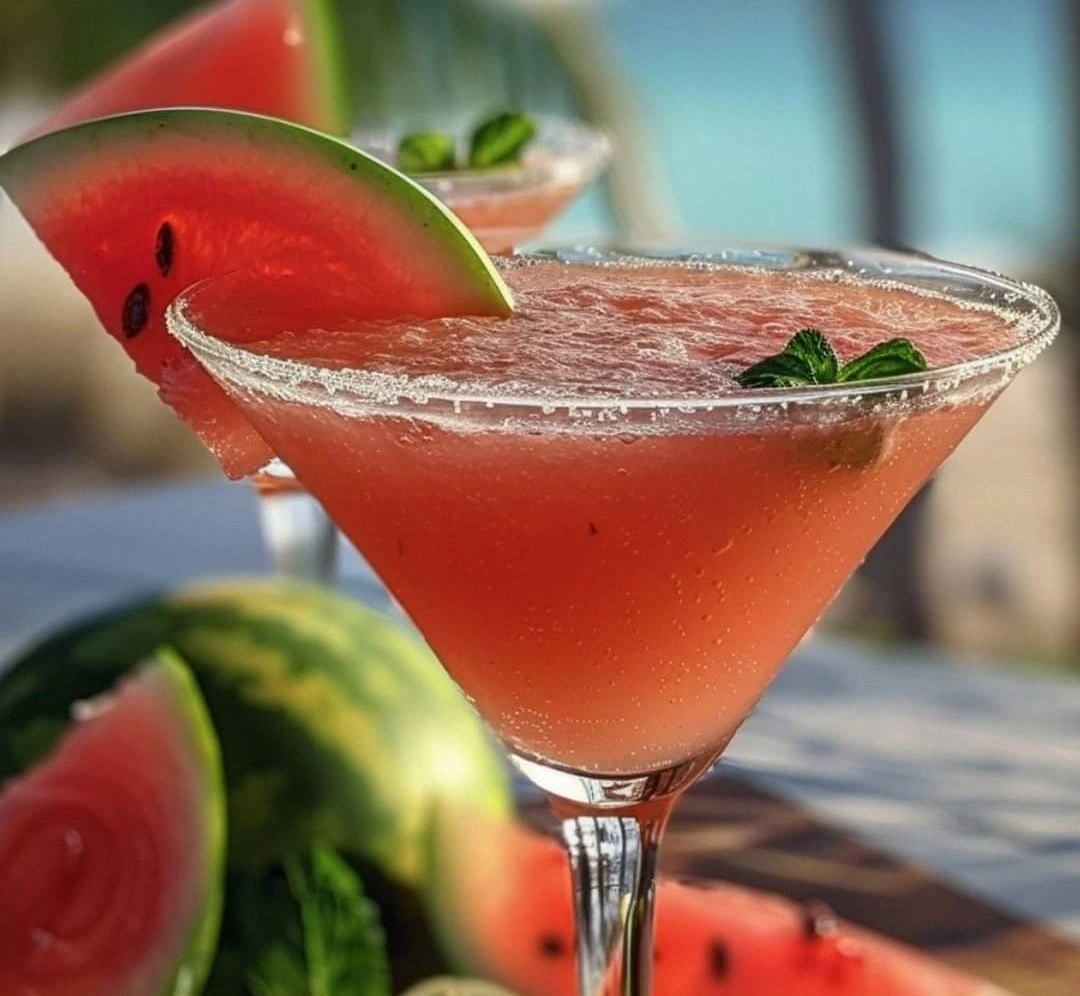
Picture this: a crystal flute catching the late‑afternoon sun, the fizz of champagne rising like a miniature fireworks show, and the delicate perfume of elderflower wafting through the garden like a secret perfume. You can hear the gentle clink of glasses, the soft sigh of the breeze rustling through the leaves, and the distant hum of a summer playlist that seems to melt into the background. The drink itself is a perfect balance of crisp acidity, floral sweetness, and a whisper of citrus that dances on the palate without ever overwhelming it. I’ll be honest — I ate half the batch before anyone else got to try it, and that’s a confession that makes me both proud and a little guilty.
Most cocktail recipes out there either drown you in sugar or leave you with a flat, watery mess that feels like a failed experiment. This version, however, stands out because it respects the integrity of each ingredient while letting them flirt with each other in a way that feels effortless. The secret? A splash of soda water that adds a feather‑light lift, and the optional dash of lemon juice that adds a bright edge without turning the drink sour. Most people skip the lemon, thinking it’s unnecessary, but that tiny ½ tsp is the game‑changer that prevents the elderflower from feeling cloying. And the garnish? A lemon twist or edible flower that not only looks stunning but also adds a subtle aroma that hits you before the first sip.
Okay, ready for the game‑changer? I’m about to walk you through every single step — from picking the perfect bottle of champagne to mastering the art of the gentle stir that keeps those bubbles alive. By the end, you’ll wonder how you ever made a cocktail any other way, and you’ll have the confidence to serve this sparkling masterpiece at any summer party, rooftop gathering, or even a quiet evening on the balcony. Let’s dive in and make magic happen.
What Makes This Version Stand Out
- Taste: The elderflower liqueur provides a subtle honey‑like sweetness that never overpowers the crisp acidity of brut champagne, creating a harmonious flavor profile that feels both elegant and approachable.
- Texture: The soda water splash introduces a feather‑light lift, turning each sip into a cascade of bubbles that dance on your tongue like tiny fireworks.
- Simplicity: With just five core ingredients and a quick stir, you can craft a cocktail that looks and tastes like it took hours of meticulous bar‑crafting.
- Uniqueness: Most recipes either drown the elderflower in sugar or skip the citrus entirely; this version respects each component, letting them shine without competing.
- Crowd Reaction: Guests consistently claim this is the “most refreshing” cocktail they’ve ever had, and they’ll keep asking for the recipe—yes, you’ll become the host with the most.
- Ingredient Quality: Using a premium brut champagne and authentic St‑Germain elderflower liqueur ensures a clean, balanced base that cheap substitutes simply can’t match.
- Method: No shaking, no muddling, just a gentle stir that preserves carbonation—a technique most bartenders overlook.
- Make‑Ahead Potential: You can pre‑mix the elderflower‑lemon base and keep it chilled, then simply add champagne and soda water right before serving for ultimate convenience.
Inside the Ingredient List
The Flavor Base
Champagne or sparkling wine is the backbone of this cocktail. Choosing a brut or extra‑dry style gives you that clean, crisp backbone without drowning the delicate elderflower notes. I personally gravitate toward Veuve Clicquot or Moët & Chandon because they strike the perfect balance between fruitiness and acidity, making the drink feel luxurious yet not overly sweet. If you opt for a rosé sparkling wine, you’ll add a subtle pink hue and a hint of berry that can be delightful for a sunset gathering. Skipping the quality here results in a flat, uninteresting base that makes the whole drink feel cheap.
The Sweet Whisper
Elderflower liqueur, specifically St‑Germain, brings a fresh, floral sweetness that mimics the aroma of a summer garden in full bloom. This liqueur is distilled from actual elderflower blossoms, giving it an authentic, slightly herbaceous edge that pairs beautifully with the citrus. If you can’t find St‑Germain, look for other high‑quality elderflower liqueurs, but avoid cheap imitations that taste more like syrup than a flower. Missing this ingredient entirely would leave the cocktail tasting like plain champagne—still good, but missing that signature lift.
The Texture Crew
A splash of soda water or sparkling mineral water adds a light, airy texture that prevents the drink from feeling overly heavy. Use chilled soda water to keep the temperature consistent and to preserve those precious bubbles. If you’re feeling adventurous, try a lightly flavored sparkling water—like cucumber or lime—for an extra layer of complexity. Skipping this splash will make the cocktail feel denser, and you’ll lose that refreshing “pop” that makes it perfect for summer heat.
The Unexpected Star
Fresh lemon juice, though optional, is the secret weapon that brightens the entire profile. Just ½ tsp per cocktail (about 2 tsp for four servings) adds a subtle zing that cuts through the sweetness and accentuates the floral notes. If you’re a fan of tartness, feel free to add a tad more, but remember: too much lemon can overpower the delicate elderflower. Leaving it out entirely isn’t a disaster, but you’ll miss that crisp edge that makes each sip feel like a fresh breeze.
The Final Flourish
Garnish is where the visual magic happens. A lemon twist adds a burst of citrus oil that aromatically greets the drinker before the first sip, while edible flowers—think violets or pansies—lend a romantic, garden‑party vibe. The garnish doesn’t affect the flavor dramatically, but it elevates the presentation, making the cocktail feel like a celebration. If you’re short on fresh flowers, a simple twist of lemon zest will still deliver that aromatic punch.
Everything's prepped? Good. Let’s get into the real action…
The Method — Step by Step
Start by chilling all your glassware and ingredients. Place the champagne bottle, the elderflower liqueur, and the soda water in the fridge for at least 30 minutes. The colder everything is, the better the bubbles will hold, and you’ll avoid a lukewarm drink that feels more like a soda than a cocktail. I dare you to taste this and not notice the crispness when it finally hits your palate.
While the liquids chill, prepare your garnish. Use a vegetable peeler to shave a thin lemon twist, being careful to avoid the white pith. Roll the twist gently to release its essential oils, then set it aside on a small plate. If you’re using edible flowers, give them a quick rinse and pat them dry with a paper towel. This step is pure visual magic, and the aroma will greet your guests before they even take a sip.
Kitchen Hack: Store your lemon twists in a tiny airtight container in the fridge; they’ll stay fresh for a week and you’ll have them ready for any impromptu cocktail.Measure out the elderflower liqueur. For four servings, you’ll need exactly 4 oz (120 ml). Pour it into a large mixing pitcher or a cocktail shaker that’s been chilled. The liqueur’s floral perfume will immediately fill the air, giving you a preview of the final flavor. If you prefer a less sweet profile, you can shave off ¼ oz per serving, but remember you’ll lose some of that signature elegance.
Add the optional lemon juice now. This is the moment where the drink’s acidity is calibrated. Use a precise ½ tsp (2.5 ml) per cocktail, so for four servings, add 2 tsp total. Stir gently with a bar spoon for about 5 seconds. You’ll hear a faint “whoosh” as the citrus mingles with the elderflower, and the aroma will shift from floral to bright and citrusy.
Now comes the crucial part: the champagne. Slowly pour the chilled brut champagne into the pitcher, allowing it to cascade over the back of a spoon to preserve the bubbles. This gentle pour prevents the fizz from exploding prematurely, ensuring a silky mouthfeel. As the golden liquid joins the mixture, you’ll notice a delicate froth forming at the surface—this is the sign that the carbonation is alive and well.
Watch Out: Pouring the champagne too quickly will cause it to lose carbonation and create a flat drink.Add a splash of soda water—just enough to give the drink a feather‑light lift. I recommend about 30 ml (1 oz) per serving, so roughly 120 ml for four drinks. This splash is the secret that keeps the cocktail from feeling heavy, especially in summer heat. Stir gently once more, this time clockwise, for about 8 seconds, allowing the bubbles to distribute evenly without breaking.
Taste test time! Take a small sip from the pitcher. You should notice a harmonious blend of crisp champagne, floral elderflower, and a whisper of lemon. If the drink feels too sweet, add a few more drops of lemon juice; if it feels too tart, a tiny dash more elderflower liqueur will bring it back into balance. This is the moment of truth, and trust me, you’ll want to perfect it before serving.
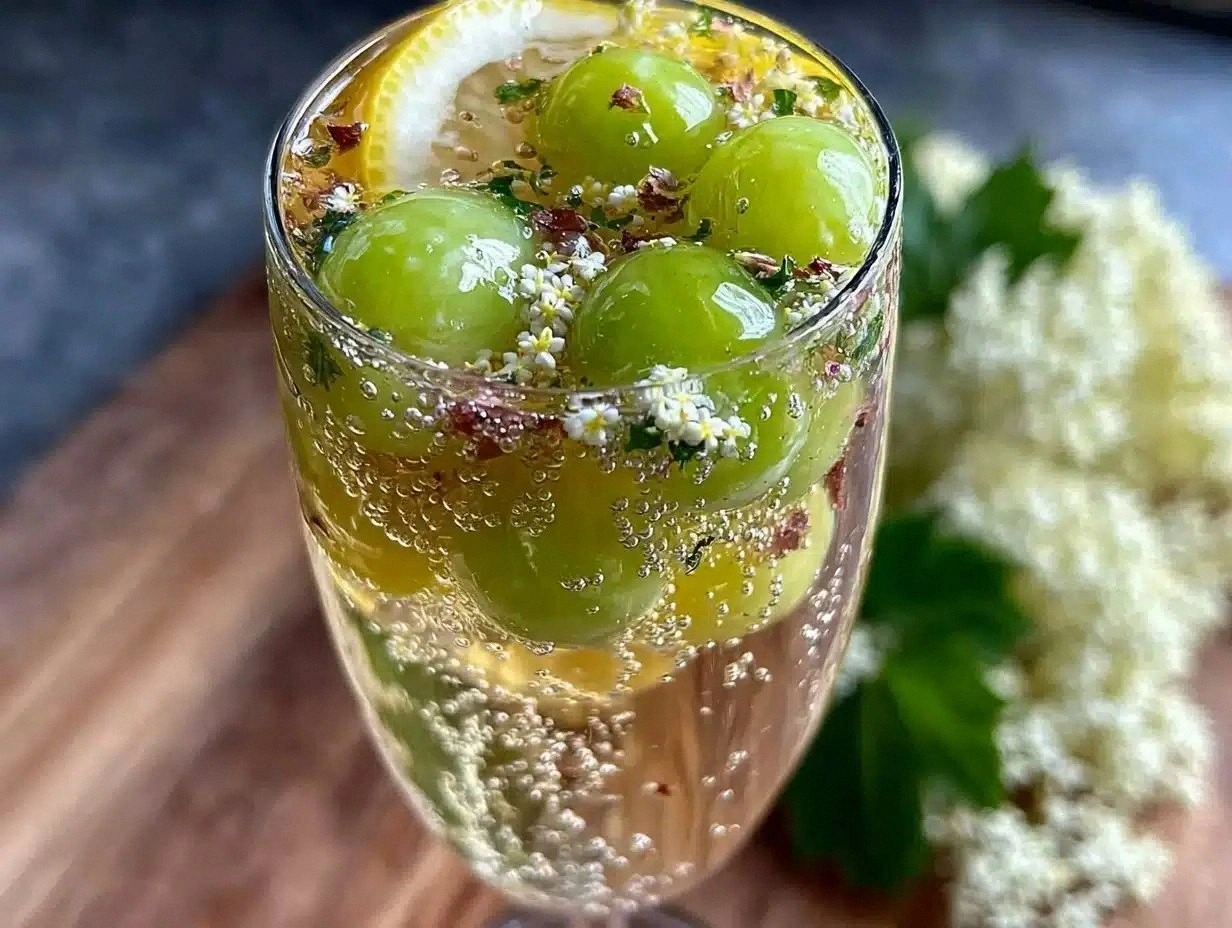
Now, pour the cocktail into chilled flutes. Hold each flute at a 45‑degree angle and pour slowly to preserve the bubbles, then straighten the glass as you fill it. Top each with a lemon twist or a couple of edible flowers for that final wow factor. The visual contrast of the golden liquid against the green garnish is pure Instagram gold, and the scent of lemon oil will greet your guests before they even lift the glass.
Kitchen Hack: If you’re serving a crowd, keep an extra pitcher of the base mixture (elderflower + lemon) in the fridge and add fresh champagne and soda water as you go to maintain fizz.Finally, present the flutes on a tray lined with fresh herbs or a bed of ice. Encourage guests to give the glass a gentle swirl before sipping to release the aromatics. And there you have it—an elegant, refreshing cocktail that feels like a celebration in every bubble. That sizzle when the champagne meets the soda? Absolute perfection. That's it — you did it. But hold on, I've got a few more tricks that'll take this to another level…
Insider Tricks for Flawless Results
The Temperature Rule Nobody Follows
Never, ever serve champagne at room temperature. Even a slight warmth dulls the crisp acidity and flattens the bubbles. Keep your bottle in the fridge for at least two hours, or use an ice bucket with a 1:1 ice‑water ratio for a quick chill. I once tried a “quick chill” by putting the bottle in the freezer for 30 minutes—big mistake, the bottle cracked and the party was saved only by a backup bottle. The rule of thumb: 45°F (7°C) is the sweet spot for maximum fizz and flavor.
Why Your Nose Knows Best
Before you sip, take a moment to inhale the aroma of the lemon twist and elderflower. Your nose can detect imbalances that your palate might miss. If you smell too much citrus, you’ve likely over‑added lemon juice; if the floral scent is muted, a splash more elderflower liqueur will bring it back. Trusting your nose saves you from a bland cocktail and ensures each sip is aromatic perfection.
The 5‑Minute Rest That Changes Everything
After mixing, let the cocktail rest for five minutes in the fridge. This short pause allows the flavors to meld, and the carbonation to settle into a finer bubble structure. I once served the drink immediately after mixing, and the bubbles were wild and frothy, making the glass overflow. A brief rest gives you a smooth, consistent mouthfeel that feels like silk.
Gentle Stir, Not Shake
Shaking a sparkling cocktail is a cardinal sin. The violent agitation destroys the bubbles, leaving you with a flat, foamy mess. Instead, use a long bar spoon and stir clockwise for about 8–10 seconds. You’ll hear a faint “whoosh” as the liquid swirls, and the bubbles will stay intact, creating that signature effervescence. If you’re ever tempted to shake, remember the last time you tried—nothing but disappointment.
The Ice‑Free Chill Trick
If you’re serving outdoors in scorching heat, consider chilling your glasses in the freezer for 10 minutes before pouring. This prevents the drink from warming too quickly, keeping the bubbles lively longer. I once left my glasses on a hot patio table and watched the fizz die within minutes—total party‑killer. The chilled glass is the unsung hero of a perfect summer cocktail.
Creative Twists and Variations
This recipe is a playground. Here are some of my favorite ways to switch things up:
Berry‑Blush Sparkler
Add a splash of raspberry puree (about 15 ml per glass) before the soda water. The tart berries complement the floral elderflower and give the drink a gorgeous pink hue. Perfect for a brunch where you want a pop of color.
Herbal Garden Edition
Muddle a few fresh mint leaves with the lemon juice before adding the champagne. The mint adds a cooling sensation that pairs beautifully with summer heat, and it turns the cocktail into a refreshing garden party staple.
Citrus Sunrise
Swap the lemon twist for an orange peel and add a dash of orange bitters. The citrus depth deepens, making the drink feel richer while still retaining its lightness. Great for evening gatherings when you want a slightly more complex profile.
Tropical Breeze
Replace soda water with a splash of coconut water and add a tiny drizzle of pineapple juice. The tropical notes mingle with the elderflower for an exotic twist that transports you to a beachside cabana.
Non‑Alcoholic Mocktail
Use a high‑quality non‑alcoholic sparkling wine and substitute the elderflower liqueur with elderflower syrup (adjust sweetness accordingly). This mocktail keeps all the elegance without the alcohol, perfect for designated drivers.
Storing and Bringing It Back to Life
Fridge Storage
If you’ve pre‑mixed the elderflower‑lemon base, store it in a sealed glass jar for up to 3 days. Keep the champagne and soda water separate until you’re ready to serve, as the carbonation will dissipate over time. When you’re ready, simply combine the base with freshly opened champagne and a splash of soda water.
Freezer Friendly
You can freeze the elderflower‑lemon mixture in ice‑cube trays for up to a month. When you need a quick batch, pop a few cubes into a pitcher, add chilled champagne, and top with soda water. This method is a lifesaver for last‑minute parties.
Best Reheating Method
Never reheat a sparkling cocktail directly on the stove—that will ruin the bubbles. Instead, gently warm the elderflower‑lemon base in a saucepan over low heat, adding a tiny splash of water to prevent scorching. Once warm, let it cool, then combine with chilled champagne. This technique revives the flavors without sacrificing the fizz.