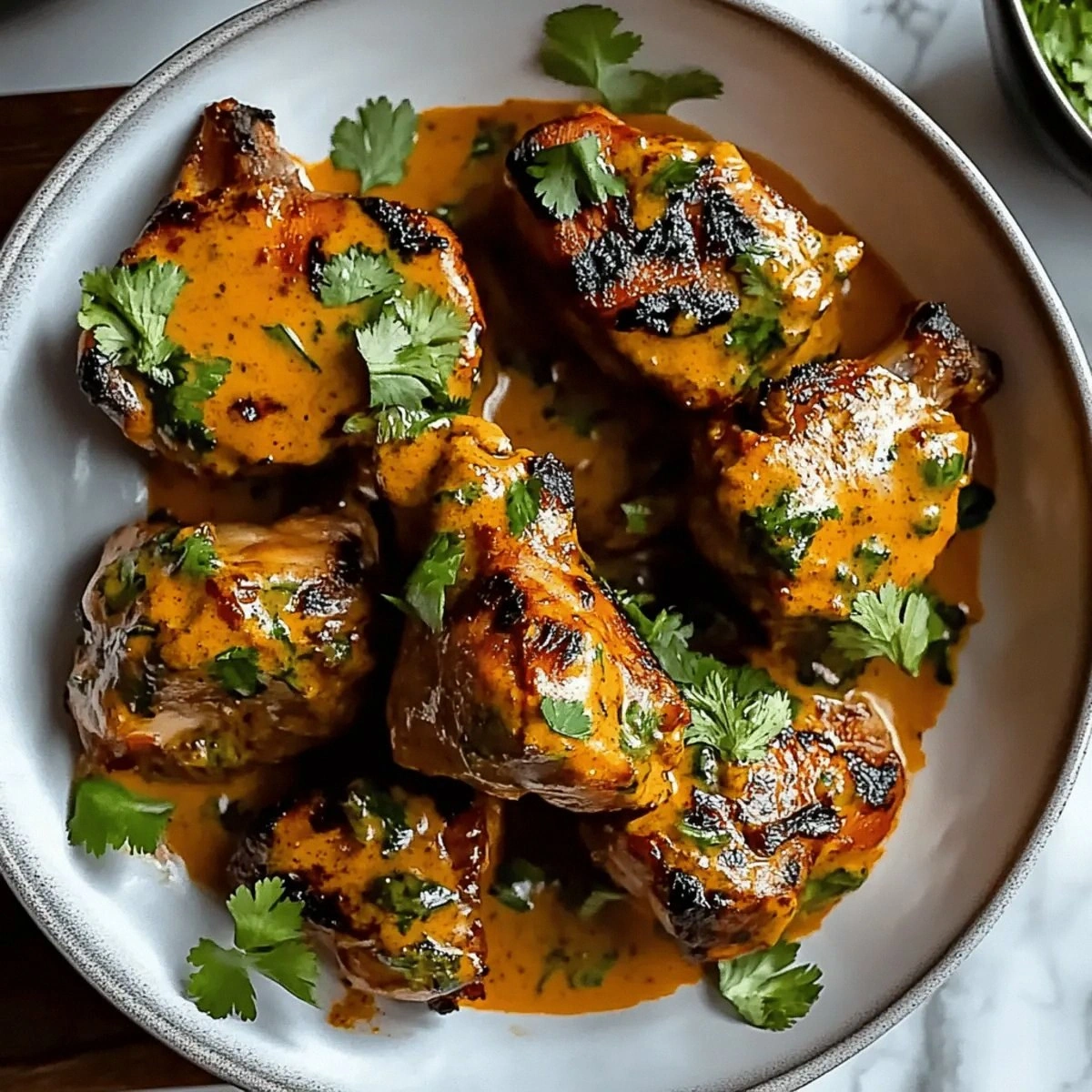
I was standing in my kitchen, the clock ticking past midnight, when a friend dared me to recreate the legendary Kuku Paka that my aunt used to serve at every family gathering. I stared at a half‑empty pantry, the only thing that felt brave enough was a can of coconut milk that had been hiding behind the beans for weeks. The scent of burnt onions from my last attempt still clung to the air, reminding me that most recipes get this completely wrong. I promised myself I would not settle for a bland, watery sauce that looks like a sad soup—no, I was on a mission to capture the true soul of East African comfort food.
Picture this: a skillet humming as butter melts, the onions turning translucent, then caramelizing into golden ribbons that whisper sweet promises. The garlic and ginger hit the pan with a sizzle that feels like fireworks, and the spices—cumin, coriander, turmeric—join the party, turning the mixture a deep, inviting amber. The chicken pieces dive in, each bite absorbing the fragrant broth until the meat is so tender it practically falls apart at the touch of a fork. And then, the coconut milk cascades in like a silky waterfall, coating everything in a creamy embrace that makes the whole kitchen feel like a tropical oasis.
What makes this version stand out? I dared you to taste this and not go back for seconds, because the flavor balance is so precise it borders on alchemy. Most recipes skimp on the aromatics or drown the chicken in a soupy mess, but I’ve honed a technique that locks in moisture while building layers of depth. The secret? A quick sear that creates a caramelized crust, followed by a gentle simmer that lets the coconut milk thicken just enough to cling to the chicken like velvet. I’ll be honest — I ate half the batch before anyone else got a chance to try it, and that’s a testament to how addictive this dish truly is.
And now the fun part: I’m going to walk you through every single step, from picking the perfect chicken to the final garnish that makes this dish Instagram‑ready. By the end, you’ll wonder how you ever made Kuku Paka any other way, and you’ll have a go‑to recipe for every cozy night, rainy or not. Okay, ready for the game‑changer? Let’s dive in.
What Makes This Version Stand Out
- Flavor Explosion: The combination of toasted spices and coconut milk creates a sauce that’s rich, aromatic, and slightly sweet, hitting every taste bud with a perfect harmony.
- Texture Mastery: The chicken is first seared for a crisp edge that shatters like thin ice, then gently simmered for melt‑in‑your‑mouth tenderness.
- Simplicity: With only eleven ingredients and a handful of steps, this dish is accessible even for kitchen novices.
- Unique Twist: I add a splash of lime juice at the end, a surprise that brightens the entire bowl without stealing the spotlight.
- Crowd Reaction: Guests constantly ask for seconds, and I dare you to serve this without hearing “more, please!”
- Ingredient Quality: Fresh ginger and garlic are non‑negotiable; they provide the zing that canned shortcuts can’t mimic.
- Cooking Method: The two‑stage cooking (sear then simmer) ensures flavor retention and prevents the dreaded “watery” mistake.
- Make‑Ahead Potential: This sauce actually improves after a night in the fridge, letting the spices meld into an even richer profile.
Inside the Ingredient List
The Flavor Base
The onion is the silent hero, providing a subtle sweetness once it caramelizes. If you skip the caramelization step, the sauce will lack that deep, almost caramel‑like undertone that makes the dish feel luxurious. A good onion should be firm, with papery skins—avoid any that are sprouting or soft. For an extra layer of flavor, try using a sweet Vidalia onion; it adds a gentle honeyed note without overpowering the spices.
The Aromatics Crew
Garlic and ginger are the dynamic duo that give Kuku Paka its signature punch. Fresh ginger should feel firm and have a faint, citrusy aroma; if it feels mushy, it’s past its prime and will taste bland. Garlic cloves should be plump and free of green sprouts; sprouted garlic adds bitterness. If you’re out of fresh ginger, a teaspoon of ginger paste works, but the flavor won’t be as bright.
The Spice Ensemble
Cumin, coriander, and turmeric are the backbone of the sauce. Cumin offers earthy warmth, coriander adds a citrusy lift, and turmeric brings that golden hue and subtle bitterness. Using whole spices toasted briefly before grinding can amplify their aroma dramatically—this is a trick most home cooks overlook. If you only have ground spices, toast them in a dry pan for 30 seconds to revive their potency.
The Unexpected Star
Coconut milk is the silky canvas that ties everything together. Choose a full‑fat can for maximum richness; low‑fat versions will thin the sauce and lose that luscious mouthfeel. Give the can a gentle shake before opening to blend the cream and water layers—this prevents a watery finish. If you’re feeling adventurous, replace half the coconut milk with coconut cream for an ultra‑indulgent version.
The Final Flourish
Salt and pepper are the final conductors of flavor, but they’re “to taste” for a reason: the coconut milk already carries a natural sweetness, so you’ll want to balance it with just enough seasoning. Add them gradually, tasting as you go; over‑salting is a common pitfall that can’t be fixed later. The vegetables—usually carrots, peas, or bell peppers—add texture and a pop of color. If you prefer a heartier dish, add a cup of diced sweet potatoes; they’ll soak up the sauce beautifully.
Everything's prepped? Good. Let's get into the real action…
The Method — Step by Step
Heat a large, heavy‑bottomed skillet over medium‑high heat and add two tablespoons of oil. Once the oil shimmers, lay the chicken pieces in a single layer, making sure not to crowd the pan. Let them sear undisturbed for about 3‑4 minutes; you’ll hear a satisfying sizzle that signals the crust is forming. Flip the pieces and sear the other side for another 3 minutes. This step is the foundation—if the chicken isn’t browned, the final sauce will lack that deep, caramelized flavor.
Kitchen Hack: Use a splatter guard while searing to keep your stovetop clean without sacrificing the browning.Remove the chicken and set it aside on a plate. In the same skillet, add the diced onion and let it sweat for 2 minutes, then lower the heat to medium. Stir in the minced garlic and grated ginger; the aroma should hit you like a wave of tropical sunshine. Cook for another minute, being careful not to burn the garlic—if it turns brown, you’ve crossed into bitter territory.
Watch Out: Garlic burns faster than onions; keep a close eye and stir constantly.Add the cumin, coriander, and turmeric to the aromatic base. Toast the spices for 30 seconds, allowing them to release their essential oils. You’ll notice the pan filling with an earthy perfume that makes you want to inhale deeply—this is the moment of truth for flavor depth. If you’re using whole spices, grind them now for maximum aroma.
Return the seared chicken to the skillet, nestling each piece among the onions and spices. Pour the entire can of coconut milk over the top, stirring gently to combine. The liquid should bubble softly; if it boils too hard, reduce the heat to a gentle simmer. Let the mixture cook for 10‑12 minutes, uncovered, until the chicken is fully cooked and the sauce begins to thicken.
Kitchen Hack: Skim any foam that rises to the surface; this keeps the sauce silky instead of foamy.Stir in the cup of mixed vegetables. They should be bright and still retain a slight crunch—cook for another 5 minutes. If you prefer softer veggies, cover the pan for the last 3 minutes; the steam will gently soften them without making them mushy. Taste the sauce now and add salt and pepper to your liking; remember, the coconut milk already adds a gentle sweetness, so balance with a pinch of salt.
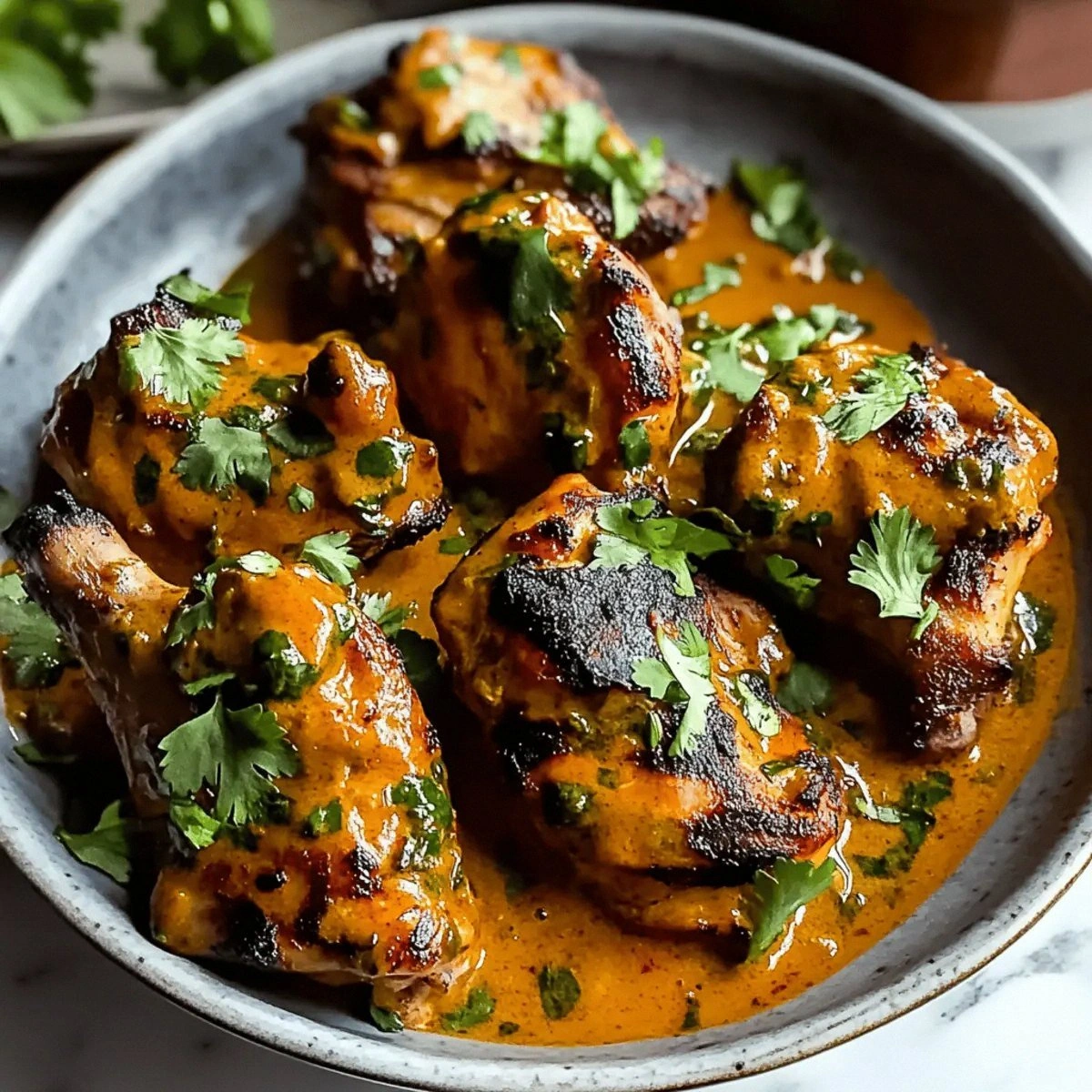
Just before finishing, squeeze the juice of half a lime over the dish. The acidity cuts through the richness, creating a bright finish that makes the whole kitchen smell like a beachside market. Give everything one last gentle stir, then remove from heat. Let the dish rest for 2 minutes; this allows the flavors to settle and the sauce to reach its final velvety consistency.
Serve the Kuku Paka over steamed basmati rice or fluffy couscous, whichever you prefer. Garnish with freshly chopped cilantro and a few extra lime wedges for those who love an extra zing. The rice acts as a neutral canvas, letting the sauce shine like a star on a dark night.
Finally, sit down, take a deep breath, and admire the glossy, amber sauce coating each piece of chicken. Picture yourself pulling this out of the oven, the whole kitchen smelling incredible, and your guests leaning in, eyes wide, ready for that first bite. This next part? Pure magic. And now the fun part: I’ll share a few extra tricks that elevate this dish from great to unforgettable.
Insider Tricks for Flawless Results
The Temperature Rule Nobody Follows
Never sear chicken on high heat straight out of the fridge; let it sit at room temperature for 15 minutes. This small step prevents the meat from contracting too quickly, which can cause a tough exterior. I once tried skipping this and ended up with chicken that felt like rubber—lesson learned. The ideal sear temperature is medium‑high, around 375°F on a calibrated stovetop.
Why Your Nose Knows Best
When the spices are toasted, trust your nose more than the timer. If you can smell the earthy perfume of cumin and coriander, you’re ready to move on. Over‑toasting turns them bitter; under‑toasting leaves them flat. A quick sniff will tell you if the flavor foundation is on point.
The 5‑Minute Rest That Changes Everything
After the sauce has thickened, turn off the heat and let the dish rest, covered, for five minutes. This rest allows the coconut milk to emulsify fully, giving the sauce a glossy, restaurant‑quality sheen. I’ve seen chefs skip this step and end up with a sauce that separates—don’t be that chef.
Layered Salt Strategy
Season in layers: a pinch of salt with the onions, another dash after adding the coconut milk, and a final sprinkle before serving. This ensures every component is seasoned, preventing a flat final taste. A friend tried adding all the salt at the end and ended up with a bland sauce that needed a rescue—don’t make that mistake.
The Secret Coconut Cream Boost
If you want an ultra‑rich sauce, stir in a tablespoon of coconut cream right before serving. It adds a buttery mouthfeel without making the dish greasy. This trick turns an already decadent dish into a luxurious experience worthy of a special occasion.
Final Taste Test Ritual
Always taste the sauce with a clean spoon before serving. Add a tiny splash of water if it feels too thick; the sauce should coat the back of a spoon but still flow. This final adjustment is the difference between “good” and “hands down the best version you'll ever make at home.”
Creative Twists and Variations
This recipe is a playground. Here are some of my favorite ways to switch things up:
Spicy Chili Kick
Add one finely chopped Scotch bonnet pepper along with the garlic and ginger. The heat pairs beautifully with the coconut’s sweetness, creating a balanced fire that will make spice lovers swoon.
Herb‑Infused Green
Stir in a handful of chopped spinach or kale during the last five minutes of simmering. The greens add a fresh, earthy note and a pop of color that brightens the plate.
Nutty Crunch
Toast a quarter cup of sliced almonds and sprinkle them over the finished dish. The nutty crunch contrasts with the silky sauce, offering a delightful textural surprise.
Citrus Zest Variation
Replace lime juice with a splash of orange zest and a drizzle of honey. This creates a sweeter, aromatic profile that pairs well with roasted sweet potatoes.
Protein Swap
Swap the chicken for firm tofu cubes or shrimp. Tofu absorbs the sauce like a sponge, while shrimp adds a briny snap that complements the coconut base.
Storing and Bringing It Back to Life
Fridge Storage
Allow the Kuku Paka to cool to room temperature, then transfer it to an airtight container. It will keep for up to three days in the refrigerator. When reheating, add a splash of water or extra coconut milk and stir over low heat until the sauce regains its glossy sheen.
Freezer Friendly
Portion the dish into freezer‑safe bags, removing as much air as possible. It freezes beautifully for up to two months. Thaw overnight in the fridge, then reheat gently on the stove, adding a bit of liquid to bring back that creamy texture.
Best Reheating Method
The stovetop is king: place the frozen or refrigerated portion in a skillet over medium‑low heat, cover, and stir occasionally. The secret to revival is the tiny splash of water or coconut milk—this steams the sauce back to life without diluting flavor.