I was halfway through a midnight snack frenzy when the stove alarm blared, and I realized I’d forgotten to season my mushrooms. The pan hissed, the onions were burning, and my kitchen smelled like regret. I stared at the ruined veggies, thinking, “What am I going to do?” Then, in a moment of culinary desperation, I remembered a recipe I’d skimmed months ago—Savory Miso Glazed Mushrooms. I dare you to taste this and not go back for seconds.
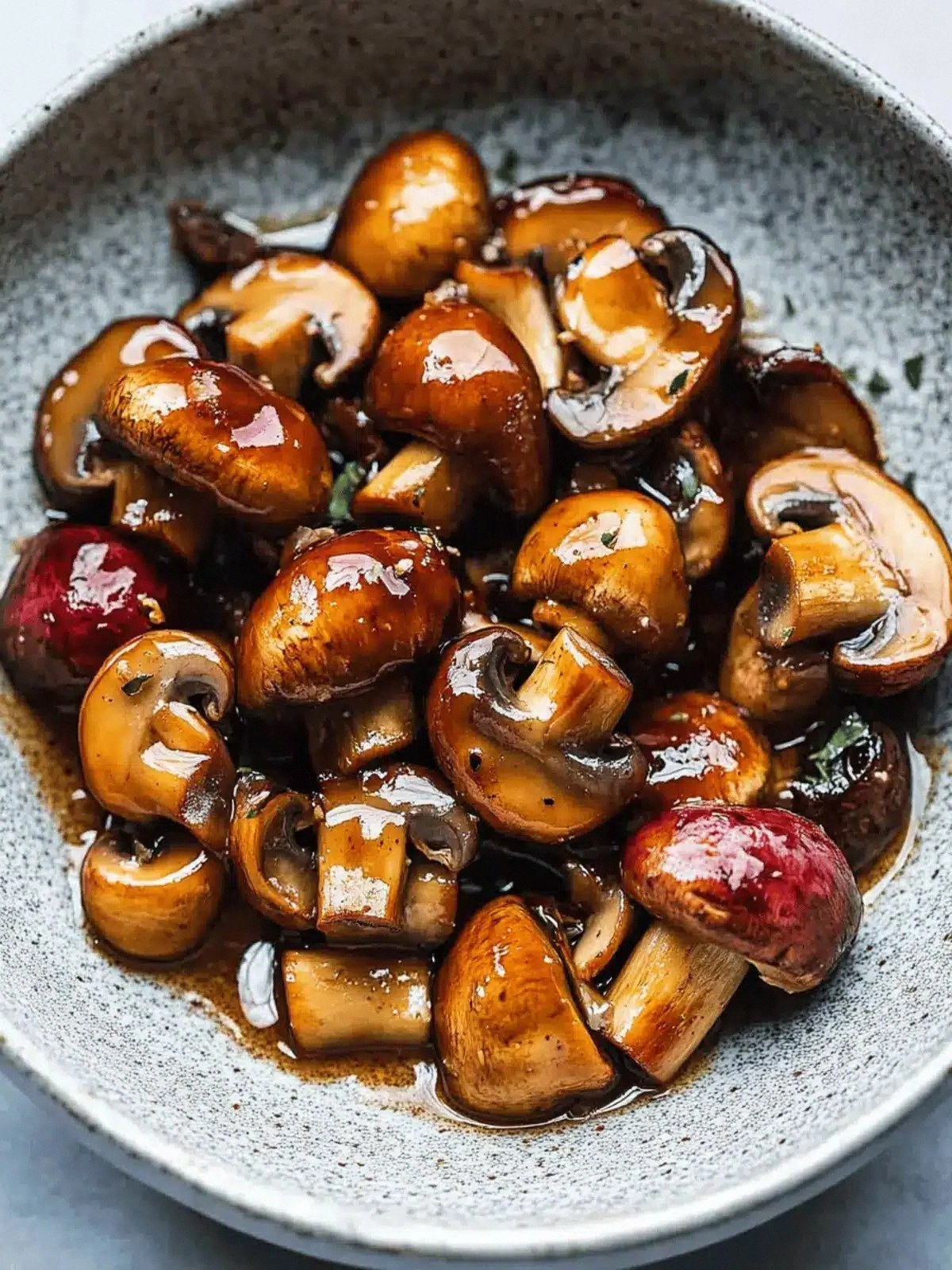
That instant of panic turned into a revelation. The aroma of sautéed onions mingled with the sharpness of tamari, and I could almost taste the sweet-salty glaze coating the mushrooms like velvet. The sizzling sound was a promise of transformation, a cue that the dish was about to leap from disaster to delight. My taste buds tingled with anticipation, and the visual contrast of glossy mushrooms against the dark pan was a feast for the eyes. I realized that this wasn’t just a recipe; it was a rescue mission for a ruined dinner.
What makes this version stand out is a single ingredient that changes everything. A spoonful of miso paste, whisked into the glaze, adds depth and umami that turns ordinary mushrooms into a flavor powerhouse. The technique of creating a smooth arrowroot slurry ensures the sauce clings to each cap without becoming syrupy. This combination of savory, sweet, and a hint of tang is a flavor symphony that most mushroom recipes never attempt. The result is a dish that feels luxurious yet is incredibly approachable.
Picture yourself pulling this out of the oven, the whole kitchen smelling incredible, and the first bite sending a wave of satisfaction through your palate. The crusty edges crackle like thin ice, and the tender interior melts in your mouth. I know you’ll be tempted to eat the entire batch before anyone else gets a bite. Let me walk you through every single step—by the end, you’ll wonder how you ever made it any other way.
What Makes This Version Stand Out
- Umami Explosion: The miso paste infuses the mushrooms with a deep, savory richness that feels like a secret sauce you never knew you needed. It turns simple caps into a gourmet experience that satisfies even the most discerning palate.
- Sweet‑Savory Balance: The maple syrup and tamari create a glaze that is sweet enough to caramelize but salty enough to anchor the flavor profile. The contrast keeps each bite exciting, preventing the dish from becoming cloying.
- Texture Perfection: The arrowroot slurry gives the glaze a silky sheen and a light, almost glassy finish that clings to the mushrooms without weighing them down. It’s the difference between a soggy side and a glossy masterpiece.
- Speed and Simplicity: In just 45 minutes, you go from raw ingredients to a plate that looks as good as it tastes. The recipe requires no fancy equipment—just a skillet, a whisk, and a bit of patience.
- Versatility: Serve these glazed mushrooms as an appetizer, a side for steak, or a topping for rice bowls. The flavor is bold enough to stand alone, yet subtle enough to complement other dishes.
- Make‑Ahead Friendly: The glaze holds up well when refrigerated, making it a perfect prep‑in‑advance option for busy weeknights or dinner parties.
Inside the Ingredient List
The Flavor Base
Tamari: This dark, gluten‑free soy sauce provides a robust umami foundation. Its slightly sweeter profile compared to regular soy sauce ensures the glaze doesn’t become overly salty. If you skip tamari, the dish loses depth; the miso will have to carry the flavor alone, which can feel flat.
Apple Cider Vinegar: A splash of acidity lifts the sweetness of the maple syrup and balances the richness of the mushrooms. Without it, the glaze can taste cloyingly sweet. If you prefer a milder tang, replace it with rice vinegar or a dash of lemon juice.
The Texture Crew
Mushrooms: Fresh button mushrooms are the star; their firm texture holds up to the glaze without falling apart. Choosing a slightly older mushroom gives a nuttier flavor, while a younger one offers a cleaner, milder taste. If you’re using a different variety, like shiitake, adjust the cooking time to avoid over‑sautéing.
Onion: The onion adds a sweet, caramelized backdrop that complements the savory glaze. Cutting it into thin slices ensures even cooking and a harmonious blend of flavors. Skipping the onion will leave the dish feeling one‑dimensional.
The Unexpected Star
Miso Paste: This fermented soybean paste is the secret sauce that elevates the dish. It brings depth, saltiness, and a subtle nutty undertone that pairs perfectly with maple syrup. If you can’t find miso, try a tablespoon of hoisin sauce, but be aware it will alter the flavor profile.
The Final Flourish
Arrowroot Powder: This starch creates a glossy, non‑gelatinous coating that gives the glaze its signature sheen. It’s also gluten‑free and has a neutral taste, making it ideal for a clean finish. Without arrowroot, the glaze would be thick and clumpy, clinging to the pan rather than the mushrooms.
Maple Syrup: The natural sweetness of maple syrup balances the savory elements without overpowering them. It caramelizes beautifully, creating a subtle crust on the mushrooms. If you’re avoiding sugar, a tablespoon of honey can be a suitable substitute, though it will introduce a floral note.
Everything's prepped? Good. Let's get into the real action...
The Method — Step by Step
- Prepare the pan. Heat a large skillet over medium‑high heat and add a splash of neutral oil. Watch the oil shimmer; that’s the cue that the pan is ready. I always keep a small spatula handy to flip the mushrooms. If the oil starts smoking, lower the heat immediately.
- Start the aromatics. Toss the chopped onion into the pan and let it sizzle until translucent, about 2 minutes. The onion’s sugars are beginning to caramelize, creating a sweet base. Keep the heat steady; too high and the onions will burn. This step sets the stage for the glaze.
- Add the mushrooms. Spread the button mushrooms in a single layer, caps down. Let them sear for 3–4 minutes until they release their moisture and begin to brown. Flip them gently; you want a golden crust on both sides. If the pan gets crowded, cook in batches to avoid steaming.
- Whisk the glaze. In a small bowl, combine tamari, miso paste, apple cider vinegar, maple syrup, and water. Whisk until the miso dissolves completely. The mixture should be smooth; if you see lumps, strain it through a fine sieve.
- Create the arrowroot slurry. In a separate cup, mix the arrowroot powder with a tablespoon of cold water until fully dissolved. This prevents clumps and ensures a glossy finish. Set aside; you’ll add it in step 7.
- Deglaze and simmer. Pour the glaze over the mushrooms, stirring to coat each cap. The mixture should sizzle and bubble, pulling up any browned bits from the pan. Let it simmer for 5 minutes, allowing the flavors to meld. Watch Out: Be careful not to let the glaze boil too hard; it can scorch and develop a bitter taste.
- Add the arrowroot slurry. Stir the arrowroot mixture into the pan, whisking constantly to avoid lumps. The sauce will thicken almost instantly, coating the mushrooms like a silky glaze. Keep the heat low to prevent the mixture from breaking.
- Finish with a quick sear. Increase the heat slightly and let the mushrooms sear for an additional minute, ensuring the glaze caramelizes to a glossy finish. The edges should pull away slightly, indicating a perfect caramelization. This is the moment of truth.
- Plate and garnish. Transfer the mushrooms to a serving dish and sprinkle with fresh chopped parsley or a dash of sesame seeds for color. The aroma will be irresistible, and the visual contrast will make the dish Instagram‑ready.
- Serve immediately. The glaze is best when hot and glossy; it will thicken as it cools. If you need to keep it warm, place the dish in a low‑heat oven (around 200°F) until ready to serve. The first bite will melt in your mouth, and you’ll be tempted to devour the entire plate.
That’s it — you did it. But hold on, I’ve got a few more tricks that’ll take this to another level.
Insider Tricks for Flawless Results
The Temperature Rule Nobody Follows
Keep the heat moderate. A high flame can cause the sauce to scorch and the mushrooms to dry out. I’ve learned that a steady medium heat yields the best caramelization. If your stove runs hot, reduce the flame immediately. This small adjustment ensures a silky glaze that clings to every cap.
Why Your Nose Knows Best
Smell the sauce. A fragrant, caramelized aroma signals that the glaze has reached the perfect thickness. If it smells too sweet, add a splash of vinegar. If it’s too salty, a pinch of sugar will balance it out. Trust your nose; it’s the most reliable guide in the kitchen.
The 5-Minute Rest That Changes Everything
Let the dish rest. After cooking, cover the skillet loosely with foil and let the mushrooms rest for 5 minutes. The residual heat allows the glaze to settle and the flavors to deepen. When you lift the lid, you’ll see a glossy sheen that’s even more enticing.
The Secret of Even Sear
Use a non‑stick skillet. A well‑seasoned cast‑iron pan or a high‑quality non‑stick skillet ensures even browning. If you’re using a regular pan, add a little more oil to prevent sticking. Even sear means a consistent flavor profile across all mushrooms.
The Quick Garnish Trick
Finish with citrus. A squeeze of fresh lemon or lime just before serving brightens the dish and cuts through the richness. The acidity adds a pop that keeps the flavors balanced. I always keep a small bottle of lime juice on hand for this final flourish.
Creative Twists and Variations
This recipe is a playground. Here are some of my favorite ways to switch things up:
Spicy Sriracha Kick
Swap a teaspoon of sriracha into the glaze for a fiery punch. The heat complements the sweetness of maple syrup, creating a balanced, bold flavor. This variation works great with a side of rice or as a topping for grilled chicken.
Herb‑Infused Delight
Add a tablespoon of fresh thyme or rosemary to the sautéed onions for an aromatic lift. The herbs infuse the mushrooms with earthy notes that pair beautifully with the miso glaze. Serve with crusty bread for a rustic feel.
Roasted Garlic Twist
Roast a clove of garlic until soft and mash it into the glaze. The caramelized garlic adds depth and a subtle sweetness that enhances the umami. This version is perfect for a cozy dinner party.
Vegetarian Protein Boost
Add a handful of sliced tofu or tempeh to the pan with the mushrooms. The protein absorbs the glaze, creating a hearty, plant‑based main dish. The texture contrast between the mushrooms and tofu adds an exciting bite.
Citrus‑Lemon Zest
Finish the glaze with a splash of fresh lemon juice and a sprinkle of zest. The citrus brightens the dish and balances the sweetness. This variation is ideal for a summer gathering.
Storing and Bringing It Back to Life
Fridge Storage
Cool the mushrooms completely before placing them in an airtight container. Store in the refrigerator for up to 3 days. When ready to serve, reheat gently on the stove or in the microwave, adding a splash of water to restore moisture.
Freezer Friendly
Pack the glazed mushrooms in a freezer‑safe bag or container. They’ll keep for up to 2 weeks. Thaw overnight in the refrigerator and reheat slowly over low heat, stirring frequently to prevent separation.
Best Reheating Method
The secret to reheating is to keep the glaze from drying out. Add a tablespoon of water or broth, cover the pan, and heat on low until hot. This gentle approach preserves the glossy finish and silky texture.