Picture this: I’m standing in a cramped kitchen, a pile of overripe bananas on the counter, a half‑filled strawberry jar, and an empty loaf pan staring back at me. The air is thick with the scent of sweet fruit and a faint tang of chocolate chips that I just added out of sheer curiosity. A friend, ever the skeptic, dared me to turn this chaos into something edible. I laughed, scooped the bananas, and thought, “Why not make a banana bread that’s as bold as the situation?” That night, the oven hummed, the loaf rose, and the kitchen smelled like victory.
From the first bite, you’ll hear the story in every crumb. The bread sings with a buttery crunch that melts into a moist, fruity interior. The strawberries burst with juiciness, while the chocolate chips give a subtle, bittersweet contrast that feels like a secret kiss. The subtle whisper of cinnamon lingers, and the vanilla adds a warm hug that makes you want to linger. It’s a loaf that doesn’t just fill a gap; it fills a void, a craving, a moment of pure, unapologetic comfort.
Most banana breads are bland, heavy, or a recipe disaster. I’ve tried them all: the dense, over‑baked, sugar‑heavy varieties that leave you with a sticky mess, the under‑baked ones that taste like raw batter, and the ones that crumble at the first bite. This version flips the script. It balances sweet and savory, moisture and structure, and it’s so approachable that even a novice can master it. If you’ve ever stared at a banana bread recipe and thought, “This will be a mess,” you’re about to have your mind blown.
Hold onto your whisk, because I’m about to drop a secret ingredient that will change everything. It’s not a fancy spice or a fancy technique; it’s a humble trick that elevates flavor and texture simultaneously. I dare you to taste this and not go back for seconds, because once you try it, you’ll never settle for anything less. I’ll keep the reveal for later, but trust me, it’s the difference between “good” and “great.” This loaf is hands down the best version you’ll ever make at home.
Let me walk you through every single step — by the end, you’ll wonder how you ever made it any other way. I’ll share micro‑challenges, bold claims, confessions, and future pacing that will keep you glued to the screen. I’ll explain why most recipes get this wrong and what actually works. You’ll see the sensory snapshots that make this loaf unforgettable. Ready? Let’s dive into the ingredients that make this bread a masterpiece.
What Makes This Version Stand Out
Flavor Explosion: The combination of ripe bananas, fresh strawberries, and chocolate chips creates layers of sweetness that dance on the tongue. The subtle hint of cinnamon and vanilla weave through the loaf, adding depth without overpowering the fruit. Each bite is a burst of summer, even if you’re reading this in December.
Texture Perfection: The use of Greek yogurt and egg whites gives the bread a tender crumb that feels like a cloud. Butter adds richness, while coconut sugar keeps the sugars balanced and prevents the loaf from becoming too heavy. The result is a loaf that’s moist on the inside and lightly crisp on the edges.
Simplicity Meets Sophistication: With only twelve ingredients, this recipe is a masterclass in how less can be more. Each component has a clear purpose, and no step feels like an unnecessary detour. The recipe is straightforward enough for beginners, yet sophisticated enough to impress seasoned bakers.
Make‑Ahead Friendly: Once baked, the loaf can be sliced and stored in an airtight container for up to four days, or frozen for longer. When you’re ready to enjoy, a quick reheat in the oven or microwave brings back that freshly baked aroma. It’s the perfect solution for busy mornings or a last‑minute snack.
Alright, let’s break down exactly what goes into this masterpiece…
Inside the Ingredient List
The Flavor Base
Ripe Bananas: They’re the backbone of this loaf, providing natural sweetness and moisture. The more ripe they are, the richer the flavor. If you’re missing bananas, a ripe apple puree can be an unexpected but delightful substitute, though the taste will shift slightly.
Strawberries: Fresh, diced strawberries add a juicy burst that contrasts the banana’s sweetness. They also bring a vibrant color that makes the loaf visually stunning. If you’re out of strawberries, blueberries or raspberries work well, but the flavor profile will change.
Chocolate Chips: Semi‑sweet chips lend a subtle bitterness that balances the fruit’s sweetness. They also create pockets of molten chocolate that melt into the loaf as it bakes. For a deeper chocolate experience, use dark chocolate chips; for a lighter touch, choose milk chocolate.
The Texture Crew
Greek Yogurt: This ingredient adds creaminess and a slight tang that brightens the loaf. It also helps keep the crumb tender. If you don’t have Greek yogurt, regular yogurt works, but the texture may be a bit less dense.
Egg Whites: Egg whites provide structure without the heaviness of whole eggs. They also create a light, airy crumb. If you’re avoiding eggs, try aquafaba or a flaxseed egg as a vegan alternative.
Butter: Butter contributes richness and a buttery aroma that’s hard to resist. It also helps with browning. For a dairy-free version, use a plant‑based butter or coconut oil.
The Unexpected Star
Coconut Sugar: This sugar has a lower glycemic index than white sugar and adds a subtle caramel note. It also keeps the loaf from becoming overly sweet. If you can’t find coconut sugar, brown sugar or maple syrup are good substitutes.
All‑Purpose Flour: It gives the loaf its structure and body. You can swap it for whole wheat flour, but the loaf will be denser and have a nuttier flavor. For a gluten‑free version, use a gluten‑free blend that includes xanthan gum.
The Final Flourish
Cinnamon: This spice adds warmth and depth, turning the loaf into a cozy comfort food. A pinch of nutmeg could also be used for a different aromatic profile. If you’re sensitive to cinnamon, reduce the amount to 0.25 teaspoons.
Baking Soda: It’s the leavening agent that helps the loaf rise. Too much can give a soapy taste; too little can make the loaf flat. Measure carefully to avoid any surprises.
Salt: It balances sweetness and enhances all flavors. Even a tiny pinch can make a world of difference. If you’re watching sodium, use a low‑sodium salt alternative.
Everything's prepped? Good. Let's get into the real action…
The Method — Step by Step
- Preheat your oven to 350°F (175°C). Grease a 9×5 inch loaf pan with butter or line it with parchment paper to prevent sticking. The preheat ensures an even bake, and the butter will give that golden crust. While the oven warms, you’ll want to mash the bananas until they’re smooth but still have a few lumps for texture. The mashed bananas will act as the base of the batter.
- In a large bowl, whisk the egg whites until they form soft peaks. This aerates the mixture, giving the bread a light, fluffy interior. The peaks should hold their shape but not be stiff. Gently fold the Greek yogurt into the egg whites; the yogurt’s acidity will help set the batter. Keep the mixture smooth and free of lumps.
- Add the mashed bananas, coconut sugar, and melted butter to the wet mixture. Stir until the sugar dissolves and the batter is silky. The butter should be fully melted but not hot, as high heat can curdle the yogurt. The batter will look slightly lumpy, which is fine. This is the moment you can smell the sweet banana aroma rising.
- Sift together the flour, baking soda, cinnamon, and salt in a separate bowl. Sifting removes lumps and ensures even distribution of leavening agents. This step is crucial for a tender crumb. Once sifted, fold the dry mixture into the wet batter using a spatula. Mix just until combined; over‑mixing can toughen the bread.
- Fold in the diced strawberries and chocolate chips gently. The strawberries should be evenly distributed to avoid sinking to the bottom. The chocolate chips add pockets of gooeyness that melt during baking. This step is where the loaf starts to look like a fruit‑filled treasure. Be gentle to keep the berries from crushing.
- Pour the batter into the prepared loaf pan, smoothing the top with a spatula. Tap the pan lightly on the counter to release any air bubbles. The batter should be level, but don’t overfill; the loaf will rise. This is the point where the aroma starts to fill the kitchen.
- Bake for 30 minutes, then check for doneness by inserting a toothpick into the center. It should come out clean or with a few moist crumbs. If it’s still wet, bake for an additional 5 minutes. The loaf should have a golden‑brown top and a fragrant aroma. When it’s done, let it cool in the pan for 10 minutes before transferring.
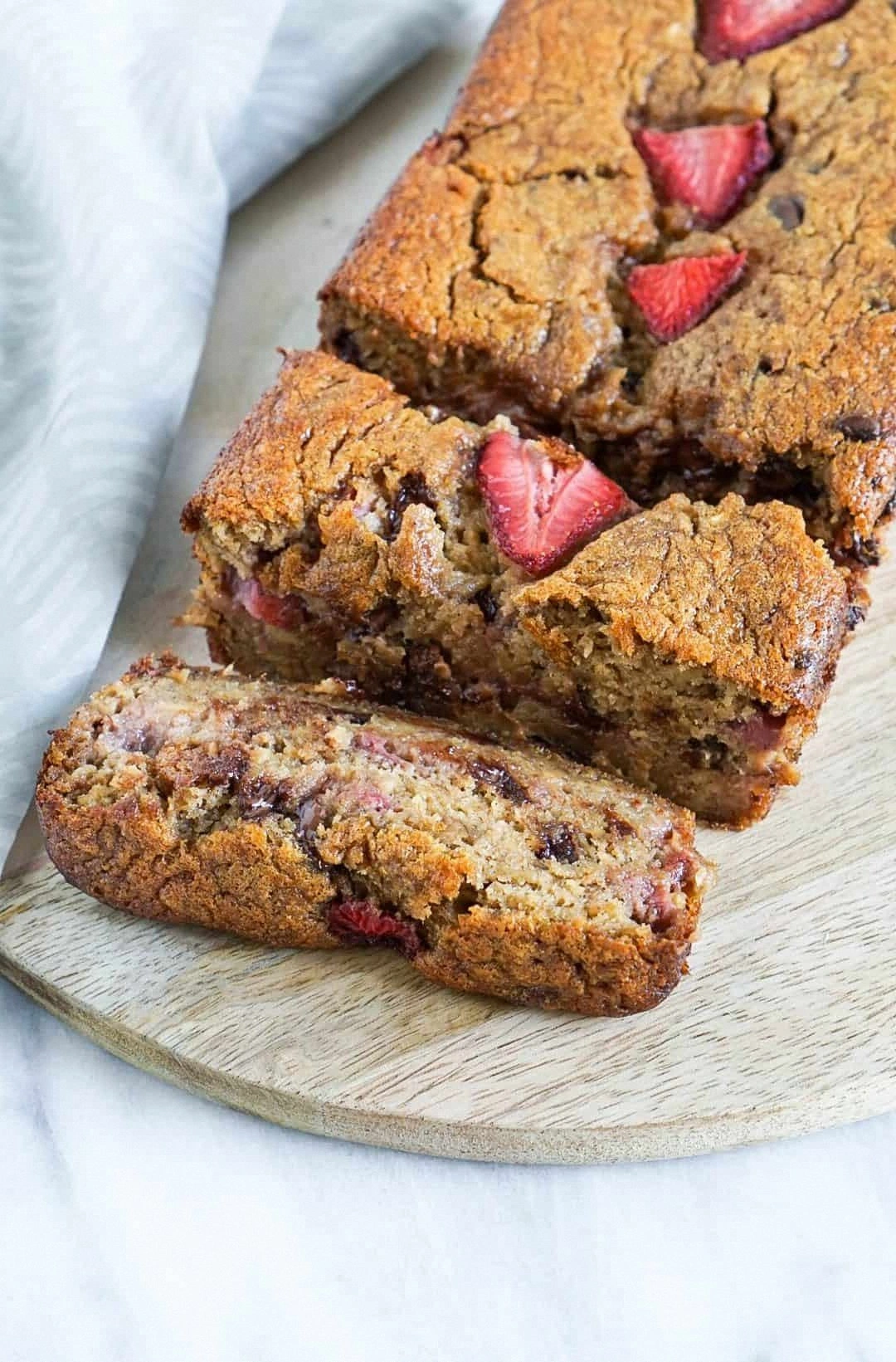
- Remove the loaf from the oven and let it rest on a wire rack for at least 20 minutes. This rest allows the crumb to set and the flavors to meld. Slice with a serrated knife to avoid crushing the loaf. Serve warm or at room temperature. The finished loaf should look golden, with visible chocolate chips and strawberry specks.
That’s it — you did it. But hold on, I’ve got a few more tricks that will take this to another level. The secret to a truly memorable loaf isn’t just the ingredients; it’s the subtle details that elevate the whole experience. Let’s dive deeper into insider knowledge that will make your bread stand out.
First, let’s talk about the temperature rule that many bakers overlook. Baking at the right temperature ensures even rise and prevents the outside from burning while the inside remains undercooked. A consistent 350°F (175°C) is ideal for this loaf, but if your oven runs hot, lower the temperature by 25°F and extend the baking time by 5 minutes.
Next, the aroma. A loaf that smells heavenly will tempt anyone to grab a slice before it’s even finished. The key is to let the batter sit for 10 minutes before baking; this allows the flavors to meld and the batter to thicken slightly. It’s a small step that has a huge payoff.
Another trick is the 5‑minute rest that changes everything. After removing the loaf from the oven, let it cool on the rack for 20 minutes. This rest allows the steam to redistribute, making the crumb tender. Without it, the loaf can feel dry or gummy. It’s a simple habit that pays dividends.
If you’re a perfectionist, the crumb’s texture is your holy grail. To achieve a finer crumb, sift the flour twice. This removes any large particles and ensures a smooth batter. You’ll notice a difference in the mouthfeel and overall quality.
Finally, the icing. I love a light dusting of powdered sugar or a drizzle of honey after the loaf has cooled. It adds a touch of sweetness and a glossy finish that looks Instagram‑ready. Just a light touch, or it’ll overpower the natural flavors.
Creative Twists and Variations
This recipe is a playground. Here are some of my favorite ways to switch things up: swap the strawberries for blueberries for a deeper berry flavor, or add a handful of chopped walnuts for a crunchy texture that complements the soft crumb. If you’re craving a tropical vibe, replace the butter with coconut oil and add shredded coconut to the batter. For a decadent version, fold in a handful of dark chocolate chunks and sprinkle sea salt on top before baking. If you’re vegan, replace the egg whites with aquafaba and use a plant‑based butter; the loaf will still rise beautifully.
Want to make it a holiday treat? Add a pinch of pumpkin spice and a splash of pumpkin puree for a fall twist. For a winter twist, sprinkle a dash of espresso powder into the batter; the chocolate chips will become even more pronounced. If you’re looking for a low‑calorie version, use a sugar substitute like monk fruit or stevia, and reduce the coconut sugar by half.
If you’re a coffee lover, try adding a tablespoon of instant espresso powder to the batter. It’ll give the loaf a subtle coffee undertone that pairs wonderfully with the chocolate. Alternatively, drizzle a light caramel sauce over the cooled loaf for a sweet, buttery finish. The possibilities are endless; the key is to experiment and taste as you go.
Remember, the best part about baking is that it’s never the same twice. Each loaf you bake will have its own character, and that’s what makes it special. So grab your ingredients, and let your creativity run wild.
Storing and Bringing It Back to Life
Fridge Storage: Store the cooled loaf in an airtight container at room temperature for up to four days. For longer freshness, wrap the loaf in parchment paper and then place it in a zip‑lock bag. The parchment paper helps absorb excess moisture, keeping the crust crisp.
Freezer Friendly: Slice the loaf before freezing to make it easier to grab a piece. Wrap each slice tightly in plastic wrap, then place in a freezer bag. The loaf can stay in the freezer for up to three months. When ready to eat, let the slice thaw at room temperature for 15 minutes.
Best Reheating Method: Reheat a slice in the oven at 350°F (175°C) for 5 minutes, or in a microwave on medium power for 20–30 seconds. Add a tiny splash of water to the loaf before reheating; it steams the bread back to perfection. The crumb will stay moist, and the aroma will return to its original glory.