I still remember the Tuesday night I nearly set my kitchen on fire trying to impress my future mother-in-law with a fancy chicken recipe that required three pans, two mixing bowls, and a culinary torch I definitely did not know how to use. The smoke alarm was serenading us while I frantically waved a dish towel, and somewhere between the chaos and the charred remains of what was supposed to be a sophisticated dinner, I vowed to find a better way. Fast forward through countless experiments, several smoke-detector concerts, and one particularly memorable incident involving a fire extinguisher, and I finally cracked the code to the most ridiculously delicious, stupidly simple chicken dinner you'll ever make.
This lemon herb chicken and veggies sheet pan recipe isn't just another throw-everything-on-a-pan dinner — it's the dinner that saved my sanity and possibly my relationship. While other recipes promise "easy weeknight meals" but somehow require you to marinate for twelve hours, sear in a hot pan, then transfer to the oven while simultaneously making a sauce and doing a little dance, this beauty delivers restaurant-quality flavor with about fifteen minutes of actual hands-on time. The first time I made it, my partner took one bite, looked at me with that particular expression that means "you've outdone yourself," and then proceeded to eat three servings while standing at the counter because apparently walking to the table was too much effort.
Here's what makes this recipe my absolute obsession: the chicken emerges so incredibly juicy that it practically sighs when you cut into it, while the vegetables transform into these caramelized little flavor bombs that taste like they've been slow-roasting for hours. The lemon and herbs create this magical situation where every bite tastes fresh and bright, but also deeply satisfying in that comfort-food way that makes you close your eyes and hum a little. And the best part? You literally throw everything on one pan, slide it into the oven, and pour yourself a glass of wine while dinner makes itself.
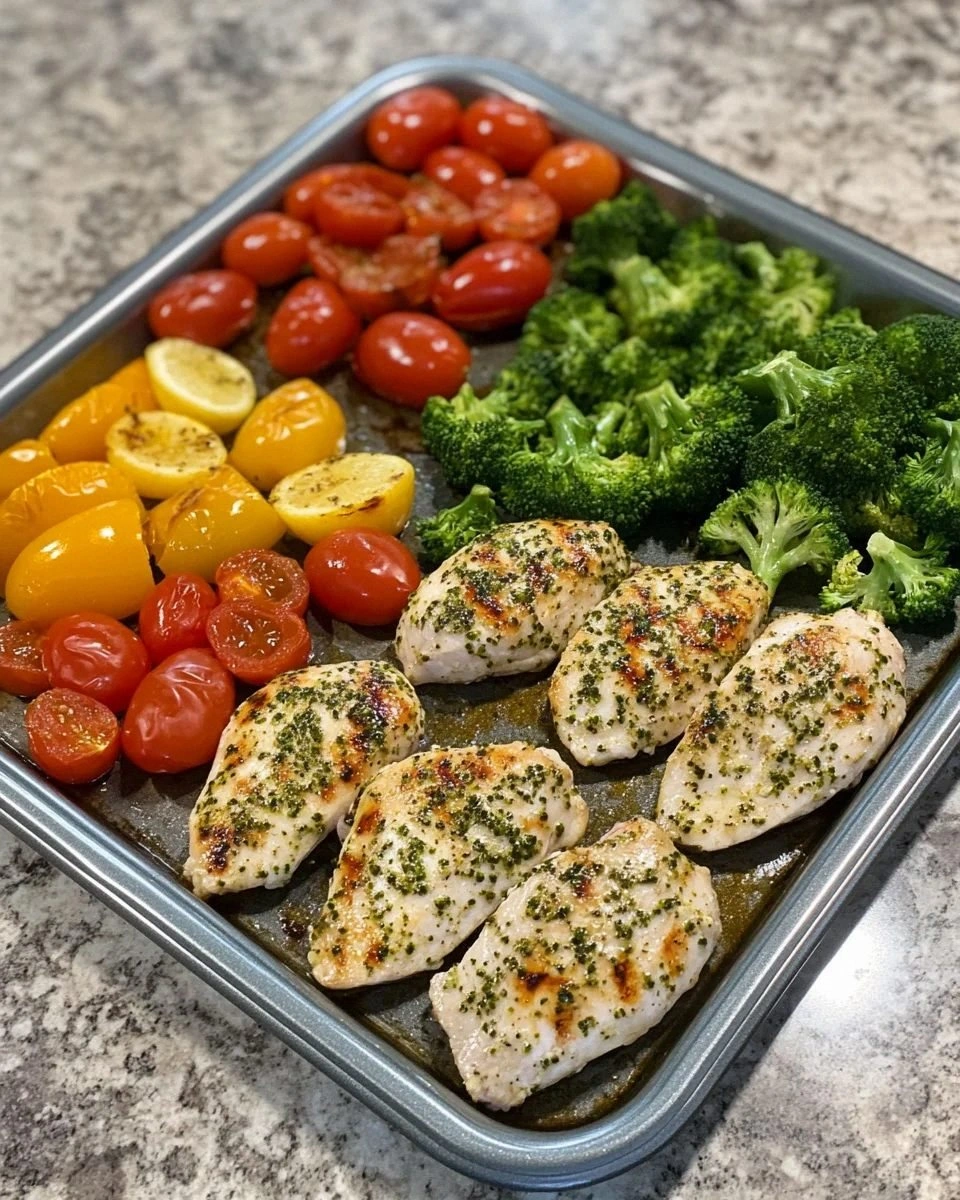
Picture yourself pulling this out of the oven, the whole kitchen smelling like a Mediterranean vacation, your family already gathering around because the aroma has been driving them crazy for the last twenty minutes. That golden-brown chicken sitting proudly among vegetables that glisten with olive oil and lemon — it's the kind of dinner that makes you feel like you've got your life together, even if you spent the day wearing mismatched socks and forgot to reply to three important emails. Let me walk you through every single step — by the end, you'll wonder how you ever made it any other way.
What Makes This Version Stand Out
I've tried every sheet pan chicken recipe on the internet, and I'm here to tell you why this one leaves them all in the dust like that kid who actually studied for the test. This isn't just me being dramatic — though my friends will tell you that's definitely in my wheelhouse — it's about understanding what makes food go from "yeah, that's fine" to "holy mother of deliciousness, what did you put in this?"
- The Juicy Secret: Most recipes dry out chicken faster than a desert dries out a puddle, but this method creates a self-basting situation that keeps every bite succulent. The way the vegetables release their moisture while the lemon creates a protective barrier is pure kitchen wizardry that results in chicken so tender, you'll need to be careful when transferring it to plates.
- Flavor Layering Magic: Instead of just sprinkling dried herbs on top like an afterthought, we create a coating that actually penetrates the chicken while simultaneously flavoring the vegetables. The garlic and onion powders mingle with the fresh lemon juice to create this umami bomb that makes your taste buds throw a party.
- The Timing Revelation: Here's where most sheet pan recipes fail — they cook everything at the same temperature for the same time, which means either your vegetables are mush or your chicken is raw. This recipe uses a specific temperature and timing that creates perfect vegetables while ensuring your chicken hits that ideal 165°F without turning into shoe leather.
- Effortless Elegance: Despite tasting like you spent hours in the kitchen, this recipe requires about as much effort as ordering takeout online. The prep is literally cutting vegetables and mixing a quick marinade, then letting the oven do all the heavy lifting while you catch up on your favorite show.
- Leftover Goldmine: If you somehow manage not to devour everything in one sitting, the leftovers transform into the most incredible chicken salad, pasta topping, or sandwich filling you've ever tasted. The flavors actually intensify overnight, making this the gift that keeps on giving.
- Pantry-Friendly Ingredients: Everything in this recipe is probably already in your kitchen right now, waiting to become something magnificent. No specialty store runs, no obscure spices you'll use once, just honest ingredients that play together like they've been best friends forever.
- Crowd-Pleasing Power: I've served this to picky toddlers, health-conscious gym rats, and food-snob friends who think they're too good for sheet pan dinners. Every single one of them asked for seconds and then the recipe, which is basically the culinary equivalent of winning the lottery.
- One-Pan Cleanup: After you've experienced the joy of making an entire dinner that only dirties one pan and maybe a cutting board, you can't go back to the old ways. It's like discovering washing machines after years of hand-washing your clothes — revolutionary and life-changing.
Alright, let's break down exactly what goes into this masterpiece, because understanding your ingredients is the difference between good cooking and "holy cow, did you go to culinary school?" cooking.
Inside the Ingredient List
Every ingredient in this recipe pulls its weight like a well-trained relay team, and understanding what each one brings to the party will transform you from someone who follows recipes to someone who creates magic. Trust me, once you understand the why behind each component, you'll start improvising like a jazz musician who's had three espressos and is ready to riff.
The Flavor Foundation
The chicken breasts are obviously the star here, but not all chicken is created equal, my friends. Skip those sad, water-injected supermarket specials that shrink to half their size when you cook them. Look for plump, pale pink breasts that feel firm but not hard — they should have a gentle spring when you press them, like a good mattress. The olive oil isn't just for preventing sticking; it's the vehicle that carries all those beautiful flavors into every nook and cranny of your chicken and vegetables. Use the good stuff here, not the bargain basement oil that's been sitting in your pantry since the Obama administration.
The lemon juice is where the magic really happens — fresh is non-negotiable, because that bottled stuff tastes like cleaning product had a baby with disappointment. When you squeeze real lemons, you get this bright, sunshine-in-a-bottle flavor that wakes up everything it touches. The zest is even more potent than the juice, so if you're feeling extra fancy, add some of that yellow gold to your marinade for an extra lemony punch that'll make your taste buds sing.
The Herb Powerhouse
Dried oregano is the unsung hero of Mediterranean cooking, and when it hits that hot pan, it releases these earthy, slightly sweet aromatics that transport you straight to a Greek island. The key is using it generously — most recipes are too timid with herbs, resulting in food that tastes vaguely of "seasoned" rather than "spectacular." Garlic powder might seem basic, but it's the foundation of flavor here, providing that savory depth that makes people ask "what's in this that makes it taste so good?"
Onion powder works hand-in-hand with the garlic to create this umami base note that rounds out all the bright lemon and herb flavors. It's like the bass player in a band — you might not notice it specifically, but you'd definitely miss it if it wasn't there. Together, these seasonings create what I call "the flavor trinity" that makes everything taste like it came from a proper restaurant instead of your home kitchen.
The Vegetable Cast
Broccoli florets are the perfect vegetable for sheet pan cooking because they've got all these nooks and crannies that catch the lemony, herby oil and transform into crispy-tender perfection. Don't throw away those stems, either — peel them and cut them into coins for an extra vegetable that has a delightful asparagus-like quality when roasted. Cherry tomatoes bring the sweet acidity that balances all the savory elements, and when they roast, they burst open and create these little pockets of tomato candy that'll have you fighting your dining companions for the last ones.
The bell peppers — one red, one yellow for visual appeal — aren't just there for color, though they do make your pan look like a sunset. They roast into these silky, sweet strips that develop slightly charred edges, giving you that perfect contrast of soft and crispy in every bite. Red and yellow peppers are sweeter than green ones, which is why we use them here; they caramelize beautifully and add natural sweetness without any added sugar.
The Finishing Touch
Fresh parsley at the end isn't optional, even though I know you're tempted to skip it. That pop of green doesn't just make everything look restaurant-worthy — it adds this fresh, almost grassy note that brightens up the entire dish and makes all the other flavors sing in harmony. Plus, parsley is packed with vitamins and minerals, so you're basically making your dinner healthier by sprinkling it on top. It's like the fairy dust of the culinary world.
Salt and pepper might seem too basic to mention, but here's where most home cooks go wrong. You're not just seasoning the surface — you want to season each component as you add it to the pan. Think of it like building a house: you need a solid foundation of seasoning to support all the other flavors. And don't be shy with the salt — roasted vegetables need more than you think, and the chicken definitely benefits from a generous hand with seasoning.
Everything's prepped? Good. Let's get into the real action...
The Method — Step by Step
- Preheat your oven to 425°F (220°C) and position the rack in the middle. This isn't just a random temperature — it's the sweet spot where chicken cooks through without drying out while vegetables develop those gorgeous caramelized edges. While your oven is heating up, grab your largest rimmed baking sheet and resist the urge to line it with foil. I know cleanup seems scary, but the direct contact with the pan is what gives you those incredible browned bits that make everything taste like you've been cooking for hours.
- Pat those chicken breasts dry with paper towels like your life depends on it. Moisture is the enemy of browning, and we want golden, flavorful chicken, not steamed sadness. Season both sides generously with salt and pepper — be bolder than you think you need to be. Remember, you're seasoning through the entire thickness of the meat, not just the surface. Place them on one side of your baking sheet, giving them room to breathe because overcrowding leads to steaming, and steaming leads to disappointment.
- In a small bowl, whisk together the olive oil, lemon juice, oregano, garlic powder, and onion powder. This is your flavor concentrate, and it should smell so good you'll be tempted to dab it behind your ears. The acid from the lemon juice will start to tenderize the chicken while the oil carries all those herb flavors deep into the meat. Pour half of this mixture over the chicken, turning to coat every surface. Let it hang out while you prep the vegetables — even five minutes of marinating makes a difference.
- Now for the vegetable choreography — this is where timing matters. Start with the broccoli, cutting it into bite-sized florets that will roast into crispy-tender perfection. The key is making them roughly the same size so they cook evenly. Toss them with a third of the remaining oil mixture, making sure every floret gets coated in that lemony herb goodness. Spread them on the pan around the chicken, but don't crowd them — they need space to develop those crispy edges that make roasted vegetables addictive.
- Halve the cherry tomatoes and add them to a bowl with the sliced bell peppers. These vegetables cook faster than broccoli, which is why we add them later in the process. Toss them with another third of the oil mixture and arrange them around the pan, filling in gaps but keeping them in a single layer. Those tomatoes are going to burst and create little pockets of sweet-acidic juice that mingle with the chicken drippings and create pure magic.
- Slide the pan into your preheated oven and set a timer for 15 minutes. This first phase is crucial — it starts the cooking process and develops flavor. While it's doing its thing, resist the urge to peek every five minutes. Every time you open that door, you're letting out heat and messing with the temperature, which is like trying to bake a cake while someone keeps turning the oven off. Trust the process and go pour yourself a beverage of choice.
- After 15 minutes, quickly pull out the pan and add your tomatoes and peppers, scattering them around but being careful not to splash hot oil. Give everything a gentle stir, but don't mess with the chicken too much — we want those beautiful browned bottoms to stay intact. This is also when you'll add the remaining oil mixture, drizzling it over everything to ensure maximum flavor distribution. The sizzle when those vegetables hit the hot pan? That's the sound of deliciousness happening.
- Return the pan to the oven for another 12-15 minutes, depending on the thickness of your chicken. The vegetables should be tender with some caramelized edges, and the chicken should reach 165°F (74°C) in the thickest part. If you don't have a meat thermometer, make a small cut in the thickest piece — the juices should run clear, not pink. The tomatoes should be burst and jammy, creating these little pockets of concentrated flavor throughout the pan.
- Remove the pan from the oven and let it rest for five minutes — I know you're hungry, but this is crucial. Those juices need to redistribute through the chicken instead of running all over your cutting board. While it's resting, chop your fresh parsley and scatter it over everything. The heat will slightly wilt the parsley, releasing its bright, fresh aroma that makes the whole dish sing. Serve directly from the pan for maximum rustic appeal, or transfer to plates if you're trying to impress someone who doesn't appreciate the beauty of a one-pan meal.
That's it — you did it. But hold on, I've got a few more tricks that'll take this to another level...
Insider Tricks for Flawless Results
The Temperature Rule Nobody Follows
Here's the thing that separates good home cooks from great ones: understanding that temperature isn't just about food safety, it's about flavor development. When you pull your chicken out of the fridge and let it sit on the counter for 15-20 minutes before cooking, you're not just being fancy — you're allowing the meat to cook more evenly. Cold chicken straight from the fridge takes longer to cook through, which means the outside gets overdone while you're waiting for the inside to hit a safe temperature. Room temperature chicken cooks more uniformly, staying juicy throughout while still developing that gorgeous golden exterior we all crave.
But here's the insider tip that'll make you look like a culinary genius: use an instant-read thermometer and pull your chicken when it hits 160°F, not 165°F. The temperature will continue to rise as it rests, and you'll end up with perfectly juicy chicken every time instead of the dry, stringy stuff that gives chicken breast a bad reputation. A friend tried skipping this step once — let's just say it didn't end well, and her dog got a very expensive dinner that night.
Why Your Nose Knows Best
That moment when you open the oven door and the aroma hits you? That's not just dinner happening — that's chemistry in action. When the lemon juice hits the hot pan and creates steam, it's carrying all those volatile compounds from the herbs and garlic straight to your olfactory system, which is basically your body's way of previewing what's about to happen in your mouth. If your kitchen doesn't smell absolutely incredible about halfway through cooking, something's gone wrong and you need to check your oven temperature or seasoning levels.
Here's a trick I learned from a chef friend: take a deep whiff every time you add vegetables to the pan. You should smell bright lemon first, then the savory garlic and onion as the heat releases their aromatics, and finally the sweet scent of caramelizing vegetables as they develop those gorgeous browned edges. If you're not getting this progression of aromas, your pan might be too crowded or your oven temperature too low. Trust your nose — it's been helping humans cook for thousands of years.
The 5-Minute Rest That Changes Everything
Most people skip the resting step because they're starving and impatient, but this is where amateur hour ends and professional results begin. When meat cooks, the juices get pushed toward the center by the contracting proteins. If you cut into it immediately, all those juices run out onto your cutting board, leaving you with dry meat and a sad puddle of wasted flavor. But give it five minutes — just five! — and those proteins relax, allowing the juices to redistribute throughout the meat. The result? Every slice is juicy and flavorful, not just the center piece.
During this rest period, something magical happens to your vegetables too. The residual heat continues to soften them slightly while the flavors meld together. Cherry tomatoes that were just starting to burst will finish their transformation into jammy little gems, and the broccoli will reach that perfect tender-crisp state that makes roasted vegetables addictive. Use this time to set the table, pour some wine, or just bask in the glory of what you're about to serve.
The Crispy Edge Secret
You know those crispy, caramelized edges on roasted vegetables that taste like vegetable candy? There's a science to achieving them consistently, and it all comes down to surface area and heat exposure. Cut your vegetables with flat surfaces rather than rounded ones — broccoli florets should be split to create flat sides, and bell peppers should be sliced into strips rather than chunks. These flat surfaces make direct contact with the hot pan, creating the Maillard reaction that produces those complex, nutty flavors we all crave.
But here's the real secret: don't toss your vegetables too often. I know it's tempting to stir everything around every few minutes, but those beautiful brown edges need uninterrupted contact with the hot metal to develop. Let them sit undisturbed for at least half the cooking time, then give them a single flip to brown the other sides. Your patience will be rewarded with vegetables that have crispy, caramelized exteriors and tender, sweet interiors that'll convert even the most devoted vegetable-haters.
Seasoning Strategy That Works
Most people season once at the beginning and wonder why their food tastes flat. The secret is seasoning in layers — a light seasoning on the chicken when you first place it on the pan, then another hit when you add the vegetables, and a final adjustment right before serving. Each layer serves a different purpose: the first draws moisture and starts building flavor, the second seasons the developing juices that will become your sauce, and the final layer brightens everything up just before serving.
But here's the game-changer: save some of that fresh lemon juice to squeeze over everything right before serving. The heat of cooking dulls citrus flavors, so adding a fresh hit of lemon at the end wakes up all the other flavors and makes everything taste vibrant and alive. It's like the difference between a photograph and the actual sunset — both are beautiful, but one has that extra dimension that makes you feel something deeper.
Creative Twists and Variations
This recipe is a playground. Here are some of my favorite ways to switch things up:
Mediterranean Escape
Swap the dried oregano for a blend of fresh rosemary and thyme, add some kalamata olives and crumbled feta cheese during the last five minutes of cooking, and replace half the lemon juice with red wine vinegar. The olives add a briny depth while the feta creates creamy pockets that melt slightly and coat everything in tangy richness. Throw in some artichoke hearts if you're feeling fancy — they roast into crispy-edged, tender-centered morsels that'll transport you straight to a Greek taverna.
Asian Fusion Adventure
Replace the oregano with Chinese five-spice powder, swap the lemon juice for lime, and add a tablespoon of soy sauce to the marinade. Include some sliced bok choy and shiitake mushrooms with your vegetables, and finish with a sprinkle of sesame seeds and chopped cilantro. The five-spice adds warmth and complexity while the lime keeps everything bright and zesty. If you like heat, add a sliced jalapeño or a dash of chili oil — it creates this incredible sweet-spicy-savory balance that's completely addictive.
Autumn Harvest Version
Trade the summer vegetables for butternut squash cubes, Brussels sprout halves, and sliced apples. Use apple cider instead of lemon juice, add some fresh sage to the herb mix, and include a tablespoon of maple syrup in the marinade. The apples roast into tender, slightly caramelized chunks that pair beautifully with the savory chicken and earthy vegetables. The maple syrup helps everything develop gorgeous color and adds a subtle sweetness that makes this taste like autumn on a plate.
Spicy Southwest Style
Replace the oregano with a mix of chili powder, cumin, and smoked paprika. Add some corn kernels and black beans during the last ten minutes of cooking, and swap the lemon juice for lime. Serve with fresh cilantro, avocado slices, and a dollop of Greek yogurt mixed with chipotle peppers. The spices create a completely different flavor profile — warm and smoky with just enough heat to make things interesting without overwhelming the other flavors.
Spring Green Special
Use asparagus spears, sugar snap peas, and fresh peas instead of the heartier vegetables. Replace the dried oregano with fresh dill and tarragon, and add some white wine to the marinade along with the lemon juice. The delicate vegetables cook quickly and retain their bright green color, while the herbs add a fresh, almost grassy flavor that screams spring. Add some fresh mint right before serving for an extra pop of freshness that makes everything taste like it's been kissed by sunshine and rain.
Comfort Food Remix
Add some baby potatoes halved lengthwise to the pan from the beginning — they'll cook alongside everything else and absorb all those gorgeous flavors. Use fresh thyme instead of oregano, add a tablespoon of Dijon mustard to the marinade, and include some baby carrots for extra sweetness. The potatoes create crispy edges while staying fluffy inside, and the mustard adds depth without overwhelming the other flavors. It's like Sunday dinner but without the mountain of dishes.
Storing and Bringing It Back to Life
Fridge Storage
Let everything cool completely before storing — I know it's tempting to shove the leftovers straight into the fridge while they're still warm, but this creates condensation that leads to soggy vegetables and promotes bacterial growth. Store the chicken and vegetables in separate containers if possible, because they'll reheat at different rates and nobody wants overcooked chicken just because their vegetables needed more time. The chicken will keep for up to four days in an airtight container, while the vegetables are best within three days. Pro tip: save some of those pan juices to spoon over the leftovers — they're liquid gold for keeping everything moist.
Freezer Friendly
While the chicken freezes beautifully for up to three months, the vegetables don't fare quite as well — they tend to get mushy when thawed. If you're planning to freeze portions, consider cooking extra chicken specifically for freezing and keeping the vegetables fresh. Wrap the chicken tightly in plastic wrap, then in foil, and label with the date so you don't play the dangerous game of "when did I freeze this?" When you're ready to use it, thaw overnight in the fridge and reheat gently to avoid drying it out.
Best Reheating Method
Forget the microwave — it turns everything rubbery and sad. Instead, reheat in a 350°F oven for about 10 minutes, adding a splash of chicken broth or water to prevent drying. Cover with foil for the first half of reheating, then uncover to let any surfaces crisp back up. If you're in a hurry, a skillet works too — add a little oil, heat the chicken and vegetables separately, and you'll get surprisingly good results. For the chicken specifically, slicing it first helps it reheat more evenly and quickly, preventing the outside from drying out while you wait for the center to warm through.