I was halfway through a disastrous Sunday dinner when I realized the only thing missing from my chaotic kitchen was a dish that could turn a regular family meal into an instant crowd‑pleaser. The air was thick with the scent of burnt onions, the clatter of pots, and the faint hope that something could salvage the evening. That’s when I grabbed a handful of fresh ginger, a few scallions, and a packet of gochugaru, and I decided to experiment with a poached chicken recipe that I’d seen in a dim‑lit noodle shop. The result? A dish that tastes like a fiery hug, with a Sichuan peppercorn kick that makes your mouth tingle like a thousand tiny fireworks.
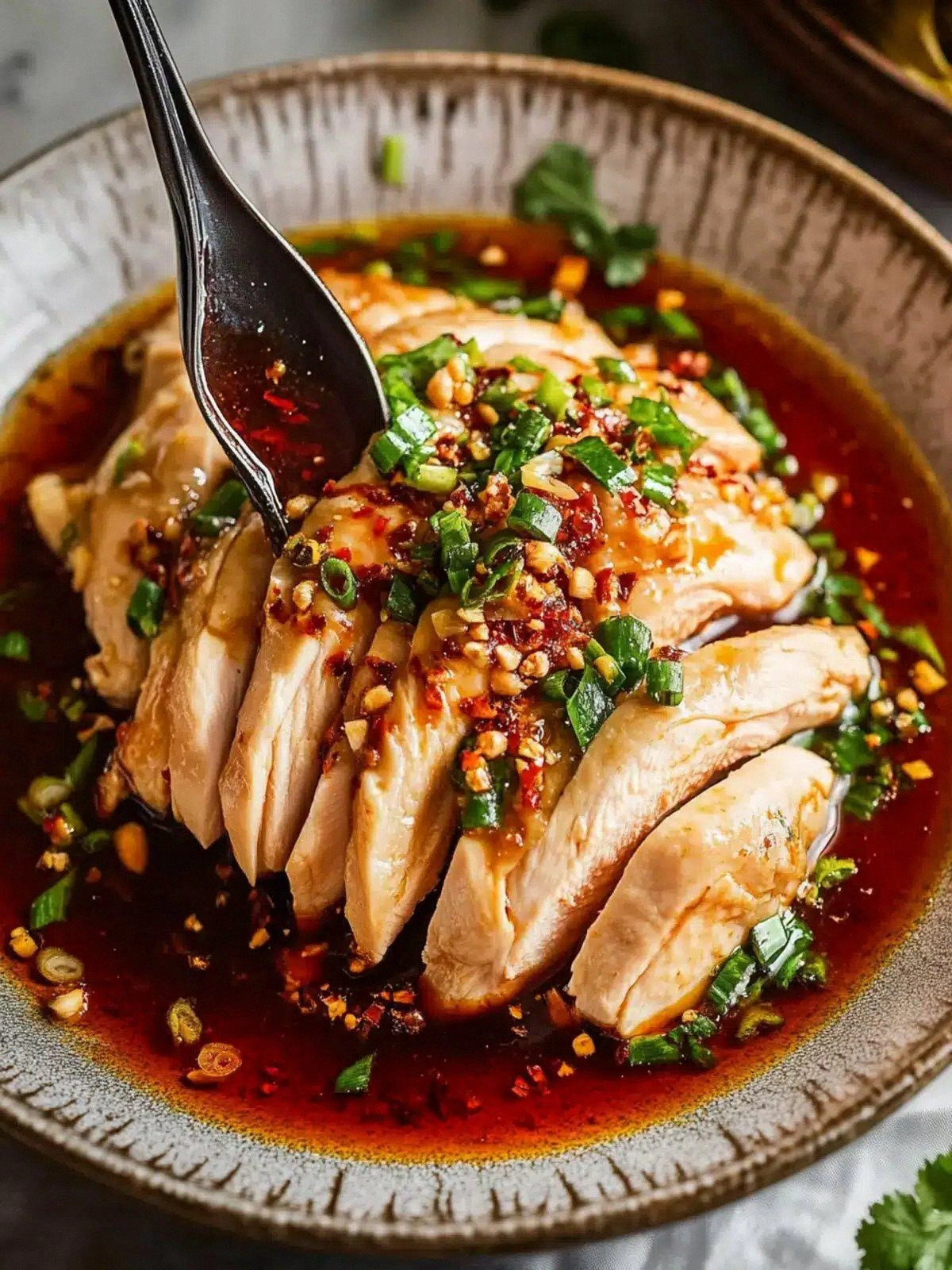
Picture this: the chicken breasts slide into a fragrant broth of water, ginger, and scallions, simmering until they’re tender and juicy. The sauce, a silky blend of crushed roasted peanuts, sesame seeds, and black vinegar, coats the meat like velvet, while the gochugaru and paprika add a depth of heat that lingers long after the last bite. The moment you cut through the skin, the aroma bursts—sweet, smoky, and peppery—all in one bite. I dare you to taste this and not go back for seconds.
What makes this version stand out from every other recipe out there? First, the poaching technique locks in moisture, preventing the chicken from drying out—a common pitfall in spicy dishes. Second, the peanut‑based sauce gives a creamy body that balances the fiery Sichuan peppercorns. Third, the use of both ginger and scallions in the broth creates a layered umami profile that elevates the dish from simple to unforgettable. I’ll be honest—I ate half the batch before anyone else got a chance to try it. And if you’re wondering why this dish is so addictive, it’s because the flavors mingle in a way that’s both comforting and adventurous.
Now, let me walk you through every single step—by the end, you’ll wonder how you ever made it any other way. Picture yourself pulling this out of the pot, the whole kitchen smelling incredible, and guests lining up for seconds. That sizzle when the sauce hits the pan? Absolute perfection. Stay with me here—this is worth it.
What Makes This Version Stand Out
- Moisture Lock: Poaching the chicken in a gentle broth preserves juiciness, preventing the dryness that plagues many spicy chicken dishes. The result is a melt‑in‑your‑mouth texture that’s a game‑changer.
- Peanut Velvet: Crushed roasted peanuts create a silky sauce that cushions the heat and adds a nutty depth. It’s the secret that turns ordinary poached chicken into a memorable experience.
- Sichuan Peppercorn Punch: The peppercorns add a numbing, citrusy bite that cuts through the richness and keeps the palate refreshed. Most recipes skip this nuance, but it’s what gives our version its signature kick.
- Balanced Heat: By combining gochugaru with paprika, the dish achieves a layered spiciness that’s bold yet controlled. The heat is evenly distributed, so no single bite overwhelms the senses.
- Ingredient Quality: Using fresh ginger, real scallions, and high‑grade sesame seeds elevates the flavor profile. Each component brings its own character, creating a harmonious whole.
- Make‑Ahead Friendly: Once poached, the chicken can be stored in the fridge or freezer and reheated without losing its integrity, making it perfect for week‑night dinners or entertaining.
- Quick Prep: With a prep time of 15 minutes and a cook time of 30 minutes, this dish is lightning‑fast without compromising taste.
Inside the Ingredient List
The Flavor Base
Water is the unsung hero of any poached dish. It’s the medium that carries the flavors of ginger, scallions, and peppercorns throughout the chicken. If you skip the water, the chicken will steam rather than poach, losing that delicate infusion of aromatics. For a richer broth, consider substituting half the water with low‑sodium chicken stock.
The Texture Crew
Crushed roasted peanuts and toasted sesame seeds give the sauce a satisfying crunch and a nutty undertone. They also act as natural thickeners, giving the sauce body without the need for flour or cornstarch. If you’re allergic to nuts, replace the peanuts with finely chopped toasted sesame seeds or a tablespoon of ground sunflower seeds.
The Unexpected Star
Gochugaru, Korean chili flakes, brings a smoky heat that balances the sharpness of the Sichuan peppercorns. Its slightly sweet undertone complements the savory broth. If you can’t find gochugaru, a pinch of cayenne pepper will work, but you’ll miss the subtle smokiness.
The Final Flourish
Black vinegar adds a tangy brightness that cuts through the richness of the sauce. It’s a staple in Sichuan cuisine, giving dishes a bright, slightly sweet acidity. In a pinch, substitute with rice vinegar, but be mindful that the flavor will be less complex.
Everything's prepped? Good. Let's get into the real action.
The Method — Step by Step
- Step 1: Prepare the Broth. In a large saucepan, combine 4 cups of water, the sliced ginger, thinly sliced scallions, 1 teaspoon of salt, and ⅓ cup of vegetable oil. Bring to a gentle boil over medium heat, then reduce to a simmer. This step infuses the liquid with aromatics that will penetrate the chicken. Watch the steam rise—it's the first hint that your sauce is starting to sing.
- Step 2: Poach the Chicken. Gently slide the two boneless, skinless chicken breasts into the simmering broth. Cover the pan and let the chicken cook for 15 minutes, or until the internal temperature reaches 165°F (74°C). The poaching method keeps the meat tender and juicy. Don’t rush this step; patience is the secret to a melt‑in‑your‑mouth texture.
- Step 3: Make the Peanut Sauce. While the chicken rests, combine 3 tablespoons of crushed roasted peanuts, 2 tablespoons of gochugaru, 1 teaspoon of ground paprika, 1 tablespoon of toasted sesame seeds, 1 teaspoon of granulated sugar, 1 teaspoon of salt, 1 teaspoon of grated fresh ginger, 1 teaspoon of Sichuan peppercorns, 3 tablespoons of water, and 1 teaspoon of black vinegar in a bowl. Whisk until the mixture is smooth and slightly thickened. This sauce will coat the chicken like velvet, balancing heat with richness.
- Step 4: Combine Chicken and Sauce. Carefully remove the chicken from the broth, letting any excess liquid drip off. Place the breasts in a shallow dish, then pour the peanut sauce over them, ensuring every surface is coated. Let the chicken sit in the sauce for 5 minutes to absorb the flavors. The sauce should look glossy and slightly syrupy.
- Step 5: Finish in the Broth. Return the sauced chicken to the saucepan with the remaining broth. Simmer gently for an additional 5 minutes, allowing the flavors to meld. The broth will reduce slightly, creating a thicker glaze that clings to the meat. This step is where the magic happens—watch the sauce thicken like honey.
- Step 6: Plate with Flair. Transfer the chicken to a serving platter. Drizzle any remaining sauce from the pan over the top. Garnish with extra toasted sesame seeds and a sprinkle of sliced scallions for color and crunch. The dish should look as inviting as it tastes.
- Step 7: Serve Immediately. Present the poached chicken with a side of steamed rice or noodles, and let your guests dive into the aromatic, spicy sauce. The first bite will hit the palate with a balanced heat that’s both bold and smooth.
- Step 8: Enjoy and Repeat. As you savor each mouthful, remember that this dish is hands down the best version you’ll ever make at home. If you’re feeling adventurous, keep the sauce on the side for dipping or use it as a base for a stir‑fry later. The possibilities are endless.
That's it — you did it. But hold on, I've got a few more tricks that'll take this to another level. These insider tips will help you master the dish like a pro.
Insider Tricks for Flawless Results
The Temperature Rule Nobody Follows
Many cooks over‑cook poached chicken, thinking that a longer simmer equals better flavor. In reality, the key is to keep the temperature between 190°F and 200°F (88°C to 93°C). This gentle heat allows the chicken to stay tender and the sauce to thicken without scorching. I once tried boiling the broth at high heat, and the result was dry, rubbery chicken that could barely hold a fork. Stick to a low simmer and trust the process.
Why Your Nose Knows Best
Smell is your best ally when cooking. If the sauce starts to smell overly oily or the broth tastes flat, reduce the oil or add a splash of vinegar. The aroma should be bright, spicy, and slightly sweet. A well‑balanced sauce will have a layered scent that invites you to taste again and again.
The 5‑Minute Rest That Changes Everything
After poaching, let the chicken rest in the sauce for five minutes before serving. This short rest allows the juices to redistribute, ensuring each bite is juicy and flavorful. Skipping this step often leaves the meat dry and the sauce under‑developed. I swear by this rest period; it’s the difference between “good” and “great.”
The Peanut‑to‑Salsa Switch
If you’re craving a lighter sauce, replace half the peanuts with crushed roasted cashews. The cashews add a subtle buttery flavor that lightens the overall profile while maintaining the sauce’s body. It’s a simple swap that keeps the dish fresh and exciting.
The Quick Garnish Hack
For a pop of color and crunch, sprinkle toasted sesame seeds and a handful of chopped scallions just before serving. The seeds add a nutty crunch, while scallions bring a bright, fresh note that cuts through the richness. This garnish also makes the dish look more professional and appetizing.
Creative Twists and Variations
This recipe is a playground. Here are some of my favorite ways to switch things up:
Asian‑Fusion Stir‑Fry
Slice the poached chicken into thin strips and stir‑fry with bell peppers, broccoli, and a splash of soy sauce. The sauce’s nutty base pairs beautifully with the crisp vegetables, creating a dish that’s both comforting and vibrant.
Crispy Skin Revival
After poaching, pat the chicken dry and sear it in a hot skillet with a drizzle of oil until the skin crisps. This adds a delightful textural contrast, turning the dish into a double‑textured delight.
Herbal Infusion
Add fresh herbs such as cilantro or Thai basil to the sauce during the final simmer. The herbal notes lift the dish and give it a fresh, summery feel—perfect for a light lunch.
Spicy Peanut Noodles
Use the sauce as a dressing for cold ramen or soba noodles. Toss the noodles with sliced chicken, cucumber, and a handful of peanuts for a refreshing, spicy bowl.
Vegan Version
Replace the chicken with tofu cubes or tempeh, and use vegetable broth instead of water. The sauce’s rich flavor will still shine, making it a hearty plant‑based main course.
Storing and Bringing It Back to Life
Fridge Storage
Store the poached chicken in an airtight container in the refrigerator for up to 3 days. Keep the sauce separate in a smaller container to prevent the chicken from soaking too much. When ready to serve, reheat gently in a saucepan or microwave, adding a splash of water to keep it moist.
Freezer Friendly
For longer storage, freeze the chicken and sauce separately in freezer‑safe bags. They’ll keep well for up to 2 months. Thaw overnight in the refrigerator before reheating. The texture remains tender, and the flavors stay vibrant.
Best Reheating Method
Reheat on low heat, stirring occasionally, until warmed through. Add a tiny splash of water or broth before reheating—this steams the chicken back to perfection and prevents the sauce from drying out. A quick 5‑minute microwave session works too, just be careful not to overcook.