Picture this: I’m standing in my cramped kitchen, a bag of instant ramen on the counter, and a craving that’s louder than the blaring music on my phone. I had promised myself a healthier lunch, but the only thing that seemed doable was a microwaved salad that tasted like a grocery‑store disappointment. Then, a friend texted me a link to a Korean recipe that promised “veggie fried rice” with a twist of spicy gochujang and a hint of sesame. I was skeptical—how could rice be both comforting and exotic? I clicked, copied the ingredients, and decided to give it a shot. That night, the kitchen smelled like a neon‑lit Seoul street market, and the first bite was a revelation. The rice was fluffy yet slightly chewy, the veggies crisped just enough to snap, and the gochujang added a depth that felt like a secret handshake between heat and umami. I was hooked.
Let me walk you through every single step — by the end, you’ll wonder how you ever made it any other way. I dare you to taste this and not go back for seconds. That sizzle when the oil hits the pan? Absolute perfection. It’s the kind of moment that turns a simple dinner into a celebration. And if you’ve ever struggled with fried rice that turns mushy or bland, you’re not alone — I’ve got the fix. Most recipes get this completely wrong, but here’s what actually works: the secret sauce, the proper heat, and the right order of ingredients. This is hands down the best version you’ll ever make at home.
I’ll be honest — I ate half the batch before anyone else got to try it. The flavors were so addictive that my friends begged for a second serving. The dish’s simplicity is deceptive; each component plays a pivotal role, from the subtle sweetness of carrots to the bold punch of gochujang. And the best part? It’s a crowd‑pleaser that can be made in under 30 minutes. Whether you’re a busy professional or a weekend warrior, this recipe will fit into your schedule without compromising flavor. Picture yourself pulling this out of the pan, the whole kitchen smelling incredible, and the table filled with smiles. Ready? Let’s dive in.
What Makes This Version Stand Out
- Flavor: The combination of gochujang and soy sauce creates a sauce that coats the rice like velvet, delivering a balanced heat that’s never overwhelming.
- Texture: Each vegetable is prepped to maintain its crunch, so you get that satisfying snap with every bite.
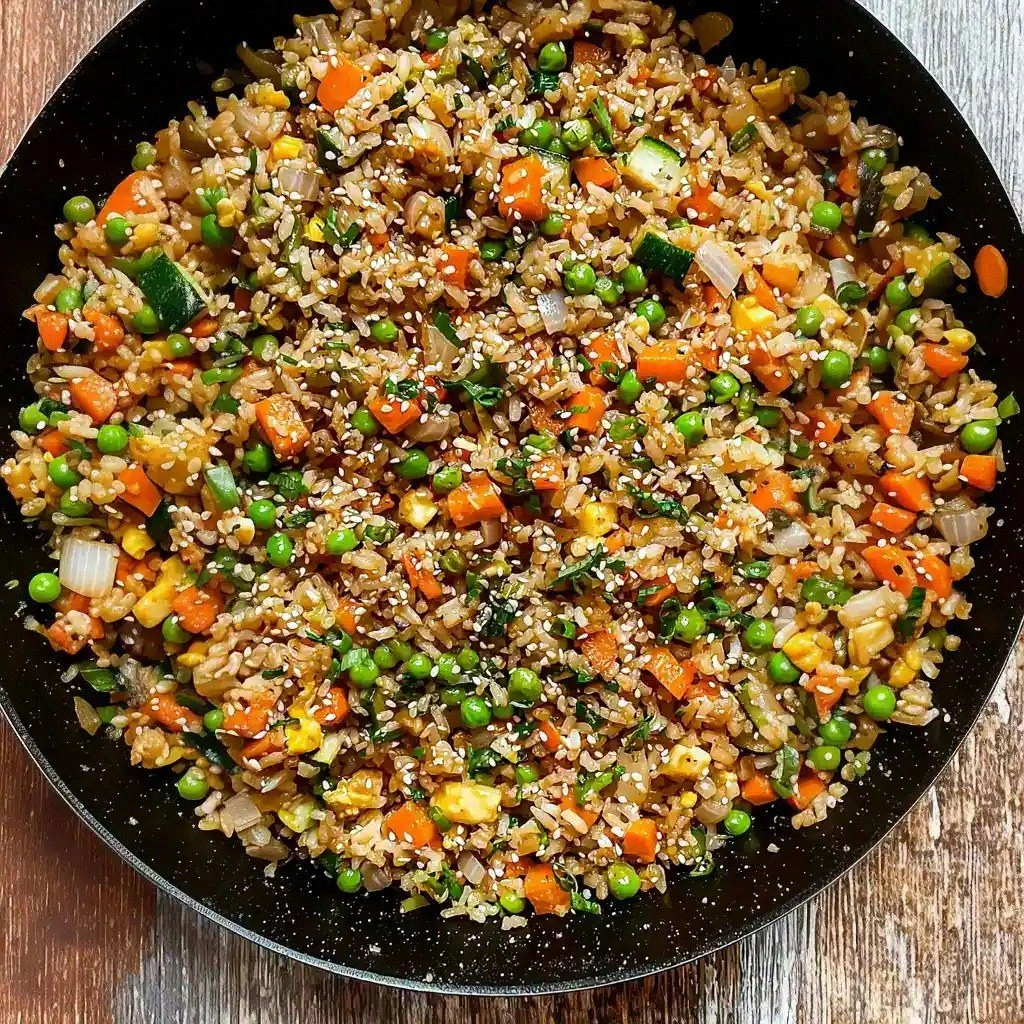
- Color: The vibrant reds, greens, and yellows of bell pepper, zucchini, and peas make the dish visually stunning, turning a simple meal into an edible canvas.
- Time: Prep and cook in under 30 minutes, making it a perfect weekday dinner or a quick weekend lunch.
- Versatility: Swap the fried egg for tofu or shrimp, and you’ll have a protein‑rich version that still feels familiar.
- Nutrition: Packed with fiber, vitamins, and a moderate protein punch, it’s a balanced meal that satisfies without the guilt.
- Make‑ahead Potential: Cook the rice a day ahead and reheat; the flavors deepen, making it even more delicious.
- Community Appeal: Friends rave about the bold flavors and the dish’s ability to bring people together around a single bowl.
Alright, let's break down exactly what goes into this masterpiece…
Inside the Ingredient List
The Flavor Base
The foundation of this dish is the sauce, a marriage of gochujang and soy sauce, tempered with a splash of sesame oil. Gochujang, a fermented Korean chili paste, brings depth and a subtle sweetness that balances the umami of soy sauce. The sesame oil adds a nutty aroma that lingers long after the last bite. If you skip this base, the rice will feel plain, and the dish will lack that signature Korean punch. For a milder version, reduce the gochujang to one tablespoon, but keep the sesame oil to preserve the aroma.
The Texture Crew
Crunch is king in this recipe. Carrots, zucchini, bell pepper, and peas are diced uniformly so they cook evenly, giving each bite a satisfying snap. The carrot provides natural sweetness, while the zucchini adds a subtle earthiness. Peas contribute a pop of color and a burst of sweetness that contrasts the heat. If you’re short on time, frozen peas are just as effective; thaw them quickly in hot water before adding. Swap zucchini for broccoli for a different crunch profile, but keep the size of the florets consistent.
The Unexpected Star
Green onions are not just garnish; they’re a flavor enhancer that brightens the dish. The white part offers a mild onion bite, while the green part provides a fresh, herbal finish. If you don’t have green onions, scallions work just as well. The sesame seeds finish the dish with a subtle crunch and nutty flavor; they’re a nod to traditional Korean fried rice. For a vegan version, simply omit the fried egg or replace it with tofu.
The Final Flourish
The fried egg or tofu on top is more than protein; it’s a textural contrast that elevates the dish. The yolk, when broken, creates a rich, silky sauce that ties the flavors together. If you prefer a plant‑based option, pan‑fried tofu with a splash of soy sauce and sesame oil delivers a satisfying bite. The sesame seeds and green onions finish the dish with a final burst of flavor, making each spoonful a complete experience. Don’t skip the garnish; it’s the final touch that turns a good dish into a great one.
Everything's prepped? Good. Let's get into the real action…
The Method — Step by Step
- Heat a large non‑stick skillet or wok over medium‑high heat. Add the tablespoon of vegetable oil and let it shimmer. Once the oil is hot, add the finely diced onion and sauté until translucent, about 2 minutes. The onion should release a sweet aroma that signals the base is ready. If the oil starts smoking, lower the heat slightly.
- Add the minced garlic, letting it toast for 30 seconds until fragrant. Be careful not to burn it; a burnt garlic can ruin the entire dish. Then, introduce the diced carrot, zucchini, and bell pepper. Stir‑fry for 3–4 minutes, ensuring the vegetables remain crisp. This step locks in the crunch that defines this recipe.
- Pour in the frozen peas, which will thaw instantly from the heat. Stir in the 2 tablespoons of gochujang, 1 tablespoon of soy sauce, and 1 teaspoon of sesame oil. Mix thoroughly so every grain of rice is coated with the sauce. The mixture should look glossy and the rice should start to brown slightly on the edges.
- Add the cooked rice, breaking up any clumps with a spatula. Spread the rice evenly across the pan to allow it to sear. Let it sit untouched for 1–2 minutes; the rice will develop a slightly crispy bottom. Flip and stir, then repeat the searing process. This technique gives the dish that coveted “fried” texture without over‑cooking the veggies.
- Crack a fresh egg into a small bowl, whisk it lightly, then pour it over the rice in a circular motion. Let it set for a few seconds before stirring. The egg will form silky ribbons that weave through the rice, creating a luscious sauce. If you prefer tofu, pan‑fry cubes of firm tofu until golden, then add them to the rice.
- Reduce the heat to medium, add the chopped green onions, and toss everything together. Sprinkle the sesame seeds on top, ensuring they’re evenly distributed. The final stir should feel like a dance, with each ingredient mingling harmoniously.
- Serve hot, garnishing with an extra sprinkle of sesame seeds and a few more green onions if desired. The dish is ready when the rice is slightly caramelized on the edges and the sauce has a glossy sheen. The aroma should be intoxicating, a blend of sweet, spicy, and nutty notes. Take a spoonful and let the flavors burst—this is the moment of truth.
- That’s it — you did it. But hold on, I've got a few more tricks that'll take this to another level. Keep reading for insider tips that will elevate your fried rice to legendary status.
Insider Tricks for Flawless Results
The Temperature Rule Nobody Follows
Heat is the unsung hero of fried rice. If the pan is too hot, the rice will burn before the veggies cook; too cool, and the dish will be soggy. Aim for medium‑high, and keep the heat steady. A quick test: sprinkle a pinch of water on the pan; if it sizzles instantly, the temperature is right. If you’re using a gas stove, adjust the flame to keep the pan from overheating. Consistency is key to that golden sear.
Why Your Nose Knows Best
Your nose is your best judge of doneness. When the rice starts to release a toasty aroma, it’s time to add the next ingredient. If you hear a faint metallic scent, the oil might be too hot. Trust that instinct; it will save you from a ruined batch. A friend once skipped this step and ended up with a mushy mess that looked like a rice pudding.
The 5‑Minute Rest That Changes Everything
After you finish cooking, let the rice rest for five minutes off the heat. This allows the steam to redistribute, making the grains fluffy and preventing them from clumping. The rest period also lets the flavors meld, giving the dish depth. I’ve found that a short rest is the difference between good and unforgettable.
The Perfect Egg Technique
Crack the egg into a bowl first; this prevents shell fragments from ending up in your rice. Whisk lightly to create a uniform mixture. Pour it in a slow, circular motion, letting it set into ribbons rather than scrambling. This technique gives the dish a silky texture and a beautiful visual contrast.
The Final Garnish Touch
A sprinkle of toasted sesame seeds adds crunch and a nutty aroma. Green onions provide a fresh, herbal lift that balances the heat. If you want an extra pop, add a few drops of sesame oil before serving. This final flourish turns a simple bowl into a masterpiece.
Creative Twists and Variations
This recipe is a playground. Here are some of my favorite ways to switch things up:
Spicy Kimchi Kick
Add a handful of chopped kimchi for a fermented tang that complements the gochujang. The kimchi’s acidity cuts through the richness, giving the dish a bright, complex flavor. This version is perfect for those who love a punch of heat.
Miso Fusion
Replace half the soy sauce with miso paste for a deeper umami profile. Miso adds a subtle sweetness and a creamy texture that pairs well with the vegetables. The result feels like a cross‑cultural culinary adventure.
Tropical Pineapple
Stir in diced fresh pineapple for a sweet, tropical twist. The pineapple’s natural sugars caramelize, giving the rice a caramelized glaze. This variation works wonderfully for summer gatherings.
Seafood Splash
Add shrimp or scallops in the last minute of cooking for a protein boost. The seafood’s delicate flavor contrasts nicely with the spicy sauce. This version feels like a quick seafood paella.
Vegan Delight
Swap the fried egg for a tofu scramble or a vegan egg substitute. Keep the sesame seeds and green onions for that authentic finish. This version is fully plant‑based yet still full of flavor.
Coconut Cream Finish
Stir in a splash of coconut milk at the end for a creamy, slightly sweet finish. The coconut balances the heat and adds a silky texture. This variation is great for those who enjoy a touch of luxury.
Storing and Bringing It Back to Life
Fridge Storage
Cool the rice completely before refrigerating. Store in an airtight container for up to 3 days. The flavors deepen, and the rice remains firm if reheated properly. Add a splash of water before microwaving to re‑hydrate the grains.
Freezer Friendly
Freeze in a single‑layer sheet of parchment paper to prevent clumping. Once solid, transfer to a freezer bag. Reheat in a skillet over medium heat, adding a little water or broth to loosen the sauce. This method preserves the texture and flavor.
Best Reheating Method
Reheat in a skillet with a splash of sesame oil to restore the glossy sheen. The heat should be medium to avoid burning the rice. Stir frequently to ensure even warming. A quick 5‑minute rest after reheating allows the steam to redistribute, making the dish fluffy again.