Picture this: you’re standing over a stovetop that’s been whispering “I’m about to explode” for the past half‑hour, the pan is hot enough to sear a comet, and the kitchen smells like a Mediterranean market on fire. That was me last Tuesday, after a disastrous attempt at a bland, over‑cooked salmon that left my taste buds filing a formal complaint. I was determined to turn that flop into a triumph, and after a few frantic Googles, a daring dash of red‑pepper flakes, and a secret ingredient I’m about to spill, I crafted a dish that made my neighbors pound on the door begging for seconds. I dare you to taste this and not go back for more.
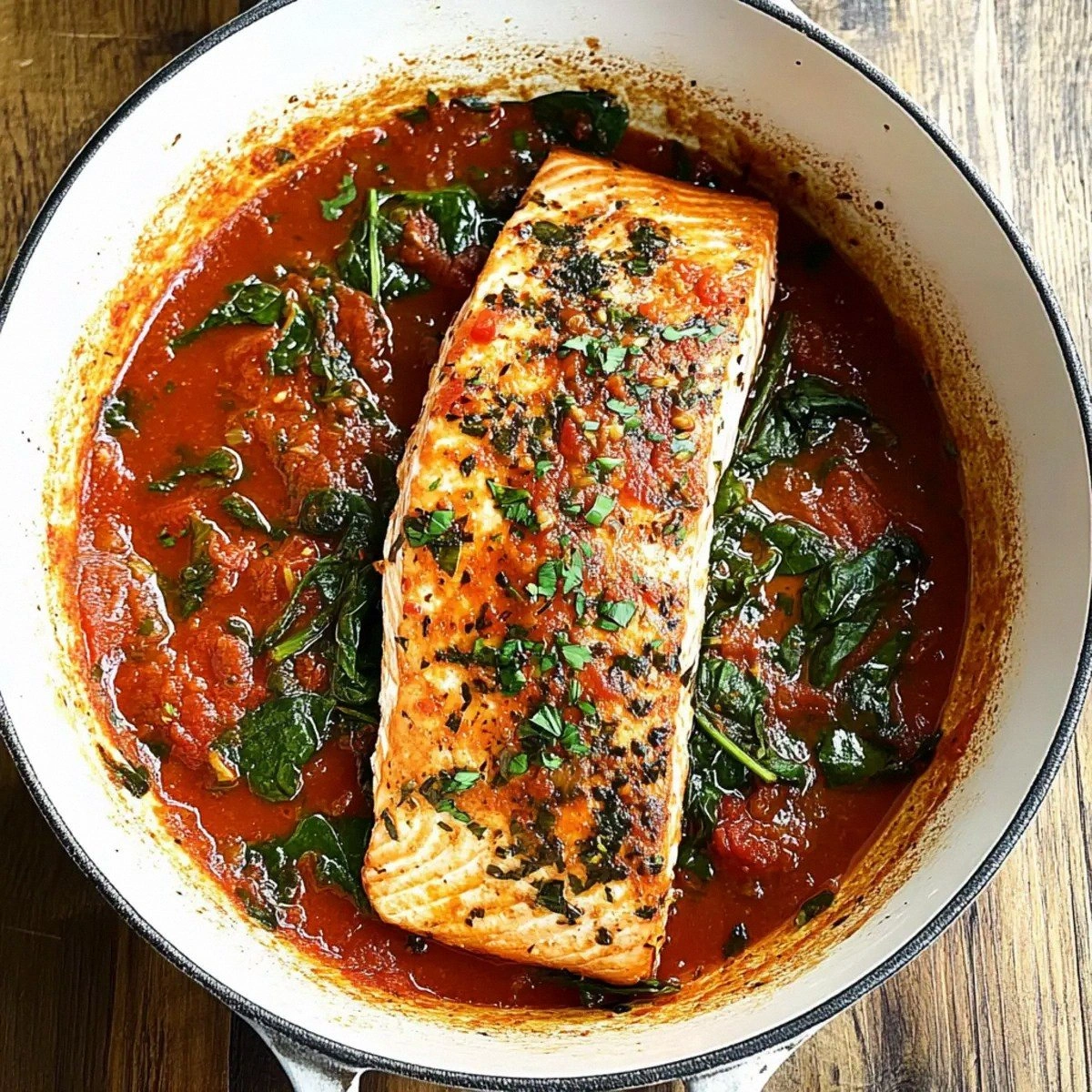
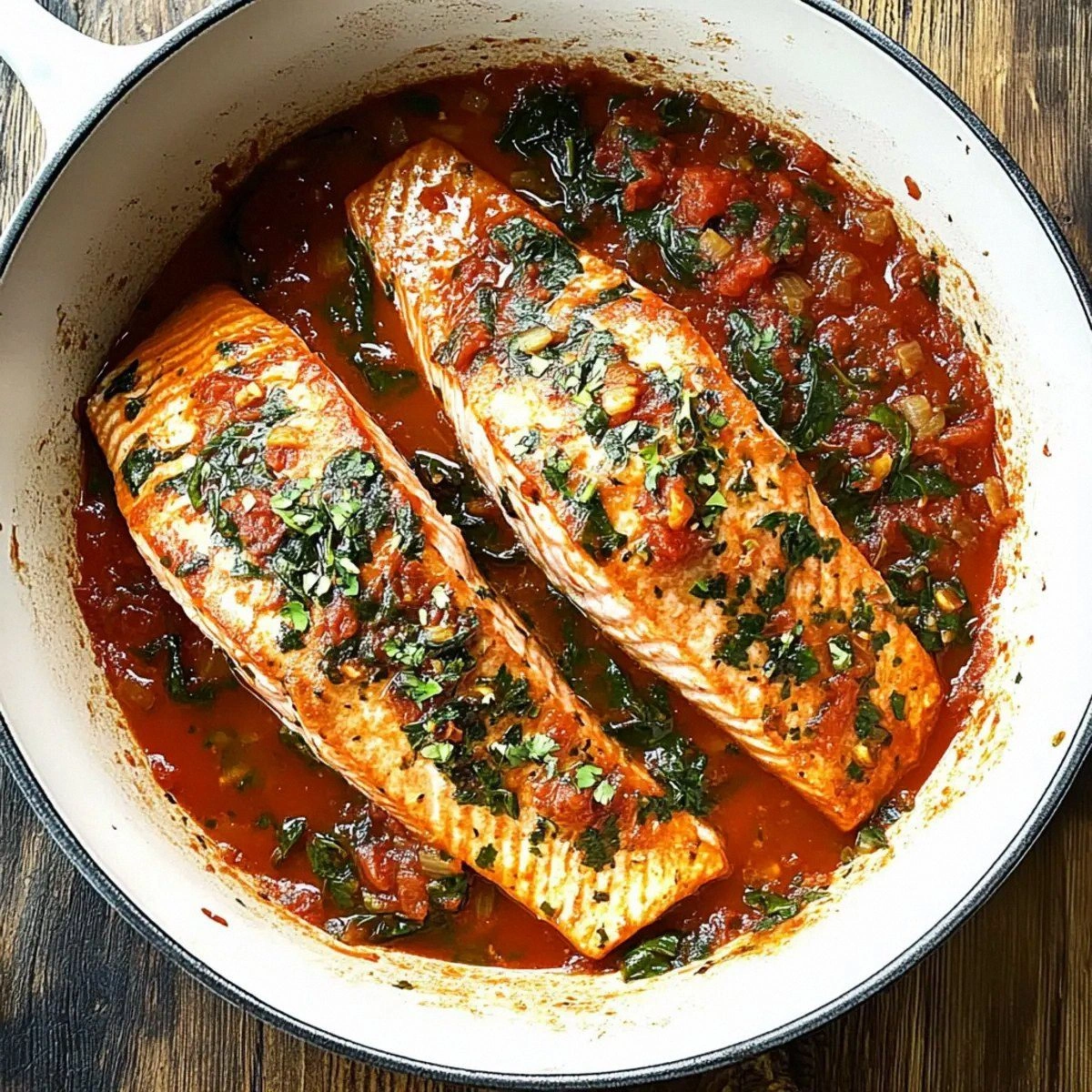
The moment the sauce hits the skillet, you hear a sizzle that’s practically a drumroll for flavor. The crushed tomatoes mingle with garlic and onion, creating a crimson river that clings to the salmon like velvet, while the spinach drops in like confetti at a parade. The aroma is a head‑on collision of sweet paprika, smoky oregano, and a whisper of anchovy that makes you feel like you’ve been transported to a tiny seaside trattoria in Naples. Every bite delivers a punch of heat that’s bold but never overwhelming, balanced by the buttery richness of the salmon and the creamy finish of Parmesan.
What makes this version stand out is the simplicity of a one‑skillet wonder combined with a depth of flavor that usually requires a dozen pots and a culinary degree. Most recipes get this completely wrong, either drowning the fish in a watery sauce or leaving it dry as a desert. Here, the sauce is reduced just enough to coat the salmon and spinach in a glossy, cling‑on‑everything glaze that makes each forkful a celebration. The trick? A single anchovy fillet that melts into the base, adding umami without any fishy aftertaste, and a splash of chicken broth that keeps everything luscious while preventing the tomatoes from scorching.
And the best part? You won’t need to run to the store for exotic herbs or spend an hour prepping. Most of the magic lives in the pantry staples you already have, plus a few fresh touches that elevate the dish from “just okay” to “hands down the best version you’ll ever make at home.” I’ll be honest — I ate half the batch before anyone else got to try it, and that’s a testament to how addictive this skillet marvel is. Okay, ready for the game‑changer? Let me walk you through every single step — by the end, you’ll wonder how you ever made it any other way.
What Makes This Version Stand Out
- Flavor Explosion: The combination of sweet paprika, fresh chili flakes, and anchovy creates a layered heat that builds with each bite, never flatlining like most “spicy” sauces.
- Texture Harmony: The salmon stays buttery and flaky while the spinach wilts just enough to stay vibrant, and the sauce clings like a silk scarf.
- One‑Skillet Simplicity: No extra dishes, no juggling pots — everything cooks together, meaning less cleanup and more time to admire your masterpiece.
- Ingredient Efficiency: You get maximum flavor from minimal ingredients; the anchovy is the unsung hero that turns a good sauce into an unforgettable one.
- Crowd‑Pleaser Factor: Even the pickiest eaters who claim they “don’t like spicy” will be seduced by the subtle heat and creamy finish.
- Make‑Ahead Potential: The sauce actually improves after a short rest, so you can prep it ahead of time and finish the salmon at the last minute.
- Season‑Neutral: This dish shines year‑round, whether you’re craving comfort in winter or a light, bright dinner in summer.
- Visual Wow: The deep red hue of the arrabbiata sauce against the pink salmon and emerald spinach is a plate that practically photographs itself.
Inside the Ingredient List
The Flavor Base
Olive Oil (2 tablespoons): This is the silent conductor that carries the heat from the pan to every ingredient. It also helps the garlic and onion develop that golden, caramelized sweetness. If you swap it for butter alone, you’ll miss the high‑smoke‑point stability that keeps the sauce from burning.
Unsalted Butter (1 tablespoon): Butter adds a luxurious mouthfeel and rounds out the acidity of the tomatoes. It also helps the sauce achieve that glossy sheen that makes it look restaurant‑ready. For a dairy‑free version, replace with a tablespoon of coconut oil, but expect a subtle coconut note.
Garlic Cloves (3): Fresh garlic gives the sauce its aromatic backbone. Crushing them first releases allicin, which is responsible for that pungent, slightly sweet flavor. If you forget to crush, the taste will be muted and you’ll lose that signature bite.
Yellow Onion (1 medium): Onions add sweetness that balances the acidity of the crushed tomatoes. Dice them finely so they melt into the sauce without creating chunky bites. A sweet Vidalia works wonders if you prefer a milder flavor.
Fresh Chili/Red Chili Flakes (1 teaspoon): This is where the “arrabbiata” (meaning angry) lives. Adjust to your heat tolerance, but remember: the heat intensifies as the sauce reduces. If you’re a spice‑novice, start with half a teaspoon and add more later.
The Texture Crew
Spinach (4 cups): Fresh spinach wilts quickly, adding a bright green contrast and a slight earthiness that grounds the dish. If you use frozen spinach, be sure to thaw and squeeze out excess water, or you’ll end up with a soupy mess.
Skinless Salmon Fillets (4): The star of the show. Choose fillets that are about 1‑inch thick for even cooking. Pat them dry before seasoning; moisture is the enemy of a good sear.
Grated Parmesan (½ cup): Parmesan adds a salty, nutty finish that melts into the sauce, thickening it just enough to cling to the fish. For a sharper edge, use Pecorino Romano instead.
The Unexpected Star
Anchovy Fillet (1): This tiny fish is the secret weapon. It dissolves into the oil, providing a deep umami that makes the sauce feel richer without tasting fishy. If you’re allergic or vegetarian, a dash of soy sauce can mimic the salty depth.
Tomato Paste (2 tablespoons): Concentrated tomato flavor that gives the sauce body and a dark, caramelized color. Skipping it will result in a watery, pale sauce that lacks depth.
Crushed Tomatoes (28 ounces): The backbone of the arrabbiata. Use high‑quality San Marzano if you can; they’re sweeter and less acidic, which balances the heat.
The Final Flourish
Chicken Broth (1 cup): Adds a savory depth without diluting the tomato intensity. If you’re vegetarian, swap with vegetable broth; the flavor will shift slightly but remain delicious.
Dried Oregano (1 teaspoon) & Dried Sage (1 teaspoon): These herbs give the sauce an Italian garden vibe. Oregano adds a piney note, while sage contributes an earthy, slightly peppery nuance. Crush the dried herbs between your fingers before adding to release their oils.
Sweet Paprika (1 teaspoon): This brings a subtle sweetness and a beautiful ruby hue. It also tempers the heat from the chili flakes, creating a balanced heat profile.
Salt & Black Pepper (1 teaspoon each): Fundamental seasonings that bring all the flavors together. Taste as you go; the anchovy already adds salt, so you may need less than the full teaspoon.
Chopped Parsley (¼ cup): Added at the end for a fresh, herbaceous pop that brightens the dish. It also adds a splash of color that makes the plate look restaurant‑worthy.
Everything's prepped? Good. Let’s get into the real action…
The Method — Step by Step
Heat a large, heavy‑bottomed skillet over medium‑high heat and drizzle in the olive oil. When the oil shimmers and you see the faint ripples, it’s ready. Toss in the minced garlic and diced onion, stirring constantly. You’ll hear a gentle sizzle that’s the prelude to caramelization; let it cook for about 3‑4 minutes until the onion turns translucent and the garlic is fragrant but not browned.
Now, crumble the anchovy fillet directly into the pan. It will melt almost instantly, turning the oil a deeper amber color. Add the tomato paste, stirring quickly to coat the aromatics. This is the moment of truth: the paste should darken just a shade, releasing a sweet, roasted aroma that tells you the base is building flavor.
Pour in the crushed tomatoes, followed by the chicken broth. Stir everything together, scraping the browned bits from the bottom of the pan — those are flavor gold. Sprinkle in the dried oregano, sage, sweet paprika, and the chili flakes. Reduce the heat to a gentle simmer and let the sauce bubble away for 10‑12 minutes, stirring occasionally.
Kitchen Hack: If the sauce thickens too quickly, splash in a splash more broth or water; you can always reduce it later.While the sauce reduces, season the salmon fillets on both sides with salt, pepper, and a light drizzle of olive oil. Pat them dry—this ensures a crisp edge. When the sauce has thickened to a glossy consistency that clings to the back of a spoon, make four shallow wells in the sauce and gently lay each salmon fillet skin‑side down into the wells.
Turn the heat down to medium‑low and cover the skillet with a lid. Let the salmon steam in the sauce for 8‑10 minutes.
You’ll know it’s done when the flesh flakes easily with a fork but still feels moist inside.Watch Out: Resist the urge to flip the salmon; flipping can cause the delicate flesh to break apart and lose the beautiful sauce coating.Open the lid and add the fresh spinach, sprinkling it over the top. It will wilt within a minute, turning a vibrant green that contrasts the red sauce. Stir gently to incorporate the spinach without breaking the salmon.
Kitchen Hack: If you want extra green texture, toss in a handful of arugula right at the end; it adds peppery bite.Turn off the heat and sprinkle the grated Parmesan over the entire skillet. Let it melt into the sauce for a minute, creating a silky finish that binds everything together. This is the final flourish that turns a good dish into a great one.
Finish with the chopped parsley, giving the dish a fresh pop of color and aroma. Give the skillet one last gentle stir, making sure each salmon fillet is generously coated. Taste and adjust salt or pepper if needed; remember the anchovy already contributed salt, so be cautious.
Serve the salmon directly from the skillet, spooning extra sauce over the top, and watch your guests’ faces light up. Pair with crusty bread or a simple side of al dente pasta if you need to stretch the meal. That’s it — you did it. But hold on, I’ve got a few more tricks that’ll take this to another level…
Insider Tricks for Flawless Results
The Temperature Rule Nobody Follows
Never start with a scorching pan; a medium‑high heat is enough to get the oil shimmering. If the pan is too hot, the garlic will burn before the onions have a chance to soften, leaving a bitter aftertaste. I once cranked the heat to “max” and ended up with a blackened bottom that ruined the whole batch. The secret is to listen to the sound of the oil — a gentle hiss means you’re at the sweet spot.
Why Your Nose Knows Best
Before you add the tomatoes, take a moment to inhale the aromatics. If you smell a nutty, caramelized scent from the garlic and onion, you’re ready for the tomatoes. If the scent is still raw, give the base another minute. Trusting your nose saves you from a sauce that tastes flat or overly acidic.
The 5‑Minute Rest That Changes Everything
After the skillet is off the heat, let it sit for five minutes with the lid on. This rest allows the flavors to meld, the sauce to thicken slightly, and the salmon to finish cooking gently from residual heat. I’ve seen people serve immediately and miss out on that harmonious blend; the difference is like night versus day.
Don’t Overcrowd the Pan
If you’re cooking for a crowd, use two skillets rather than piling eight fillets into one. Overcrowding drops the pan temperature, causing the salmon to steam rather than sear, which defeats the purpose of that coveted crispy edge. My friend tried to fit all four fillets into a tiny pan and ended up with soggy fish — a hard lesson learned.
Finish With a Splash
Just before serving, drizzle a teaspoon of high‑quality extra‑virgin olive oil over the top. This adds a fresh, fruity note that lifts the entire dish. It’s a pro tip I stole from a Michelin‑starred chef, and it makes the sauce glisten like a ruby‑red jewel.
Creative Twists and Variations
This recipe is a playground. Here are some of my favorite ways to switch things up:
Smoky Chipotle Salmon
Swap the fresh chili flakes for chipotle powder (½ tsp) and add a teaspoon of smoked paprika. The result is a smoky, slightly sweet heat that pairs beautifully with the salmon’s richness. Great for a backyard BBQ vibe.
Creamy Coconut Arrabbiata
Stir in ¼ cup of coconut milk during the last two minutes of simmering. The coconut adds a subtle tropical sweetness that mellows the heat, making it perfect for those who love a hint of exotic flavor.
Veggie‑Heavy Version
Replace the salmon with thick‑cut tofu cubes or a medley of roasted cauliflower and chickpeas. The sauce clings just as well, and you get a plant‑based powerhouse that’s still packed with protein.
Herb‑Infused Twist
Add a handful of fresh basil leaves at the end, alongside the parsley. Basil’s sweet, peppery notes complement the oregano and sage, giving the dish a fresh garden feel.
Wine‑Infused Elegance
Deglaze the pan with ½ cup of dry white wine after the onions are softened, before adding the tomatoes. The wine adds acidity and depth, turning the dish into a sophisticated dinner party centerpiece.
Spicy Sausage Upgrade
Brown slices of Italian spicy sausage with the garlic and onion before adding the tomatoes. This adds a hearty, meaty dimension that makes the dish even more filling.
Storing and Bringing It Back to Life
Fridge Storage
Allow the skillet to cool to room temperature, then transfer the salmon and sauce to an airtight container. Store in the refrigerator for up to 3 days. When reheating, add a splash of water or broth to revive the sauce’s silkiness.
Freezer Friendly
Portion the cooked salmon and sauce into freezer‑safe bags, removing as much air as possible. Freeze for up to 2 months. Thaw overnight in the fridge, then reheat gently on the stove, again adding a splash of liquid to prevent drying.
Best Reheating Method
Reheat on the stovetop over low heat, covered, for 5‑7 minutes, stirring occasionally. Avoid microwaving, as it can cause the salmon to become rubbery and the sauce to separate. A tiny splash of water before reheating creates steam that brings the dish back to its original glossy glory.