I still remember the first time I made roasted red pepper pasta. It was a Tuesday night, I was wearing mismatched socks, and my smoke alarm was having an existential crisis because I'd cranked the broiler too high trying to char peppers like some overzealous contestant on a cooking show. The kitchen looked like a crime scene, red pepper skins stuck to every surface, and I was ready to declare defeat and order takeout. But then I tasted that sauce—silky, smoky, with a sweetness that made me do a literal double-take—and suddenly the chaos felt worth it. That moment when the roasted peppers hit the cream and transformed into this sunset-hued dream sauce? Pure kitchen magic that had me dancing around with a wooden spoon like I'd won the lottery.
Fast forward through three months of weekly iterations, countless pounds of pasta, and one unfortunate incident where I accidentally used habaneros instead of bell peppers (pro tip: don't do that), and I've cracked the code to what I genuinely believe is the most addictive pasta sauce you'll ever make at home. This isn't just another creamy pasta recipe—this is the one that'll make you cancel dinner plans because you want to stay home and eat it straight from the pot. The sauce coats each noodle like liquid velvet, with charred edges that add this incredible depth that store-bought sauces can only dream of achieving.
What makes this version different? We're not just blending roasted peppers into cream and calling it a day. We're building layers of flavor that'll make your taste buds do backflips. The secret lies in how we treat those peppers—roasting them until they're blistered and blackened, then coaxing out every last drop of their sweet, smoky essence. Trust me, once you taste this sauce, you'll understand why I ate half the batch standing at the stove, burning my tongue because I couldn't wait for it to cool down.
Let me walk you through every single step—by the end, you'll wonder how you ever made it any other way.
What Makes This Version Stand Out
This isn't your average creamy pasta situation. I've tested this recipe on my most critical friends (you know, the ones who'll tell you if your cooking tastes like cardboard), and they literally asked for the recipe before finishing their first bite. Here's why this version will ruin all other pasta for you:
- Flavor Bomb Status: The combination of fire-roasted peppers, slow-cooked garlic, and that hit of cream creates a sauce that's somehow both bright and rich at the same time. It's like sunshine and comfort food had a beautiful baby that decided to live on your pasta.
- Texture Paradise: We're talking silk-smooth sauce that clings to every ridge and curve of your pasta. No watery, separated mess here—this sauce knows how to commit to a relationship with your noodles.
- Weeknight Friendly: Despite tasting like you spent hours in the kitchen, this whole thing comes together in under 45 minutes. I've made it on Tuesday nights when I could barely keep my eyes open, and it still turned out restaurant-quality.
- Pantry Hero: Most of these ingredients are probably sitting in your kitchen right now, judging you for not using them sooner. Red peppers, cream, garlic—nothing fancy, but the technique makes them sing.
- Crowd Control: I've served this to picky kids, sophisticated food snobs, and my Italian grandmother who thinks American pasta is an abomination. They all asked for seconds. All of them.
- Make-Ahead Magic: The sauce actually gets better after a day in the fridge. The flavors meld and deepen like they're having a party and inviting all their friends. You'll thank yourself tomorrow.
Alright, let's break down exactly what goes into this masterpiece...
Inside the Ingredient List
The Flavor Base
The red bell peppers are obviously the star here, but not all peppers are created equal. You want the ones that feel heavy for their size, with skin so shiny it looks like it's been polished. These beauties are going to transform from humble vegetables into liquid gold. When roasted properly, they develop this incredible sweetness that's balanced by a subtle smokiness that'll make you wonder why you ever ate peppers any other way. Skip the pale, lightweight ones—they'll taste like disappointment and broken dreams.
Garlic is your best friend in this dish, but it needs the VIP treatment. Fresh cloves only, minced so fine they practically dissolve into the sauce. That powdered stuff in the jar? Leave it for emergencies only. We're building a flavor foundation here, not cutting corners. When the garlic hits that hot oil and fills your kitchen with its aroma, you'll understand why vampires stay away—nothing this good should be wasted on the undead.
The Texture Crew
Heavy cream is non-negotiable if you want that restaurant-quality richness. I've tried every substitute—half-and-half, whole milk, coconut cream—and while they'll all give you a sauce, none of them deliver that luxurious mouthfeel that makes you close your eyes when you taste it. The cream doesn't just add richness; it carries all those roasted pepper flavors and distributes them evenly across every bite of pasta. It's like the sauce's personal delivery service, making sure no noodle gets left behind.
Parmesan cheese needs to be the real deal, grated fresh from a block. That pre-grated stuff in the green can? It's seen better decades. Fresh Parmesan melts into the sauce and creates this incredible umami depth that makes people ask "what's in this?" in the best possible way. It should smell nutty and slightly sweet, not like cardboard. If your Parmesan doesn't make you want to eat it straight off the grater, find a better cheese.
The Unexpected Star
Red pepper flakes might seem counterintuitive in a sweet pepper sauce, but hear me out. Just a pinch adds this incredible complexity that makes the sweet notes sing even louder. It's like turning up the contrast on a photo—the flavors become more defined, more interesting. You won't taste heat unless you add too much, but you'll definitely notice something special that you can't quite put your finger on.
The Final Flourish
Fresh basil is your finishing move, the thing that takes this from really good pasta to "why are you opening a restaurant?" territory. Tear it roughly with your fingers—never cut it with a knife unless you want those edges to turn black and sad. The basil adds this bright, almost lemony note that cuts through the richness like a palate cleanser in plant form. If you can't find fresh, honestly, just leave it out. Dried basil in this dish is like wearing sneakers with a tuxedo—it technically works, but why would you do that to yourself?
Everything's prepped? Good. Let's get into the real action...
The Method — Step by Step
- Start by cranking your oven to 450°F. While it's heating, line a baking sheet with foil—trust me, you'll thank yourself later when you're not scrubbing pepper juices off metal. Cut your red peppers in half, remove the seeds and white membranes, then press them cut-side down on the sheet. You want them to lay flat so the skin gets maximum exposure to the heat. Slide them into the oven and let them roast until the skins are blistered and blackened, about 20-25 minutes. Your kitchen will start smelling like a Mediterranean vacation.
- When the peppers look like they've been through a war zone—black, blistered, and slightly collapsed—pull them out and immediately transfer to a bowl. Cover it tightly with plastic wrap. This creates a steam chamber that loosens the skins and makes peeling them feel like unwrapping a present. Let them sit for about 10 minutes while you prep everything else. The anticipation is killing you, I know, but good things come to those who wait.
- While the peppers are steaming, get your pasta water going. Salt it like you mean it—the water should taste like the sea. This is your only chance to season the pasta itself, and undersalted pasta can ruin an otherwise perfect dish. I use about a tablespoon of salt per quart of water. Bring it to a rolling boil while you start the sauce base.
- Heat the olive oil in a large skillet over medium heat. When it shimmers like a mirage, add your minced garlic. Here's the thing—don't let it brown. Browned garlic turns bitter and will fight with your sweet peppers for dominance. You want it just fragrant and barely golden, which takes about 30 seconds. Your nose will tell you when it's ready—that aroma should make you hungry instantly.
- Peel those peppers like you're revealing a secret. The skins should slip off easily, leaving you with silky, roasted flesh that looks like edible silk. Don't rinse them under water—that washes away flavor. Just peel and drop them into your blender. Add a pinch of salt and blend until completely smooth. The color should be a vibrant orange-red that makes you think of summer sunsets.
- Pour that pepper puree into your skillet with the garlic. It should sizzle enthusiastically when it hits the pan—that's the sound of flavor development. Let it bubble gently for about 5 minutes, stirring occasionally. This concentrates the flavors and cooks out any raw pepper taste. The sauce will darken slightly and become more intense. Your kitchen will smell like you should be charging admission.
- Now for the cream. Reduce the heat to low and pour it in slowly, stirring constantly. You want to marry these flavors, not shock them with temperature changes. The sauce will turn a gorgeous coral color that makes you want to paint your walls with it. Let it simmer gently for another 5 minutes, just until it thickens enough to coat the back of a spoon. If it gets too thick, splash in some pasta water. You're looking for the consistency of melted ice cream.
- While the sauce is doing its thing, cook your pasta until it's just shy of al dente. It should still have a firm bite because it'll finish cooking in the sauce. Save a cup of that starchy pasta water before you drain—it looks cloudy and unappetizing, but it's liquid gold for adjusting sauce consistency later. The starch helps the sauce cling to the pasta like they were made for each other.
- Add the Parmesan to your sauce, stirring until it's completely melted and incorporated. The sauce will become glossy and even more luxurious. Taste it now—add salt if needed, but remember the Parmesan is salty. Add your red pepper flakes if using, starting with just a pinch. You can always add more heat, but you can't take it away. The sauce should taste like summer in Italy, even if you've never been there.
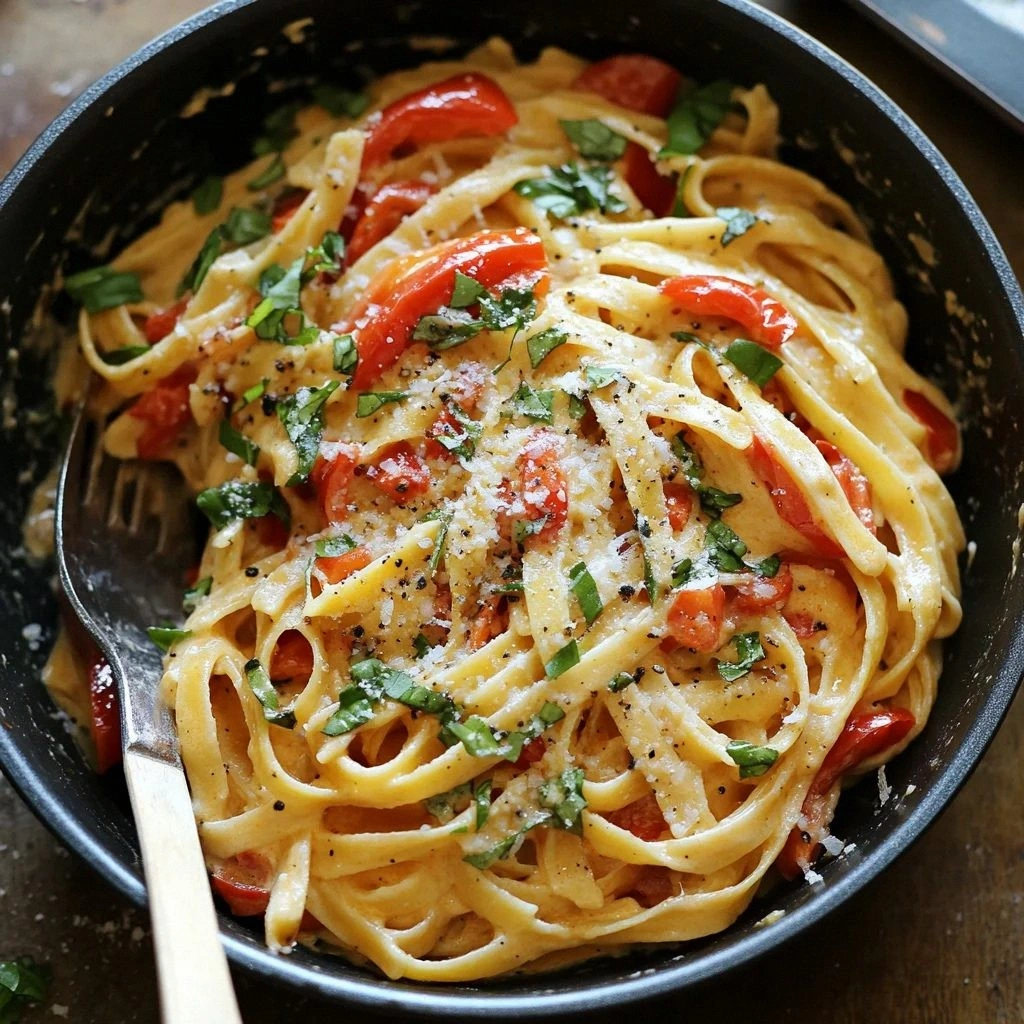
- Toss the drained pasta into the sauce, adding it gradually until everything is coated in that gorgeous coral blanket. If it seems too thick, add pasta water a tablespoon at a time until it's silky but not soupy. The pasta should swim in sauce, not drown. Let it all mingle for about 2 minutes so the pasta can absorb some of that flavor. This is when your neighbors start knocking on the door asking what smells so incredible.
- Off the heat, stir in most of your fresh basil, saving some for garnish. The residual heat will wilt it just enough to release its oils without turning it black. Serve immediately in warmed bowls—cold plates are the enemy of hot pasta. Top with the remaining basil and extra Parmesan if you're feeling fancy. That first bite? It's like a warm hug from someone who really knows how to cook.
That's it—you did it. But hold on, I've got a few more tricks that'll take this to another level...
Insider Tricks for Flawless Results
The Temperature Rule Nobody Follows
Here's the thing that separates restaurant pasta from home cooking: temperature control. Your sauce should never boil after you add the cream—it should just barely simmer with tiny bubbles around the edges. Too hot and the proteins in the cream seize up, giving you a grainy, separated mess that looks like cottage cheese had a bad day. Keep a small bowl of ice water nearby; if your sauce starts getting too enthusiastic, dip the bottom of your pan in it for 30 seconds. It's like giving your sauce a time-out to think about what it's done.
Why Your Nose Knows Best
Don't underestimate the power of smell in cooking. When your garlic is perfectly fragrant but not browned, you'll smell it before you see it. When your peppers are roasted enough, they'll smell sweet and slightly smoky, not burnt. And here's the real secret—when your sauce is perfectly seasoned, it should make your mouth water just from the aroma. If you're not salivating, it probably needs more salt. Your body is literally designed to respond to well-seasoned food, so trust your instincts.
The 5-Minute Rest That Changes Everything
After you toss the pasta with sauce, let it sit off the heat for 5 minutes before serving. I know, I know—you're hungry and it smells incredible. But this rest allows the pasta to absorb some sauce, the flavors to meld, and everything to reach the perfect eating temperature. It's like letting a steak rest, but for pasta. Those 5 minutes transform good pasta into pasta that makes people speechless. Use the time to set the table, pour wine, or just bask in the glory of what you've created.
The Pasta Water Trick That Never Fails
That cloudy, starchy pasta water isn't just for thinning sauce—it's liquid gold. The starch acts like a natural thickener and helps the sauce cling to every noodle. But here's the key: add it gradually. Start with just a tablespoon, toss everything together, and see how it looks. You want the sauce to coat the pasta but still be fluid enough to pool slightly on the plate. Think of it like adjusting the focus on a camera—small movements make big differences.
The Cheese Timing That Makes or Breaks It
Add your Parmesan off the heat, never while it's at a rolling boil. The residual heat will melt it perfectly without making it stringy or clumpy. If you need to reheat the sauce, do it gently over low heat, stirring constantly. And here's a confession: I sometimes add a tiny bit more cheese right before serving for that fresh, nutty hit. It's like the difference between perfume that lasts all day versus one that fades after an hour.
Creative Twists and Variations
This recipe is a playground. Here are some of my favorite ways to switch things up:
The Protein Powerhouse
Add grilled chicken or shrimp during the last minute of cooking. The smoky flavor from the grill plays beautifully with the roasted peppers, and the protein makes this feel like a complete meal instead of just really good carbs. I like to season the chicken with just salt, pepper, and a touch of smoked paprika to echo the pepper theme. The key is to grill it separately and add it at the end so the proteins don't dilute your perfect sauce.
The Veggie Overload
Toss in some roasted zucchini, cherry tomatoes, or spinach during the last few minutes. The vegetables add color, texture, and the satisfying feeling that you're being healthy even though you're eating cream sauce. My favorite combo is roasted cherry tomatoes—they burst in your mouth and add little pockets of acid that cut through the richness. Just roast them alongside your peppers until they're blistered and slightly collapsed.
The Spice Route
Replace the red pepper flakes with a pinch of smoked paprika and a tiny dash of cayenne. The smoked paprika amplifies the roasted flavor while the cayenne adds a gentle warmth that builds as you eat. It's like the difference between a gentle hug and a passionate embrace—both are nice, but one definitely has more oomph. Start small with the cayenne; you can always add more, but you can't un-spice your sauce.
The Seafood Sensation
Add seared scallops or chunks of fresh salmon right before serving. The sweetness of seafood and roasted peppers is a match made in culinary heaven. The trick is to cook the seafood separately with just salt and pepper, then let it rest on top of the pasta rather than mixing it in. This keeps the delicate seafood from getting lost in the sauce while ensuring every bite has that perfect surf-and-turf balance.
The Vegan Victory
Substitute the heavy cream with coconut cream and the Parmesan with nutritional yeast. I know, I know—nutritional yeast sounds like something you'd find in a health food store from 1973, but it actually adds a cheesy, nutty flavor that works surprisingly well. Use full-fat coconut cream, not coconut milk, and add a tablespoon of lemon juice to brighten everything up. The result is dairy-free but still indulgent, like a healthy version of comfort food.
The Breakfast-for-Dinner Special
Add a soft-boiled egg on top of each serving. When you break the yolk, it mingles with the sauce and creates this incredible richness that makes breakfast-for-dinner feel like a special occasion instead of just being too tired to cook. The runny yolk adds another layer of sauce-like richness while the whites provide textural contrast. It's like carbonara's cooler, more sophisticated cousin who studied abroad in Italy.
Storing and Bringing It Back to Life
Fridge Storage
The sauce keeps beautifully in the refrigerator for up to 4 days, but store it separately from the pasta if possible. The sauce will thicken into a spread-like consistency that might alarm you, but don't panic—this is normal and actually concentrates the flavors. Store it in an airtight container, and when you're ready to use it, let it come to room temperature for 30 minutes before reheating. This prevents that grainy texture that happens when cold dairy hits hot pans too quickly.
Freezer Friendly
You can freeze the sauce for up to 3 months, but here's the key: freeze it in ice cube trays first, then transfer the frozen cubes to a freezer bag. This gives you perfect portion control and means you can defrost exactly what you need. The cream might separate slightly upon thawing, but a vigorous whisk or quick blend will bring it back together. Never freeze it with pasta—thawed pasta has the texture of sadness and regret.
Best Reheating Method
Gentle is the name of the game here. Thaw frozen sauce overnight in the fridge, then warm it slowly in a pan over low heat, whisking constantly. Add a splash of cream or milk to bring it back to the right consistency—it's like giving your sauce a spa treatment. For refrigerated sauce, add a tablespoon of water and heat slowly, stirring often. Never use the microwave unless you enjoy grainy, separated sauce that looks like it has cottage cheese mixed in.