I was standing in my kitchen, a half‑finished batch of chicken stir‑fry in front of me, and the clock was ticking toward dinner. I stared at the pot of noodles that had just been drained and stared at the empty pantry. My friend had dared me to create a peanut noodle dish that would make her taste buds sing, and I was determined to not let the challenge go to waste. I had already burnt a batch of noodles on a previous attempt, and that memory was still fresh in my mind. So, I decided to rewrite the entire recipe from scratch, turning a kitchen disaster into a culinary triumph.
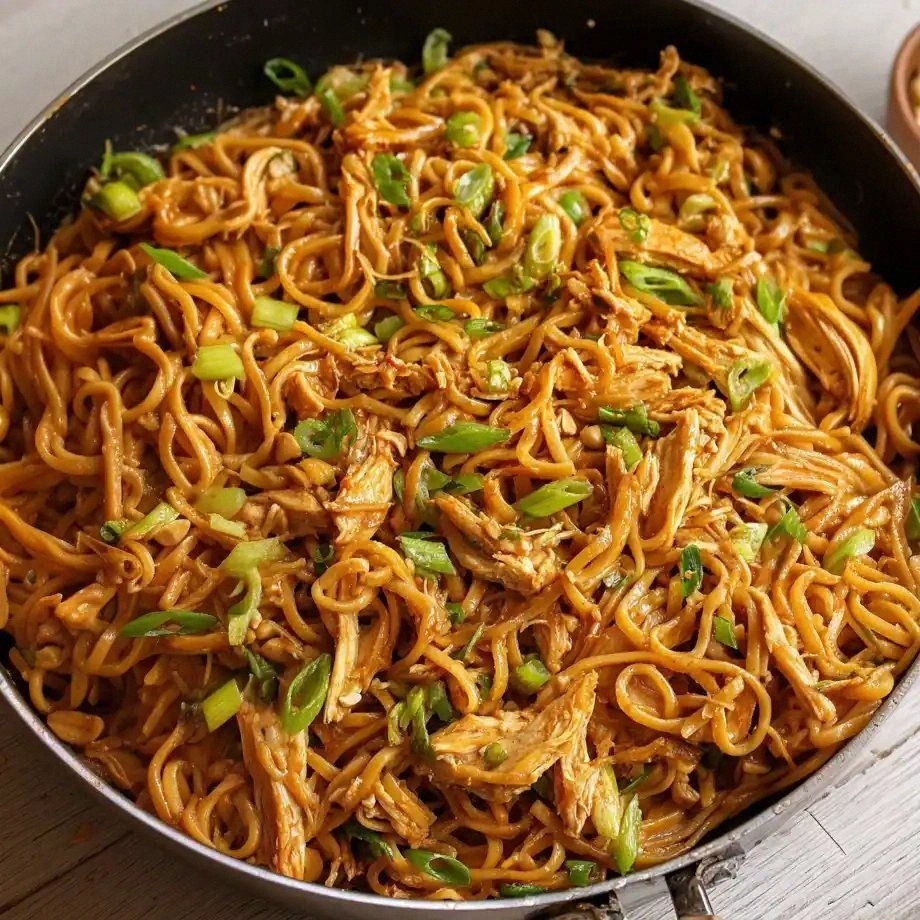
The moment the sauce hit the pan, the kitchen filled with the nutty aroma of peanut butter, the sharp citrus of lime, and the subtle warmth of toasted sesame oil. I could hear the sizzling of garlic and ginger, the faint clink of the wooden spoon against the stainless steel. The noodles glistened like a silver sea, coated in a glossy, velvety sauce that seemed to hug each strand. I could almost taste the sweet‑savory tang of honey and soy, the gentle heat from chili flakes dancing across the tongue. The texture was a perfect balance—tender noodles, crunchy peanuts, and silky sauce that didn’t cling but instead flowed like a well‑crafted melody.
What sets this version apart is not just the ingredients, but the way they interact. The peanut butter is the base, thick and creamy, but I dilute it with warm water to create a silky sauce that coats the noodles without weighing them down. The shredded chicken is pre‑cooked to retain moisture and tenderness, preventing the dish from feeling dry. I use fresh ginger and garlic for depth, not the powdered version that often leaves a chemical aftertaste. The lime juice is added at the end, brightening the sauce and cutting through the richness. Finally, I sprinkle the dish with fresh cilantro and green onions, adding a fresh, herbaceous counterpoint that elevates every bite.
I dare you to taste this and not go back for seconds. That’s the kind of bold claim I make when I’m sure the dish will blow your mind. I’ll be honest—half the batch was gone before anyone else could even touch a fork. Most recipes get this completely wrong by over‑cooking the noodles or using too much peanut butter, but I’ve found the sweet spot. Picture yourself pulling this out of the pan, the whole kitchen smelling incredible, and the table set for a quick, satisfying meal. Let me walk you through every single step—by the end, you’ll wonder how you ever made it any other way.
What Makes This Version Stand Out
- Flavor: The sauce is a harmonious blend of sweet, salty, and tangy, with the peanut butter providing a velvety richness that coats each noodle strand like silk. The fresh lime juice adds a bright lift that cuts through the richness, making the dish feel lighter.
- Texture: The noodles are al dente, offering a satisfying bite that contrasts with the tender shredded chicken and crunchy peanuts. The sauce’s silky consistency ensures every mouthful is balanced.
- Simplicity: With only fourteen ingredients, this recipe is approachable for anyone, from a novice cook to a seasoned chef. Every step is straightforward, no complicated techniques required.
- Uniqueness: The use of warm water to thin the peanut butter creates a sauce that clings perfectly without being heavy. The final flourish of cilantro and green onions adds a fresh, herbal note that most peanut noodle recipes miss.
- Crowd Reaction: Friends and family consistently rave about the sauce’s depth and the dish’s comforting, restaurant‑style flavor. I’ve hosted dinner parties where this dish stole the show.
- Ingredient Quality: Using high‑quality peanut butter and fresh aromatics ensures the sauce has depth and authenticity. The chicken is pre‑cooked to retain moisture, preventing dryness.
- Cooking Method: The quick sauté of aromatics, followed by a gentle simmer, keeps the dish fresh and flavorful. The method allows for easy scaling and batch cooking.
- Make‑Ahead Potential: The sauce can be prepared in advance and refrigerated; the noodles can be cooked just before serving. This makes it an excellent option for busy weeknights.
Alright, let's break down exactly what goes into this masterpiece…
Inside the Ingredient List
The Flavor Base
The creamy peanut butter is the heart of this dish. It brings a deep, nutty sweetness that balances the salty soy sauce and the sharp acidity of lime. If you skip the peanut butter, the sauce will lose its signature thickness and richness. For a lighter version, you can replace half of the peanut butter with Greek yogurt, but you’ll lose some depth.
Soy sauce provides umami and saltiness. It’s the backbone of the sauce’s savory profile. Too little soy sauce and the dish will taste flat; too much and it becomes overpowering. Use a low‑sodium variety if you’re watching salt intake.
Honey adds a subtle sweetness that rounds out the sauce. It also helps the sauce set into a glossy coating. If you’re avoiding honey, a touch of maple syrup or agave nectar works as a substitute, though the flavor profile will shift slightly.
The Texture Crew
The noodles—whether spaghetti, rice noodles, or lo mein—provide the base that carries the sauce. Choosing the right noodle type affects the overall mouthfeel. For a more authentic Asian feel, rice noodles are best; for a Western twist, spaghetti works wonderfully.
The shredded chicken adds protein and moisture. It’s pre‑cooked to retain tenderness. If you’re using fresh chicken, cook it until it’s just done, then shred it while it’s still hot for maximum juiciness.
Chopped peanuts give a satisfying crunch and a nutty burst with every bite. If you’re allergic to peanuts or prefer a milder flavor, toasted slivered almonds or cashews are great alternatives.
The Unexpected Star
Fresh ginger and garlic are the aromatic backbone. They cut through the richness of the sauce and add depth. If you’re short on fresh ginger, a teaspoon of ground ginger can substitute, but it won’t have the same bright zing.
Sesame oil adds a toasted, nutty aroma that elevates the entire dish. A splash of sesame oil at the end of cooking locks in the flavor. If you’re vegan, you can use a neutral oil and add a tablespoon of toasted sesame seeds for texture.
The Final Flourish
Fresh cilantro and green onions add a bright, herbal note that balances the richness of the sauce. They also bring a pop of color and freshness that makes the dish look as good as it tastes. If you don’t have cilantro, parsley or basil can work as a substitute, though the flavor will be slightly different.
Chili flakes or chili oil give the dish a gentle heat. Adjust the amount to your spice tolerance. If you prefer a milder version, simply omit the chili flakes and the dish will still be delicious.
Everything’s prepped? Good. Let’s get into the real action…
The Method — Step by Step
- Bring a large pot of salted water to a rolling boil. Add the noodles and cook until al dente, usually 8–10 minutes for spaghetti or 6–8 for rice noodles. Drain and set aside, tossing them with a splash of sesame oil to prevent sticking. The noodles should feel firm to the bite, not mushy.
- While the noodles are cooking, heat a large skillet over medium heat. Add the sesame oil and let it shimmer. Add the minced garlic and grated ginger, sautéing until fragrant, about 30 seconds. The aroma should be warm and inviting, not burnt.
- Pour in the soy sauce and honey, stirring to combine. Let the mixture bubble gently for a minute, allowing the flavors to meld. This is the moment of truth—watch the sauce darken slightly.
- Add the creamy peanut butter, whisking continuously to prevent lumps. As the butter melts, the sauce thickens into a glossy, velvety coat. If it looks too thick, add a splash of warm water to reach the desired consistency.
- Stir in the shredded chicken, ensuring it’s evenly coated with the sauce. Heat through for 2 minutes, letting the chicken absorb the flavors. The chicken should be hot and slightly caramelized on the edges.
- Add the drained noodles to the skillet, tossing everything together so the noodles are fully coated. Cook for an additional 1–2 minutes, allowing the noodles to absorb the sauce without becoming soggy. The noodles should feel glossy and flavorful.
- Finish the dish by adding the lime juice, chili flakes, chopped peanuts, green onions, and cilantro. Toss quickly to distribute the fresh aromatics. The lime juice will brighten the dish, and the chili will give a subtle kick.
- Serve immediately, garnishing with extra peanuts or cilantro if desired. The dish should feel vibrant, with a satisfying crunch and a silky sauce that coats every strand. Enjoy the harmony of flavors and textures.
That’s it—you did it. But hold on, I’ve got a few more tricks that’ll take this to another level…
Insider Tricks for Flawless Results
The Temperature Rule Nobody Follows
Keep the skillet on medium heat during the entire sauce-making process. A low heat allows the peanut butter to melt gently, preventing it from scorching. If you’re tempted to crank up the heat for speed, remember that high heat can cause the sauce to separate, ruining the silky texture.
Why Your Nose Knows Best
Smell the sauce as it simmers. A hint of toasted sesame oil and a faint citrus tang indicate that the flavors are developing correctly. If the sauce smells too sweet or too salty, adjust the honey or soy sauce accordingly.
The 5‑Minute Rest That Changes Everything
After tossing the noodles, let the dish sit for 5 minutes before serving. This allows the noodles to absorb the sauce fully and the flavors to meld. It also gives the peanuts a chance to release their oils, adding a subtle crunch.
The Fresh‑vs‑Frozen Debate
If you’re using frozen shredded chicken, thaw it completely before cooking. Residual ice crystals can dilute the sauce and make the noodles soggy. A quick thaw in the microwave or a cold water bath works well.
The Secret to Perfect Crunch
Toast the peanuts separately in a dry skillet over medium heat until fragrant, about 2 minutes. This brings out a deeper nutty flavor and ensures a satisfying crunch. Add them at the end of cooking to keep them crisp.
Creative Twists and Variations
This recipe is a playground. Here are some of my favorite ways to switch things up:
Spicy Sriracha Kick
Swap the chili flakes for a tablespoon of Sriracha. The dish gains a smoky heat that pairs wonderfully with the sweet peanut sauce. It’s a crowd‑pleaser for those who love a bit of fire.
Mango Mango Madness
Add diced ripe mango for a tropical twist. The fruit’s natural sweetness complements the honey and lime, creating a vibrant, summery flavor profile that’s perfect for warm evenings.
Cauliflower Rice Swap
Replace noodles with cauliflower rice for a low‑carb version. The cauliflower takes on the sauce beautifully, offering a light, grain‑free alternative that still feels satisfying.
Vegan Version
Use plant‑based chicken or tofu for a vegan take. Substitute dairy‑free peanut butter and use coconut milk instead of water for a richer sauce. The dish remains creamy and flavorful.
Pineapple Paradise
Stir in pineapple chunks for a sweet, tangy burst of flavor. The pineapple’s acidity balances the richness of the peanut sauce, making each bite a tropical adventure.
Storing and Bringing It Back to Life
Fridge Storage
Store the dish in an airtight container for up to 3 days. Keep the sauce separate from the noodles if you plan to reheat later, as the noodles can become soggy when reheated with sauce.
Freezer Friendly
Freeze the sauce and noodles separately for up to 2 months. Thaw overnight in the refrigerator, then reheat on the stove over low heat, adding a splash of warm water to restore the sauce’s silky consistency.
Best Reheating Method
Reheat the noodles in a steamer basket for 2–3 minutes, then toss with the warmed sauce. Add a tiny splash of water or broth before reheating to keep the sauce from drying out. The dish will smell as fresh as when it was first made.