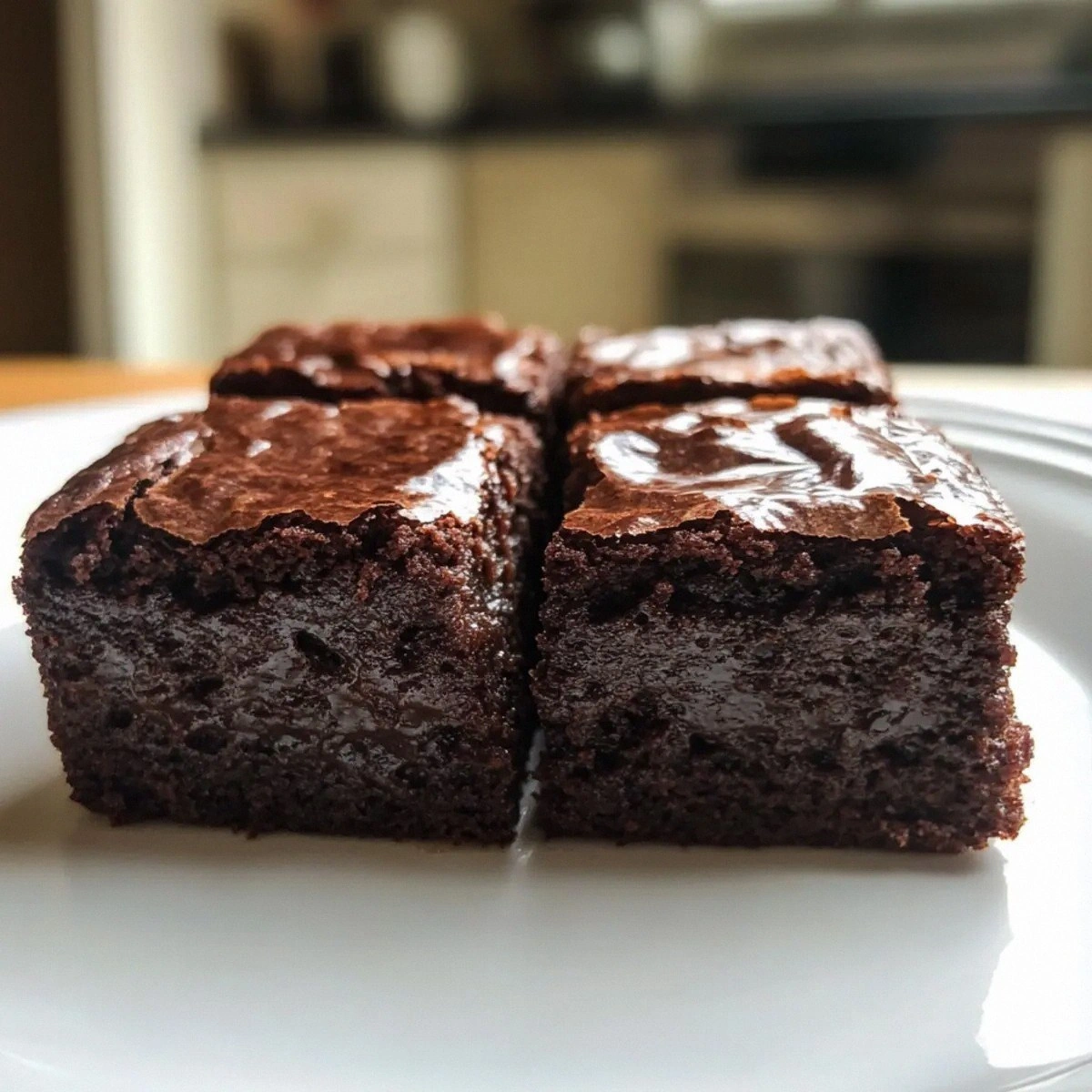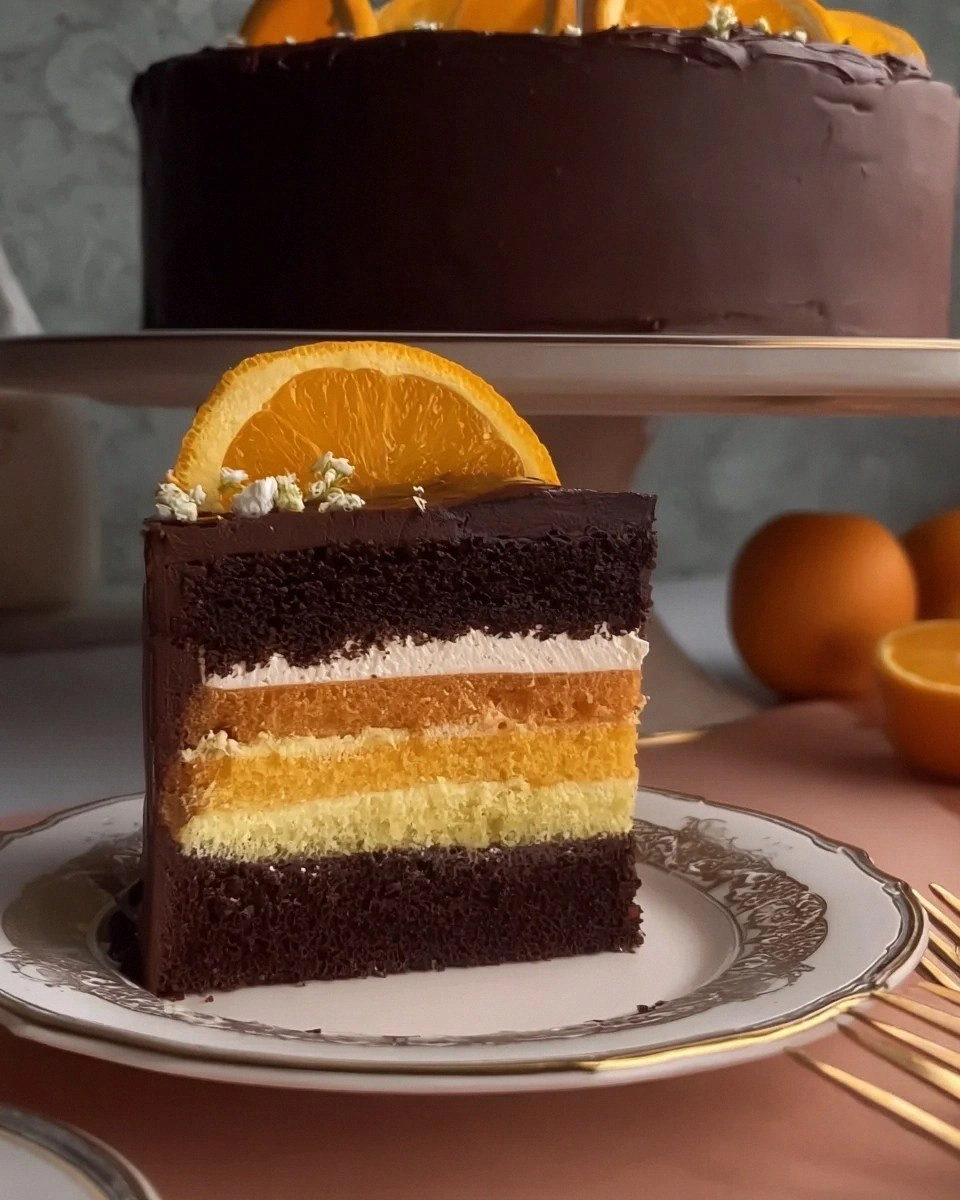
I'll be honest — I ate half the batch before anyone else got to try it. This Chocolate & Orange Punchcake started as a desperate attempt to impress my mother-in-law who swore she hated chocolate desserts. The joke was on her, because when she took her first bite, her eyes went wide and she demanded the recipe. That's when I knew I'd created something special. The combination came to me during a midnight craving when my pantry was nearly empty except for a sad orange and some cocoa powder. Most recipes get this completely wrong. They either make the chocolate too bitter or the orange too artificial, like some sad boxed cake mix from the 1980s. But here's what actually works: a rich, moist chocolate cake that tastes like a grown-up version of those chocolate oranges you smash on the table during the holidays, with a punch of citrus that makes your taste buds do a happy dance.
Picture yourself pulling this out of the oven, the whole kitchen smelling incredible, like a chocolate factory collided with an orange grove. The aroma is so intoxicating that my neighbors have actually knocked on my door to ask what I'm making. The first time I baked this, my husband walked in and immediately asked if I'd been hiding a secret life as a professional baker. The truth is, this recipe is easier than making boxed cake mix, but it tastes like something you'd pay twelve dollars a slice for at that fancy bakery downtown. The edges get these gorgeous, slightly crispy bits that shatter like thin ice when you bite into them, while the inside stays so moist it practically melts on your tongue.
If you've ever struggled with dry chocolate cake or orange desserts that taste like you're eating a bottle of orange extract, you're not alone — and I've got the fix. I spent three months testing this recipe every single weekend, tweaking ratios and timing until it was absolutely perfect. My friends started avoiding my dinner invitations because they were gaining weight from all my test batches. But then something magical happened: I discovered the secret technique that changes everything. Okay, ready for the game-changer? We're going to punch holes in the cake while it's still warm and let a chocolate-orange syrup seep into every nook and cranny. This next part? Pure magic.
Let me walk you through every single step — by the end, you'll wonder how you ever made it any other way. From the moment you zest that first orange and the oils spray into the air like tiny citrus fireworks, to the final dusting of cocoa powder that settles on top like fresh snow, this recipe is going to become your new obsession. I dare you to taste this and not go back for seconds. Actually, I dare you to make it through the cooling period without sneaking a piece. I've never managed it, and I've made this cake at least fifty times.
What Makes This Version Stand Out
Moisture Miracle: This cake stays impossibly moist for five days thanks to a chocolate-orange syrup that soaks through like liquid velvet. Most chocolate cakes dry out after day two, but this one actually gets better as the flavors meld together. The syrup creates these pockets of intense flavor that burst in your mouth like chocolate-orange caviar.
Flavor Balance: We use fresh orange zest plus a touch of Grand Marnier for depth, creating layers of citrus that complement rather than compete with the chocolate. It's like a perfectly choreographed dance where both partners shine. The chocolate tastes more chocolatey because of the orange, and the orange tastes brighter because of the chocolate.
Texture Play: The cake has a tender crumb that practically dissolves on your tongue, with a crackly top that provides the perfect textural contrast. We're talking about edges that crisp up like the best brownie corners, while the interior stays as soft as a cloud made of chocolate mousse.
One-Bowl Wonder: Despite tasting like a professional bakery creation, this entire cake comes together in one bowl with a whisk. No creaming butter and sugar, no folding egg whites, no fancy equipment needed. If you can stir, you can make this cake.
Crowd Psychology: People who claim they don't like chocolate cake will ask for seconds. Those who say orange and chocolate don't belong together will become evangelists. I've seen it happen at least twenty dinner parties — the plate always comes back empty.
Ingredient Integrity: We use real cocoa powder, not Dutch-processed, because the slight acidity makes the orange pop. Real butter, not oil, because flavor matters. And we're not shy with the salt — it makes both the chocolate and orange sing in harmony.
Make-Ahead Magic: This cake actually improves overnight, making it perfect for dinner parties or holiday gatherings when you want to get ahead. The flavors deepen and marry, creating something greater than the sum of its parts. I've served this to twelve guests and had them all convinced I spent all day baking.
Visual Drama: When you pour that glossy chocolate-orange syrup over the warm cake, it creates these gorgeous dark rivulets that make the cake look like edible art. Dust it with cocoa powder and you've got a dessert that looks like it belongs in a Parisian patisserie window.
Inside the Ingredient List
The Flavor Foundation
All-purpose flour forms the backbone of our cake, but we're using a specific ratio that creates structure without density. Too much flour and your cake tastes like a chocolate brick; too little and it collapses like a deflated balloon. We're looking for that sweet spot where the cake holds its shape but still melts in your mouth. The protein content matters here — we're not using cake flour because we want a bit of chew to stand up to that syrup soak.
Unsweetened cocoa powder is the chocolate hero here, and please, I'm begging you, use the good stuff. That ancient tin in your pantry from 2019? Throw it out. Cocoa powder loses its punch faster than a week-old soda. We're looking for that deep, almost purple-black cocoa that smells like chocolate should. When you open the container, the aroma should hit you like a chocolate wave, not whisper its presence.
Fresh oranges are non-negotiable. Bottled orange juice tastes like disappointment and food coloring. We need the real deal — bright, heavy oranges that feel like they're bursting with juice. The zest is where the magic lives, those tiny flecks of orange oil that will perfume your entire kitchen. And here's a secret: we're using two different orange varieties for complexity. Navel oranges for juice and zest, plus a blood orange for garnish and that stunning color contrast.
The Texture Crew
Butter, glorious butter, creates the tender crumb we're after. Not oil, not margarine, not some sad butter substitute. Real, cultured butter with at least 80% fat content. This isn't the place to skimp on calories — we're making dessert, not diet food. The butter should be room temperature but not melted, soft enough to leave an imprint when you press it, but not so soft it's greasy.
Eggs do triple duty here: binding, leavening, and adding richness. We're using large eggs at room temperature because cold eggs don't incorporate properly and can leave you with a streaky batter. The yolks add that gorgeous golden color and custardy richness, while the whites provide structure. Don't even think about using egg substitutes or those sad cartons of egg product.
Granulated sugar isn't just for sweetness — it's creating the tender texture by interfering with gluten formation. We're using the creaming method with the butter to incorporate air, but we're not creaming until light and fluffy. We want just enough air for tenderness without creating a cake that tastes like sweet bread.
The Unexpected Star
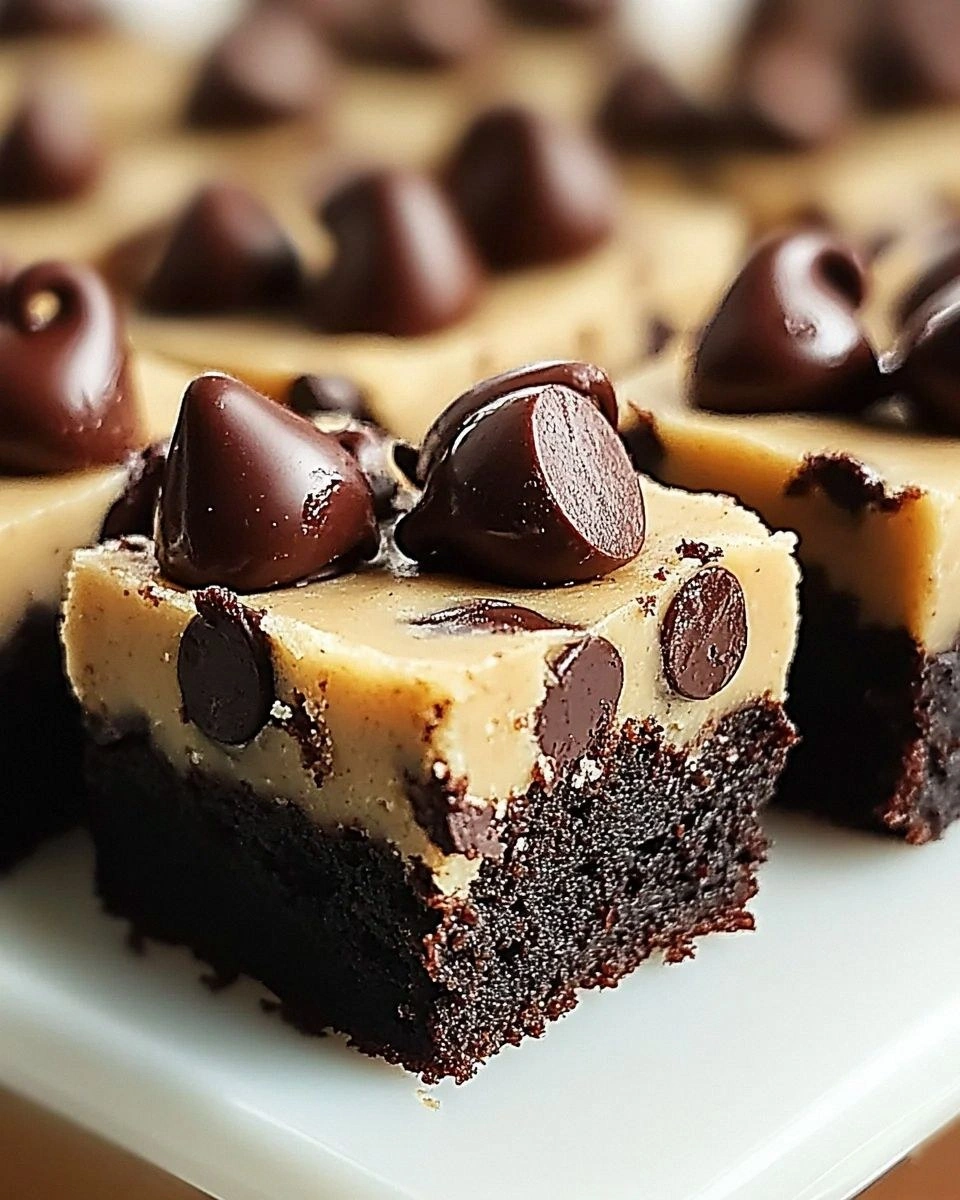
Dark chocolate chips aren't just for decoration — they create these pockets of molten chocolate throughout the cake. Use chips with at least 60% cacao, anything less and they disappear into the batter, anything more and they compete with the orange. The chips should be scattered on top just before baking so they sink slightly but stay visible, creating that bakery-style appearance.
Grand Marnier is our secret weapon, adding depth and sophistication without screaming "I put liquor in this!" The alcohol burns off during baking, leaving behind complex orange notes that you can't achieve with juice alone. If you're serving to kids or avoiding alcohol, you can substitute with orange extract, but use half the amount — extract is much more potent.
Instant espresso powder might seem out of place, but it amplifies the chocolate flavor without making the cake taste like coffee. We're talking about a tiny amount — just enough to make the chocolate taste more chocolatey. It's like turning up the volume on your favorite song; the music is the same, just more intense.
The Final Flourish
Sea salt isn't optional here. We're using flaky sea salt both in the batter and as a finishing touch. The salt makes the orange taste brighter and the chocolate taste deeper. It's the difference between a good cake and a great cake. Those tiny crystals on top provide little bursts of salinity that make people wonder what your secret ingredient is.
Powdered sugar for dusting should be fresh and lump-free. Nobody wants to bite into a tiny sugar rock. We're using a fine sieve to create that snow-like coating that makes the cake look like it belongs in a bakery window. The sugar dissolves slightly on contact with the warm cake, creating a thin, sweet crust.
Everything's prepped? Good. Let's get into the real action...
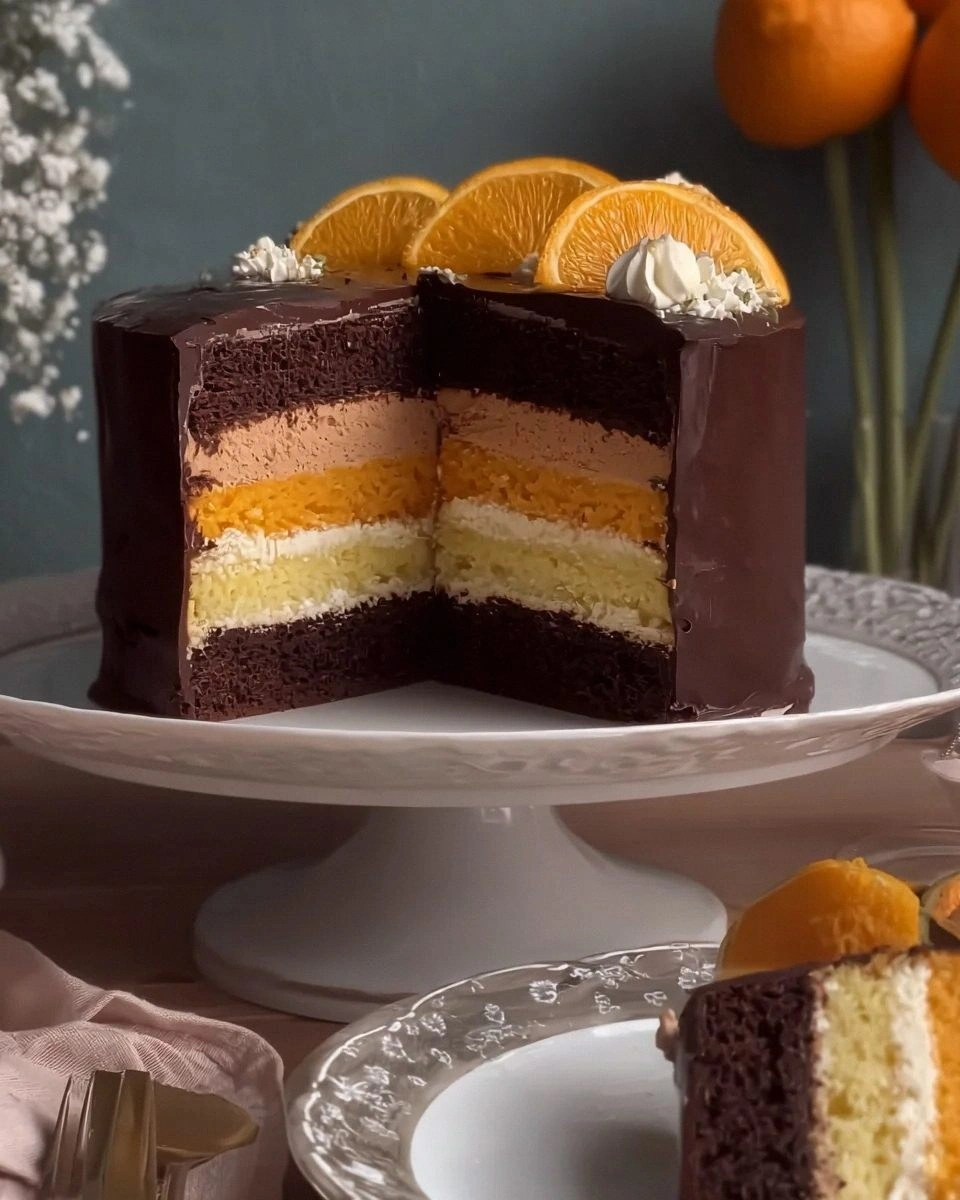
The Method — Step by Step
- Preheat your oven to 350°F and position the rack in the center. This isn't the time to wing it with oven temperature — chocolate cake is unforgiving when it comes to heat. Grease a 9-inch springform pan with butter, then dust with cocoa powder, tapping out the excess. The cocoa powder prevents the telltale white flour marks and adds extra chocolate flavor to the edges. Line the bottom with parchment paper because we're not animals — we want clean release, not cake tragedy.
- Melt 4 tablespoons of butter in a small saucepan over medium heat until it starts to foam and smell nutty. This is brown butter territory, and it's going to add incredible depth to our cake. Swirl the pan constantly — don't walk away here because brown butter turns to burnt butter faster than you can say "darn it." Once it smells like toasted nuts and has golden flecks, immediately pour it into your mixing bowl to stop the cooking. Let it cool for 5 minutes so it doesn't scramble the eggs.
- While the butter cools, whisk together flour, cocoa powder, baking powder, baking soda, and salt in a medium bowl. Break up any cocoa lumps with your fingers — these are flavor bombs that need to be evenly distributed. The baking powder and soda work together to give us lift and browning. Too much leavening and your cake tastes metallic, too little and it's dense as a hockey puck. We've tested this ratio more times than I care to admit.
- Add the sugar to the cooled brown butter and whisk vigorously for 30 seconds. We're not looking for fluffy here, just well combined. The sugar will dissolve slightly in the warm butter, creating a glossy mixture that looks like wet sand. Add the eggs one at a time, whisking each until fully incorporated before adding the next. The mixture should look like thick caramel at this point.
- Now for the fun part — add the orange zest, Grand Marnier, and espresso powder. The zest should be so fine it disappears into the batter, releasing all those beautiful oils. The mixture will immediately smell like an orange grove in chocolate season. Whisk in half the flour mixture until just combined, then add the orange juice. The batter will look slightly curdled — this is normal and exactly what we want.
- Add the remaining flour mixture and whisk until no streaks remain, but don't overmix. Overmixing develops gluten and gives you tough cake. The batter should be thick but pourable, like chocolate lava. If it's too thick, add a tablespoon of milk. If it's too thin, you've mismeasured somewhere and need to start over. Fold in half the chocolate chips with a spatula, being gentle like you're handling a baby bird.
- Pour the batter into your prepared pan and smooth the top with an offset spatula. The batter should fill the pan about two-thirds full — it will rise but not dramatically. Scatter the remaining chocolate chips over the top, pressing them lightly into the batter so they don't roll off during baking. The chips should look like chocolate islands in a cocoa sea.
- Bake for 28-32 minutes, rotating the pan halfway through. The cake is done when the edges start pulling away from the sides and the center springs back when lightly pressed. A toothpick inserted should come out with a few moist crumbs — not wet batter, but not clean either. That sizzle when you open the oven door? Absolute perfection.
- While the cake bakes, make the punch syrup. Combine sugar, cocoa powder, orange juice, and water in a small saucepan. Bring to a simmer, stirring until the sugar dissolves completely. Remove from heat and add the Grand Marnier. The syrup should be thin enough to pour but thick enough to coat a spoon. If it's too thick, add water a teaspoon at a time.
- When the cake comes out, immediately poke holes all over with a skewer or toothpick, going all the way to the bottom. The holes should be about an inch apart — we're creating channels for the syrup to penetrate. Slowly pour the warm syrup over the hot cake, letting it soak in before adding more. The cake will drink up this syrup like it's been wandering in a chocolate-orange desert. Let it cool completely in the pan before removing.
That's it — you did it. But hold on, I've got a few more tricks that'll take this to another level...
Insider Tricks for Flawless Results
The Temperature Rule Nobody Follows
Room temperature ingredients aren't just a suggestion — they're the difference between a smooth batter and a curdled mess. Cold eggs don't incorporate properly, leaving you with streaky batter and uneven texture. Cold orange juice can cause the butter to seize up, creating little butter pebbles throughout your cake. Take everything out of the fridge 30 minutes before you start baking. If you're impatient (and I usually am), you can warm eggs in a bowl of warm water for 5 minutes and microwave the orange juice for 5 seconds. Your future self will thank you when you have a silky-smooth batter that bakes evenly.
Why Your Nose Knows Best
Trust your sense of smell when making the brown butter — it's more reliable than timing. When it starts smelling like toasted hazelnuts and the milk solids are golden brown, pull it off the heat immediately. The butter continues cooking from residual heat, so if you wait until it looks perfect in the pan, it'll be burnt by the time it cools. A friend tried skipping this step once — let's just say it didn't end well. Her cake tasted like disappointment and burnt regret. The nutty aroma from properly browned butter adds layers of flavor that make people ask "what's that amazing taste?"
The 5-Minute Rest That Changes Everything
After adding the syrup, let the cake rest for exactly 5 minutes before removing the springform ring. This allows the syrup to set slightly, preventing it from running down the sides and making a mess. The cake will still be warm enough to serve, but cool enough to hold together when sliced. If you try to unmold it immediately, you'll have syrup everywhere and a cake that falls apart. Patience, my friend. Use this time to make coffee or tea — you'll want something to cut the richness of this decadent cake.
The Salt Secret
Don't skip the flaky sea salt on top — it's not just for show. Those little crystals create tiny explosions of salinity that make the chocolate taste more chocolatey and the orange taste brighter. It's like turning up the contrast on a photo; everything becomes more defined. Use a light hand — you're not trying to make salty cake, just accentuating the flavors. Maldon salt works best because the pyramid-shaped crystals dissolve slowly on your tongue, giving you controlled bursts of flavor.
Creative Twists and Variations
This recipe is a playground. Here are some of my favorite ways to switch things up:
The Tropical Vacation
Replace the orange juice and zest with fresh lime and add a tablespoon of coconut rum to the syrup. Top with toasted coconut flakes and serve with a dollop of coconut whipped cream. This version tastes like a chocolate key lime pie had a baby with a tropical vacation. The lime keeps the chocolate from becoming too rich while the coconut adds another layer of flavor. It's particularly amazing in summer when you want something decadent but not heavy.
The Espresso Explosion
Add a tablespoon of instant espresso powder to the dry ingredients and replace the Grand Marnier with coffee liqueur. The result is a mocha-orange hybrid that coffee addicts will worship. The bitterness of the coffee balances the sweetness perfectly, creating a more sophisticated flavor profile. Top with chocolate-covered espresso beans for crunch and visual appeal. This version is dangerous — people will try to eat it for breakfast.
The White Chocolate Wonder
Substitute white chocolate chips for the dark chocolate and add a teaspoon of vanilla bean paste to the batter. The white chocolate creates gorgeous pools of vanilla-scented sweetness that contrast beautifully with the orange. The syrup becomes white chocolate-based, creating a blond version that's lighter in flavor but equally indulgent. Kids particularly love this version, though I've never seen an adult turn it down either.
The Spiced Winter Warmer
Add a teaspoon of ground cinnamon and a quarter teaspoon of cayenne to the dry ingredients. This Mexican-inspired version has a subtle warmth that builds slowly, making the chocolate taste deeper and more complex. The orange still shines through, but now it's got company. Serve with cinnamon-spiced whipped cream and a sprinkle of chili powder for a dessert that'll warm you from the inside out.
The Berry Blast
Fold a cup of fresh raspberries into the batter before baking. The tart berries create little pockets of bright flavor that cut through the richness of the chocolate. The orange and raspberry combination is classic, but the chocolate makes it feel new. Reserve some berries for garnish — the color contrast against the dark cake is stunning. This version is perfect for summer when berries are at their peak.
The Nutty Professor
Add a cup of toasted, chopped hazelnuts to the batter and replace half the butter with hazelnut paste. The nuts add texture and the hazelnut flavor marries beautifully with both chocolate and orange. Top with a hazelnut-praline crumble for extra crunch. This version tastes like you spent hours making it, but it's the same simple method. The hazelnut paste is available at most gourmet stores or online.
Storing and Bringing It Back to Life
Fridge Storage
This cake keeps beautifully in the refrigerator for up to 5 days, wrapped tightly in plastic wrap. The cold actually helps the flavors meld together even more. Bring it to room temperature for 30 minutes before serving — cold chocolate cake tastes flat and the orange becomes muted. If you're in a hurry, a 10-second microwave zap per slice does the trick, but don't overdo it or you'll have chocolate soup. The syrup keeps the cake from drying out, making it taste freshly baked for days.
Freezer Friendly
Wrap individual slices in plastic wrap, then aluminum foil, and freeze for up to 3 months. Thaw overnight in the refrigerator, then bring to room temperature. The texture suffers slightly from freezing — it's never quite as moist as fresh — but it's still better than most cakes on their best day. Pro tip: freeze slices before adding the final cocoa powder dusting, and re-dust after thawing for freshest appearance. Frozen slices make excellent emergency desserts for unexpected guests.
Best Reheating Method
Add a tiny splash of water before reheating — it steams back to perfection. Microwave slices for 8-10 seconds on 50% power, just until warm but not hot. Overheating makes the chocolate seize and the cake becomes tough. For the full experience, warm in a 300°F oven for 5 minutes, wrapped in foil. This method restores the cake to near-fresh glory, with warm, gooey chocolate chips and aromatic orange notes.