I was standing in the middle of a kitchen that smelled like burnt popcorn and the faintest trace of yesterday’s dinner when I realized I was about to create a masterpiece that would forever change my relationship with slow cookers. The disaster began when I tried to finish a pot roast on the stovetop, only to have the meat turn into a rubbery, flavorless slab that made my taste buds file a formal complaint. That night, a friend dared me to turn my culinary misstep into something that would make even the most skeptical foodie beg for seconds. I stared at the ingredients—beef, butter, garlic, and a handful of herbs— and thought, “If I can make this dish look like a Michelin‑star plate while still being a Sunday‑afternoon comfort food, I’ve won.”
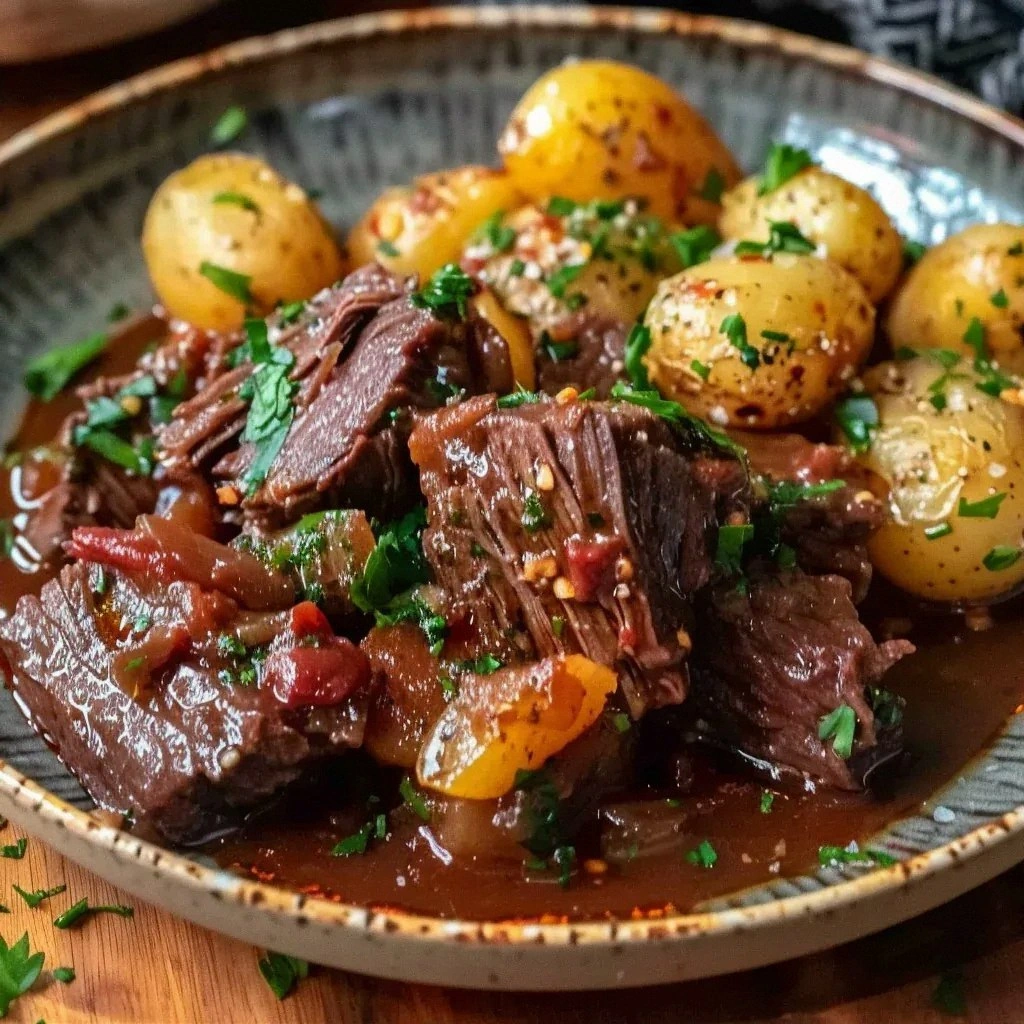
Picture the moment you lift the lid: steam rises like a fragrant cloud, the butter’s golden sheen glistening over tender chunks of beef, and the aroma of garlic and herbs filling every corner of the room. The sound is a gentle, low rumble, almost like a lullaby for the senses. The first bite is a symphony—juicy, buttery, with a subtle peppery kick that lingers, followed by the mellow sweetness of caramelized potatoes. You’ll notice the contrast: the meat’s silky texture against the rustic, slightly crispy edges of the potatoes. The whole experience feels like a warm hug from the inside out. I dare you to taste this and not go back for seconds.
What makes this version stand out is not just the combination of flavors but the technique that locks in moisture and elevates every component. I’ve tweaked the searing process to create a caramelized crust that seals in juices, used a blend of butter and olive oil for a richer mouthfeel, and added a splash of beef broth to keep the stew from drying out. The result is a dish that’s simultaneously indulgent and wholesome, perfect for a family dinner or a special occasion. Most recipes get this completely wrong by either overcooking the meat or under‑seasoning the sauce; here, every element works in harmony. And the best part? It’s hands down the best version you’ll ever make at home.
And now, the fun part: the secret ingredient that most people overlook—fresh parsley. Adding it at the very end brightens the dish and balances the richness. The parsley’s subtle peppery note lifts the buttery sauce, giving it a fresh, almost citrusy lift that feels like a breath of fresh air. If you’re feeling adventurous, sprinkle a little extra parsley on top before serving for an extra pop of color and flavor. Picture yourself pulling this out of the slow cooker, the whole kitchen smelling incredible, and knowing you’ve just created a culinary masterpiece that will have everyone begging for the recipe. Let me walk you through every single step—by the end, you’ll wonder how you ever made it any other way.
What Makes This Version Stand Out
- Taste: The buttery garlic sauce envelops each beef chunk, creating a depth of flavor that feels both comforting and gourmet. The subtle heat from crushed red pepper flakes adds a gentle kick that keeps the palate engaged.
- Texture: Slow cooking at a low temperature ensures the meat stays tender, while the potatoes develop a slightly crispy exterior that contrasts beautifully with their creamy interior.
- Simplicity: With just a handful of ingredients and minimal prep time, you can achieve restaurant‑quality results without a kitchen nightmare.
- Uniqueness: The combination of garlic butter with a splash of beef broth creates a sauce that’s richer than a classic beef stew but lighter than a roux‑based gravy.
- Crowd Reaction: Guests will be surprised at how “homemade” the dish feels, and the buttery finish will keep them coming back for more.
- Ingredient Quality: Choosing a well-marbled chuck roast and fresh herbs makes the difference between a good dish and an unforgettable meal.
- Cooking Method: The slow cooker does all the hard work—no constant monitoring, no risk of overcooking.
- Make‑Ahead Potential: Prep the night before, set the cooker, and let it work its magic while you enjoy a relaxed evening.
Alright, let's break down exactly what goes into this masterpiece...
Inside the Ingredient List
The Flavor Base
The foundation of this dish starts with the beef chuck roast, a cut prized for its marbling and ability to break down into melt‑in‑your‑mouth tenderness when cooked low and slow. Cutting the roast into large chunks—about 2 inches—helps the meat retain moisture and develop a rich, caramelized exterior. If you skip the searing step, the meat will be tender but will lack the depth of flavor that comes from Maillard browning.
Next, the butter—six tablespoons of unsalted butter melted—creates a silky sauce that coats the meat and vegetables. Butter not only adds flavor but also helps carry the garlic and herbs throughout the dish. If you’re watching calories, you can swap half the butter for olive oil, but the buttery finish is what gives this recipe its signature richness.
The garlic—five cloves, minced—provides a pungent, aromatic core. Garlic infuses the butter and the meat with a warm, slightly sweet flavor that becomes mellow after long cooking. Skipping garlic would result in a flat, uninspired dish; it’s the soul of this recipe.
Dried Italian herbs—one teaspoon—bring together thyme, oregano, and basil in a single, balanced pinch. If you prefer a fresher taste, use fresh herbs, but the dried version keeps the flavor concentrated and doesn’t add extra moisture to the slow cooker.
The Texture Crew
Baby Yukon Gold potatoes—two pounds, halved—are the star of the show. Their creamy flesh contrasts with a slightly crisp exterior, creating a delightful mouthfeel that pairs perfectly with the rich sauce. Halving them ensures even cooking; if you cut them too small, they may become mushy.
Carrots—one cup, chopped—add a subtle sweetness and a pop of color. They also absorb the sauce, becoming tender and flavorful. If you’re not a fan of carrots, you can replace them with parsnips or even zucchini for a different twist.
Onion—one medium, sliced—provides a gentle sweetness and depth. The onion releases its sugars slowly, adding a mellow background note that balances the richness of the butter. Omit it at your peril; the dish will feel incomplete.
The Unexpected Star
Crushed red pepper flakes—half a teaspoon—introduce a subtle heat that lifts the dish without overpowering it. If you love heat, add a full teaspoon; if you’re heat‑averse, leave them out entirely. The pepper’s warmth is like a whisper, not a shout.
Fresh parsley—one quarter cup, chopped—serves as the final flourish, brightening the dish and adding a fresh, peppery note that cuts through the richness. Garnish with extra parsley for a pop of color and a burst of freshness.
The Final Flourish
Low‑sodium beef broth—half a cup—keeps the stew from drying out and adds a savory depth. It also balances the butter’s richness, creating a sauce that coats without drowning. If you’re on a sodium diet, you can use a low‑sodium broth or a homemade stock.
Salt and black pepper, to taste, are the final seasoning touch. They’re essential for bringing out the flavors of the meat and vegetables. Remember, you can’t fix a dish that’s under‑seasoned, so season generously but taste as you go.
Everything's prepped? Good. Let's get into the real action...
The Method — Step by Step
- Begin by seasoning the beef chunks generously with salt and pepper. Heat a large skillet over medium‑high heat and add two tablespoons of olive oil. Once the oil shimmers, sear the beef in batches, ensuring each side gets a golden brown crust. This step is crucial; it locks in juices and builds the flavor foundation. Remember, don’t overcrowd the pan—crowding turns the meat into a stew before it even hits the slow cooker.
- While the meat is searing, melt six tablespoons of butter in a small saucepan over low heat. Add the minced garlic and let it cook for about 30 seconds until fragrant—watch it closely to avoid burning. Stir in one teaspoon of dried Italian herbs, half a teaspoon of crushed red pepper flakes, and a splash of low‑sodium beef broth. This mixture will become the silky sauce that coats everything.
- Once all the beef is seared, transfer it to the slow cooker. Add the sliced onions, chopped carrots, and halved potatoes on top. Pour the butter‑garlic sauce over the vegetables, ensuring everything is evenly coated. The liquid should barely cover the ingredients; if it’s too much, reduce the broth slightly.
- Cover the slow cooker and set it to low for eight hours or high for four hours. The low setting allows the flavors to meld slowly, creating a tender, melt‑in‑your‑mouth texture. If you’re short on time, the high setting will still deliver a delicious result.
- During the last hour of cooking, sprinkle one quarter cup of fresh parsley over the top. This will infuse a fresh, peppery aroma and brighten the dish right before serving.
- When the slow cooker signals that it’s done, give the contents a gentle stir to combine the sauce with the meat and vegetables. Taste and adjust seasoning if needed—add more salt, pepper, or a splash of broth for extra moisture.
- Serve hot, garnished with additional parsley if desired, and pair with crusty bread or a light salad. The sauce will cling to everything, making each bite a burst of buttery, garlicky goodness.
- That’s it—you did it. But hold on, I’ve got a few more tricks that’ll take this to another level. Stay tuned for insider tips that will elevate your dish from great to unforgettable.
Insider Tricks for Flawless Results
The Temperature Rule Nobody Follows
Many cooks default to the high setting for speed, but the low setting is where the magic happens. A low temperature of 200°F allows the connective tissues in the beef to break down slowly, resulting in a melt‑in‑your‑mouth texture that’s hard to beat. If you’re using a high setting, keep a close eye on the liquid level; it can evaporate faster and lead to a dry result.
Why Your Nose Knows Best
The aroma is your most reliable indicator of doneness. When the sauce smells buttery and garlicky with a hint of herbs, and the meat is tender when pierced with a fork, it’s ready. Trust your nose—if it’s inviting, your dish is ready to serve.
The 5‑Minute Rest That Changes Everything
Once the slow cooker finishes, let the dish rest for five minutes before serving. This rest period allows the juices to redistribute throughout the meat, ensuring every bite is juicy and flavorful. Skipping this step may leave the meat slightly uneven in moisture.
The Butter‑Broth Balance
If you find the sauce too thick, add a splash of water or extra broth during the last 30 minutes. This keeps the sauce from becoming overly rich and ensures it coats the meat and vegetables evenly.
The Fresh Herb Finale
Adding fresh parsley in the final hour not only brightens the dish but also prevents the herbs from becoming soggy. If you prefer a stronger herb presence, double the amount and sprinkle it on top just before serving.
Creative Twists and Variations
Maple‑Glazed Beef
Swap the low‑sodium beef broth for a splash of maple syrup. The natural sweetness pairs beautifully with the savory sauce, creating a sweet‑savory profile that’s perfect for holiday gatherings.
Herb‑Infused Mushroom Medley
Add sliced mushrooms to the slow cooker during the last hour. Their earthy flavor complements the garlic butter and adds a meaty texture that makes the dish even heartier.
Spicy Cajun Kick
Replace the Italian herbs with Cajun seasoning and increase the crushed red pepper flakes to one teaspoon. The result is a bold, smoky, and slightly spicy version that’s sure to excite adventurous palates.
Vegetarian Twist
Replace the beef with seared seitan or tofu cubes and use vegetable broth instead of beef broth. The dish remains hearty, and the garlic butter sauce still delivers that rich, comforting feel.
Mediterranean Flair
Add a handful of kalamata olives and a splash of lemon juice during the last 30 minutes. The briny olives and citrus brightness create a Mediterranean vibe that’s refreshing and unexpected.
Cheesy Finale
Sprinkle shredded mozzarella or cheddar over the top during the last ten minutes of cooking. The cheese melts into the sauce, adding a gooey, indulgent layer that satisfies any cheese lover.
Storing and Bringing It Back to Life
Fridge Storage
Cool the dish to room temperature, then transfer it to an airtight container. Store in the refrigerator for up to four days. When reheating, add a splash of water or broth to prevent dryness.
Freezer Friendly
Divide the dish into freezer‑safe portions and seal tightly. Freeze for up to two months. Thaw overnight in the refrigerator before reheating on the stovetop or in the microwave.
Best Reheating Method
Reheat gently on low heat, stirring occasionally to prevent sticking. Add a small amount of water or broth to maintain moisture. The dish will regain its buttery, garlicky glory and taste just as fresh as when it first came out of the slow cooker.