I burnt the rice. Again. There I was, standing over the sink, scraping blackened grains off the bottom of my favorite pot, swearing I'd never attempt lemon rice after that disaster at the neighborhood potluck. But the memory of that bright, herb-flecked pilaf from the Greek festival kept haunting me—how the rice clung together in fluffy, fragrant mounds, each grain glossy with olive oil and tart with sunshine. Fast-forward through three more failed attempts, a mountain of take-out containers, and one very patient husband who finally said, "Maybe stop winging it and actually measure something?" That's when everything changed. I cracked the code for what might be the most addictive side dish in the entire Mediterranean playbook, and now I'm borderline evangelical about sharing it.
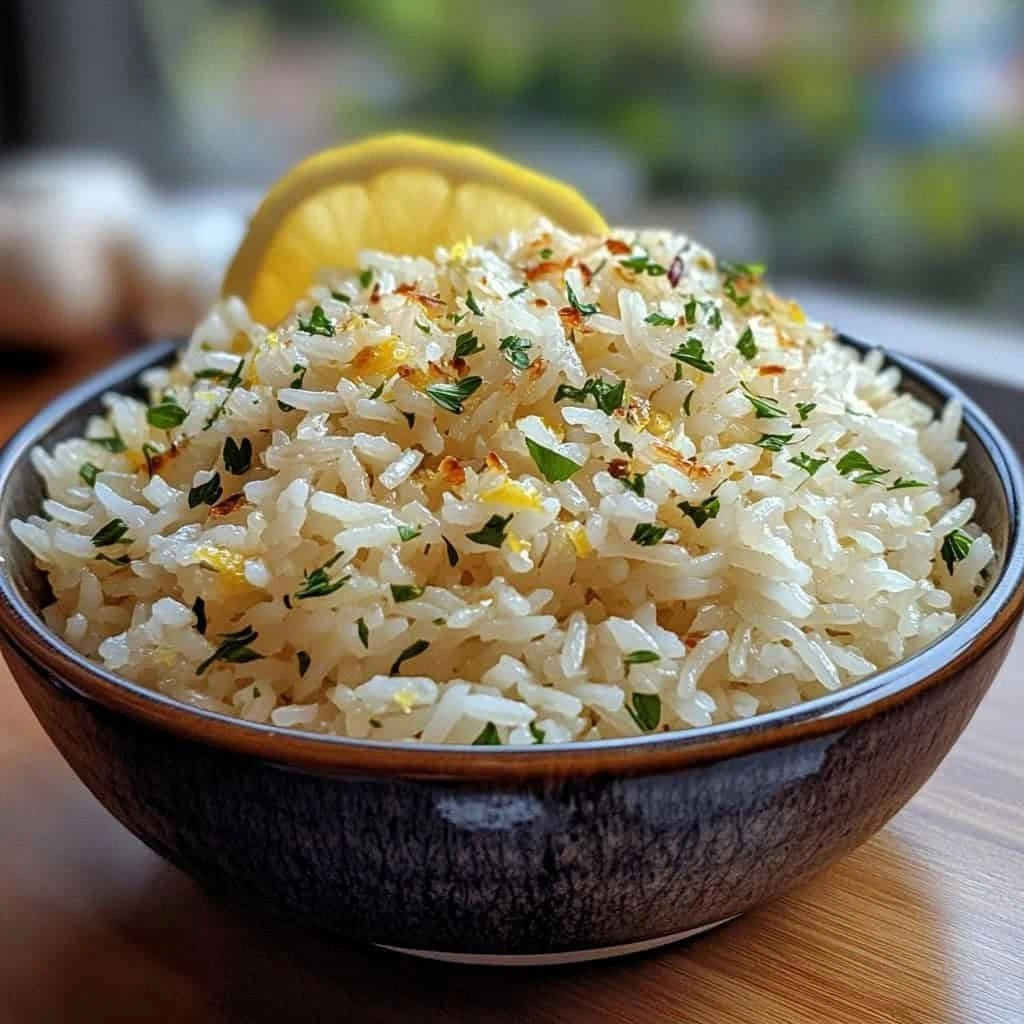
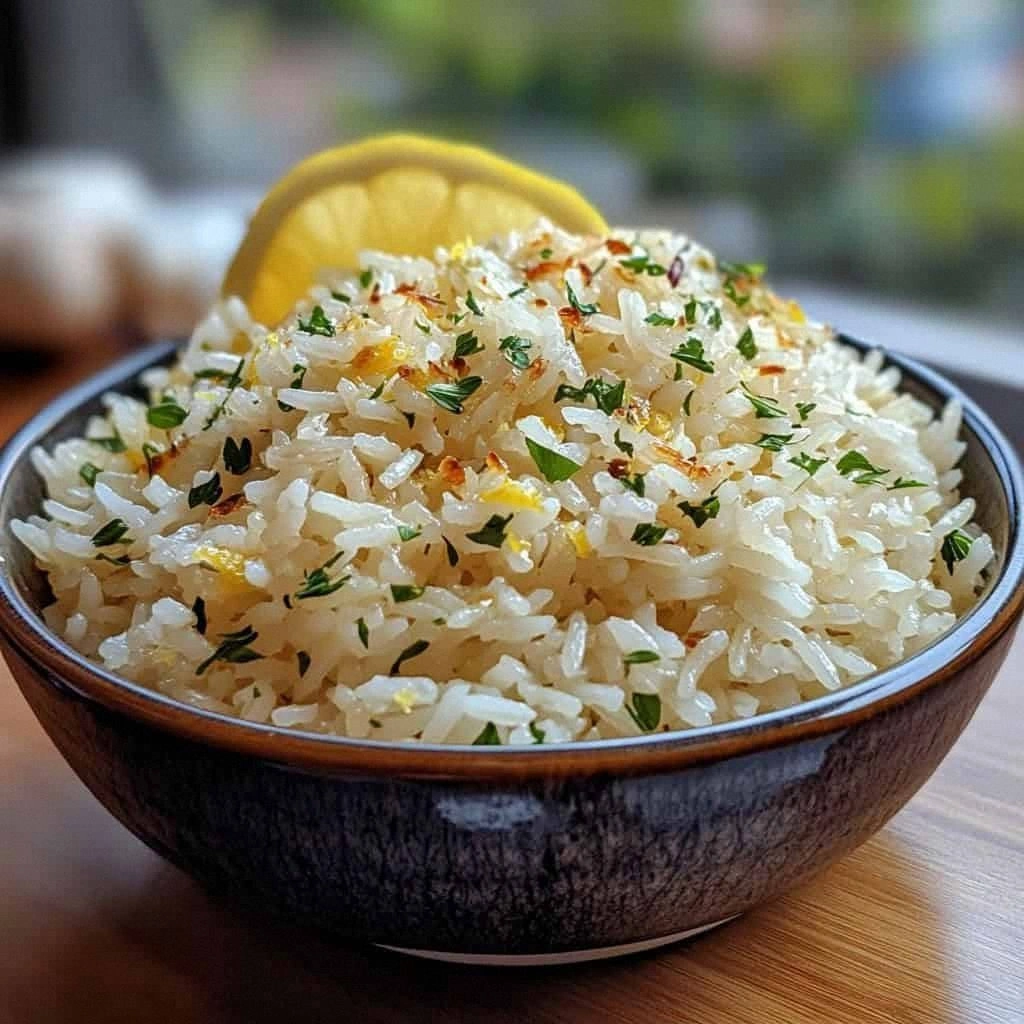
Picture this: you're rushing home after work, stomach growling, fridge practically echoing. You want something that feels like a restaurant splurge but cooks in the time it takes to stream one sitcom episode. Enter this Greek lemon rice—golden, aromatic, speckled with dill so fresh it still holds the afternoon light. One forkful and you're sitting at a cliff-side taverna, sea breeze ruffling your hair, even if you're actually parked on a thrift-store sofa in a studio apartment. The flavors hit in waves: first the buttery richness, then a bright pop of citrus, and finally that whisper of dill that lingers like a good secret.
I'm not exaggerating when I say this recipe converted my rice-skeptical nephew into a self-proclaimed grain connoisseur. He asked for the recipe to impress his college roommates, then texted me at midnight: "They ate the entire pot. No leftovers. We just stood over the stove with forks." That sizzle when the rice hits the hot oil? Absolute perfection. And the moment the lemon hits the heat, the kitchen fills with a perfume so intoxicating you'll find yourself inhaling like you've discovered a new form of aromatherapy.
Okay, ready for the game-changer? Most recipes toss everything into the pot and pray. We're going to toast, bloom, and steam with military precision—and still keep it easier than finding matching socks. Stay with me here — this is worth it. Let me walk you through every single step — by the end, you'll wonder how you ever made it any other way.
What Makes This Version Stand Out
Flavor Bomb: We build layers like a proper Greek yiayia would—sautéed onion and garlic form the savory backbone, lemon juice adds tang, but it's the zest that delivers those elusive citrus oils most recipes miss. The result is rice that tastes like it spent hours soaking up sunshine, not just twenty minutes on your stovetop.
Texture Paradise: Say goodbye to gummy grains. A quick rinse washes off excess starch, then a buttery steam finishes the job, giving you fluffy, separate kernels that still cling together in tender bites. Each grain stays distinct yet cooperative—a texture miracle that'll have you wondering why all rice isn't cooked this way.
One-Pot Wonder: Despite tasting like a restaurant side dish, this entire recipe dirties exactly one saucepan and a spoon. No colanders, no steamer baskets, no juggling multiple pots while your dinner guests wonder what's burning. Cleanup is so minimal you'll actually volunteer to do it just to show off how easy this was.
Secret Ingredient Magic: Fresh dill isn't just a garnish here—it melts into the hot rice and releases an almost anise-like perfume that makes the lemon sing. Dried dill can't even sit at this table. Once you smell the real stuff hitting warm butter, you'll understand why Greeks put it on everything short of their morning coffee.
Crowd-Pleasing Flexibility: Serving vegetarians? Swap chicken broth for veggie stock and you're golden. Need gluten-free? Already done. Feeding picky kids? The citrus is bright but not overpowering, and you can always dial back the dill. I've yet to meet a guest—five or fifty—who didn't ask for seconds.
Make-Ahead Hero: This rice reheats like a dream. Store it in a microwave-safe container with a damp paper towel on top, and it fluffs back to life in under a minute. In fact, I often make a double batch on Sunday and transform it into stuffed peppers, rice bowls, or a quick fried rice throughout the week.
Alright, let's break down exactly what goes into this masterpiece...
Inside the Ingredient List
The Flavor Base
Extra-virgin olive oil isn't negotiable—it's the foundation of that grassy, peppery backbone that screams Mediterranean. Heat it until it shimmers like a sunlit Aegean wave; that's your cue the pan is ready for the onion. Speaking of onion, we want it diced so fine it practically melts, releasing sweetness that balances the lemon's bite. Skip this step and you'll have harsh, raw pockets that ruin the harmony.
The Texture Crew
Long-grain rice is the diva here—stubborn enough to stay separate, but willing to absorb flavors like a sponge. Rinsing isn't just for show; you're washing off surface starch that causes kindergarten-level clumping. Chicken broth (or the veggie version) delivers a stealth umami bomb that water simply can't match. Pick low-sodium so you control the salt level—nobody wants a rice dish that tastes like a salt lick.
The Unexpected Star
Fresh lemon juice is obvious, but the real MVP is the zest—those tiny yellow flecks hold oils so fragrant they could bottle it as cologne. Butter goes in at the end, off heat, so it melts into glossy silk without separating. Lemon zest hits the hot butter and practically explodes with citrus perfume. Trust me, once you smell this alchemy, bottled salad dressings will taste like sad, bitter water forever.
The Final Flourish
Fresh dill—never dried—adds grassy, slightly tangy notes that make the lemon feel fuller, rounder, more complete. Chop it just before using; herbs start losing flavor the moment their cells are severed. Salt and pepper aren't afterthoughts here—they amplify every other flavor. And those optional garnishes? Lemon wedges let guests dial up brightness, while extra dill sprigs make the dish look like it belongs on a magazine cover.
Everything's prepped? Good. Let's get into the real action...
The Method — Step by Step
- Heat olive oil in a medium saucepan over medium heat until it shimmers and glides like liquid topaz. Toss in the finely chopped onion and cook, stirring occasionally, until it turns translucent and starts to blush at the edges—about 4 minutes. The goal is sweetness, not color, so reduce heat if you see browning. Your kitchen should start smelling like you walked into a taverna at sunset.
- Stir in the minced garlic and cook for just 45 seconds—set a timer if you tend to wander. Garlic burns faster than gossip spreads, and bitter garlic will haunt your rice like culinary poltergeist. The moment it smells fragrant and loses that raw edge, move to step three. Don't walk away from the stove here.
That's it—you did it. But hold on, I've got a few more tricks that'll take this to another level...
Insider Tricks for Flawless Results
The Temperature Rule Nobody Follows
Use broth that's already hot or at least room temperature. Cold liquid shocks the rice, causing uneven expansion and that annoying mix of mushy and crunchy grains. I keep a kettle simmering and pour a splash into my measuring cup before starting the sauté. It takes 30 seconds and saves you from texture disappointment.
Why Your Nose Knows Best
Trust your sense of smell at every stage. When toasting rice, the moment you catch a nutty aroma, move on. When the onions hit the pan, wait until they smell sweet, not sharp. These scent checkpoints are more reliable than arbitrary timers because stove heat varies. My friend tried skipping this mindfulness once—let's just say it didn't end well.
The 5-Minute Rest That Changes Everything
After the initial simmer, that covered rest is non-negotiable. Rice keeps cooking from residual heat and steam, finishing any al-dente centers without additional liquid. If you skip it, you'll have grains that seem done but firm up into pebbles as they cool. Set a timer and walk away; impatience is the enemy of fluff.
Butter Timing Is Everything
Add butter off the heat to preserve its creamy texture and prevent separation. Hot fat plus high heat equals greasy pools; gentle residual warmth equals silk. Stir just until melted, then stop—over-mixing can mash tender grains. You'll end up with a glossy sheen that looks straight out of a food magazine.
The Lemon Zest Micro-Plane Miracle
Use a micro-plane to zest directly over the rice. Those feather-light strands distribute instantly, releasing oils into the steam cloud for maximum perfume. Pre-zesting onto a cutting board dries out the zest and wastes flavor. Bonus: you'll look like a TV chef wielding that wand of citrus magic.
Creative Twists and Variations
This recipe is a playground. Here are some of my favorite ways to switch things up:
Sun-Dried Tomato & Olive Remix
Fold in ¼ cup chopped sun-dried tomatoes and ¼ cup sliced Kalamata olives with the dill. The tomatoes add chewy sweetness, the olives bring briny depth, and suddenly you're on a Greek island vacation without the jet lag. Vegetarians love this version because it turns the side into a satisfying main.
Spinach & Feta Power Boost
Stir in a handful of baby spinach during the resting phase; the residual heat wilts it perfectly. Crumble cold feta on top just before serving so it stays tangy and doesn't melt into oblivion. The color contrast is gorgeous, and you can pat yourself on the back for sneaking in greens.
Seafood Celebration
Swap chicken broth for clam juice and fold in cooked shrimp or scallops at the end. A whisper of smoked paprika adds mystery without overpowering the lemon. Serve this at a dinner party and prepare for audible gasps when people taste it.
Spicy Calabrian Chile Upgrade
Stir in 1 teaspoon finely chopped Calabrian chiles with the garlic for a gentle, lingering heat that blooms behind the citrus. The fruity fire plays beautifully with dill, and the rice turns a faint sunset orange. If you can't find Calabrian, use a pinch of red-pepper flakes, but the flavor won't be quite as complex.
Roasted Vegetable Medley
Toss diced zucchini, bell pepper, and red onion with olive oil, roast at 425°F for 20 minutes, then fold into the finished rice. The charred edges add smoky depth, and the colors turn the dish into confetti. Perfect for meal prep because the veggies keep the rice moist and interesting all week.
Toasted Pine Nut Luxury
Toast ¼ cup pine nuts in a dry skillet until golden and fragrant, then sprinkle over each serving. The buttery crunch against fluffy rice feels like restaurant decadence, and the subtle pine nut flavor marries magically with lemon. It's a small addition that makes guests feel seriously pampered.
Storing and Bringing It Back to Life
Fridge Storage
Let the rice cool completely, then spoon into an airtight container and refrigerate up to 4 days. Spread it in a thin layer first so it chills quickly and stays safe. Press a sheet of plastic wrap directly onto the surface to block air and prevent the dreaded dried crust.
Freezer Friendly
Portion cooled rice into freezer bags, flatten to remove air, and freeze up to 3 months. The thin brick thaws quickly under warm water or overnight in the fridge. Reheat with a splash of broth to restore moisture. Future-you will thank present-you on those too-tired-to-cook nights.
Best Reheating Method
Add a tablespoon of water per cup of rice, cover loosely with a damp paper towel, and microwave in 30-second bursts, fluffing between rounds. The steam revives grains without turning them rubbery. If you're fancy, reheat in a skillet with a drizzle of olive oil for crispy edges that shatter like thin ice.