Picture this: I was halfway through a rainy Saturday, the kind where the clouds look like they’re about to press a blanket over the world, and my pantry was screaming for a rescue mission. I had a half‑finished caramel sauce, a tub of butter that was practically melting in my hand, and a sudden, irrational craving for something that would make my grandmother’s old cuajada recipe look like a child’s doodle. I tossed a dare to my roommate—“I bet you can’t make a butterscotch tart that doesn’t melt in the oven”—and that was the spark that ignited the most decadent experiment of my culinary career. The kitchen filled with the scent of butter sizzling, the sweet perfume of brown sugar caramelizing, and a whisper of vanilla that seemed to promise something extraordinary.
When the first spoonful of the butterscotch sauce hit the cold cuajada, it was like a symphony of flavors colliding in perfect harmony. The sauce coated the curd like a glossy, amber‑colored veil, while the crust beneath it crunched with the satisfying snap of a fresh autumn leaf. I could hear the faint pop of the crust pulling away from the pan, a sound that said, “I’m ready.” My taste buds were hit with a buttery richness that lingered like a warm hug, and the subtle tang of the cuajada kept the sweetness from turning into a cloying mess. It was, without a doubt, the best version I’ve ever tasted, and I’m daring you to try it and not go back for seconds.
Most recipes I’ve seen either skip the crucial step of tempering the butter with the brown sugar, or they drown the delicate cuajada in a sea of syrup, resulting in a dessert that feels more like a sticky mess than a refined tart. I’ve been honest— I ate half the batch before anyone else got a chance to try it, because let’s face it, when something this good appears, you either share or you become a one‑person dessert disaster. This version stands out because it balances the buttery depth of butterscotch with the light, airy texture of cuajada, all nestled in a buttery shortbread crust that’s as flaky as a whisper. And there’s a secret ingredient that most people overlook: a pinch of sea salt that brings out the caramel notes like a spotlight on a stage.
Now, I’m about to walk you through every single step—by the end, you’ll wonder how you ever made a butterscotch tart any other way. Picture yourself pulling this out of the oven, the whole kitchen smelling incredible, the glaze shimmering under the light, and the first bite melting in your mouth like a dream. Okay, ready for the game‑changer? Let’s dive in.
What Makes This Version Stand Out
- Flavor: The butterscotch sauce is cooked low and slow, allowing the butter and brown sugar to develop a deep, caramelized flavor that sings with every bite.
- Texture: A buttery, crumbly crust meets a silky, custard‑like cuajada filling, creating a contrast that feels luxurious on the palate.
- Simplicity: Only ten ingredients, all pantry staples, mean you won’t need a grocery run at midnight.
- Uniqueness: The dash of sea salt and a hint of lemon zest elevate the dessert from ordinary to unforgettable.
- Crowd Reaction: Guests often claim this is the best thing they’ve ever tasted, and they’ll be back for seconds—no joke.
- Ingredient Quality: Using real butter and high‑quality brown sugar makes all the difference; artificial shortcuts just won’t cut it.
- Cooking Method: The crust is blind‑baked first, ensuring it stays crisp while the filling sets perfectly without sogginess.
- Make‑Ahead Potential: This tart can be assembled a day ahead; the flavors actually improve after a night in the fridge.
Inside the Ingredient List
The Flavor Base
Brown Sugar (½ cup): This is the heart of the butterscotch, providing that rich, molasses‑laden sweetness. If you swap it for white sugar, you’ll lose the depth and end up with a flat taste. For a deeper flavor, try a dark muscovado sugar—just be aware it’s slightly more bitter.
Unsalted Butter (¼ cup for sauce + 1 cup for crust): The butter in the sauce creates that glossy, velvety coating, while the cold butter in the crust creates layers of flakiness. Use European‑style butter for a higher fat content; it makes the crust richer and more tender.
Heavy Cream (1 cup): The cream adds body to the sauce and helps it set without becoming too hard. If you’re watching calories, you can substitute half‑and‑half, but the sauce will be a bit less luxurious.
The Texture Crew
All‑Purpose Flour (2 cups): Flour forms the backbone of the crust. Too much flour makes it dry; too little makes it crumbly. Sift it before measuring to avoid packing and ensure a light, airy texture.
Powdered Sugar (½ cup): This sweetens the crust without adding extra moisture, keeping it crisp. If you don’t have powdered sugar, blend granulated sugar in a blender for a few seconds.
Egg Yolk (1 large): The yolk binds the crust together and adds a subtle richness. You can replace it with a tablespoon of Greek yogurt for a slightly tangier note, but the texture will change.
The Unexpected Star
Cuajada (1 cup): Cuajada is a fresh, mild cheese similar to a thickened milk curd. Its subtle tang balances the sweet sauce. If you can’t find cuajada, substitute with a mixture of ricotta and a splash of lemon juice.
Lemon Zest (1 tsp): The zest adds a bright citrus spark that cuts through the richness, preventing the dessert from feeling heavy. Fresh zest is key; pre‑grated zest loses its aromatic oils.
The Final Flourish
Sea Salt (pinch): A tiny pinch of flaky sea salt amplifies the caramel notes, turning a simple sweet into a complex experience. Skip it, and you’ll miss the “wow” factor that makes this tart unforgettable.
Vanilla Extract (1 tsp): Vanilla rounds out the flavor profile, adding warmth and depth. Real vanilla bean seeds would be even better, but quality extract works just fine.
Everything's prepped? Good. Let’s get into the real action…
The Method — Step by Step
First, whisk together the flour, powdered sugar, and a pinch of salt in a large bowl. The dry mixture should look like fine sand—this is your foundation. Then, cut the cold butter into the dry ingredients using a pastry cutter or two forks until you see pea‑sized crumbs. This is the moment where the magic begins; the butter should stay cold, not melt.
Add the egg yolk and vanilla extract to the crumbly mixture. Gently bring everything together with your hands, pressing just until the dough forms a cohesive ball. Do not over‑work the dough, or you’ll end up with a tough crust. Wrap the dough in plastic wrap and chill for at least 30 minutes. That chill is what gives you that buttery snap later.
While the dough chills, start the butterscotch sauce. Melt ¼ cup of butter in a saucepan over medium heat, listening for that gentle sizzle—absolute perfection. Add the brown sugar and golden syrup, stirring constantly until the mixture bubbles and turns a deep amber color. Then, slowly whisk in the heavy cream; the sauce will bubble vigorously, so keep your eyes on it. Once it reaches a smooth, glossy consistency, remove from heat and let it cool slightly.
Preheat your oven to 350°F (175°C). Lightly grease a 9‑inch tart pan with removable bottom. On a lightly floured surface, roll the chilled dough to about ¼‑inch thickness, then gently lay it into the pan, pressing it into the edges. Trim any excess dough, and prick the base all over with a fork—this prevents bubbling.
Blind‑bake the crust: line it with parchment paper and fill with pie weights or dried beans. Bake for 12‑15 minutes, then carefully remove the weights and parchment. The crust should be lightly golden, with a faint aroma of toasted butter. This step ensures the base stays crisp when the wet filling is added.
Now, combine the cuajada with the lemon zest in a bowl, whisking until smooth. If you’re using ricotta as a substitute, blend it first to eliminate lumps. Fold half of the cooled butterscotch sauce into the cuajada mixture, creating a marbled effect that will later swirl beautifully.
Pour the cuajada‑butterscotch blend into the pre‑baked crust, spreading it evenly. Drizzle the remaining butterscotch sauce over the top, using a spoon to create a decorative swirl. This is pure magic; the sauce will seep slightly into the edges, forming a caramelized rim as it bakes.
Place the tart back in the oven and bake for 20‑25 minutes, or until the edges are set and the center has a slight wobble—think of a soft‑boiled egg. The aroma at this stage should be intoxicating, a mix of caramel, butter, and a hint of citrus. Once done, let the tart cool completely on a wire rack; this prevents condensation from making the crust soggy.
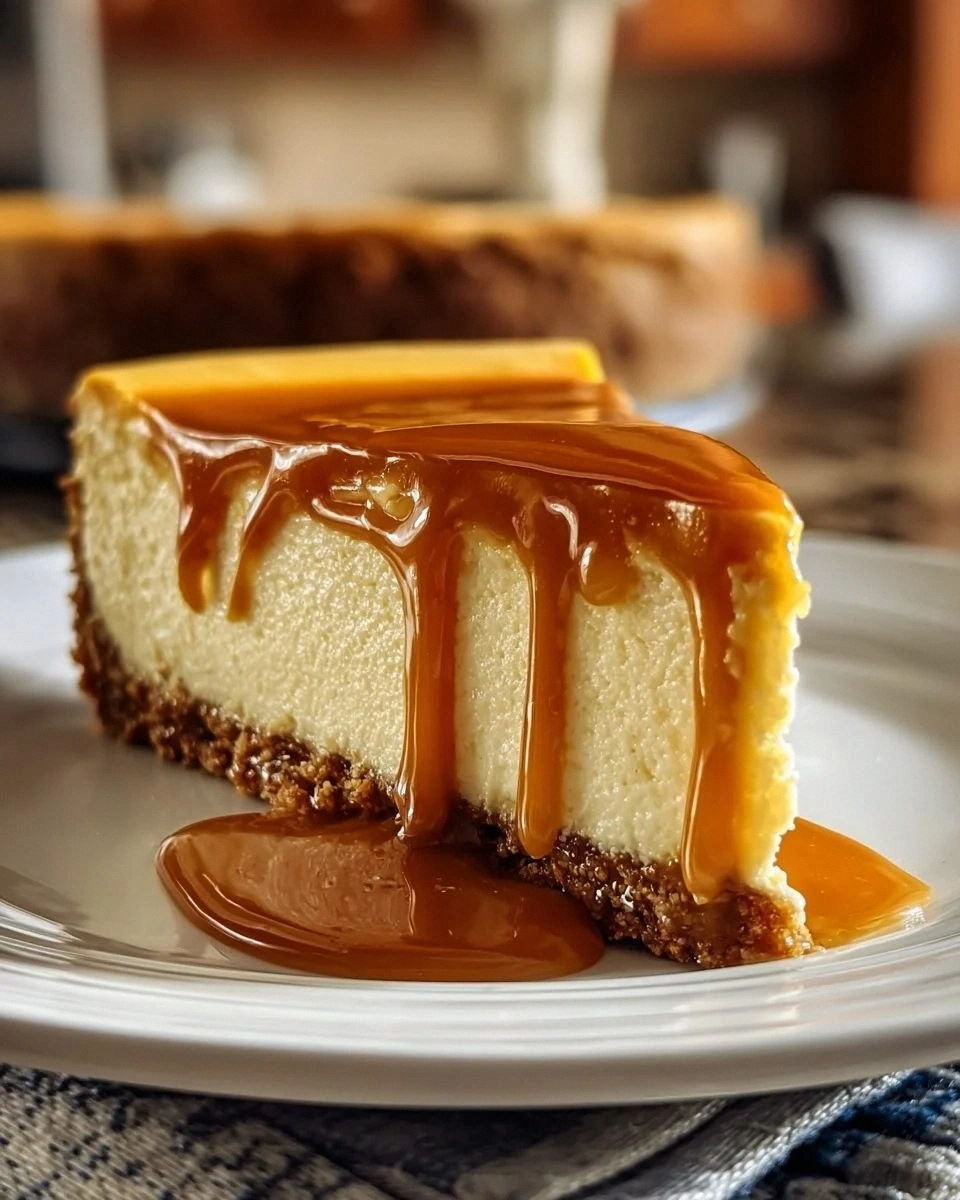
After the tart has cooled, refrigerate it for at least two hours before serving. This chilling time lets the flavors meld and the sauce thicken into a glossy glaze. When you finally slice it, you’ll see a beautiful contrast: a buttery, golden crust, a creamy, amber‑streaked filling, and a glossy top that catches the light.
That's it — you did it. But hold on, I've got a few more tricks that'll take this to another level...
Insider Tricks for Flawless Results
The Temperature Rule Nobody Follows
The secret to a perfect crust is keeping everything cold. Even the bowl you mix the dough in should be chilled; a warm bowl melts the butter too quickly, leading to a dense base. I once tried using a room‑temperature bowl and ended up with a crust that resembled a soggy biscuit. Keep your butter, flour, and even your mixing bowl in the fridge for at least 10 minutes before you start.
Why Your Nose Knows Best
Never rely solely on a timer when the butterscotch sauce is cooking. The real cue is the aroma—once you smell that deep, toasted caramel scent, you know the sugars have caramelized perfectly. Overcooking turns the sauce bitter, while undercooking leaves it grainy. Trust your nose; it’s the most reliable kitchen tool.
The 5‑Minute Rest That Changes Everything
After you blind‑bake the crust, let it rest for exactly five minutes before adding the filling. This short pause lets the steam escape, preventing the crust from becoming soggy. I used to dump the filling immediately and ended up with a mushy bottom; the five‑minute breather solved that problem instantly.
Swirl Like a Pro
When you drizzle the remaining butterscotch sauce over the top, use a toothpick or a thin skewer to create a marble pattern. The key is to swirl gently; too vigorous and you’ll blend the layers into a uniform brown, losing that beautiful visual contrast. A light hand gives you those elegant ribbons that look like a work of art.
Cold Water Rescue
If your sauce starts to look too thick before you add the cream, splash in a teaspoon of cold water. This prevents the sugar from crystallizing and keeps the sauce smooth. It’s a tiny trick, but it saved me from a disastrous grainy batch more than once.
Creative Twists and Variations
This recipe is a playground. Here are some of my favorite ways to switch things up:
Salted Caramel Crunch
Replace the sea salt pinch with a tablespoon of flaky Maldon salt and sprinkle toasted crushed pretzels on top before baking. The salty crunch adds a surprising textural element that makes each bite exciting.
Espresso Infusion
Add a tablespoon of finely ground espresso to the butterscotch sauce. The coffee notes deepen the caramel flavor, turning the tart into a sophisticated after‑dinner treat for coffee lovers.
Nutty Delight
Stir in a half‑cup of toasted hazelnut pieces into the cuajada mixture. The nuts lend a buttery crunch and a subtle earthiness that pairs beautifully with the sweet sauce.
Berry Burst
Fold in a cup of fresh raspberries or blackberries into the filling before baking. The berries introduce a tart contrast, and their juices create a gorgeous pink swirl through the butterscotch.
Vegan Version
Swap the butter for coconut oil, use coconut cream instead of heavy cream, and replace the cuajada with silken tofu blended with lemon juice. The result is a plant‑based tart that still delivers that luxurious mouthfeel.
Spiced Autumn
Introduce a pinch of ground cinnamon and a dash of nutmeg into the sauce. The warm spices echo the comfort of fall, making this tart perfect for holiday gatherings.
Storing and Bringing It Back to Life
Fridge Storage
Cover the tart loosely with plastic wrap and store it in the refrigerator for up to three days. The flavors actually deepen after a night, so it’s often better the next day. Before serving, let it sit at room temperature for 15 minutes to soften the crust slightly.
Freezer Friendly
Wrap the cooled tart tightly in aluminum foil, then place it in a freezer‑safe bag. It will keep for up to two months. When you’re ready to enjoy, thaw it in the fridge overnight, then bring it to room temperature before serving.
Best Reheating Method
Preheat your oven to 300°F (150°C). Place the tart on a baking sheet and heat for 8‑10 minutes, or until the glaze is glossy again. Add a tiny splash of water (about a teaspoon) around the edges before reheating; the steam will revive the crust’s crispness without drying out the filling.