Picture this: it’s a chilly Saturday morning, the kind where the world feels like a blank canvas and the only thing you’re sure of is that you need something warm, comforting, and impossibly satisfying. I was halfway through a marathon of “how to make the perfect oatmeal” videos when my old roommate barged in, shouting, “I dare you to taste this and not go back for seconds!” The challenge was set, the stakes were high, and the kitchen was already humming with the faint whirr of the blender I’d just used to crush a handful of cinnamon sticks. I’m honest here—I ate half the batch before anyone else got a spoonful, but the moment I tasted that silky custard‑like swirl, I knew I’d stumbled onto something legendary.
The aroma hit me first: a sweet, buttery perfume that rose like a sunrise, curling around the edges of the pan and teasing my nostrils with promises of caramelized sugar and toasted oats. The sound was a gentle, steady simmer, a low‑key symphony that whispered “stay a little longer.” When the first spoonful hit my tongue, the texture was an elegant paradox—creamy enough to coat the back of my throat like velvet, yet speckled with the wholesome bite of rolled oats that gave it a hearty, satisfying chew. The flavor? A perfect marriage of sweet brown sugar, aromatic vanilla, and a whisper of cinnamon that made my taste buds do a little happy dance.
Most oatmeal recipes either end up dry and bland or turn into a soggy mess that feels more like a swamp than a breakfast. Most get this completely wrong. Here’s what actually works: a custard base created by tempering eggs with hot milk, which locks in moisture and creates that luxurious mouthfeel without the dreaded curdle. I tossed in raisins for a burst of chewy sweetness, but you can swap in chopped nuts for a crunchy surprise—your call, but trust me, the texture contrast is a game‑changer. And the topping? Fresh fruit that adds a pop of acidity and color, turning a humble bowl into a masterpiece.
Now, I’m about to walk you through every single step—by the end, you’ll wonder how you ever made oatmeal any other way. Okay, ready for the game‑changer? Let’s dive in, because this next part? Pure magic.
What Makes This Version Stand Out
- Custard‑Rich Texture: The egg‑milk mixture creates a silk‑smooth custard that coats each oat, delivering a creamy bite that’s unlike any standard oatmeal.
- Balanced Sweetness: Brown sugar and vanilla bring depth without overwhelming, so the natural oat flavor still shines through.
- Flavor Layers: Cinnamon and a pinch of salt amplify the sweet notes while preventing any flatness, making each spoonful a mini adventure.
- Simple Technique: No fancy equipment—just a saucepan, a whisk, and a timer. If you can boil water, you can master this.
- Customizable Add‑Ins: Raisins, nuts, or even chocolate chips can be swapped in, letting you tailor the bowl to your mood or dietary needs.
- Make‑Ahead Friendly: The custard base stores beautifully, so you can prep a big batch on Sunday and reheat for a quick weekday breakfast.
- Impressive Crowd‑Pleaser: Serve it at brunch and watch guests stare in awe—this is hands down the best version you’ll ever make at home.
- Budget‑Conscious: All ingredients are pantry staples, so you won’t need to splurge on specialty items.
Inside the Ingredient List
The Flavor Base
Milk is the liquid gold of this recipe. Whole milk gives the richest mouthfeel, but you can use 2% for a lighter version without sacrificing creaminess. If you’re dairy‑free, almond or oat milk work surprisingly well—just make sure they’re unsweetened to keep the balance. Skipping the milk entirely? Expect a dry, crumbly bowl that feels more like a sad porridge than a custard dream.
The Texture Crew
Rolled oats are the backbone; they absorb the custard slowly, swelling into plump, chewy nuggets. Avoid instant oats—they’ll turn mushy in minutes and lose that satisfying bite. For a gluten‑free twist, try certified gluten‑free rolled oats; the texture remains just as delightful. And the eggs? They act as a natural thickener, turning the milk into a custard that clings to every oat strand.
The Unexpected Star
Brown sugar isn’t just sweet; it adds a subtle caramel note that brown sugar alone can’t achieve. Its molasses content deepens the flavor, making each spoonful feel like a warm hug. If you’re watching sugar, you can halve the amount and finish with a drizzle of maple syrup for a natural sweetness boost.
The Final Flourish
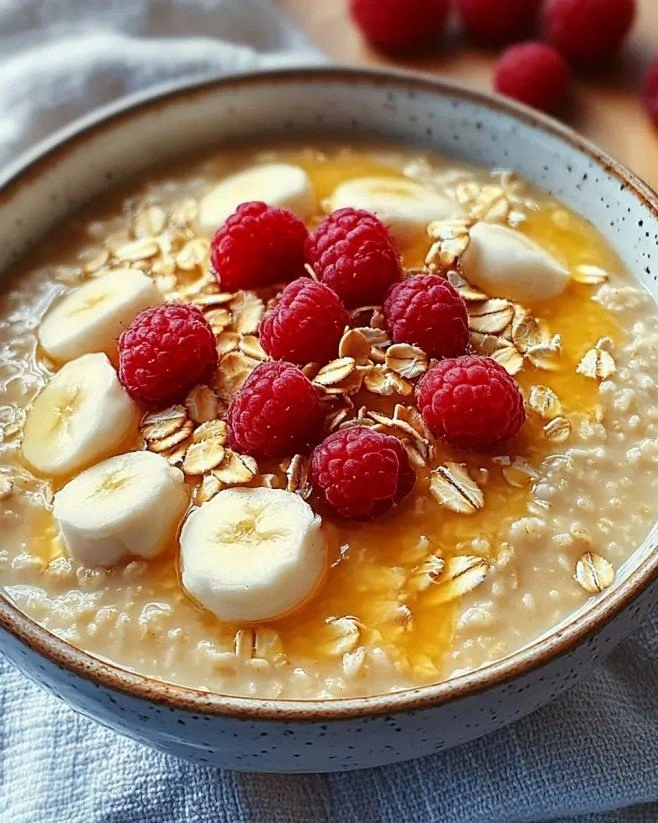
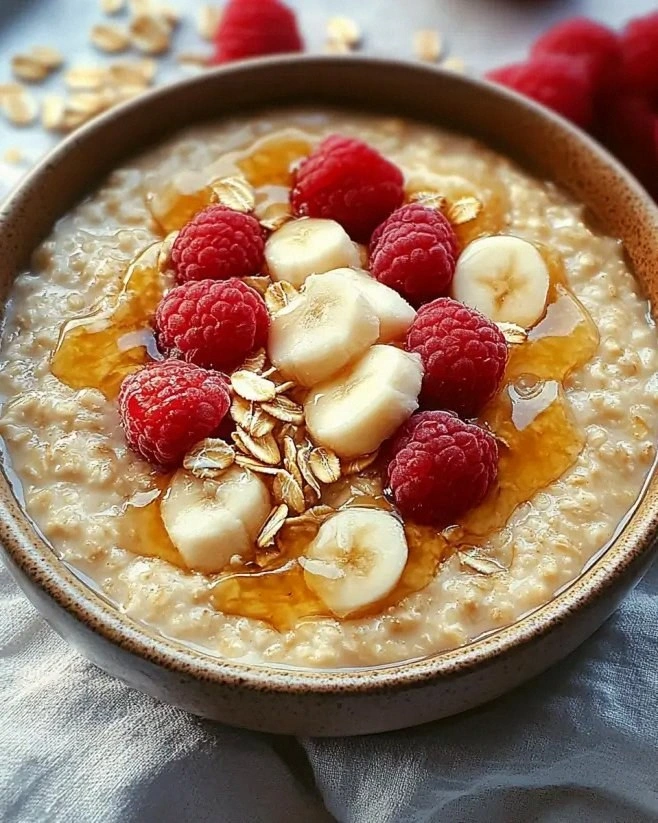
Raisins or chopped nuts add texture contrast and bursts of natural sweetness. Choose plump golden raisins for a chewy caramel note, or go for toasted walnuts if you crave a crunchy finish. Fresh fruit topping—think berries, sliced banana, or even a spoonful of applesauce—brightens the bowl with acidity and color, turning a simple breakfast into a visual feast.
Everything's prepped? Good. Let's get into the real action...
The Method — Step by Step
- Start by gathering all your ingredients on the counter; having everything within arm’s reach prevents panic mid‑cook. In a medium saucepan, combine the rolled oats and milk, then set the heat to medium‑low. You’ll hear a gentle hiss as the mixture begins to warm—listen for that; it’s the first clue that you’re on the right track.
- While the oats are warming, crack the two large eggs into a bowl, add the brown sugar, vanilla extract, cinnamon, and salt. Whisk vigorously until the mixture turns a pale amber color, indicating the sugar has dissolved and the flavors are marrying. Pro tip: a pinch of extra salt can amplify the sweet notes—don’t be shy.
- Once the oat‑milk blend reaches a gentle simmer—tiny bubbles forming around the edges but not a rolling boil—slowly pour the tempered egg mixture into the saucepan while whisking constantly. This is the moment of truth; the custard should thicken within two minutes, coating the oats in a glossy sheen.
- Reduce the heat to low and let the oatmeal cook for another five minutes, stirring occasionally. You’ll notice the edges of the pan pulling away slightly, a visual cue that the custard has fully set and the oats are perfectly tender.
- Stir in the raisins or chopped nuts, allowing them to soak in the warm custard for a minute. This brief soak plumps the raisins, making them juicy, and lightly toasts the nuts, releasing their natural oils.
- Remove the pan from the heat and let the oatmeal rest for a minute; this short rest lets the custard fully absorb into the oats, ensuring every bite is uniformly creamy. While it rests, slice your fresh fruit—berries, banana, or whatever you love.
- Serve the oatmeal in warm bowls, spooning a generous handful of fresh fruit on top and, if you’re feeling indulgent, a drizzle of honey or maple syrup. Picture yourself pulling this out of the pot, the whole kitchen smelling incredible, steam curling upward as you take the first bite. I dare you to taste this and not go back for seconds.
Insider Tricks for Flawless Results
The Temperature Rule Nobody Follows
Keep the heat at a gentle simmer—around 180°F (82°C). Anything hotter will cause the eggs to seize, creating grainy pockets. I once tried a high‑heat blast and ended up with a curdled mess that looked like scrambled eggs in oatmeal. The lesson? Patience is the secret ingredient.
Why Your Nose Knows Best
When the custard starts to thicken, you’ll notice a sweet, buttery aroma that fills the kitchen. That scent is your cue to stop whisking; over‑mixing can incorporate too much air, making the texture airy instead of silky. Trust your nose more than the timer.
The 5‑Minute Rest That Changes Everything
After cooking, let the oatmeal sit uncovered for five minutes. This short rest allows the oats to fully hydrate and the custard to set, resulting in a bowl that’s creamy but not runny. Skipping this step leaves you with a soupy mess that never quite satisfies.
Upgrade with a Splash of Cream
For a decadently rich version, replace half of the milk with heavy cream. The extra fat binds the custard, making it lusciously thick. Just remember to adjust the sugar slightly; the cream adds a natural sweetness.
Flavor Boost with Toasted Spices
Toast the cinnamon and a pinch of nutmeg in a dry pan for 30 seconds before adding them to the egg mixture. Toasting releases essential oils, intensifying the spice profile. One friend tried this once and swore she could taste the difference—she still uses the trick.
Creative Twists and Variations
This recipe is a playground. Here are some of my favorite ways to switch things up:
Chocolate Dream
Swap half the brown sugar for cocoa powder and add a tablespoon of melted dark chocolate. The result is a mocha‑kissed oatmeal that feels like dessert for breakfast.
Tropical Sunrise
Replace raisins with dried pineapple and top with toasted coconut flakes and fresh mango. The sweet‑tart combo transports you to a beachside brunch.
Nutty Crunch
Use chopped almonds and hazelnuts instead of raisins, and finish with a drizzle of honey. The nuts toast up beautifully, adding a satisfying crunch that contrasts the custard’s silk.
Apple‑Cinnamon Harvest
Stir in finely diced sautéed apples with a dash of extra cinnamon. The apples soften into the custard, creating pockets of juicy sweetness reminiscent of a warm pie.
Savory Sunrise
Omit the sugar, add a pinch of smoked paprika, and top with a poached egg and sliced avocado. This savory spin turns the dish into a hearty, protein‑packed brunch option.
Berry‑Burst
Fold in a handful of frozen mixed berries during the last minute of cooking; they’ll melt into the custard, releasing vibrant color and a tangy pop.
Storing and Bringing It Back to Life
Fridge Storage
Transfer the cooled oatmeal into an airtight container and refrigerate for up to three days. When ready to eat, scoop a portion into a saucepan, add a splash of milk, and reheat over low heat while stirring.
Freezer Friendly
Portion the oatmeal into freezer‑safe bags or containers, leaving a little headspace for expansion. Freeze for up to two months. To reheat, thaw overnight in the fridge, then warm on the stove with a dash of milk.
Best Reheating Method
Always reheat gently over low to medium heat, stirring constantly. Adding a tiny splash of water or extra milk before reheating creates steam that revives the custard’s silkiness, preventing a dry, rubbery texture.