I still remember the first time I attempted Italian sliders for a game-day crowd. Picture this: my kitchen looked like a flour bomb had detonated, I had somehow managed to burn the bottoms while leaving the centers raw, and my friends were circling like vultures asking if they should just order pizza. The smell of charred garlic and disappointment hung heavy in the air. Fast forward through three months of obsessive tweaking, and now these sliders are the thing people text me about on Tuesday afternoons, begging for the recipe before the weekend hits. The transformation was nothing short of miraculous — from hockey-puck disasters to these golden, glossy little buns that squish perfectly under gentle pressure, releasing a cloud of herb-flecked steam that makes everyone in a ten-foot radius suddenly very interested in what you're eating.
What makes these particular Italian sliders special isn't just one thing — it's the way the pillowy homemade focaccia-style buns cradle a layer of thin-sliced mortadella that gets all wavy and crispy at the edges, the way the provolone melts into every crevice like it was born to be there, and how the quick-pickled cherry peppers cut through all that richness with a bright snap that keeps you coming back for "just one more" until the platter is mysteriously empty. I dare you to taste one and not immediately reach for seconds — it's physically impossible, like trying to eat just one potato chip or watch only one episode of that show everyone's talking about.
The secret weapon here is the garlic-herb oil that gets brushed on everything — and I mean everything. It seeps into the buns as they bake, creating these outrageously flavorful craters of crust that shatter like thin ice when you bite in. Most recipes completely skip this step, which is honestly criminal. We're not just making sandwiches here; we're creating an experience that transports you straight to a tiny trattoria in Bologna where Nonna is yelling at you for eating too fast. The whole kitchen fills with this intoxicating aroma of rosemary, garlic, and something deeply savory that makes neighbors knock on your door with suspiciously friendly smiles.
Okay, ready for the game-changer? Instead of just layering cold cuts and calling it a day, we're going to warm the meats first so they release their oils and flavors, creating this incredible base that makes every bite taste like it's been slow-marinated in Italian sunshine. Stay with me here — this is worth it. By the time we're done, you'll have a tray of sliders that disappear faster than free samples at Costco, and you'll finally understand why Italians take their sandwiches so seriously. Let me walk you through every single step — by the end, you'll wonder how you ever made it any other way.
What Makes This Version Stand Out
Flavor Explosion: These aren't your sad deli-counter sliders. We're building layers of flavor with homemade garlic-herb oil, three types of Italian meats, and a blend of provolone and mozzarella that creates the perfect cheese pull. The combination of warm mortadella, spicy capicola, and silky prosciutto creates a depth that most recipes completely miss.
Texture Heaven: The buns bake up with crispy edges and fluffy centers, while the meats get slightly crispy at the edges but stay tender in the middle. Add in the crunch from pickled peppers and you've got a party in your mouth that makes other sliders feel like they're wearing sweatpants to a wedding.
Crowd Psychology: I don't know what it is about miniature food, but people lose their minds over it. Make these for any gathering and watch grown adults turn into competitive eating machines. I've seen polite dinner parties devolve into full-contact sports when these hit the table.
Make-Ahead Magic: The garlic-herb oil keeps for two weeks in the fridge, and you can assemble everything up to the final bake hours ahead. This means you can actually enjoy your own party instead of being stuck in the kitchen while everyone else is having fun without you.
Ingredient Integrity: We're not using processed cheese food or mystery meats here. Every component is something you'd be proud to serve on its own, which is why the final result tastes like it came from an Italian grandmother's kitchen rather than a sports bar.
Instagram Gold: Let's be real — these things photograph like supermodels. The golden buns, the melty cheese, the colorful peppers — it's food porn that'll make your followers drool on their phones. My DMs light up every time I post these.
Versatility Factor: Game day? Check. Cocktail party? Perfect. Tuesday night when you need to eat your feelings? Absolutely. These sliders adapt to any occasion like a culinary chameleon, only way more delicious.
Alright, let's break down exactly what goes into this masterpiece...
Inside the Ingredient List
The Foundation Builders
The buns are where most people go wrong, settling for those sad, dry Hawaiian rolls that taste like sweet disappointment. We're making our own dough, but don't panic — it's easier than you think and the results will ruin you for store-bought forever. The dough comes together in one bowl with bread flour, olive oil, milk powder (the secret to that bakery-style softness), and a touch of honey that helps with browning and adds subtle complexity. Once you taste these homemade buns, you'll understand why Italians don't mess around with their bread — it's the difference between a Fiat and a Ferrari, both will get you there but only one makes the journey worth remembering.
The garlic-herb oil is what separates the amateurs from the pros. We're infusing good olive oil with fresh rosemary, thyme, garlic, and a touch of red pepper flakes that creates this aromatic elixir you'll want to bathe in. The key is gently warming the oil — not boiling it — so the herbs release their oils without turning bitter. This liquid gold gets brushed on everything: the buns before baking, the meats while warming, even a final drizzle over the assembled sliders. Skip this step and you might as well just make plain ham and cheese sandwiches like some kind of culinary criminal.
The Meat Trinity
Mortadella is the unsung hero here — this Italian cold cut studded with pistachios and fat pearls melts into creamy pockets of flavor that make every bite interesting. When you warm it gently in a pan, the edges curl and crisp while the center stays silky, creating textural contrast that'll make you wonder why you've been eating it cold your whole life. The pistachios toast slightly, releasing their nutty perfume that mingles with the pork in ways that should probably be illegal in several states.
Capicola brings the spice and complexity that keeps these sliders from being one-note. We're using the hot variety here, which isn't blow-your-head-off spicy but rather has this gentle warmth that builds as you eat. The fat marbling melts during warming, basting the meat from within and creating these little flavor bombs that explode when you bite into them. If you can't find hot capicola, regular works too, but you'll miss that subtle heat that makes people reach for their drinks in the best way possible.
Prosciutto is the final member of our meat trio, and we're adding it last so it stays delicate and doesn't overcook. The paper-thin slices drape over the other meats like silk scarves, and when the cheese melts on top, it creates these little pockets of salty, umami-rich goodness that make your eyes roll back in your head. Don't you dare substitute regular ham here — that's like bringing a knife to a gunfight, technically they're both weapons but only one gets the job done right.
The Cheese Strategy
Provolone provides that sharp, slightly tangy backbone that cuts through all the richness. We're using the aged stuff here, not the mild deli slices that taste like disappointment. When it melts, it becomes this stretchy, molten blanket that holds everything together while adding its own complex flavor that whispers of smoke and time. The key is shredding it yourself — pre-shredded cheese is coated with cellulose that prevents proper melting, leaving you with sad, separated cheese that looks like it gave up on life.
Mozzarella is the texture play that makes these sliders Instagram-worthy. We're using fresh mozzarella here, the kind that comes packed in water like a dairy spa treatment. When it melts, it creates those incredible cheese pulls that make people lose their minds, plus it adds this milky sweetness that balances the saltiness of the meats. Tear it into chunks rather than slicing — the irregular pieces melt into these beautiful pools that look like abstract art but taste like heaven.
The Bright Notes
Cherry peppers are the secret weapon that makes people ask "what's in these?" after their third slider. We're using both pickled cherry peppers and a splash of their brine, which adds this bright, acidic pop that cuts through all the richness like a spotlight in a dark room. The pickling process mellows their heat while amplifying their natural sweetness, creating these little ruby gems that burst with flavor when you bite into them. Don't skip these — they're the difference between good sliders and life-changing ones.
Arugula isn't just for garnish here — its peppery bite and crisp texture provide the fresh counterpoint that keeps you going back for more. The leaves wilt slightly from the heat of the sliders, but not so much that they lose their personality. It's like having a salad built right into your sandwich, which probably doesn't make this healthy but let's pretend it does. If you can't find arugula, baby spinach works, but you'll miss that peppery kick that makes your tongue tingle in the most delightful way.
Everything's prepped? Good. Let's get into the real action...
The Method — Step by Step
- Start with the dough because it needs time to rise. In a large bowl, combine warm water (think baby bottle warm, not hot tub hot) with honey and yeast. Let it sit until it gets foamy like a beer that's been sitting too long — this tells you your yeast is alive and ready to party. Add in the flour, milk powder, olive oil, and salt, then mix until it forms a shaggy mess that looks like it couldn't possibly become anything good. Knead for 8-10 minutes until it transforms into this smooth, elastic ball that springs back when you poke it like a perfectly toned Italian grandmother's cheek. Place in an oiled bowl, cover with plastic wrap, and let it rise in a warm spot until doubled — this takes about an hour if your kitchen is cozy, longer if it's cold like mine always seems to be.
- While the dough rises, make your garlic-herb oil. In a small saucepan, combine olive oil with smashed garlic cloves, rosemary sprigs, thyme, and red pepper flakes. Heat it gently over low heat until it starts to shimmer and the garlic whispers rather than shouts — about 5 minutes. You're not trying to cook anything, just coax the flavors out like you're convincing a shy friend to dance. Remove from heat and let it steep while you continue, turning into this fragrant elixir that'll make your kitchen smell like an Italian herb garden. Strain it if you're fancy, or just fish out the big pieces if you're like me and don't mind a little extra flavor.
- Now for the meat prep, and this is where the magic happens. Heat a large skillet over medium heat and add a spoonful of your herb oil. When it shimmers like a mirage, add the mortadella in a single layer — don't crowd the pan or it'll steam instead of crisp. Cook for 2-3 minutes per side until the edges curl and turn golden, releasing this incredible aroma that'll have pets and family members appearing from nowhere. The pistachios in the mortadella will toast slightly, adding nutty depth that makes you wonder why you've been eating this cold your whole life. Transfer to a plate and repeat with the capicola, which needs less time since it's thinner and more delicate.
- Shape your buns while the meats rest. Punch down the risen dough (this is oddly satisfying) and divide it into 12 equal pieces. Roll each piece into a ball, then flatten slightly with your palm to create little disks that look like tiny UFOs. Arrange them on a parchment-lined baking sheet with space between for spreading — they'll puff up and touch during baking, creating those soft sides that are perfect for pulling apart. Brush each generously with the garlic-herb oil, making sure to get the sides too, because nobody likes a dry slider. Cover with a kitchen towel and let them rise again for 30 minutes while your oven preheats to 375°F.
- Bake the buns until they're golden and gorgeous. Slide the tray into the oven and bake for 15-18 minutes, rotating halfway through for even browning. They're done when they sound hollow when tapped on the bottom (careful, they're hot) and the tops are a deep golden brown that makes you think of Mediterranean sunsets. While they're baking, your kitchen will fill with this incredible smell that'll have neighbors showing up with "extra" wine they need to share. Remove from the oven and immediately brush with more garlic-herb oil — this is the key to that glossy, professional finish that makes them look like they came from a fancy bakery.
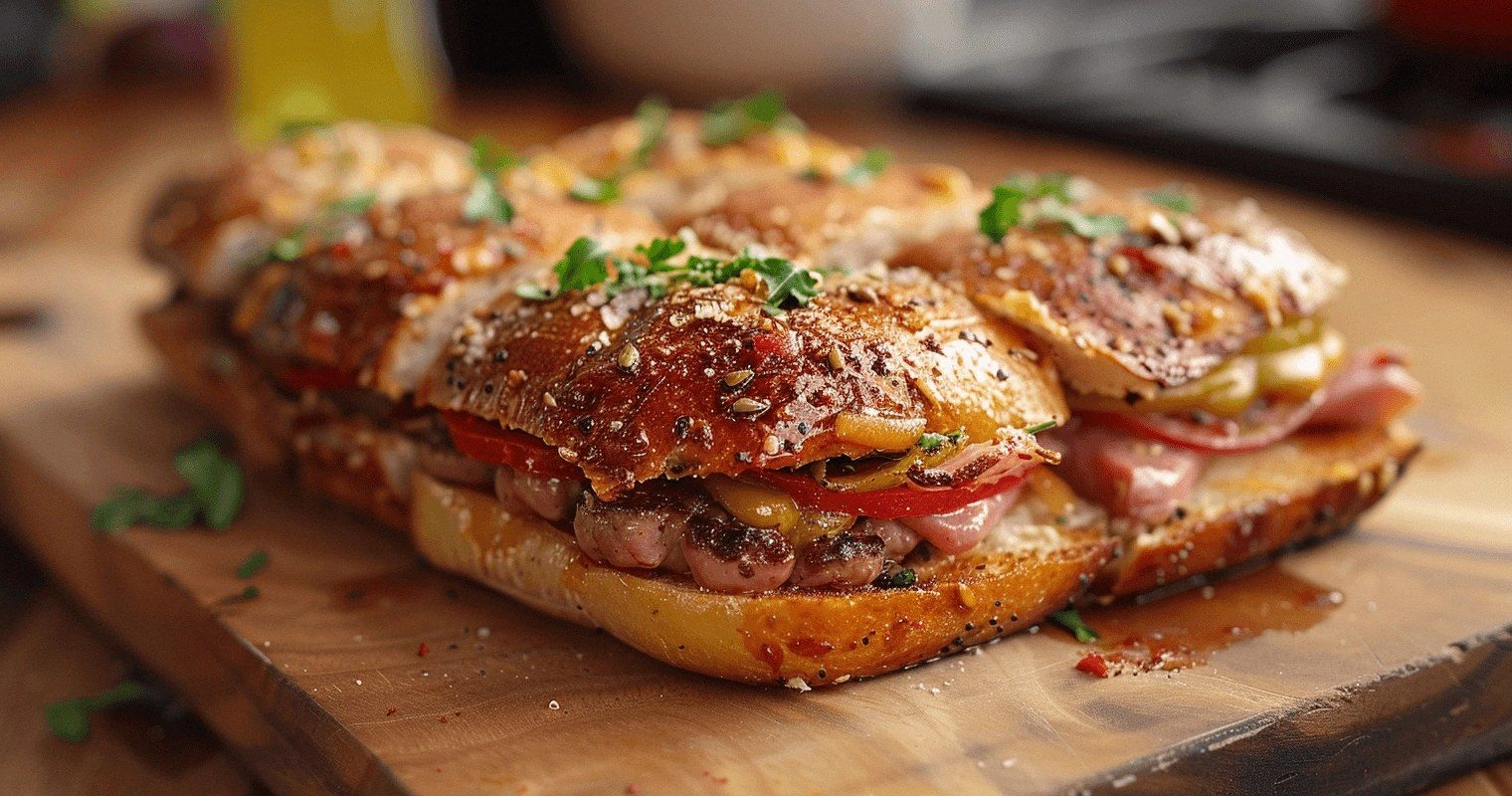
- Assemble the sliders while everything's warm. Slice the buns in half horizontally, keeping them attached like little buns with hinges. Brush the insides with herb oil, then layer on the warm mortadella, letting it curl and wave like edible ribbons. Add the capicola next, draping it artfully because we eat with our eyes first, even when we're going to demolish them in three bites. Tear the fresh mozzarella into irregular pieces and scatter over the meats, then add the provolone on top — the combination creates both the perfect melt and those Instagram-worthy cheese pulls.
- The final bake that brings it all together. Arrange the assembled sliders on a baking sheet and slide them back into the oven for 5-7 minutes, just until the cheese melts into molten perfection. This is where the magic happens — the meats warm up again, the cheeses mingle and melt, and everything becomes one cohesive unit that tastes like it was always meant to be together. Keep the oven light on and watch closely because the line between perfectly melted and sad, separated cheese is thin and heartbreaking. While they're finishing, roughly chop your cherry peppers and get your arugula ready because the assembly line is about to get real.
- The final flourish that makes them restaurant-worthy. Remove the sliders from the oven and immediately scatter with chopped cherry peppers, letting their bright red color pop against the golden cheese. Top with a generous handful of arugula that'll wilt slightly from the heat but stay crisp enough to add texture. Drizzle with a final splash of that incredible garlic-herb oil, then close the buns and press down gently — this is when everything melds together into slider perfection. Serve them warm, stacked on a platter with extra peppers on the side for those heat seekers who always want more.
That's it — you did it. But hold on, I've got a few more tricks that'll take this to another level...
Insider Tricks for Flawless Results
The Temperature Rule Nobody Follows
Here's the thing that separates the slider masters from the mere mortals: temperature control at every stage. Your meats should be room temperature before cooking, your cheese should be cold from the fridge, and your buns should be warm when you assemble. This sounds like food snob nonsense until you try it — room temperature meats cook more evenly and develop better flavor, while cold cheese melts perfectly without getting greasy. I learned this the hard way after serving what looked like a cheese oil slick to my in-laws, who still mention it at every family gathering like it's my defining moment.
The second temperature trick is letting your assembled sliders rest for exactly 5 minutes after the final bake. This isn't some chef-y pretension — it's science. The cheese needs time to set slightly so it doesn't all squish out when you bite in, and the flavors need a moment to meld together like they're at a very exclusive party. Set a timer because you'll be tempted to dig in immediately when faced with molten cheese and the smell of Italian dreams.
Why Your Nose Knows Best
I'll be honest — I used to rely on timers and thermometers like a culinary robot until I learned to trust my nose. When the garlic-herb oil is ready, it'll smell like you've been transported to an Italian hillside. When the buns are perfectly baked, they'll smell nutty and toasty, not yeasty and raw. And when the meats are properly warmed, they'll release this incredible aroma that makes your stomach growl like an angry bear. This sounds mystical until you realize that your nose is actually detecting the Maillard reaction — that magical chemical process that creates hundreds of flavor compounds when proteins and sugars meet heat.
The nose test is especially crucial for the final assembly. When everything's perfectly balanced, you'll smell herbs, cheese, and something deeply savory all at once. If one aroma dominates, adjust accordingly — more peppers if it smells too rich, more cheese if it seems flat, a drizzle of oil if it lacks that Italian perfume. Trust me, your nose has been training for this moment since you were born.
The 5-Minute Rest That Changes Everything
This might be the hardest trick to follow because it requires patience when faced with hot, cheesy perfection. After assembling but before serving, let your sliders rest for exactly 5 minutes. I know, I know — they're calling to you with their melty cheese and incredible smells. But here's what happens during those crucial minutes: the cheese sets slightly so it doesn't all squish out, the bread absorbs some of the meat juices without getting soggy, and the flavors have time to meld together into something greater than the sum of their parts.
Set a timer and walk away if you must. Use this time to pour drinks, set out napkins, or practice your humble "oh, these old things?" speech for when people lose their minds over how good these are. A friend tried skipping this step once — let's just say it didn't end well. She ended up with cheese lava all over her favorite shirt and had to change before dinner, which in my house is considered a culinary tragedy.
Creative Twists and Variations
This recipe is a playground. Here are some of my favorite ways to switch things up:
The Caprese Version
Swap the mortadella for fresh buffalo mozzarella slices, add ripe tomatoes instead of cherry peppers, and use fresh basil instead of arugula. The key is using the best tomatoes you can find — heirloom if it's summer, good cherry tomatoes if it's not. Drizzle with balsamic reduction and suddenly you're in a villa on Lake Como, even if you're actually in your kitchen with laundry on the table and kids screaming in the background.
The Calabrian Heat Bomb
For those who like it hot, substitute Calabrian chili paste for the red pepper flakes in the oil, use spicy soppressata instead of mortadella, and add pickled jalapeños along with the cherry peppers. The result is a slider that builds heat slowly until you're reaching for your drink in the best way possible. Serve with cooling cucumber slices on the side for the spice-sensitive folks who always claim they can handle it until they can't.
The Truffle Shuffle
Add a few drops of white truffle oil to the garlic-herb oil (a little goes a long way), use fontina cheese instead of provolone, and add caramelized onions that have been cooked down with a touch of balsamic. These are the sliders you serve when you want to impress your boss or convince your mother-in-law that you're sophisticated despite evidence to the contrary. They're rich, decadent, and smell like money.
The Veggie Victory
Replace the meats with grilled zucchini, eggplant, and roasted red peppers. Use smoked mozzarella for depth and add a spread of pesto on the bun bottoms. Even devoted carnivores devour these — the key is grilling the vegetables until they develop char marks that add smoky flavor. The pesto brings everything together and makes you feel slightly virtuous while still indulging in melted cheese and warm bread.
The Breakfast Slider
Add a fried egg to each slider, swap the mortadella for pancetta, and use sharp cheddar along with the provolone. The runny yolk creates a sauce that mingles with the herb oil in ways that should probably be illegal. These are dangerous because you'll want them for breakfast, lunch, and dinner, leading to a condition I call "slider dependency" that requires professional help and bigger pants.
The Thanksgiving Remix
Use leftover turkey instead of mortadella, add a spoonful of cranberry sauce under the cheese, and use sage instead of rosemary in the oil. It's like Thanksgiving dinner in slider form, minus the political arguments and your uncle's conspiracy theories. The cranberry adds sweetness that plays beautifully with the savory meats, and the sage brings those holiday vibes that make people nostalgic and hungry at the same time.
Storing and Bringing It Back to Life
Fridge Storage
I'll be honest — I've never actually had leftovers of these because people inhale them like they're going out of style. But if you're planning ahead or have more self-control than my friends, you can store assembled but unbaked sliders in the fridge for up to 24 hours. Wrap them tightly in plastic wrap, then foil, to prevent them from drying out. The key is letting them come to room temperature before the final bake, otherwise the cheese won't melt properly and the centers will stay cold like revenge.
Baked sliders will keep for 2-3 days in the fridge, but they lose that incredible texture that makes them special. Store them in an airtight container with parchment paper between layers, and accept that they'll never be quite as good as fresh. The arugula will wilt and the buns will get soggy — such is the tragedy of leftover sliders. Better to eat them all and deal with the consequences, which in my case usually involves lying on the couch moaning about how I have no self-control while simultaneously planning when I can make them again.
Freezer Friendly
Here's some good news: the unbaked buns freeze beautifully for up to 3 months. Flash freeze them on a baking sheet after shaping, then transfer to freezer bags with parchment between layers. When you're ready to use them, thaw overnight in the fridge, let them come to room temperature, and proceed with the final rise. It's like having Italian bakery magic on demand, perfect for those "I need to impress people but have no time" moments that seem to happen with alarming frequency.
The assembled but unbaked sliders can also be frozen, but with caveats. Freeze them on a baking sheet first, then wrap tightly. They'll keep for about a month before the quality starts to decline. Bake from frozen at 325°F for 20-25 minutes, covering with foil if they brown too quickly. They won't be quite as good as fresh, but they're still better than anything you'll find in the freezer aisle, and sometimes that's enough.
Best Reheating Method
If you must reheat already-baked sliders (and I really wish you wouldn't), the oven is your only hope. Wrap them in foil with a tiny splash of water to create steam, and warm at 300°F for 10-12 minutes. This helps rehydrate the buns and prevents the cheese from becoming a rubbery mess. The microwave is strictly forbidden — it turns the buns into hockey pucks and the cheese into something that resembles plastic more than dairy. I've seen good sliders ruined this way, and it's heartbreaking like watching someone put ketchup on a perfectly good steak.
For the love of all that is holy, add fresh arugula after reheating, not before. There's nothing sadder than wilted greens on a reheated slider, except maybe my bank account after I discover a new kitchen gadget I absolutely must have. The pickled peppers can handle the reheat but add a few fresh ones for that bright pop that makes these sliders sing.