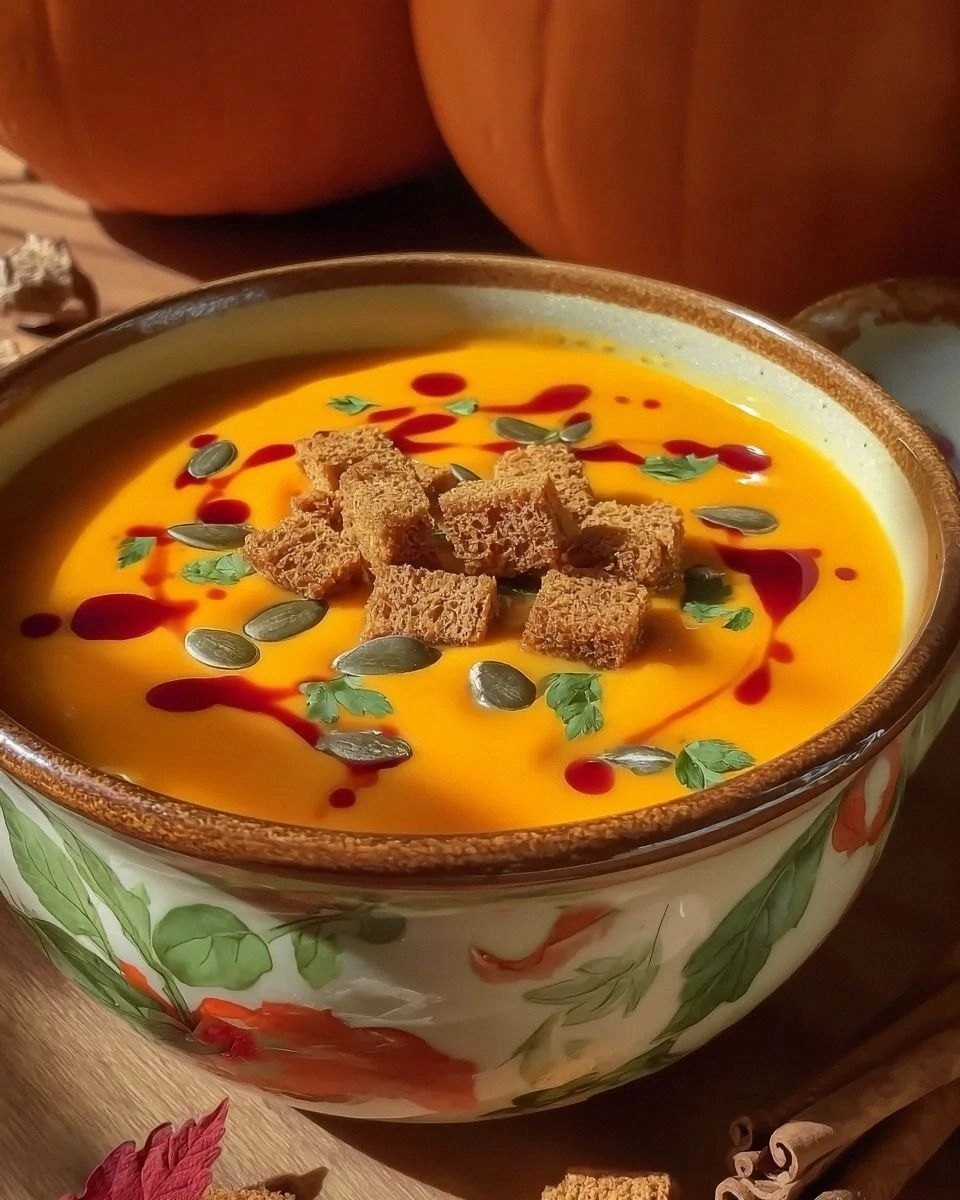
I still remember the first time I tried to make pumpkin soup from scratch. It was a rainy October afternoon, my kitchen smelled like wet dog, and I had managed to turn what should have been a silky autumn dream into something resembling baby food with a cinnamon stick floating in it like a sad little raft. My roommate took one bite, politely set down the spoon, and asked if we could order pizza. That disaster haunted me for three years. Three whole years of avoiding pumpkin anything because I was convinced I was cursed. Then last fall, I got dared by my culinary-obsessed cousin to try again — but this time, I went full detective mode. I tested seventeen different recipes, roasted pumpkins until my fingers were orange for a week straight, and discovered the secret that changed everything. This isn't just another pumpkin soup recipe. This is the one that made my neighbor bang on the door at 9 PM demanding to know what smelled so incredible. The one that had my previously pumpkin-hating partner licking the bowl clean and asking for seconds. The one that'll make you look like you trained at Le Cordon Bleu when you really just followed some brilliantly simple steps. Picture yourself pulling this out of the oven, the whole kitchen smelling like you've bottled autumn itself — warm spices dancing with caramelized pumpkin, a hint of maple, and something mysteriously delicious that'll have everyone asking for your secret ingredient. Let me walk you through every single step — by the end, you'll wonder how you ever made it any other way.
Here's the thing about most pumpkin soups — they're either bland baby food or so over-spiced they taste like potpourri in a bowl. They skip the roasting step (huge mistake), dump in a truckload of cinnamon (why?), and somehow end up tasting like disappointment with a side of cream. I'll be honest — I ate half the batch before anyone else got to try it because I couldn't believe I'd finally cracked the code. The magic happens when you roast the pumpkin until the edges are dark and caramelized, when you bloom the spices in butter until they smell like autumn exploded, when you blend it so smoothly it coats your spoon like liquid velvet. Most recipes get this completely wrong. They treat pumpkin soup like some kind of health punishment instead of celebrating what it could be — the most comforting, luxurious bowl of fall you'll ever experience. This version? It's hands down the best version you'll ever make at home, and I'm not even being modest.
What makes this different starts with understanding that pumpkin isn't just pumpkin. Those watery cans from the store? Leave them for the pie emergencies. We're talking about real sugar pumpkins — the small, sweet ones that look like they belong in a painting rather than a jack-o'-lantern. When you cut them open, they smell like earth and honey and something ancient. Roast them until their edges turn dark amber and their flesh concentrates into something that tastes like pumpkin intensified by a thousand. The spices aren't an afterthought thrown in at the end — they're toasted in butter until they bloom and release oils that'll make your kitchen smell like you've been transported to a spice market. And here's the game-changer — a splash of maple syrup that doesn't make it sweet, just makes the pumpkin taste more like itself. If you've ever struggled with pumpkin soup that tastes flat or one-dimensional, you're not alone — and I've got the fix.
But the real secret? It's all in the timing and the layering. We're building flavors like we're composing a symphony, not throwing everything into a pot and hoping for the best. Each ingredient gets its moment to shine, to transform, to become something greater than itself. The onions cook until they're golden and sweet, the garlic goes in just long enough to lose its bite but keep its soul, and the stock isn't just any liquid — it's a carefully chosen broth that'll enhance rather than dilute. By the time you blend everything together, you're not just making soup. You're creating autumn in a bowl, a dish that tastes like nostalgia and comfort and the kind of meal that makes people close their eyes when they taste it. Okay, ready for the game-changer?
What Makes This Version Stand Out
Roasted Depth: While other recipes steam or boil their pumpkin into watery submission, we roast it until the edges caramelize and the natural sugars concentrate into something magical. This isn't just cooking — it's transformation. The pumpkin develops complex, nutty flavors that taste like they've been aged in oak barrels instead of your oven.
Spice Harmony: Most pumpkin soups taste like someone knocked over the spice rack. This version balances warming spices so perfectly that each spoonful unfolds like a story — first the cinnamon whispers hello, then nutmeg dances in, followed by the gentle heat of ginger and the earthy comfort of cloves. They're supporting actors, not the entire show.
Texture Perfection: We're not just blending until smooth — we're achieving that restaurant-quality silkiness that makes the soup coat your spoon like liquid velvet. The secret lies in the temperature of the stock when you add it and the patience to blend longer than you think you need to.
Make-Ahead Magic: This soup actually improves overnight as the flavors meld and deepen. Make a double batch on Sunday, and you've got lunch that'll make your coworkers jealous all week. It freezes like a dream, too — portion it into muffin tins for perfect single servings that thaw in minutes.
Crowd Reaction: I've served this to people who claim they hate pumpkin soup. They always go back for seconds. Some have asked if they could lick the pot. One friend tried to steal the entire container I was saving for my lunch. This isn't just soup — it's conversion therapy for pumpkin skeptics.
Ingredient Quality: Every component matters, from the real maple syrup (not the corn syrup stuff) to the homemade stock if you're feeling ambitious. But here's the beautiful part — even with supermarket ingredients, this recipe delivers results that taste like you shopped at a farmers market at dawn.
Simplicity Factor: Despite tasting like you spent all day in the kitchen, this comes together in under an hour. Most of that's hands-off roasting time when you can sip wine and pretend you're on a cooking show. If you can chop vegetables and operate an oven, you can make soup that'll make people think you have secret culinary training.
Alright, let's break down exactly what goes into this masterpiece...
Inside the Ingredient List
The Flavor Foundation
The sugar pumpkins are the stars here, and they need to be treated like it. Look for small, heavy ones that feel dense for their size — about 2-3 pounds each. When you knock on them, they should sound hollow, and the skin should be dull, not shiny. Avoid the massive carving pumpkins; they're watery and bland, grown for size rather than flavor. If you can't find sugar pumpkins, kabocha or red kuri squash make excellent understudies with their sweet, dense flesh. The roasting process concentrates their natural sugars, transforming them from humble vegetables into something that tastes like autumn concentrated into edible form.
Butter forms the base of our flavor building — don't you dare use margarine here. We're browning it slightly to develop nutty, toffee-like notes that'll make your kitchen smell like you're baking cookies. The milk solids toast and turn golden, creating a depth that olive oil simply can't match. If you're dairy-free, coconut oil works, but add a teaspoon of nutritional yeast to mimic those nutty, buttery notes that make this soup so addictive.
The Spice Symphony
Cinnamon gets all the attention in fall recipes, but here it plays second fiddle to a carefully orchestrated blend. We're using Ceylon cinnamon — the good stuff that's subtle and complex, not the harsh cassia bark that overpowers everything. It adds warmth without screaming "cinnamon" in every spoonful. Freshly grated nutmeg makes the pre-ground stuff taste like sawdust in comparison, releasing oils that smell like Christmas morning and your favorite sweater combined.
Ginger adds brightness and a gentle heat that wakes up your palate. Fresh ginger grated on a microplane gives you spicy, citrusy notes that dried ginger can't touch. But here's the twist — we're adding just a pinch of dried ginger too, for that concentrated warmth that lingers on your tongue. White pepper adds a subtle heat that blooms in the background, while cardamom contributes an ethereal floral note that makes people ask "what is that amazing flavor?" without being able to place it.
The Liquid Gold
Vegetable stock forms the body of our soup, but not all stocks are created equal. A homemade stock simmered with roasted vegetables will give you layers of flavor that store-bought can't touch. If you're using store-bought, look for low-sodium versions — you want to control the salt level yourself. Warm stock blends more smoothly than cold, preventing the dreaded splatter that turns your kitchen into a Jackson Pollock painting.
Heavy cream gets whisked in at the end for luxurious richness, but here's where you can customize. For a lighter version, whole milk works beautifully, or go dairy-free with coconut milk — just use the thick cream from the top of the can. The key is adding it off-heat so it doesn't curdle, whisking it in gently until the soup turns silky and coats the back of a spoon.
The Secret Weapons
Maple syrup might seem like it would make the soup sweet, but just a tablespoon amplifies the pumpkin's natural sweetness without turning dessert. Use real maple syrup — the darker the better for its complex, almost smoky notes. Apple cider vinegar adds just enough acid to brighten everything, cutting through the richness like a squeeze of lemon on fish. It's the difference between a soup that tastes flat and one that makes your taste buds sing.
Everything's prepped? Good. Let's get into the real action...
The Method — Step by Step
- Preheat your oven to 425°F — yes, that hot. We want aggressive heat that'll caramelize the pumpkin's edges while keeping the interior creamy. Cut your sugar pumpkins in half and scoop out the seeds with an ice cream scoop — it's oddly satisfying and way more efficient than a spoon. Rub the cut surfaces with olive oil, then place them cut-side down on a baking sheet lined with parchment. This is where the magic begins — as they roast, the edges will turn deep amber, almost black in spots, developing those complex, nutty flavors that make the difference between good soup and unforgettable soup.
- While the pumpkins roast, start your spice blend. In a small dry pan, toast your whole spices — cinnamon stick, cardamom pods, and cloves — until they smell like autumn exploded in your kitchen. That sizzle when it hits the pan? Absolute perfection. Keep them moving so they don't burn, about 2-3 minutes until they're fragrant and slightly darker. Grind them fresh in a spice grinder or mortar and pestle — yes, it's extra work, but the difference between fresh and pre-ground spices is like the difference between a live orchestra and a phone speaker.
- Melt butter in your soup pot until it foams, then continue cooking until the foam subsides and the milk solids turn golden brown. This is the moment of truth — too light and you miss the nutty complexity, too dark and it tastes burnt. Watch it like a hawk, swirling the pan occasionally. When it smells like you're baking toffee cookies, it's ready. Immediately add your diced onion — it'll sizzle dramatically and stop the browning process. Cook until the onions are translucent and starting to caramelize around the edges, about 8-10 minutes.
- Your pumpkins should be ready when the flesh is tender and the edges are deeply caramelized — about 35-45 minutes depending on size. Don't walk away from the oven in the last 10 minutes; this is when they go from perfectly roasted to burnt. The edges should be dark, almost black in spots, but the flesh should still be orange and creamy. Let them cool just enough to handle, then scoop out all that gorgeous roasted flesh. It should come away from the skin like butter, leaving you with about 4 cups of concentrated pumpkin flavor.
- Add your spice blend to the onions, along with the grated ginger and minced garlic. This next part? Pure magic. Cook for just 30 seconds — you want to wake up the spices without burning them. The aroma should fill your kitchen with something that smells like autumn baking and exotic markets combined. Add your roasted pumpkin flesh, breaking it up with your spoon so it can marry with the spices. Pour in your warm stock, scraping up all those gorgeous browned bits from the bottom of the pan — they're flavor gold.
- Bring everything to a gentle simmer and let it bubble away for 15 minutes. This isn't just heating everything through — it's allowing all the flavors to meld and marry. The soup will start to thicken as the pumpkin breaks down further. Stir occasionally, scraping the bottom to prevent sticking. Taste and adjust seasoning — it might need more salt than you expect because the pumpkin can handle it. Add your maple syrup and apple cider vinegar, stirring to combine.
- Now comes the transformation. Using an immersion blender directly in the pot (or working in batches with a regular blender), blend until the soup is completely smooth. This is where patience pays off — blend longer than you think you need to, at least 2-3 minutes. The soup should turn silky and glossy, coating the back of a spoon. If it's too thick, add more warm stock. Too thin? Let it simmer a bit longer. The texture should be like liquid velvet that pours in a steady stream.
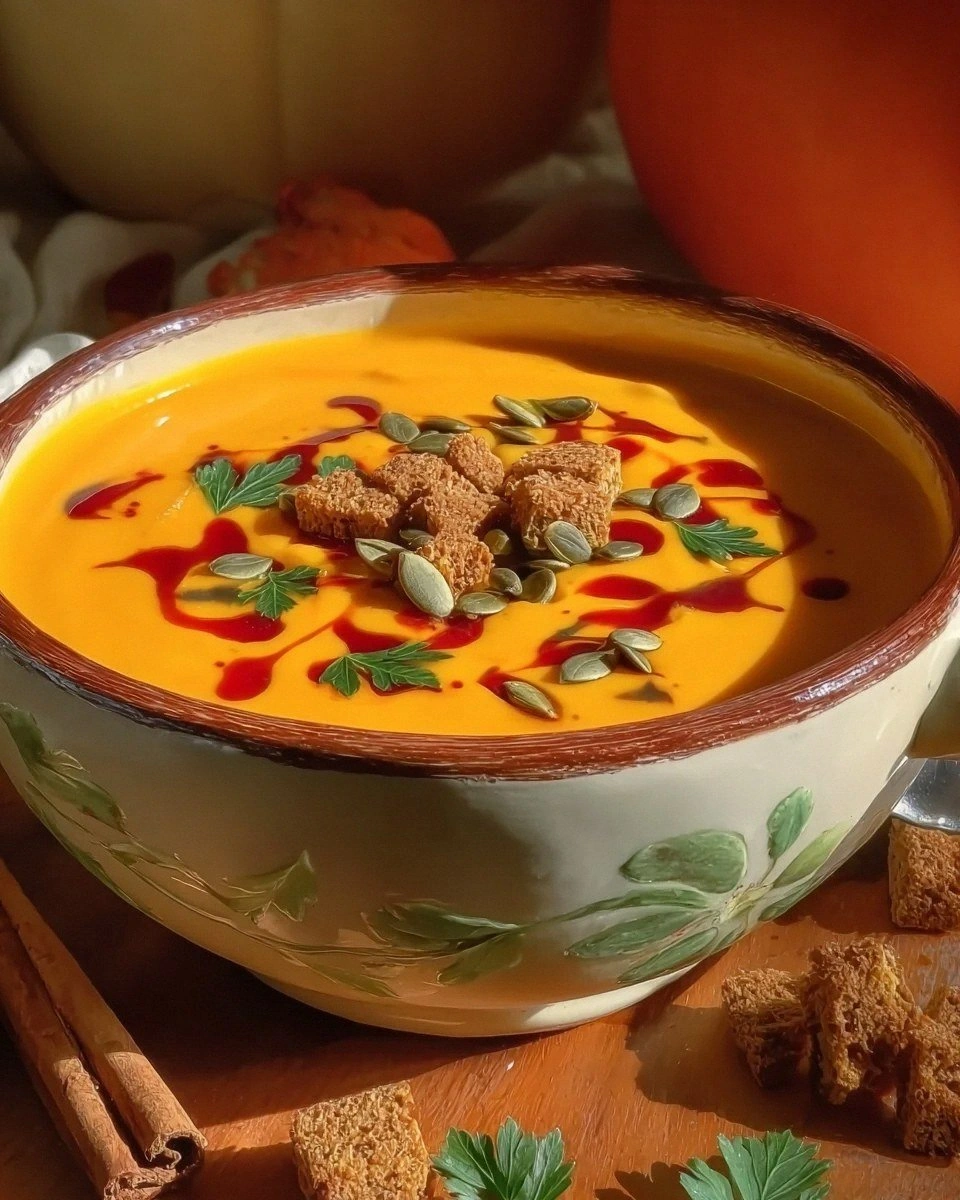
- Remove from heat and stir in your cream — but here's the key: let the soup cool slightly first. If it's boiling hot, the cream can curdle and give you a grainy texture. Whisk it in gently until it's fully incorporated and the soup turns a gorgeous pale orange. Taste one final time, adjusting salt, pepper, or a splash more vinegar if it needs brightness. Ladle into warm bowls, drizzle with cream in artistic swirls, and top with those roasted pumpkin seeds you saved. That's it — you did it. But hold on, I've got a few more tricks that'll take this to another level...
Insider Tricks for Flawless Results
The Temperature Rule Nobody Follows
Here's what separates restaurant-quality soup from home cooking — temperature control. Your stock should be warm when it goes in, your cream should be room temperature, and your serving bowls should be warmed. Cold cream in hot soup can curdle, cold stock can shock the vegetables, and cold bowls can turn your silky soup lukewarm in seconds. I keep a kettle handy and pour hot water into my serving bowls while the soup simmers, dumping it out just before ladling. It takes 30 seconds and makes the difference between a good meal and a memorable one.
Why Your Nose Knows Best
Don't just rely on tasting — use your nose throughout the process. When the spices are perfectly toasted, your kitchen will smell like autumn baking. When the onions are properly caramelized, they'll smell sweet and complex, not sharp. If you smell anything burning, you've gone too far — trust your nose and adjust the heat. A friend tried skipping this step once — let's just say it didn't end well for her smoke detector or her soup.
The 5-Minute Rest That Changes Everything
After blending, let your soup rest for 5 minutes before adding the cream. This brief pause allows the foam to settle and the flavors to meld. It's like letting a good wine breathe — the transformation is subtle but noticeable. The soup becomes more harmonious, the flavors more rounded. Plus, it gives you time to warm your bowls, make your garnish look pretty, and maybe pour yourself a glass of wine. You've earned it.
The Blender Secret
If you're using a regular blender, blend the soup in small batches and remove the center cap from the lid. Cover the opening with a kitchen towel instead — this allows steam to escape while preventing splatters. Blend each batch for at least 2 minutes, starting on low and gradually increasing to high. The longer blend time incorporates air, making the soup lighter and silkier. Pass it through a fine-mesh sieve if you want restaurant-level smoothness, but honestly, a good long blend usually does the trick.
The Garnish Game
Don't just dump cream on top — create contrast. Swirl it in with a toothpick or skewer for artistic designs. Toast your pumpkin seeds with a pinch of the same spice blend for thematic harmony. A few drops of good olive oil add fruitiness, while some crispy sage leaves (fried in butter until they shatter like thin ice) bring earthiness. These aren't just pretty touches — they add texture and flavor dimensions that make each spoonful interesting.
Creative Twists and Variations
This recipe is a playground. Here are some of my favorite ways to switch things up:
The Thai-Inspired Version
Swap the cream for coconut milk, add lemongrass and galangal to the stock, and finish with lime juice and fish sauce. The result tastes like autumn vacationing in Bangkok — warming spices meet bright, herbaceous notes. Top with cilantro, crispy shallots, and a drizzle of chili oil for a soup that'll wake up your taste buds and clear your sinuses.
The Smoky Bacon Edition
Render chopped bacon in your pot before the onions, using the fat instead of butter. The smoky, salty depth plays beautifully against the sweet pumpkin. Reserve some crispy bacon bits for topping, and add a splash of bourbon along with the stock. It tastes like camping in Vermont during peak foliage season — rustic, comforting, and slightly dangerous.
The Harissa Heat Wave
Add a tablespoon of harissa paste when you add the spices — it brings warmth rather than just heat, with complex chili and spice notes that complement the pumpkin beautifully. Finish with a dollop of Greek yogurt swirled in for cooling contrast. This version has converted people who claimed they didn't like spicy food — the heat is there, but it's sophisticated and warming rather than just hot.
The Apple Orchard Variation
Add two tart apples (like Granny Smith) when you add the pumpkin — they break down during simmering and add brightness that makes the pumpkin taste more like itself. Use apple cider instead of some of the stock, and add a splash of calvados at the end. It tastes like autumn in New England, like you're wrapped in a flannel blanket with a good book while leaves fall outside.
The Roasted Garlic Dream
Roast a whole head of garlic alongside your pumpkin — cut the top off, drizzle with olive oil, wrap in foil. When it's caramelized and sweet, squeeze out the cloves and add them with the pumpkin. The garlic adds depth without sharpness, turning the soup into something that tastes like it's been simmering for hours when it really just has that roasted complexity.
The Curry Coconut Remix
Add a tablespoon of yellow curry powder and a teaspoon of turmeric to your spice blend. Use coconut milk instead of cream, and finish with cilantro and a squeeze of lime. The curry spices and coconut create an entirely different flavor profile — it's like autumn soup met Thai curry and had a beautiful baby. Even people who claim they don't like curry love this version.
Storing and Bringing It Back to Life
Fridge Storage
This soup keeps beautifully for up to 5 days in the refrigerator — the flavors actually deepen and improve over the first couple days. Store it in airtight containers, but here's the key: don't add the cream if you're planning to reheat later. The cream can separate and turn grainy. Instead, add the cream when you reheat individual portions. Press plastic wrap directly against the surface to prevent a skin from forming, or just embrace the skin — some people actually like it.
Freezer Friendly
Pumpkin soup freezes like a champion for up to 3 months, but again, skip the cream. Freeze in portion-sized containers or zip-top bags laid flat (they stack like books and thaw quickly). Leave about an inch of headspace for expansion — unless you enjoy cleaning pumpkin soup off your freezer walls. Thaw overnight in the fridge or use the defrost setting on your microwave, stirring every minute or so for even thawing.
Best Reheating Method
Reheat gently over medium-low heat, stirring frequently. Add a splash of water or stock because it thickens as it sits. If you froze it without cream, add the cream after it's hot, letting it cool slightly first. Add a tiny splash of water before reheating — it steams back to perfection. Microwave works in a pinch, but do it in 30-second bursts, stirring between each. Whatever you do, don't let it boil after adding cream — you'll end up with a grainy, separated mess that'll make you cry into your bowl.