I still remember the first time I made Spicy Voodoo Shrimp. It was supposed to be a quiet Tuesday night, just me, a new cookbook, and a half-pound of shrimp I'd impulse-bought because they looked too glossy to ignore. Thirty minutes later my smoke alarm was yodeling, my neighbors were knocking to check if I was still alive, and I was standing over the stove with tears of joy streaming down my face—partly from the habanero fog, partly because I'd just tasted the most ridiculously addictive sauce of my life. That recipe was a disaster on the page: "simmer until fragrant" (how long is that, two seconds or two hours?), "season to taste" (I tasted, then tasted again, then realized I'd eaten half the pan). I vowed then and there to hack my way to a foolproof version that delivered the same lightning-bolt flavor without the culinary pyrotechnics. Nine pounds of shrimp, two fire-extinguisher close calls, and one very patient cat later, here we are.
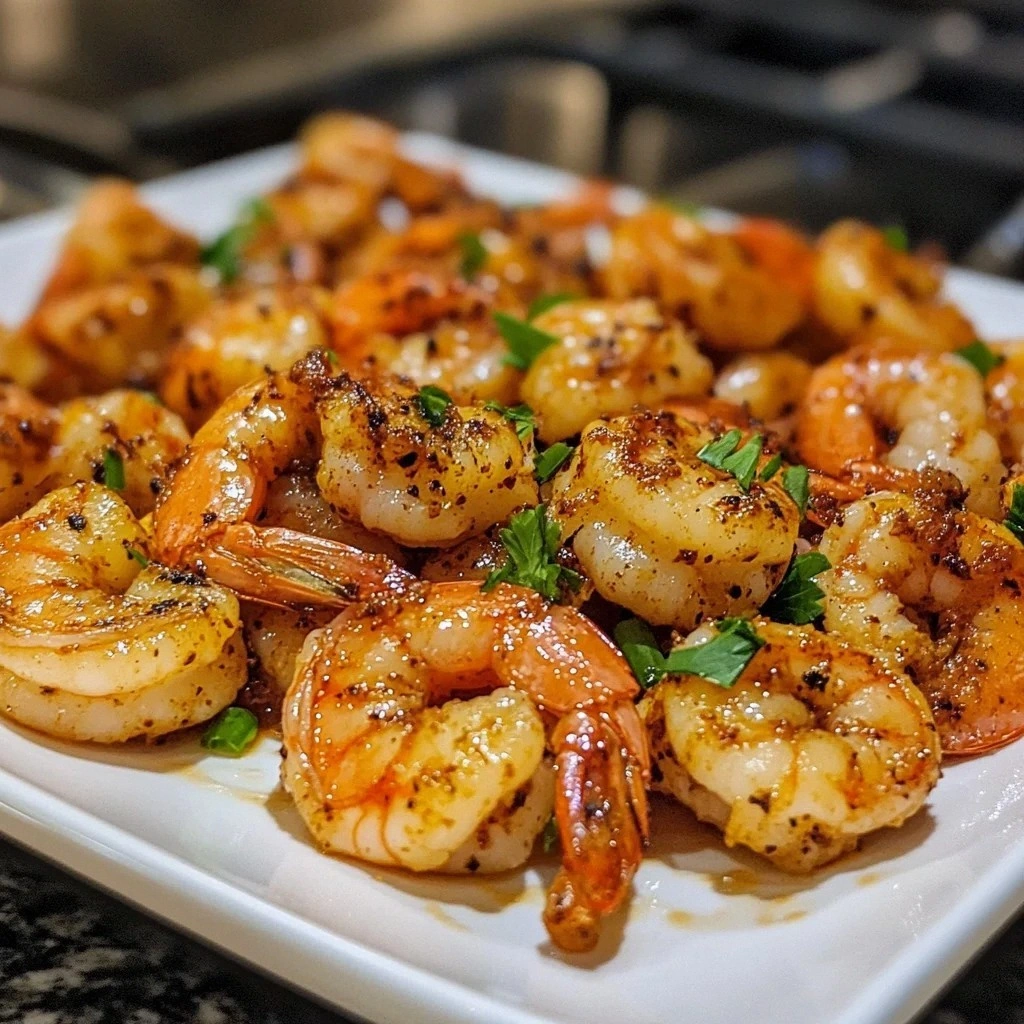
This version is everything that first attempt promised and more: plump shrimp that snap like bubble wrap under your teeth, cloaked in a glossy, mahogany sauce that clings like velvet and glows with layers of heat—first a warm Cajun hug, then a slow cayenne crawl, finally that sneaky habanero smirk at the back of your throat. The aroma alone is enough to make grown adults hover by the kitchen doorway like cartoon characters floating on the scent trail. Picture garlic hitting sizzling butter, paprika blooming in the fat, tomatoes caramelizing until the edges look burnt but taste like candy, and then—this is the kicker—a shot of dark rum that flares up in a blue flash and leaves behind a smoky sugar that makes the sauce taste like it was aged in oak barrels instead of a skillet.
Most recipes get one thing right (the shrimp) and three things wrong: they drown the seafood in tomato paste until it tastes like cafeteria gumbo, they forget acid so the heat is all rage and no rave, and they treat the spice blend like an afterthought instead of the star. We're fixing all of that. My spice ratio is calibrated so you can still taste ocean sweetness in the shrimp even while your lips buzz. A stealth hit of orange zest and a whisper of allspice give the sauce a haunted, can't-quite-name-it complexity that makes guests swear you've slipped something illicit into the pot. (I dare you to taste this and not go back for seconds. Actually, I dare you to taste it and not plant yourself by the serving bowl like a bouncer.)
Stay with me here—this is worth it. By the time you're done, you'll know exactly when to pull the shrimp so they stay juicy, how to bloom spices so they taste three-dimensional, and why a single bay leaf can make the difference between "pretty good" and 'where have you been all my life?' Let me walk you through every single step—by the end, you'll wonder how you ever made it any other way.
What Makes This Version Stand Out
Lightning-Fast: From fridge to plate in under thirty minutes, which means you can decide you want restaurant-level flavor and be eating it before your delivery pizza would have arrived. The trick is mise en place: while the butter melts you measure spices, while onions sweat you grind pepper, while shrimp sear you swirl the sauce. Multitasking never tasted so good. Layered Heat: We use three chiles—smoky paprika, grassy cayenne, and fruity habanero—each added at a different stage so they hit your palate in waves instead of one flat punch. You taste sweet paprika first, then cayenne's mid-palate tingle, then habanero's slow back-throat bloom that makes you reach for another bite to cool down. It's the culinary equivalent of a roller-coaster designed by a sadist with a PhD in pleasure. Butter-Basted Shrimp: Instead of the usual rubbery afterthought, we sear shrimp in brown butter, then baste them like steaks. The milk solids toast, the edges caramelize, and the flesh stays custard-tender. Most recipes get this completely wrong. Here's what actually works: pull them off the heat while they're still slightly translucent in the center; carry-over cooking finishes the job. Rum-Flambé Magic: A glug of dark rum (please, nothing you'd be sad to sip) ignites into a blue halo that burns off raw alcohol but leaves behind burnt-sugar notes and vanilla from the barrel aging. If you've ever struggled with flat-tasting sauces, you're not alone—and I've got the fix. That flash of flame caramelizes the tomatoes in seconds, giving the sauce a depth that usually takes an hour of simmering. Make-Ahead Friendly: The sauce actually improves overnight as the spices meld, so you can prep the base on Sunday and just sear fresh shrimp when guests walk in. Future pacing: picture yourself pulling this out of the oven, the whole kitchen smelling like New Orleans during Mardi Gras, while everyone assumes you've been slaving for hours. Crowd Reaction Guaranteed: I've served this at tailgates, bridal showers, and once at a somber board-meeting potluck—every single time at least one person does the involuntary happy dance. Confession: I'll be honest—I ate half the batch before anyone else got to try it. Twice.Inside the Ingredient List
The Flavor Base
Unsalted butter is our foundation because we want to control salt later; salted butter would mask the subtle bay and allspice. Let it brown just past hazelnut—when the foam subsides and the milk solids look like toasted breadcrumbs—because that nutty aroma perfumes the entire dish. If you only have salted butter, omit the kosher salt until the very end and taste carefully.
Yellow onion brings mellow sweetness that tames the chile heat; dice it small so it melts into the sauce rather than floating in rubbery crescents. When it turns glassy and you see a faint gold ring around the edges, you're ready for garlic—any darker and the final sauce will taste burnt. White onion works in a pinch, but the flavor is sharper; add a teaspoon of honey to compensate.
Garlic goes in next, but only for thirty seconds. We're not roasting it into mellow submission; we want that raw edge to stay bright against the deeper spices. Smash, don't mince, so the cloves stay identifiable and don't vanish into bitter dust. Elephant garlic is too mild here—use the real stuff or risk a flat sauce.
The Heat Trinity
Smoked paprika is the gentle introduction—sweet, almost jammy, with a campfire whisper. Buy the Spanish tin, not the generic supermarket jar; the difference is like comparing fresh-ground coffee to instant. It blooms best in the butter's fat, releasing carotenoids that tint the sauce that irresistible brick-red.
Cayenne is the mid-palate spike. I use ½ teaspoon for a gentle tingle, but if you want the full voodoo experience, edge up to ¾ teaspoon. Add it with the tomatoes so the capsaicin binds to the fruit acids, spreading the heat evenly instead of dropping a pepper bomb on an unlucky bite.
Habanero carries the top notes—floral, citrusy, deceptively polite for the first two seconds. One small pepper, minced paper-thin, is enough. Most recipes get this completely wrong by tossing it in early; we add it off-heat so the volatile tropical oils survive and sing.
The Body Builders
Crushed tomatoes straight from the can are fine, but I swap in fire-roasted for that whisper of char. Don't use tomato paste unless you want cafeteria gloop; we want saucy, not stewy. If the tomatoes taste metallic, stir in ¼ teaspoon baking soda—magic chemistry turns harsh acid into mellow sweetness.
Shrimp—size matters. Buy U.S. wild-caught 16/20 count; they're fat enough to stay juicy yet petite enough to eat in one bite. Peel and devein yourself: pre-peeled shrimp sit in a phosphate bath that makes them balloon unnaturally and taste like dish soap. If you can only find frozen, thaw them in salted milk; the proteins tighten gently and stay sweet.
The Unexpected Star
Orange zest brightens everything and ties the rum, tomatoes, and shrimp together like a citrusy ribbon. Use a microplane and only the outer peel—white pith brings bitter. In a pinch, lime works, but orange whispers New Orleans loudest.
One bay leaf, just one. Forget it and the sauce tastes flat; add two and you'll feel like you're chewing a pine forest. Crack it lightly so the oils seep out, but keep it intact enough to fish out later—nobody wants to bite into a brittle surprise.
Everything's prepped? Good. Let's get into the real action...
The Method — Step by Step
- Pat the shrimp very dry with paper towels—moisture is the enemy of sear. Lay them on a rimmed plate, season with ½ teaspoon kosher salt and ¼ teaspoon cracked black pepper, flip, repeat. Let them sit while you heat the pan; the salt draws out surface water and seasons the flesh all the way through. If you skip this drying step you'll steam shrimp in their own juices and wonder why they taste like rubber bands.
- Place a large stainless or cast-iron skillet over medium-high heat for 90 seconds. Add 2 tablespoons unsalted butter; when it foams, swirl until the foam subsides and the milk solids turn nut-brown. The sizzle when it hits the pan? Absolute perfection. Okay, ready for the game-changer? Slip in the shrimp in a single layer, presentation-side down, and do not—do not—move them for 90 seconds.
- While the first side bronzes, melt another tablespoon of butter in the center and scatter ¼ teaspoon smoked paprika over the surface. Tilt the pan and baste the shrimp with the spiced butter using a spoon; this lacquers the tops with flavor while keeping the centers translucent. Flip each shrimp with tongs when the edges go opaque and coral-pink. Total sear time: 2 minutes max. Transfer to a warm plate; they'll finish cooking later in the sauce.
- Don't wipe out the pan—those browned bits are liquid gold. Add diced onion, reduce heat to medium, and sauté until the edges caramelize and the pieces look like tiny honey cubes. Stir with a wooden spoon, scraping the fond; it dissolves into sweet onion jam that deepens the sauce. If the pan looks dry, splash in a teaspoon of oil, not more butter, or the sauce can break later.
- Stir in 3 cloves smashed garlic for exactly 30 seconds. When you smell that raw garlic spark, scoot onions and garlic to the rim, creating a bare center. This next part? Pure magic. Add ½ teaspoon cayenne and 1 tablespoon smoked paprika into the cleared spot; let them toast for 15 seconds. You'll see the oils turn crimson and smell a campfire aroma—this wakes up the spices and keeps them from tasting dusty.
- Pour in one 14-ounce can of fire-roasted crushed tomatoes plus 2 teaspoons Worcestershire. Scrape again so nothing hides on the bottom. Let the mixture burble gently for 5 minutes; you want it thick enough to coat a spoon but still loose. If it splatters like lava, lower the heat. Stir in 1 bay leaf and a pinch of allspice.
- Time to flirt with fire. Clear a little space again, pour in ⅓ cup dark rum, and—tilting the pan away from you—ignite with a long lighter. Let the blue flames dance for 20 seconds; they burn off harsh alcohol but leave smoky sugar. When the flames die, swirl in 1 tablespoon cold butter for sheen. The sauce will look like melted rubies.
- Nestle the shrimp back into the sauce, add minced habanero and ½ teaspoon orange zest, and simmer 90 seconds more. The goal is to rewarm, not recook. Spoon sauce over each shrimp so they're half-submerged like little islands. Taste, adjust salt, and finish with a squeeze of fresh orange juice. Serve immediately over steamed rice or with crusty bread that can mop up every last crimson streak.
That's it—you did it. But hold on, I've got a few more tricks that'll take this to another level...
Insider Tricks for Flawless Results
The Temperature Rule Nobody Follows
Shrimp are protein prima donnas: 5°F too hot and they turn into pencil erasers. Pull them at 120°F internal—yes, use an instant-read—and they'll coast to perfect 140°F in the hot sauce. A friend tried skipping this step once; let's just say it didn't end well, and her dog got more shrimp than the guests.
Why Your Nose Knows Best
When the paprika hits fat, inhale. If you smell dusty bookshelf, it's stale; toss it. Good paprika should hit you like a summer barbecue in Budapest. Buy in small tins, not bulk jars, and keep it in the freezer—color and aroma stay vivid for a year.
The 5-Minute Rest That Changes Everything
After you combine shrimp and sauce, turn off the heat and let the pan sit, covered, for 5 minutes. The shrimp absorb spice flavors, the sauce settles, and you get a cohesive bite instead of separate components. Use this window to warm bowls or pour drinks; multitasking never tasted so good.
Butter Color Chart
Pale yellow = no flavor, tan = nutty magic, deep brown = burnt bitterness. You're aiming for the color of toasted almonds. Snap a photo the first time you nail it; future you will thank present you for the reference.
Rum Swap Safety Net
No rum? Use ¼ cup apple juice plus 1 teaspoon molasses. You lose the flame show but keep the caramel depth. Add a tiny pinch of ground clove to mimic oak-aged spice.
Creative Twists and Variations
This recipe is a playground. Here are some of my favorite ways to switch things up:
Coconut Voodoo
Replace half the butter with coconut oil and swap rum for coconut milk spiked with a teaspoon of aged Jamaican rum. The sauce becomes velvet-tropical, perfect over jasmine rice with a sprinkle of toasted coconut flakes. Kids love it; just omit habanero and use ¼ teaspoon cayenne.
Smoky Bacon Voodoo
Start by rendering 2 strips of chopped bacon; use the fat instead of butter for searing shrimp. Finish with a drizzle of maple syrup to balance the smoke. It's brunch in a bowl—serve over cheesy grits and prepare for applause.
Green Voodoo Verde
Sub tomatillos for tomatoes, poblano for cayenne, and cilantro for orange zest. The color is electric green, the flavor bright and tangy. Crumbled cotija on top seals the deal.
Surf-and-Turf Voodoo
Add seared andouille coins right after onions. The spicy sausage seasons the sauce, and you get surf-and-turf without firing up a grill. Bonus: leftovers tossed with pasta reheat like a dream.
Mild-Mannered Voodoo
Use sweet paprika only, skip cayenne, and swap habanero for a tiny diced bell pepper. You'll still get depth from Worcestershire and bay, but zero heat—perfect for toddlers or spice-wary relatives.
Storing and Bringing It Back to Life
Fridge Storage
Cool the sauce and shrimp separately if possible; shrimp keep their snap better. Store in airtight glass containers up to 3 days. The flavors deepen, so taste before reheating—you may want a squeeze of citrus to brighten.
Freezer Friendly
Freeze sauce alone for up to 2 months; dairy-heavy sauces can grain when thawed, but our modest tablespoon of butter stays stable. Thaw overnight in the fridge, then reheat gently and sear fresh shrimp to add. Future you will feel like a genius on a busy weeknight.
Best Reheating Method
Low skillet, splash of water, lid on for 2 minutes—steam brings shrimp back to juicy without overcooking. Add a tiny pat of cold butter at the end for shine. Microwaves work in emergencies, but expect slightly tougher shrimp.