Picture this: I’m juggling a half‑finished quinoa bowl, a stubborn pot of pasta that refuses to al dente, and a sudden craving for something that feels like a hug in a spoon. I tried a store‑bought vinaigrette, but it tasted like a chemistry experiment gone wrong—sharp, one‑dimensional, and frankly, a little insulting to my taste buds. In a moment of culinary desperation, I grabbed a tub of plain Greek yogurt, a bottle of balsamic vinegar, and a daring dash of honey, and the rest is a deliciously messy story you’re about to hear. This isn’t just a dressing; it’s the love child of a Mediterranean kitchen and a modern health‑nut’s pantry, and I’m here to spill every secret.
The kitchen was a whirlwind of clattering spoons, the hum of the fridge, and the faint, comforting hiss of the oven cooling down from a previous bake. The air smelled of toasted garlic and fresh herbs, a reminder that I’d been experimenting with a pesto earlier that day. My hands were sticky from the honey, the tang of the balsamic vinegared my nostrils, and the creamy Greek yogurt felt cool against my skin—like a spa treatment for my fingertips. I could hear the faint tick of the clock, each second mocking my indecision, while the bowl in front of me waited like a blank canvas begging for color.
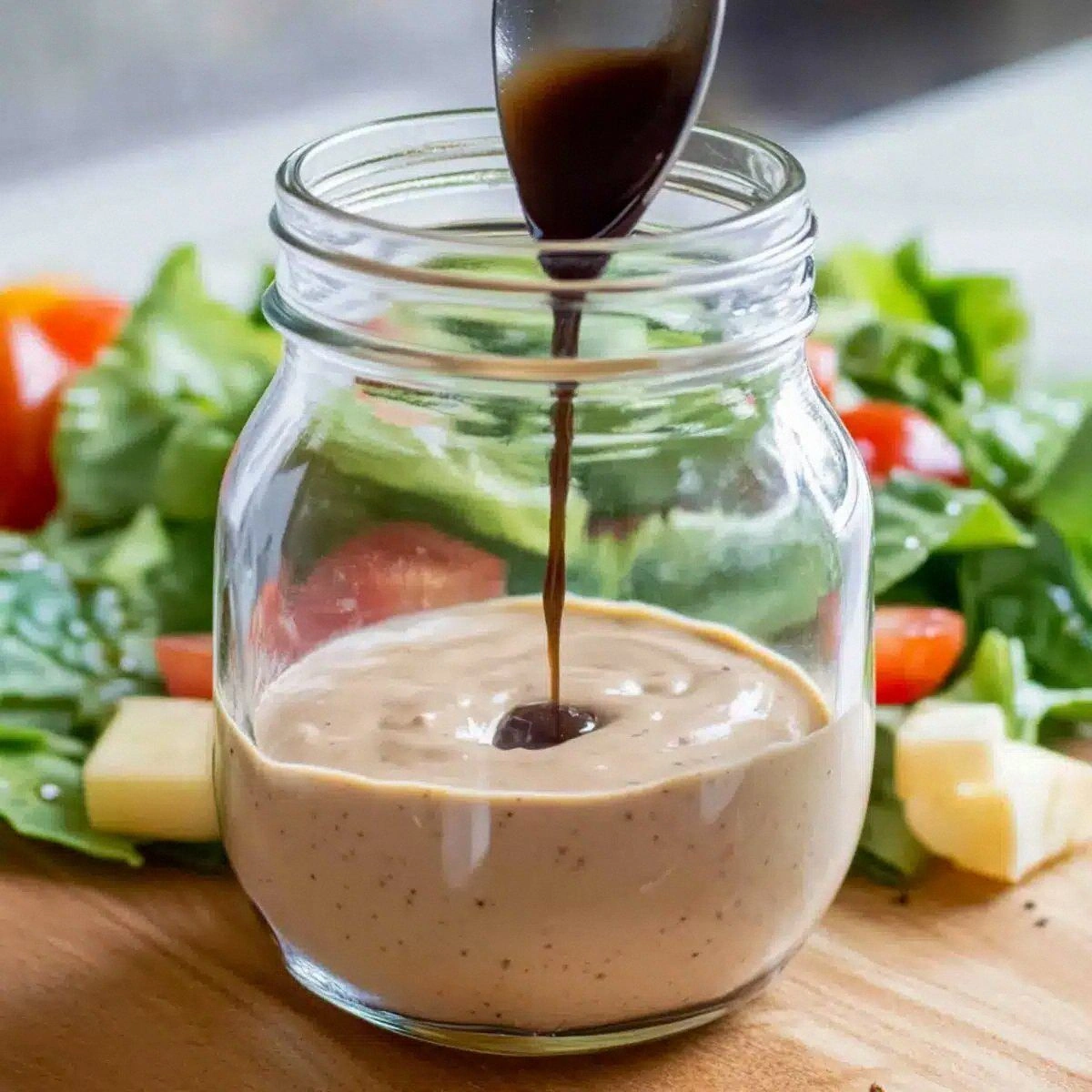
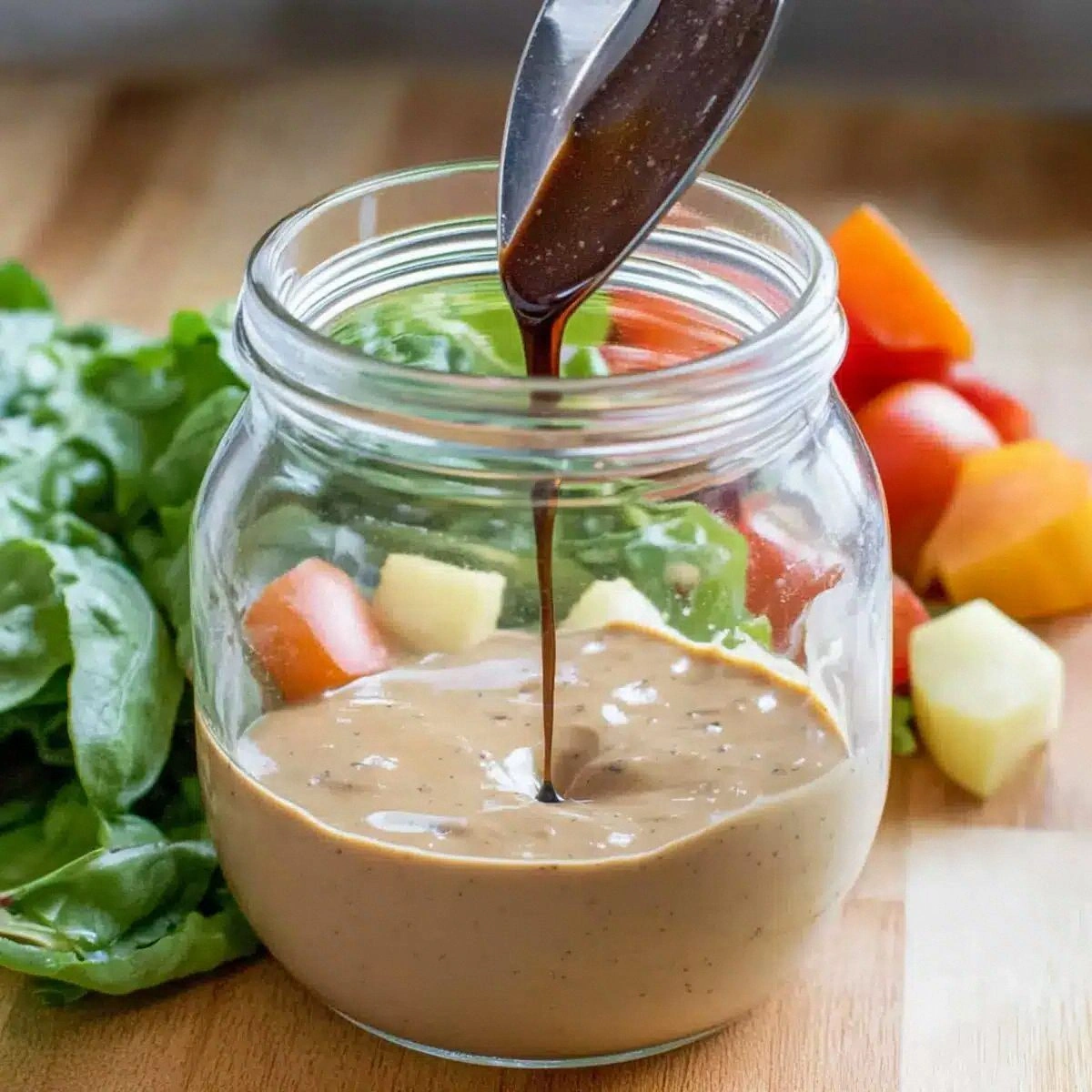
When I finally whisked those ingredients together, the result was nothing short of alchemy. The dressing swirled in the bowl, glossy and thick, coating the spoon with a sheen that promised both richness and brightness. The first bite was a revelation: the tartness of balsamic balanced perfectly with the mellow, slightly sour notes of the yogurt, while the honey added a whisper of sweetness that lingered on the palate like a gentle afterglow. This version stands out because it doesn’t rely on heavy cream or processed emulsifiers; it uses the natural creaminess of Greek yogurt to create a velvety texture that clings to greens like a second skin.
What really sets this recipe apart is a tiny, often‑overlooked step: a brief, gentle whisk over a warm water bath that coaxes the ingredients into a harmonious emulsion without breaking. Most recipes skip this, resulting in a watery, separated mess that looks sad on the plate. I’ll be honest — I ate half the batch before anyone else got a chance to try it, and I dare you to taste this and not go back for seconds. Let me walk you through every single step — by the end, you’ll wonder how you ever made it any other way.
What Makes This Version Stand Out
- Taste: The sweet‑tart dance between balsamic and honey creates a flavor profile that’s simultaneously bright and comforting, making it a crowd‑pleaser at any gathering.
- Texture: Greek yogurt delivers a silk‑smooth body that coats each leaf like velvet, avoiding the cloying heaviness of traditional cream‑based dressings.
- Simplicity: Only eight pantry staples are needed, and the entire process takes under ten minutes—no blender, no fancy equipment.
- Uniqueness: The warm water bath technique is a game‑changer that ensures a stable emulsion without any hidden stabilizers.
- Crowd Reaction: Guests often ask for the recipe before they’ve even taken the first bite, and the “what’s in this?” comments become a conversation starter.
- Ingredient Quality: Using full‑fat Greek yogurt amplifies the mouthfeel, while a good-quality balsamic adds depth that cheap versions lack.
- Make‑Ahead Potential: This dressing keeps its brilliance for up to three days in the fridge, making it perfect for meal prep or last‑minute salads.
- Health Boost: Packed with protein from the yogurt and heart‑healthy olive oil, it offers a nutritious alternative to sugary store‑bought dressings.
Inside the Ingredient List
The Flavor Base
Plain Greek Yogurt: This is the heart of the dressing, providing a creamy, tangy foundation that also packs a protein punch. If you substitute regular yogurt, you’ll lose the thickness and the probiotic benefits that make this dressing a gut‑friendly delight. Choose a brand with a low whey content for the smoothest texture, and always opt for full‑fat unless you’re strictly counting calories.
Balsamic Vinegar: The dark, syrupy vinegar brings acidity and a subtle sweetness that balances the yogurt’s sourness. A cheap, overly sharp balsamic will dominate the palate, while a well‑aged one adds layers of caramel and fig notes. If you can’t find authentic balsamic, a blend of red wine vinegar and a splash of maple syrup works in a pinch.
The Texture Crew
Olive Oil: A good extra‑virgin olive oil adds richness and helps the dressing cling to leafy greens without sliding off. The fruitiness of the oil also complements the balsamic’s depth. For a milder taste, use a light olive oil, but remember you’ll lose some of the peppery finish that makes this dressing memorable.
Dijon Mustard: This little powerhouse acts as an emulsifier, binding the oil and vinegar together while adding a subtle heat. Skipping it will likely result in a split dressing that looks sad and tastes flat. If you’re allergic to mustard, a teaspoon of tahini can provide a similar binding effect, though the flavor will shift toward nuttiness.
The Unexpected Star
Honey: A drizzle of honey softens the sharp edge of the balsamic and introduces a floral sweetness that makes the dressing feel indulgent without being sugary. The honey also helps to stabilize the emulsion, acting like a natural sugar‑based binder. In a vegan version, swap honey for agave nectar or maple syrup, but keep the quantity the same to maintain balance.
The Final Flourish
Salt & Black Pepper: These seasonings are the silent heroes that bring all the flavors into harmony. A pinch of flaky sea salt can elevate the overall taste, while freshly cracked black pepper adds a faint bite that lingers. If you’re watching sodium, reduce the salt to a pinch and let the natural flavors shine.
Fresh Herbs (optional): A handful of chopped basil, thyme, or dill can turn this dressing from classic to extraordinary. Herbs add aromatic complexity and a burst of color that makes the sauce Instagram‑ready. If you’re out of fresh herbs, a teaspoon of dried Italian seasoning will do, but add it sparingly to avoid overpowering the delicate balance.
Everything’s prepped? Good. Let’s get into the real action…
The Method — Step by Step
-
Gather all your ingredients and place a medium‑sized glass bowl on top of a saucepan filled with a couple of inches of water. Bring the water to a gentle simmer; you want tiny bubbles, not a rolling boil, because the goal is to warm the bowl just enough to coax the emulsion without cooking the yogurt.
Okay, ready for the game‑changer? The warm bath will make the olive oil flow more easily into the yogurt, preventing the dreaded separation that many novice dressings suffer from.
Kitchen Hack: If you don’t have a double boiler, simply place the bowl in the microwave for 10 seconds to warm it slightly before whisking. -
Pour the 1 cup of plain Greek yogurt into the warmed bowl. Using a sturdy whisk, stir the yogurt gently for about 20 seconds until it becomes slightly looser and more fluid. You’ll notice it losing its stiff, “yogurt‑in‑a‑cup” rigidity and beginning to look like a silky base ready for transformation.
Feel the change? That’s the first sign that the heat is doing its job, making the proteins relax just enough to accept the oil without curdling.
-
Drizzle the 2 tablespoons of olive oil into the yogurt while whisking continuously. This is the moment of truth—if you pour too fast, the mixture will separate; if you pour too slow, you’ll waste time. Aim for a steady, thin stream, and watch the mixture thicken into a glossy emulsion.
As the oil incorporates, you’ll see tiny ribbons of golden sheen weaving through the white yogurt, a visual cue that the dressing is coming together beautifully.
Watch Out: If the mixture looks grainy, you’ve likely added the oil too quickly. Stop, add a splash of water, and whisk vigorously to bring it back together. -
Now, whisk in the 1/4 cup of balsamic vinegar. The acidity will cause a gentle fizz, a subtle sound that signals the emulsion is reacting correctly. Keep whisking until the dressing is uniformly thick and the color deepens to a rich amber‑gold.
This step adds the bright, tangy backbone that will cut through the richness of the yogurt and oil, creating that signature “sweet‑tart” profile.
-
Add the tablespoon of Dijon mustard, the tablespoon of honey, and the 1/4 teaspoon each of salt and black pepper. Whisk until everything is fully incorporated, tasting as you go. The mustard will bind, the honey will mellow the acidity, and the seasonings will bring all the flavors into harmony.
If you feel the dressing is too thick, a teaspoon of warm water can loosen it without diluting the flavor. Remember, the goal is a pour‑able yet cling‑y consistency.
-
If you’re using fresh herbs, fold them in now with a gentle motion that preserves their bright green color. The herbs should be finely chopped so they distribute evenly, offering bursts of freshness with each bite.
And now the fun part: give the bowl a final, vigorous whisk for five seconds—this is pure magic, the moment the dressing reaches its final silkiness.
-
Transfer the dressing to a clean jar with a tight‑fitting lid. Let it sit at room temperature for five minutes; this brief rest allows the flavors to meld, creating a cohesive taste profile that’s more than the sum of its parts.
Picture yourself pulling this out of the fridge later, the whole kitchen smelling incredible as the aroma of balsamic and herbs mingles with the creamy yogurt.
-
Give the jar a good shake before serving. Drizzle over mixed greens, roasted vegetables, or even use as a dip for crunchy crudités. The dressing should coat each piece like a silky veil, never pooling at the bottom.
That first bite? Expect a burst of tang, a whisper of sweetness, and a lingering, herb‑kissed finish that makes you want to lick the spoon clean. I’ll be honest — I ate half the batch before anyone else got a try, and I dare you to resist going back for seconds.
Insider Tricks for Flawless Results
The Temperature Rule Nobody Follows
Never whisk a cold yogurt straight out of the fridge over a hot pan. The sudden temperature shock can cause the proteins to seize, resulting in a grainy texture. Instead, let the yogurt sit at room temperature for ten minutes before you start, or give it a quick 15‑second zap in the microwave. This tiny adjustment ensures a silky mouthfeel every single time.
Why Your Nose Knows Best
Before you taste, give the dressing a quick sniff. The aroma of balsamic should be present but not overpowering; if it smells too sharp, add a pinch more honey or a splash of olive oil. Your nose is a more sensitive flavor detector than your palate, especially with acidic ingredients.
The 5‑Minute Rest That Changes Everything
After whisking, let the dressing rest uncovered for five minutes. This short pause allows the oil droplets to fully integrate and the flavors to marry. Skipping this step often leads to a thin, watery finish that slides off salads rather than clinging.
Herb Timing: Fresh vs. Dried
Fresh herbs should be added at the very end of whisking to preserve their bright color and aromatic oils. Dried herbs, on the other hand, benefit from a brief minute of whisking so they can rehydrate and release their essence fully. A friend tried adding dried basil early and ended up with a muted, almost bitter note—lesson learned.
Storage Savior: The Splash of Water Trick
When you re‑whisk the dressing after refrigeration, it can become a little thick. Adding a teaspoon of warm water before shaking restores its pour‑ability without diluting the flavor. This tiny splash acts like a steam bath, reviving the emulsion.
Creative Twists and Variations
This recipe is a playground. Here are some of my favorite ways to switch things up:
Spicy Sriracha Swirl
Mix in a tablespoon of Sriracha for a peppery kick that pairs beautifully with grilled chicken salads. The heat balances the sweet balsamic, creating a sweet‑heat harmony that’s perfect for summer barbecues.
Roasted Garlic Infusion
Roast a head of garlic until caramelized, mash the soft cloves, and fold them into the dressing. The garlic adds a deep, nutty sweetness that turns the sauce into a robust dip for pita chips.
Citrus Zest Burst
Add the zest of one lemon or orange for a bright, citrusy pop. The zest lifts the richness, making the dressing ideal for seafood salads or avocado toast.
Maple‑Mustard Fusion
Swap the honey for pure maple syrup and the Dijon for whole‑grain mustard. This variation introduces a woody sweetness and a grainy texture, perfect for autumnal salads featuring roasted squash.
Greek‑Style Herb Medley
Combine chopped oregano, mint, and a squeeze of fresh lemon juice. The Mediterranean twist makes the dressing a perfect companion for cucumber‑tomato salads or as a sauce for grilled lamb.
Vegan Version
Replace Greek yogurt with a thick coconut yogurt and use agave nectar instead of honey. The result is a dairy‑free, still‑creamy dressing that retains the tangy‑sweet balance.
Storing and Bringing It Back to Life
Fridge Storage
Transfer the dressing to an airtight glass jar and store it in the refrigerator for up to three days. The thick glass barrier keeps oxygen out, preserving both flavor and texture. Give it a quick shake before each use; the ingredients may settle, but a brief stir restores the perfect consistency.
Freezer Friendly
If you’ve made a large batch, freeze the dressing in portion‑size ice cube trays. Once frozen, transfer the cubes to a zip‑top bag and store for up to two months. To use, thaw a cube in the fridge overnight and whisk with a splash of water to bring it back to life.
Best Reheating Method
When you need a warm version—perhaps as a drizzle over roasted vegetables—gently warm the dressing in a saucepan over low heat, stirring constantly. Add a tiny splash of water (about a teaspoon per cup) to prevent the yogurt from curdling, and watch it melt back into a silky sauce.