I was half‑asleep, clutching a mug of coffee that tasted like regret, when my roommate dared me to create the “most indulgent breakfast bread ever.” I laughed, tossed a pinch of cinnamon into the air, and whispered, “Challenge accepted.” The kitchen erupted with the sound of a whisk beating butter, the hiss of warm water meeting yeast, and the faint, comforting hum of the oven pre‑heating like a low‑key drumroll. Within minutes the whole apartment smelled like a bakery that had just opened on a crisp autumn morning—sweet, buttery, and impossibly inviting.
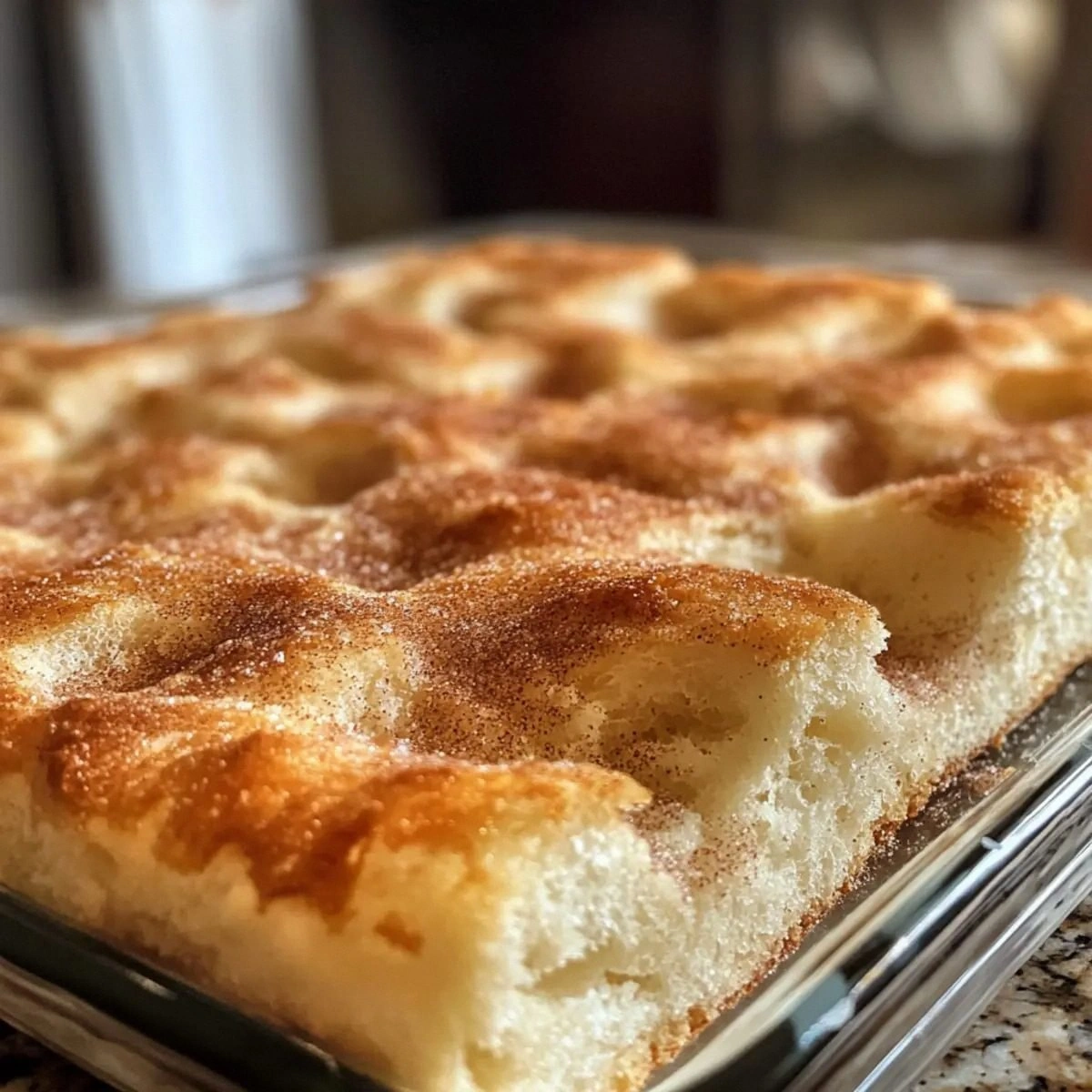
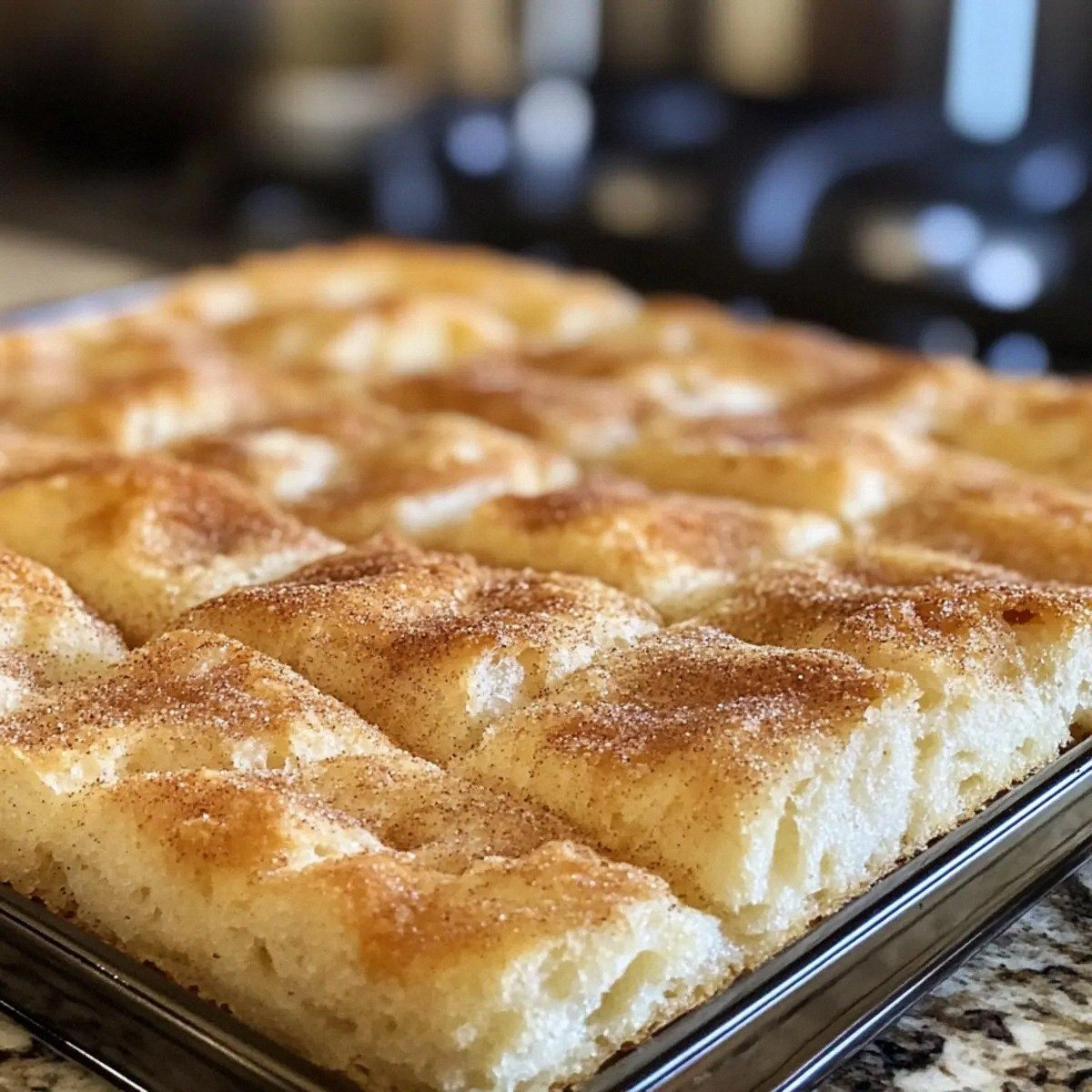
Picture this: a golden‑brown focaccia, its surface speckled with caramelized brown sugar crystals that crackle under your fork, releasing a cloud of cinnamon‑spiced steam that kisses your nostrils. The interior? A cloud‑like crumb that lifts you off your seat, buttery pockets that melt on your tongue, and a subtle vanilla whisper that lingers like a secret after‑taste. When you bite, the crust gives way with a satisfying snap, then gives way to a pillow‑soft interior that’s as fluffy as a freshly‑baked cloud. I dare you to taste this and not go back for seconds; it’s practically a breakfast love‑affair.
Most cinnamon‑spiced breads end up dense, dry, or overly sweet—like a sugar‑coated brick. This version, however, flips the script. By marrying a classic focaccia technique (high‑hydration dough, generous olive oil, and a long, gentle rise) with a sweet butter‑brown‑sugar topping, we achieve a texture that’s both airy and decadently rich. The secret? A buttery “cinnamon swirl” that’s folded into the dough just before the final proof, creating layers of flavor that are as distinct as the pages of a well‑read novel. Most recipes get this completely wrong. Here’s what actually works.
And there’s a little twist you won’t see coming: a light dusting of powdered sugar glaze that you drizzle on just before serving, turning this humble focaccia into a breakfast masterpiece worthy of brunch‑room applause. Okay, ready for the game‑changer? Let me walk you through every single step — by the end, you’ll wonder how you ever made it any other way.
What Makes This Version Stand Out
- Taste: The marriage of light brown sugar and cinnamon creates a caramel‑kissed sweetness that never overwhelms, while a hint of vanilla adds depth.
- Texture: A fluffy, open crumb sits atop a crisp, buttery crust—think airy cloud meets crunchy toast.
- Simplicity: Despite the gourmet vibe, the technique uses pantry staples and a single bowl for the dough.
- Uniqueness: The cinnamon‑butter swirl is folded into the dough, not just sprinkled on top, delivering flavor in every bite.
- Crowd Reaction: This focaccia turns even the most skeptical coffee‑drinker into a fan—people actually line up for seconds.
- Ingredient Quality: Using bread flour and unsalted butter ensures structure and richness without any hidden saltiness.
- Cooking Method: A high‑heat bake creates those signature caramelized edges while keeping the interior soft.
- Make‑Ahead Potential: You can prep the dough night before, refrigerate, and bake fresh in the morning for zero‑stress brunch.
Inside the Ingredient List
The Flavor Base
Warm water (1¾ cups) is the liquid hero that awakens the yeast. It must be warm to the touch—think a summer shower, not a boiling pot—otherwise you risk killing the yeast or leaving it sluggish. If you’re in a hurry, a microwave‑heated cup of water works just as well, but be sure to test the temperature with your wrist.
Active dry yeast (2 tablespoons) is the microscopic engine that gives this focaccia its lift. I’ve tried instant yeast before, but the flavor development from a slow rise with active dry yeast is unbeatable. If you ever forget to proof the yeast, sprinkle a pinch of sugar into the water; the bubbles will tell you if it’s alive.
Granulated sugar (2 tablespoons) feeds the yeast and adds a subtle sweetness to the dough itself, ensuring the final product isn’t just sweet on top but has a balanced flavor throughout. Skipping this will make the crust less caramelized.
The Texture Crew
Bread flour (4 cups) provides the high gluten content needed for that airy, chewy crumb. If you only have all‑purpose flour, add a tablespoon of vital wheat gluten per cup to mimic the structure. The higher protein content creates those beautiful, springy holes you love in focaccia.
Fine kosher salt (2 teaspoons) enhances flavor and tightens the gluten network. Salt is the conductor of the dough orchestra—too little and the yeast runs wild; too much and the dough becomes tough. I always dissolve it in the water before adding the flour to ensure even distribution.
Olive oil (¼ cup) is brushed into the pan and folded into the dough, giving the crust that glossy, buttery finish while keeping the interior moist. For a milder flavor, you can swap half of it with melted unsalted butter, but the olive oil is key for that authentic focaccia sheen.
The Unexpected Star
Unsalted butter (½ cup) is melted and combined with light brown sugar (1 cup) and cinnamon (2 tablespoons) to create a luscious swirl. The butter melts into the dough, creating pockets of caramel that burst when you bite. If you prefer a dairy‑free version, coconut oil works, but the flavor profile shifts dramatically.
Light brown sugar (1 cup) brings a deep molasses note that pairs perfectly with cinnamon. It also contributes to the caramelized crust. For a less intense sweetness, you can reduce it to ¾ cup and add a splash of maple syrup.
Cinnamon (2 tablespoons) is the aromatic hero that turns a simple bread into a breakfast celebration. Freshly ground cinnamon releases more essential oils than pre‑ground, so if you have a grinder, give it a quick spin before adding.
The Final Flourish
Powdered sugar (1 cup) is whisked with a splash of milk (2 tablespoons) and vanilla extract (1 teaspoon) to create a glossy glaze that drizzles over the baked focaccia. This glaze adds a delicate sweetness that doesn’t compete with the brown‑sugar swirl but elevates the overall experience.
Milk (2 tablespoons) helps the glaze achieve a smooth, pourable consistency. If you’re dairy‑free, almond milk or oat milk works just as well, though the flavor will be slightly different.
Vanilla extract (1 teaspoon) ties the entire flavor profile together, adding a subtle aromatic depth that makes the focaccia taste like a bakery’s secret recipe. Always use pure extract, not imitation, for the best result.
Everything's prepped? Good. Let’s get into the real action…
The Method — Step by Step
Start by proofing the yeast: In a large mixing bowl, combine the warm water, active dry yeast, and granulated sugar. Stir gently, then let sit for 5‑7 minutes until the mixture becomes foamy and fragrant. That sizzle when it hits the pan? Absolute perfection. If you don’t see bubbles, your water was too hot or the yeast is dead—start over.
Add the bread flour, fine kosher salt, and olive oil to the yeast mixture. Using a wooden spoon, mix until a shaggy dough forms, then turn it onto a lightly floured surface. Knead for about 8‑10 minutes until the dough is smooth, elastic, and pulls away cleanly from the board. This is the moment of truth—feel the dough become supple, not sticky.
While the dough rests, melt the unsalted butter in a saucepan over low heat. Add the light brown sugar and cinnamon, stirring until the mixture becomes a thick, glossy paste. Remove from heat and let it cool slightly. This butter‑cinnamon swirl is the heart of the focaccia; its aroma alone will make your kitchen feel like a holiday market.
After the 20‑minute rest, gently flatten the dough into a rectangle about ½‑inch thick. Spoon the cinnamon‑butter mixture over the surface, spreading it evenly with a spatula. Fold the dough in thirds, like a letter, then roll it out again into a ¾‑inch thick rectangle. This folding creates layers of caramelized cinnamon that will melt into the crumb.
Transfer the shaped dough onto a generously oiled baking sheet (or a cast‑iron skillet for extra crispness). Drizzle a little extra olive oil over the top, then use your fingertips to dimple the surface—this classic focaccia technique creates those signature pockets that trap butter and sugar.
Cover the sheet with plastic wrap and let the dough rise in a warm spot for 45‑60 minutes, or until it has roughly doubled in size. The kitchen should smell like a bakery, and the dough should feel puffed and airy when you press it lightly.
Preheat your oven to 425°F (220°C). While the oven heats, whisk together powdered sugar, milk, and vanilla extract to create a silky glaze. Set aside.
Bake the focaccia for 20‑25 minutes, or until the edges are a deep golden‑brown and the top is caramelized with a slight crackle. Rotate the pan halfway through for even browning. When you pull it out, the crust should sound like a gentle snap, and the interior should still be soft enough to press a finger into without resistance.
Immediately after removing from the oven, drizzle the vanilla‑milk glaze over the hot focaccia. The heat will melt the glaze, creating a glossy finish that pools into the dimples. Let the focaccia cool on a wire rack for at least 10 minutes before slicing—this allows the caramelized sugars to set and prevents a soggy bottom.
That's it — you did it. But hold on, I've got a few more tricks that'll take this to another level…
Insider Tricks for Flawless Results
The Temperature Rule Nobody Follows
Never underestimate the power of a consistent room temperature during the rise. If your kitchen is chilly, set the dough near a warm appliance (like a turned‑off oven with the light on). A 75°F environment yields the most reliable rise. One friend tried rushing the proof in the fridge; the result was a dense, gummy focaccia that could've doubled as a doorstop.
Why Your Nose Knows Best
Instead of watching the clock, trust the aroma. When the dough has doubled, it will emit a faint, yeasty sweetness that fills the room. If the scent is still muted, give it a few more minutes. Your nose is a better timer than any digital device.
The 5‑Minute Rest That Changes Everything
After shaping the dough and before the final proof, let it rest uncovered for 5 minutes. This short pause relaxes the gluten, allowing the dough to spread evenly in the pan and preventing those dreaded “tight” spots. I once skipped this step and ended up with a focaccia that was dense in the middle and overly crisp on the edges.
Glaze Timing Is Everything
Apply the vanilla‑milk glaze while the focaccia is still hot out of the oven. The heat melts the glaze instantly, allowing it to seep into every crevice. If you wait until it cools, the glaze will sit on top, creating a sugary crust rather than a glossy finish.
The Secret of the “Double Butter” Method
I like to brush a thin layer of melted butter on the focaccia a minute before it finishes baking. This creates an ultra‑shiny, buttery top that rivals any patisserie. Just be careful not to over‑butter, or the crust will lose its crispness.
Creative Twists and Variations
This recipe is a playground. Here are some of my favorite ways to switch things up:
Apple‑Cinnamon Swirl
Dice a crisp apple and fold it into the cinnamon‑butter mixture before spreading. The apple releases gentle juices that caramelize during baking, adding a fruity tang that pairs beautifully with the brown sugar.
Nutty Crunch
Stir in a quarter cup of chopped toasted pecans or walnuts into the brown‑sugar swirl. The nuts add a satisfying crunch and a buttery depth that elevates the focaccia to a brunch‑worthy centerpiece.
Maple‑Brown Sugar Fusion
Replace half of the light brown sugar with pure maple syrup in the butter mixture. The maple adds a subtle earthiness and a hint of caramel that makes the focaccia taste like a fall morning.
Savory Sweet Blend
Add a pinch of sea salt flakes on top just before baking. The contrast of salty crystals against the sweet caramel creates a flavor pop that’s unforgettable.
Vegan Version
Swap the unsalted butter for coconut oil and use a plant‑based milk in the glaze. The result is still fluffy and sweet, though the flavor shifts toward tropical notes.
Storing and Bringing It Back to Life
Fridge Storage
Place the cooled focaccia in an airtight container or a zip‑top bag and store it in the refrigerator for up to 4 days. The butter will keep the crumb moist, while the glaze prevents it from drying out.
Freezer Friendly
Wrap each slice tightly in parchment paper, then seal the whole batch in a freezer‑safe bag. It will keep for up to 2 months. When you’re ready, let it thaw at room temperature for 30 minutes before reheating.
Best Reheating Method
Preheat a skillet over medium heat, add a splash of water (just a teaspoon), and cover with a lid for 2‑3 minutes. The steam revives the fluffy interior while the skillet restores the crisp crust. Alternatively, a quick 5‑minute blast in a 350°F oven works wonders.