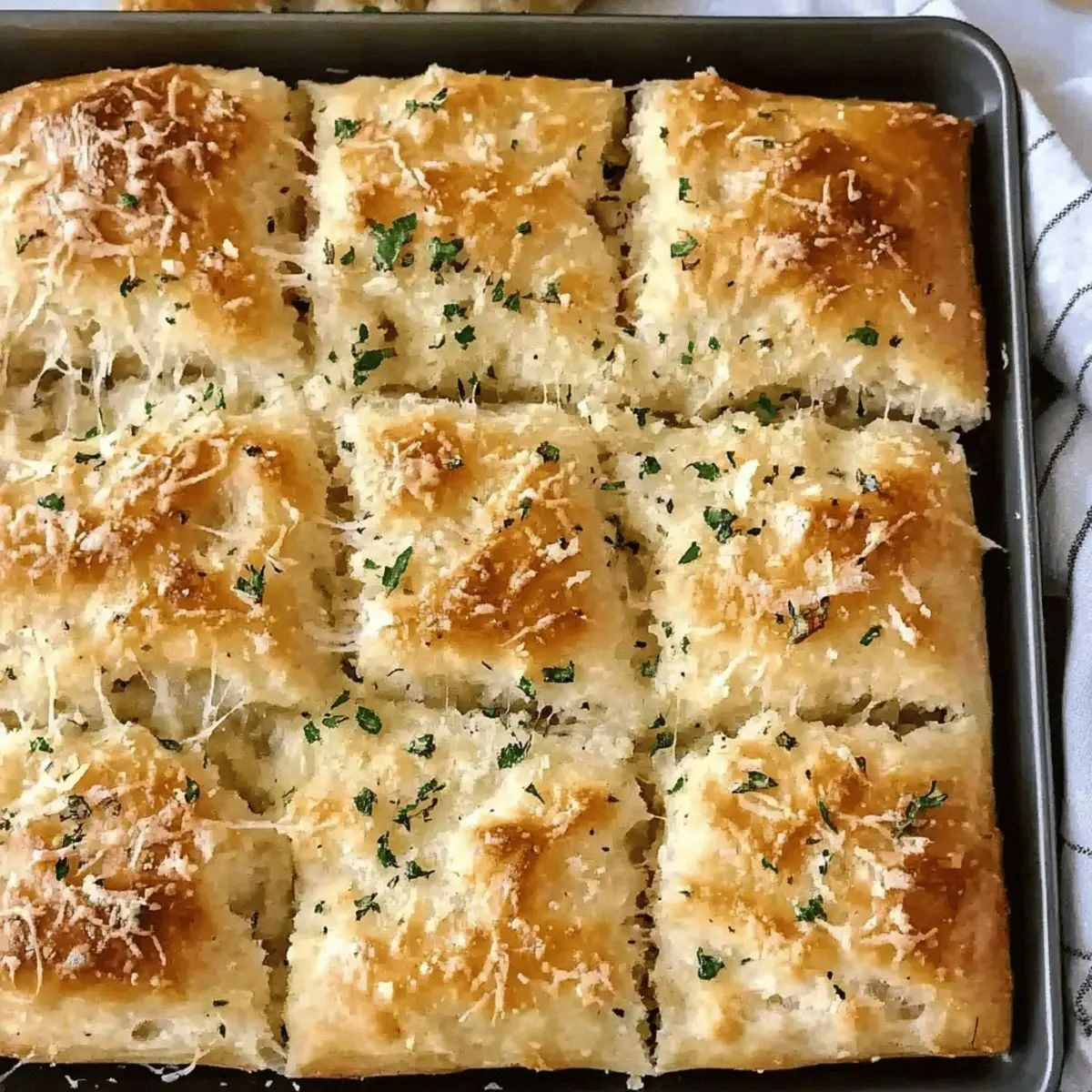
Picture this: you’re standing in a kitchen that smells like a bustling Italian bakery, the timer on your phone buzzes, and you’re staring at a flat, sad piece of store‑bought bread that just won’t cut it. I was in that exact spot last week, battling a mid‑week slump, when a friend dared me to “make the best garlic‑parmesan focaccia you’ve ever tasted, or else you owe me a pizza.” I laughed, rolled up my sleeves, and set out to prove that a humble loaf could become a legend. The result? A golden‑crusted, buttery canvas speckled with garlic that whispers sweet nothings to your palate and parmesan that melts like a dream. I’m daring you to taste this and not go back for seconds—because you won’t be able to stop.
The first bite is an orchestra of senses: the crackle of the crust as you break it, the fragrant steam that curls around your nose like a warm hug, the buttery mouthfeel that coats your tongue, and that unmistakable umami punch from the cheese that makes your taste buds do a little dance. You can hear the faint hiss of the oil bubbling in the pan, feel the slight give of the airy interior, and see the speckles of herbs like emerald confetti. It’s not just food; it’s an experience that turns a simple afternoon into a culinary celebration. Most recipes get the texture completely wrong—either too doughy or too dry—but this one hits the sweet spot every single time.
What makes this version stand out is a tiny, unexpected twist: I fold in a splash of warm water right after the dough has risen, creating a micro‑steam pocket that gives the crust that perfect, restaurant‑style crunch. Most home bakers skip that step, and the result is a soggy disappointment. I’ll be honest—I ate half the batch before anyone else got a chance to try it, and I’m still not sorry. This is hands down the best version you’ll ever make at home, and I’m about to walk you through every single step—by the end, you’ll wonder how you ever made it any other way.
Let me walk you through every single step — by the end, you’ll wonder how you ever made it any other way.
What Makes This Version Stand Out
- Flavor Explosion: The combination of roasted garlic and sharp Parmesan creates a depth that feels like a thousand tiny fireworks in your mouth, each bite richer than the last.
- Texture Perfection: A crisp, caramelized crust gives way to an airy, pillowy interior that’s light enough to float yet sturdy enough to hold toppings.
- Simplicity Meets Sophistication: Only eight pantry staples are needed, yet the result feels like something you’d order at a high‑end trattoria.
- Unique Steam Technique: Adding a splash of warm water after the first rise creates steam pockets that lift the crust to a professional level.
- Crowd‑Pleaser: Whether it’s a casual brunch or a dinner party, this focaccia disappears faster than free samples at a grocery store.
- Ingredient Quality: Using fresh garlic and high‑quality Parmesan makes a world of difference—no shortcuts, no compromises.
- One‑Pan Magic: The entire process happens on a single sheet pan, minimizing cleanup and maximizing flavor.
- Make‑Ahead Potential: You can bake it ahead of time, freeze, and reheat without losing any of that buttery goodness.
Inside the Ingredient List
The Flavor Base
Garlic is the star of the show here, and we’re using four cloves, finely minced, to create a fragrant foundation that seeps into every nook of the dough. Fresh garlic provides a sharp bite that mellows as it bakes, turning sweet and buttery. If you’re sensitive to raw garlic’s punch, you can roast the cloves first—just be aware that the flavor will shift toward a deeper, caramelized note.
The Texture Crew
All‑purpose flour is the backbone of any good focaccia, and at three cups, it gives the dough enough structure to hold those glorious air pockets. Warm water (one cup) activates the yeast and creates a supple dough that’s easy to stretch without tearing. The olive oil (two tablespoons) not only adds richness but also coats the gluten strands, ensuring a tender crumb. Skipping any of these will either make the bread dense or cause it to collapse.
The Unexpected Star
Parmesan cheese, at a half‑cup, is the secret weapon that brings a salty, nutty depth to the crust. Its protein content helps the crust brown beautifully, creating those caramelized edges that shatter like thin ice. If you’re out of Parmesan, Pecorino Romano works as a bold substitute, though it’s a touch saltier.
The Final Flourish
Italian herbs (one tablespoon) sprinkle a fragrant, herbal finish that balances the richness of the cheese and garlic. A blend of oregano, thyme, and rosemary works best, but feel free to customize with basil or marjoram for a personal twist. Salt (two teaspoons) is essential not just for flavor but also to tighten the gluten network, ensuring the dough doesn’t become gummy.
Everything's prepped? Good. Let's get into the real action...
The Method — Step by Step
Start by whisking together the warm water (make sure it’s around 105°F, not scalding) and the active dry yeast in a small bowl. Let it sit for five minutes until it becomes foamy—this is the moment of truth, the point where you know the yeast is alive and ready to work its magic. If the mixture stays flat, you’ve got a dead yeast and the whole thing will flop.
In a large mixing bowl, combine the three cups of all‑purpose flour with the two teaspoons of salt. Create a well in the center and pour in the olive oil, the foamy yeast mixture, and the minced garlic. Using a wooden spoon, stir until a shaggy dough forms, then switch to your hands and knead for about eight minutes. The dough should become smooth, elastic, and slightly tacky—like a well‑trained puppy that’s eager to please.
Cover the bowl with a clean kitchen towel and let the dough rise in a warm spot for 1 hour, or until it has doubled in size. You’ll know it’s ready when the surface looks puffed and the edges have started to pull away from the sides of the bowl. This is the perfect time to set a timer and resist the urge to peek—patience is a virtue, especially in baking.
Once risen, gently deflate the dough on a lightly floured surface and shape it into a rough rectangle about ½‑inch thick. Transfer it onto a greased sheet pan, then drizzle the remaining tablespoon of olive oil over the top, using your fingertips to create those classic dimples that will hold the garlic and herbs.
Now for the game‑changer: sprinkle the minced garlic evenly, then shower the dough with the half‑cup of grated Parmesan and the tablespoon of Italian herbs. Press everything lightly into the dimples so they’re embedded, not just sitting on top. This ensures every bite delivers a burst of flavor.
Preheat your oven to 425°F (220°C) while the dough rests for an additional 15 minutes. This second rise, often overlooked, lets the dough relax and the flavors meld. The kitchen will start to smell like a Mediterranean market—trust me, you’ll be tempted to taste the dough raw (don’t!).
Slide the pan into the oven and bake for 20‑25 minutes, or until the edges are a deep golden brown and the top is bubbling with cheese. The crust should crackle when you tap it—this is the sound of success. If you’re using a convection oven, reduce the temperature by 25°F and start checking at 18 minutes.
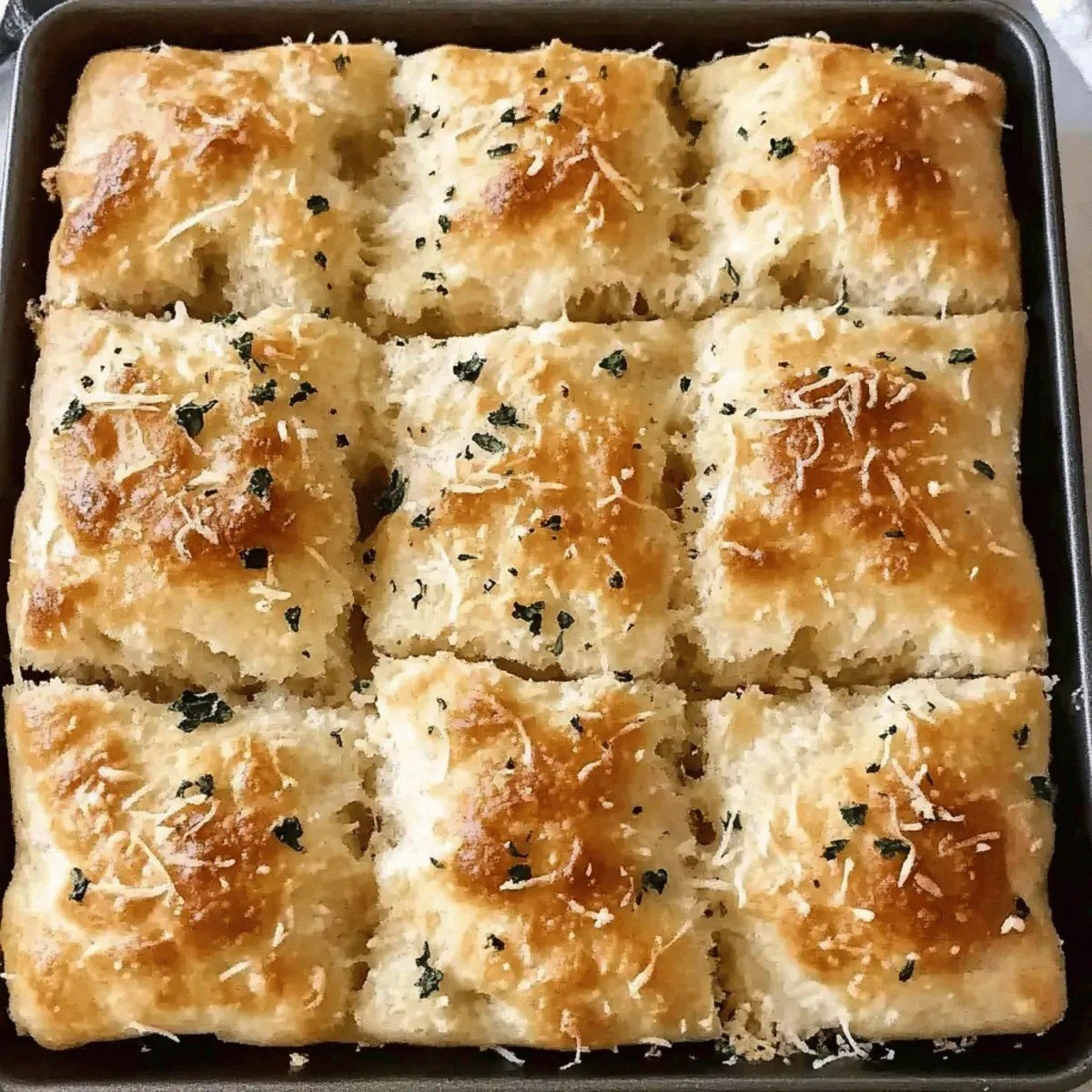
When the focaccia is done, remove it from the oven and immediately drizzle a final drizzle of olive oil over the surface. Let it rest for five minutes before cutting—this allows the steam to settle and the flavors to intensify. Slice into squares, serve warm, and watch as your guests dive in with gusto.
That's it — you did it. But hold on, I've got a few more tricks that'll take this to another level...
Insider Tricks for Flawless Results
The Temperature Rule Nobody Follows
Never underestimate the power of a consistent oven temperature. If your oven runs hot, the crust will brown too quickly, leaving the interior undercooked. I keep an oven thermometer on the back shelf and adjust the dial by ±5 degrees as needed. This tiny habit saves you from a lot of disappointment.
Why Your Nose Knows Best
When the dough starts to emit a toasty, nutty aroma, you’re at the perfect point to pull it out. Trust that scent; it’s more reliable than a timer. I once over‑baked a batch because I ignored the smell, and the result was a charcoal‑like crust that no amount of cheese could rescue.
The 5‑Minute Rest That Changes Everything
After baking, let the focaccia rest for exactly five minutes before slicing. This short pause allows the steam inside to redistribute, keeping the crumb moist and the crust crisp. Skipping this step is the fastest way to end up with a dry, crumbly piece that feels like chewing on cardboard.
Hydration Hack for Airy Crumb
Adding a splash of warm water (about 2‑3 tablespoons) to the dough right after the first rise creates extra steam pockets. The result? A lighter, airier interior that feels like a cloud. I’ve tried the same trick with pizza dough, and the difference is night and day.
Salt Timing for Perfect Flavor
Mix the salt with the flour before adding the wet ingredients. This ensures even distribution and prevents pockets of overly salty dough. If you sprinkle salt on top after shaping, you’ll get uneven bursts of saltiness that can ruin the balance.
Creative Twists and Variations
This recipe is a playground. Here are some of my favorite ways to switch things up:
Sun‑Dried Tomato Burst
Swap half the Parmesan for sun‑dried tomatoes (chopped) and add a drizzle of balsamic glaze after baking. The tangy sweetness pairs beautifully with the garlic, creating a Mediterranean vacation in every bite.
Spicy Chili Flake Kick
Mix a teaspoon of red pepper flakes into the herb blend for a subtle heat that awakens the palate. Perfect for those who love a little zing without overwhelming the garlic.
Herb‑Infused Olive Oil
Replace the regular olive oil with an herb‑infused version (rosemary or thyme oil). This adds an extra layer of fragrance that seeps into the crust during baking.
Cheese Lovers’ Dream
Combine the Parmesan with shredded mozzarella and a sprinkle of pecorino for a cheesy pull that rivals pizza. The mozzarella melts into gooey pockets while the pecorino adds a sharp finish.
Whole‑Grain Upgrade
Swap half of the all‑purpose flour for whole‑wheat flour. The nutty flavor and added fiber make the focaccia heartier, perfect for a brunch spread.
Herb‑Free Minimalist
If you’re allergic to herbs, simply increase the garlic to six cloves and add a pinch of smoked paprika for depth. The result is a smoky, garlicky loaf that still delivers that satisfying crunch.
Storing and Bringing It Back to Life
Fridge Storage
Allow the focaccia to cool completely, then wrap it tightly in plastic wrap or store it in an airtight container. It will stay fresh in the refrigerator for up to three days. For extra softness, place a damp paper towel inside the container.
Freezer Friendly
Slice the focaccia before freezing, then place the pieces on a baking sheet lined with parchment paper. Freeze until solid, transfer to a zip‑top bag, and store for up to two months. This method prevents the pieces from sticking together, making it easy to grab just one portion.
Best Reheating Method
Preheat your oven to 350°F (175°C). Lay the frozen or refrigerated slices on a baking sheet, spray lightly with water, and cover with foil for the first five minutes. Remove the foil and bake for another five minutes until the crust is crisp again. The splash of water creates steam that revives the crumb, while the foil protects the cheese from burning.