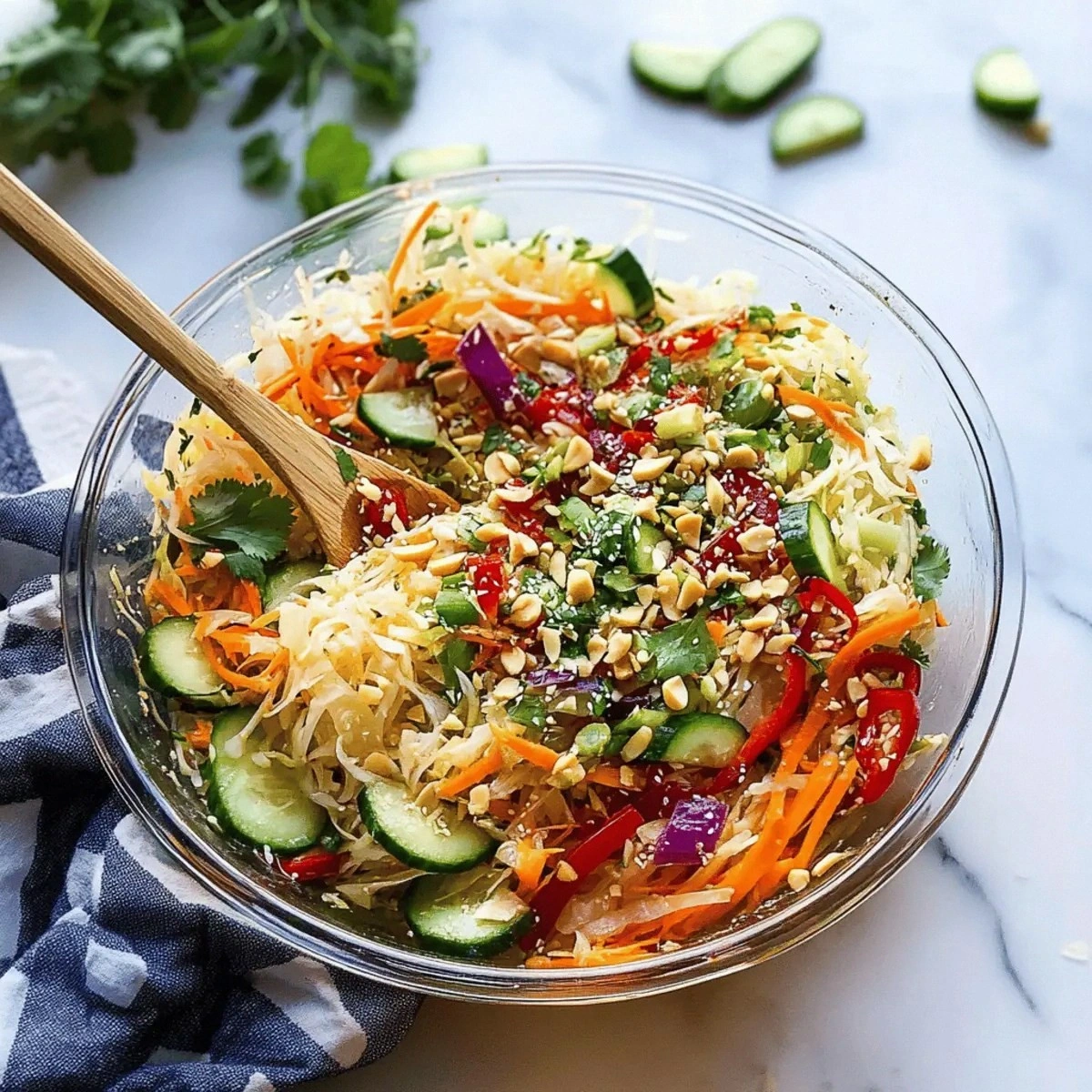
I remember that night like it was yesterday—my kitchen turned into a war zone after a disastrous attempt at a “simple” pasta salad. I had diced a zucchini, a red bell pepper, and a red onion, tossed them into the oven, and then realized I’d forgotten to season the veggies. The charred edges were a sad gray, the flavors flat, and I could barely taste the oregano. I stared at the scorched tray, thinking, “Why does every recipe that promises a ‘roasted veggie’ end up like this?” That moment of culinary despair sparked a fire in me, a determination to create a version that would rescue the humble orzo and turn roasted vegetables into a triumph.
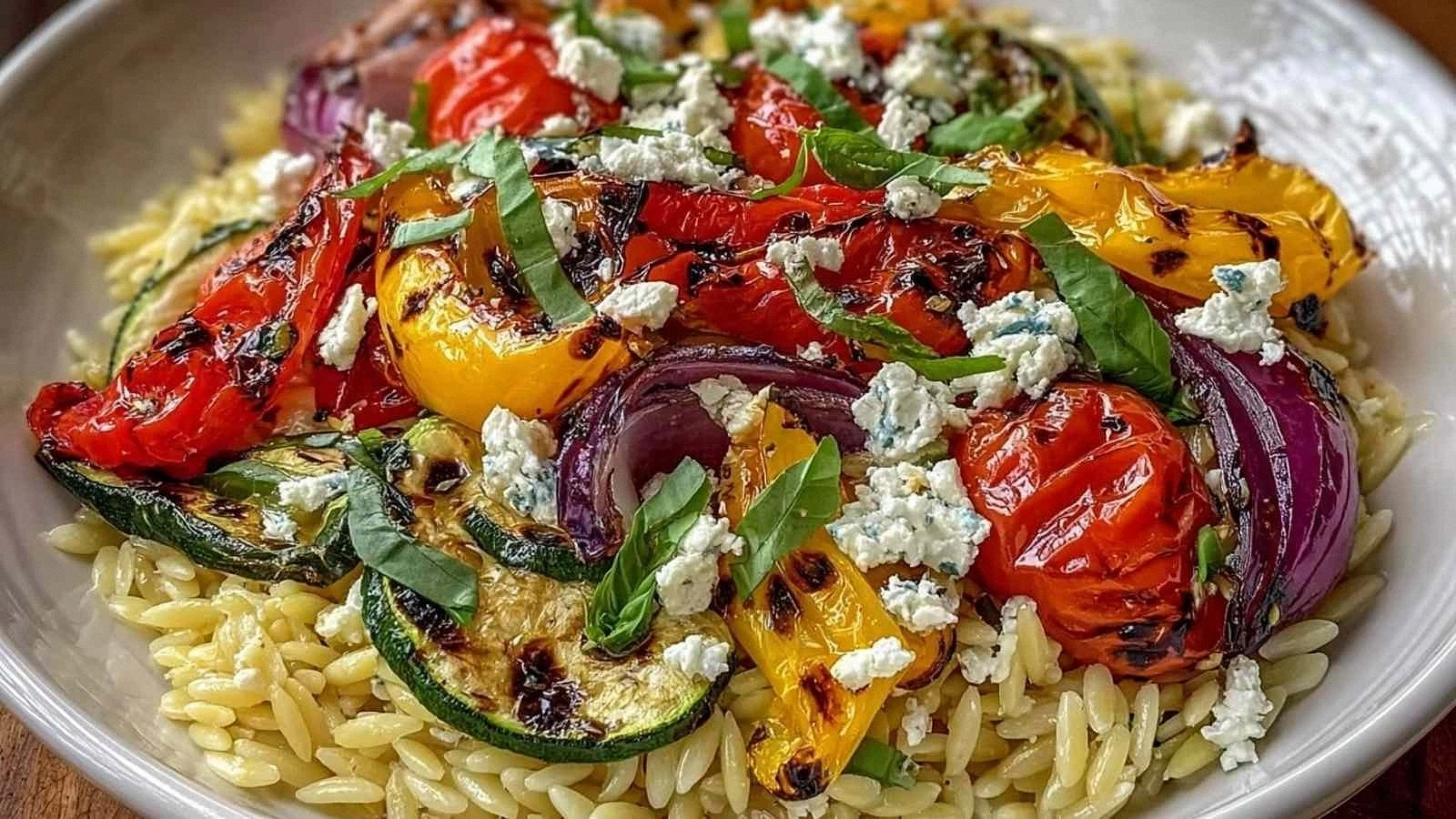
Fast forward to today, and the kitchen smells like summer, even though it’s mid‑winter. The bright orange of the bell pepper glows against the muted gray of the oven rack, the zucchini’s green skin gleams with a glossy sheen from the olive oil, and the onions crackle as they roast, releasing a caramelized perfume that makes my mouth water. I can hear the sizzle, feel the heat radiating from the pan, and taste the promise of a salad that will sing in my mouth. The texture of the orzo—light, pillowy, but with a subtle chew—mirrors the roasted veggies’ tender, caramelized crunch. Each bite is a revelation, a harmony of flavors that feels like a well‑orchestrated symphony.
What sets this version apart is the meticulous layering of flavors and the clever use of ingredients that elevate the dish beyond a simple side. I’ve combined a zesty lemon‑dill dressing that coats the orzo like velvet, a generous sprinkle of crumbled feta that adds a salty, creamy contrast, and a splash of extra‑virgin olive oil that brightens the entire plate. The vegetables are roasted to a golden perfection, with edges that shatter like thin ice, creating a delightful crunch that contrasts with the soft pasta. Most recipes get this completely wrong—over‑roasting the veggies or under‑seasoning the dressing—so I’ve found a sweet spot that balances everything. I dare you to taste this and not go back for seconds, because the flavors are so bold and layered that one bite will leave you craving another.
And I’ll be honest—after I finished this dish, I ate half the batch before anyone else even got a chance to try it. If you’ve ever struggled with making a roasted veggie salad that actually tastes good, you’re not alone, and I’ve got the fix. Picture yourself pulling this out of the oven, the whole kitchen smelling incredible, and seeing a plate that looks almost too good to eat. Okay, ready for the game‑changer? Let me walk you through every single step—by the end, you’ll wonder how you ever made it any other way.
What Makes This Version Stand Out
- Flavor Depth: The combination of roasted vegetables, lemon‑dill dressing, and feta creates a complex flavor profile that’s both bright and comforting. Each ingredient sings in harmony, making every bite a revelation.
- Texture Contrast: The crisp, caramelized edges of the veggies break against the pillowy orzo, while the creamy feta adds a silky finish. The result is a salad that feels like a culinary adventure.
- Simplicity: Despite its sophisticated taste, the recipe requires only a handful of ingredients and minimal prep time. You can have a gourmet dish on the table in under an hour.
- Ingredient Quality: Using high‑quality extra‑virgin olive oil and fresh herbs elevates the dish, turning ordinary pantry staples into a gourmet experience.
- Make‑Ahead Potential: This salad keeps its flavors intact for up to three days, making it perfect for meal prep or a quick lunch.
- Versatility: Swap out the veggies or add proteins like grilled chicken or chickpeas, and the salad becomes a main course or a side.
Alright, let’s break down exactly what goes into this masterpiece. The next section will walk you through each ingredient, why it matters, and what happens if you skip it.
Inside the Ingredient List
The Flavor Base
The orzo is the canvas of this salad. It absorbs the flavors of the dressing and the roasted veggies, creating a comforting, pasta‑like texture. If you skip the orzo, the dish loses its heart and becomes a simple vegetable medley. For a gluten‑free twist, replace it with quinoa or farro, but keep the ratio the same for balanced texture.
The Texture Crew
The zucchini, bell pepper, and red onion bring a satisfying crunch that contrasts with the soft orzo. Roasting them caramelizes their natural sugars, turning them into golden, slightly charred morsels that are a joy to bite into. If you omit the onions, the dish loses a layer of sweetness and depth, while skipping the bell pepper will make it less vibrant.
The Unexpected Star
Feta cheese might seem ordinary, but its briny, crumbly texture adds a salty counterpoint to the citrusy dressing. It also helps bind the salad together, preventing it from falling apart. If you’re lactose‑intolerant, a sprinkle of crumbled goat cheese or a vegan feta substitute will do the trick.
The Final Flourish
Fresh herbs like parsley and dill, combined with a splash of lemon juice, elevate the dish with brightness and herbal depth. The oregano adds a subtle earthiness that grounds the bright flavors. Skipping the herbs would make the salad feel flat, so don’t be tempted to leave them out.
Everything’s prepped? Good. Let’s get into the real action and start roasting.
The Method — Step by Step
- Heat the oven to 425°F (220°C). Toss the sliced zucchini, bell pepper, and red onion in 2 tablespoons of olive oil, salt, and pepper. Spread them in a single layer on a baking sheet. Roast for 20 minutes, stirring halfway through, until the veggies are tender and caramelized. The sizzle when they hit the pan? Absolute perfection.
- While the veggies roast, bring a medium pot of salted water to a boil. Add 1 cup of uncooked orzo and cook for 8–10 minutes, or until al dente. Drain the pasta and rinse under cold water to stop the cooking process. Let the orzo cool to room temperature; this helps it absorb the dressing later.
- In a large bowl, whisk together 0.33 cup extra‑virgin olive oil, 0.25 cup fresh lemon juice, 1 clove garlic (minced), 1 teaspoon dried oregano, and a pinch of salt and black pepper. The dressing should be smooth and slightly thick. Add the roasted veggies and orzo, tossing gently to coat.
- Fold in 0.5 cup crumbled feta, 0.25 cup fresh parsley, and 2 tablespoons fresh dill. The feta adds a salty, creamy texture that balances the lemony dressing, while the herbs bring a bright, aromatic finish. Stir until all ingredients are evenly distributed.
- Taste the salad and adjust seasoning if needed. If you prefer a tangier bite, add a splash more lemon juice; if you want more depth, a pinch more oregano works wonders. The key is to let the flavors meld together.
- Serve immediately or refrigerate for up to 3 days. If you’re storing, keep the salad in an airtight container and drizzle a little extra olive oil before serving to keep the orzo from drying out.
That’s it—you did it. But hold on, I’ve got a few more tricks that’ll take this to another level, so stay with me here—this is worth it.
Insider Tricks for Flawless Results
The Temperature Rule Nobody Follows
Many people roast veggies at 400°F, but the secret to that caramelized crunch is 425°F. The higher temperature ensures a quick, even roast that locks in the natural sugars without over‑softening the veggies. I’ve tried 400°F and the edges were mushy; at 425°F they popped into golden perfection.
Why Your Nose Knows Best
When the veggies are roasting, keep your nose close. The aroma will tell you when they’re ready—if the smell is sweet and caramelized, they’re done. I’ve learned that the scent is a better indicator than the timer, especially if you’re juggling other dishes.
The 5-Minute Rest That Changes Everything
After roasting, let the veggies sit for 5 minutes before mixing them with the dressing. This short rest allows the juices to redistribute, making the veggies more flavorful and less watery. I once skipped this step and the salad felt soggy—don’t repeat my mistake.
The Garlic‑Garlic Hack
Instead of mincing garlic, try crushing it with a garlic press and then letting it sit for 5 minutes before adding to the dressing. This releases more flavor and reduces the sharp bite. The result is a mellow, aromatic base that complements the feta.
The Feta‑First Technique
Add the feta after the dressing has been mixed with the orzo and veggies. This prevents the cheese from dissolving into the dressing and keeps its crumbly texture. A friend once added it too early, and the salad turned into a soggy mess—don’t let that happen.
Creative Twists and Variations
This recipe is a playground. Here are some of my favorite ways to switch things up:
Mediterranean Kick
Swap feta for crumbled goat cheese and add sun‑dried tomatoes. Toss in a handful of Kalamata olives for a briny depth. The Mediterranean flavor profile transforms the salad into a Mediterranean feast.
Protein Power
Add grilled chicken breast or chickpeas for a protein boost. The protein makes the salad a satisfying main dish. Season the protein with smoked paprika for an extra smoky note.
Summer Heat
Introduce diced mango or pineapple for a sweet, tropical twist. The fruit pairs beautifully with the lemon‑dill dressing and adds a refreshing bite. This variation is perfect for a summer barbecue.
Winter Warmth
Replace the orzo with roasted sweet potato cubes for a hearty, comforting version. Add a splash of maple syrup to the dressing for subtle sweetness. This wintery take feels like a warm hug.
Vegan Vibes
Use a vegan feta alternative and replace the extra‑virgin olive oil with a neutral oil. Add toasted pumpkin seeds for crunch. The result is a plant‑based salad that still packs all the flavor.
Herb Explosion
Add a generous handful of fresh basil or mint to the dressing. The fresh herbs give the salad a bright, aromatic punch. This variation is ideal for a light, refreshing lunch.
Storing and Bringing It Back to Life
Fridge Storage
Store the salad in an airtight container in the refrigerator for up to three days. If you notice the dressing has separated, give the container a quick stir before serving. The salad keeps its crunch and flavor, making it a convenient grab‑and‑go option.
Freezer Friendly
While not ideal, you can freeze the salad for up to one month. Separate the dressing and store it in a freezer‑safe container, then combine with the veggies and orzo when ready to serve. This method preserves the texture better than freezing the entire salad.
Best Reheating Method
Reheat the salad in the microwave for 30 seconds, then stir and add a splash of water to keep the orzo from drying out. Alternatively, reheat in a skillet over low heat, stirring constantly. The key is gentle heat to preserve the texture.