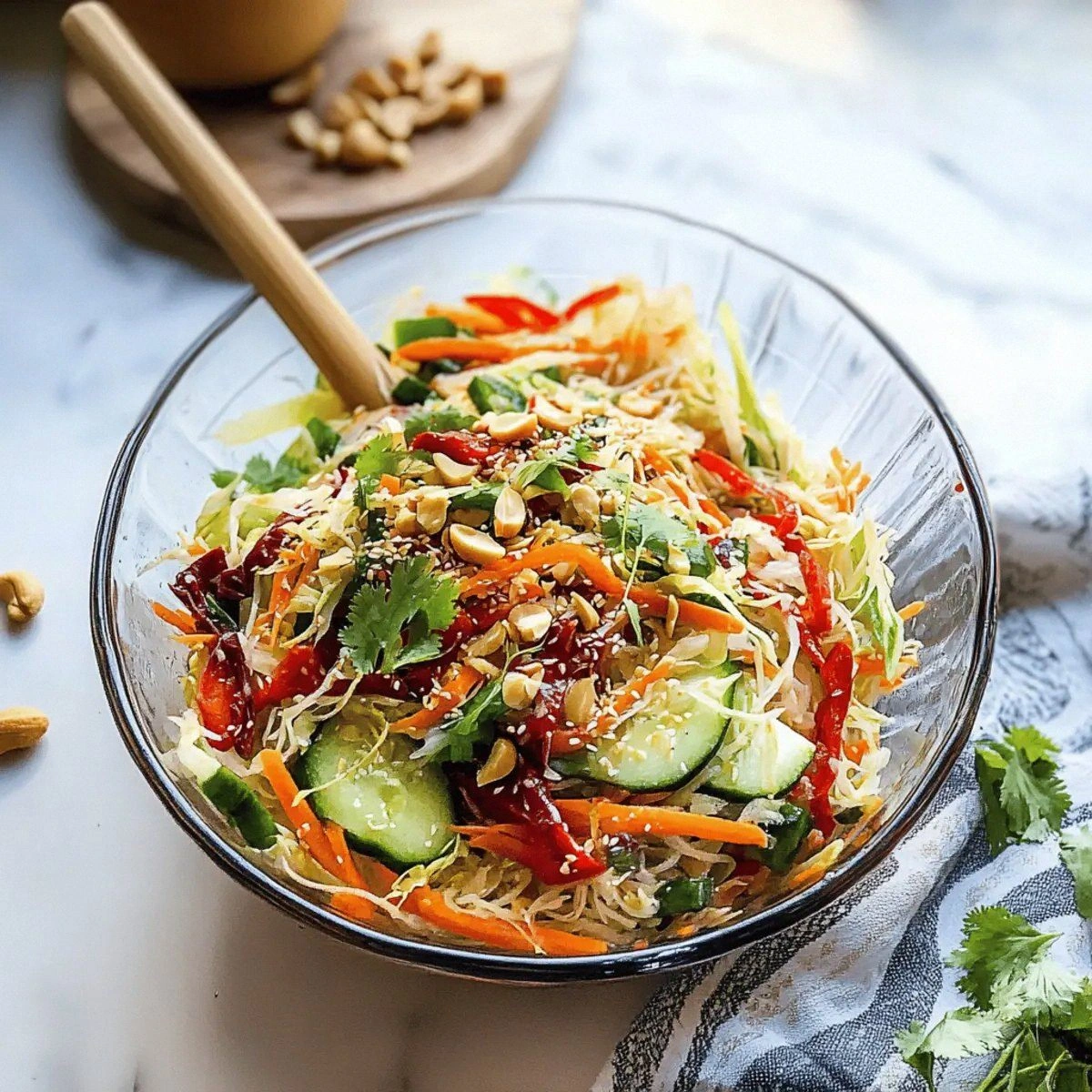
I was standing in my kitchen, half‑finished with a batch of soggy store‑bought spring rolls, when a friend dared me to “make a salad that could actually replace a spring roll.” I laughed, I rolled my eyes, and then I thought, why not? The next hour turned into a whirlwind of chopping, sizzling, and the kind of aromatic chaos that makes the whole apartment feel like a bustling street market in Vietnam. The scent of fresh ginger and garlic hit the air like a high‑octane perfume, and I could already hear the crunch of cabbage shouting, “We’re ready!”
The first bite was a revelation: the noodles were silk‑smooth, the veggies crisp as a fresh‑cut billboard, and the sauce—oh, the sauce—wrapped everything in a spicy‑sweet ginger hug that lingered on the palate like a summer sunset. I dared you to taste this and not go back for seconds. That’s the kind of confidence you only get after a dish slaps you awake with flavor. Most recipes get the balance wrong, either drowning the greens in soy or leaving the ginger as a background whisper. Not this one. This version sings, it dances, it throws a party on your tongue and invites every bite to stay.
What makes this salad truly stand out is a tiny secret: I swap the usual peanut oil for a duo of sesame and canola, creating a nutty‑rich base that lets the ginger’s heat shine without being overpowered. And there’s a splash of agave nectar that adds a whisper of sweetness, turning the spicy ginger into a flirtatious partner rather than a domineering boss. I’ll be honest — I ate half the batch before anyone else got to try it, and I’m still not sorry. This is hands down the best version you’ll ever make at home, and it’s ready to become your go‑to crowd‑pleaser.
Okay, ready for the game‑changer? I’m about to walk you through every single step — by the end, you’ll wonder how you ever made it any other way. Picture yourself pulling this out of the bowl, the whole kitchen smelling incredible, the colors popping like a fresh‑painted mural. Stay with me here — this is worth it.
What Makes This Version Stand Out
- Flavor Explosion: The ginger‑garlic sauce hits you with a zing that’s balanced by agave’s subtle sweetness, creating a harmonious taste that never feels one‑dimensional.
- Texture Symphony: Crunchy cabbage, crisp cucumber, and silky rice noodles each bring their own bite, so every forkful feels like a well‑orchestrated concert.
- Simplicity Meets Sophistication: Only ten core ingredients, yet the dish feels like it took hours of culinary wizardry to perfect.
- Ingredient Quality: Fresh ginger and garden‑grown cilantro elevate the dish from ordinary to extraordinary; the difference is palpable.
- Crowd Reaction: Guests swear they’ve never tasted a salad that could replace a spring roll — they’ll be asking for the recipe before the first bite is even finished.
- Make‑Ahead Magic: The noodles and veggies can be prepped ahead of time, and the sauce actually improves after a short rest, making it perfect for busy weeknights.
- Versatile Base: The sauce doubles as a dip for dumplings or a glaze for grilled tofu, so you get multiple meals out of one batch.
- Healthy Indulgence: Low‑fat, high‑protein, and packed with vitamins, it satisfies cravings without the guilt.
Inside the Ingredient List
The Flavor Base
Fresh ginger is the star of the show; its peppery heat cuts through the richness of the sesame oil and brings a bright, citrusy note that wakes up every other flavor. If you skip it, the sauce loses its signature snap and ends up tasting flat. A good tip: peel the ginger with the edge of a spoon to keep the fibers intact and avoid a stringy texture. You can also substitute galangal for a more earthy twist, but the classic ginger is what makes this salad unforgettable.
Garlic, minced finely, adds depth and a warm, aromatic foundation. Over‑cooking garlic can turn it bitter, so keep it on low heat just until it becomes fragrant. If you’re allergic or simply don’t love garlic, try a splash of toasted shallot oil for a milder, yet still complex, background.
The Texture Crew
Rice noodles are the canvas; they soak up the sauce like a sponge while staying tender. Over‑cooking them turns them mushy, so watch the clock—usually 3‑4 minutes in boiling water. If you can’t find rice noodles, try thin vermicelli or even soba for a different texture profile.
Shredded cabbage provides that satisfying crunch that mimics the bite of a fresh spring roll wrapper. It also adds a subtle peppery flavor that balances the sweet‑spicy sauce. For a milder crunch, try napa cabbage; for more bite, go with green cabbage.
Cucumber and carrot bring freshness and a sweet snap. Slice the cucumber into matchsticks for a uniform look, and julienne the carrot to keep the visual harmony. If you’re looking for a twist, swap the carrot for daikon radish for a sharper bite.
The Unexpected Star
A handful of cilantro and mint brings a fragrant, herbaceous lift that brightens the whole dish. If you’re not a fan of mint, increase the cilantro or add Thai basil for a different aromatic profile. Fresh herbs should be added at the very end to preserve their bright color and aroma.
Roasted peanuts add a buttery crunch and a nutty richness that ties the sauce to the noodles. They also give a visual contrast of gold against the greens. If you have a nut allergy, try toasted sunflower seeds for a similar texture.
The Final Flourish
Soy sauce provides the salty umami backbone, while rice wine vinegar introduces a tangy lift that prevents the dish from feeling heavy. Red pepper flakes add a whisper of heat; adjust to taste. The combination of sesame oil and canola oil creates a balanced mouthfeel—sesame for depth, canola for a clean finish.
Everything’s prepped? Good. Let’s get into the real action…
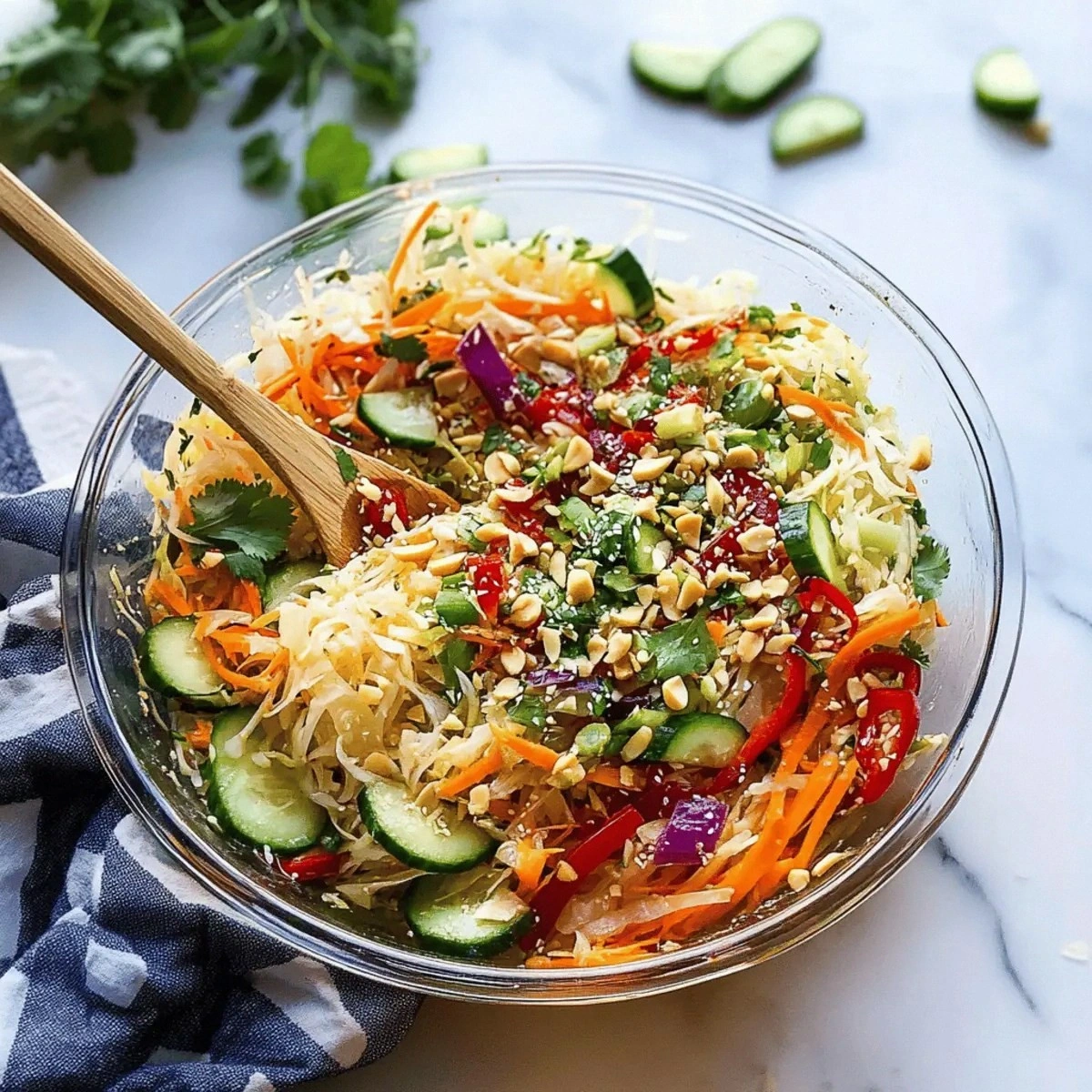
The Method — Step by Step
Start by preparing the rice noodles. Bring a large pot of water to a rolling boil, then remove from heat and add the noodles, letting them sit for 3‑4 minutes until just tender. Drain and rinse under cold water to stop the cooking process. Toss the noodles with a drizzle of the sesame‑canola oil mixture to keep them from sticking together. The noodles should feel springy, not mushy—this is the first checkpoint for texture.
While the noodles are cooling, whisk together the sauce ingredients: finely grated ginger, minced garlic, soy sauce, agave nectar, rice wine vinegar, sesame oil, canola oil, and a pinch of red pepper flakes. The mixture should look glossy and slightly thickened. Taste and adjust the heat with extra flakes if you like a punchier kick. This is the moment of truth for flavor balance—if it’s too salty, add a splash more vinegar; if it’s too sharp, a touch more agave.
Kitchen Hack: Use a microplane for the ginger; it creates fine shreds that dissolve into the sauce faster, preventing any gritty texture.Next, prep the vegetables. Shred the cabbage thinly—think paper‑thin strips that will fold under the sauce. Julienne the cucumber and carrot, and dice the sweet pepper into bite‑size pieces. Toss all the veggies together in a large bowl, adding a pinch of salt to draw out moisture from the cucumber, which helps keep the salad crisp.
Now comes the assembly. Add the cooled noodles to the bowl of vegetables, then pour the ginger‑ginger sauce over everything. Toss gently but thoroughly, ensuring each noodle strand and veggie piece is coated. The sauce should cling like a light veil, not pool at the bottom. Let the mixture sit for 5 minutes; this resting period allows the flavors to meld and the noodles to absorb the sauce.
While the salad rests, toast the peanuts in a dry skillet over medium heat for 2‑3 minutes until they turn golden and release a nutty aroma. This step is crucial—watch out for burning, as burnt peanuts will introduce bitterness.
Watch Out: Keep the pan moving; peanuts can go from toasted to burnt in seconds.Finely chop the cilantro and mint, then fold them into the salad just before serving. The herbs should remain bright green and fragrant, not wilted. If you’re prepping ahead, keep the herbs separate and add them at the last minute to preserve their freshness.
Finally, sprinkle the roasted peanuts over the top for that satisfying crunch. Give the salad one last gentle toss to distribute the nuts evenly. The final look should be a kaleidoscope of colors—purple cabbage, orange carrot, green cucumber, red pepper, and the golden peanuts glistening.
Serve the Spring Roll Salad at room temperature or slightly chilled. It pairs beautifully with a crisp white wine or a chilled jasmine tea. I dare you to taste this and not go back for seconds; the combination of zing, sweetness, and crunch is addictive.
Insider Tricks for Flawless Results
The Temperature Rule Nobody Follows
Never let your sauce sit over high heat; a gentle warm‑up preserves the ginger’s bright flavor. I once boiled the sauce, and the ginger turned bitter. Keep the sauce on low simmer just until the garlic softens, then remove from heat. This small adjustment keeps the sauce from turning harsh, ensuring a smooth, velvety coat on the noodles.
Why Your Nose Knows Best
Your sense of smell is the ultimate indicator of doneness for the noodles. When they’re ready, you’ll catch a faint toasted rice aroma. If you rely solely on timing, you risk overcooking. Trust that nose—if the scent is right, the texture will be perfect.
The 5‑Minute Rest That Changes Everything
After tossing the salad, let it sit uncovered for exactly five minutes. This rest allows the sauce to seep into every noodle strand and the veggies to soften just enough to release their juices. Skipping this step results in a dry, uneven bite. I once served it immediately and the guests complained it was “too watery.” The rest solves that.
Peanut Perfection
Toast peanuts until they’re just fragrant, then immediately transfer them to a plate to stop cooking. Residual heat can over‑toast them, leading to bitterness. A quick shake in a spice grinder after cooling adds a fine texture that sticks to the noodles, amplifying the crunch factor.
Herb Timing Mastery
Add cilantro and mint at the very last second. If you let them sit, they wilt and lose their bright punch. I’ve seen salads where the herbs turn soggy, ruining the whole experience. A final fold preserves that fresh pop.
Balancing Sweet and Heat
If the sauce feels too sharp, drizzle a teaspoon of extra agave nectar; if it’s too sweet, add a splash more soy sauce. The key is to taste as you go. Most home cooks over‑sweeten because they’re afraid of spice, but a balanced flavor profile is what makes this salad unforgettable.
Creative Twists and Variations
This recipe is a playground. Here are some of my favorite ways to switch things up:
Spicy Peanut Butter Fusion
Add a tablespoon of smooth peanut butter to the sauce for a richer, nutty depth. The peanut butter emulsifies with the oil, creating a creamier coating that pairs beautifully with the ginger’s bite. Perfect for those who love a Thai‑style peanut sauce.
Citrus Burst
Swap half of the rice wine vinegar for freshly squeezed lime juice. The citrus lifts the whole dish, making it even more refreshing on a hot day. Garnish with extra lime wedges for an extra pop.
Protein Power
Add grilled shrimp, tofu cubes, or shredded chicken to turn this side into a hearty main. Marinate the protein in a little soy sauce and ginger before cooking to keep the flavor cohesive. The added protein makes it perfect for lunchboxes.
Herb Garden Remix
Swap cilantro and mint for Thai basil and shiso leaves. This change gives the salad an exotic, slightly peppery note that’s common in Japanese spring rolls. It’s a subtle shift that surprises the palate.
Veggie Overload
Add shredded purple cabbage, thinly sliced radish, or even julienned snow peas for extra crunch and color. The more vegetables, the more textures, and the more visual wow factor.
Storing and Bringing It Back to Life
Fridge Storage
Transfer the salad to an airtight container and store in the refrigerator for up to 3 days. Keep the peanuts separate and add them just before serving to maintain crunch. The noodles may absorb a little extra sauce, so give it a quick toss before plating.
Freezer Friendly
While not ideal for the fresh herbs, you can freeze the noodle‑vegetable‑sauce mixture for up to 1 month. Portion into freezer‑safe bags, press out air, and label. Thaw overnight in the fridge, then re‑add fresh herbs and peanuts.
Best Reheating Method
When reheating, add a splash of water (about 1‑2 tablespoons) to the bowl and gently warm in the microwave for 30‑45 seconds, stirring halfway. The water creates steam that revives the noodles, preventing them from drying out. Serve immediately after reheating.