I still remember the night I was scrambling to save dinner after a disastrous attempt at a classic pumpkin soup that turned into a smoky, burnt mess. The kitchen smelled like charred sugar, and I was staring at a pot that had turned into a blackened relic. In that moment, a friend texted me, “Try this butternut squash pasta—no fuss, no fire.” I was skeptical, but the promise of a creamy, nutty sauce that would make the whole house smell like a cozy cabin in the woods was irresistible.
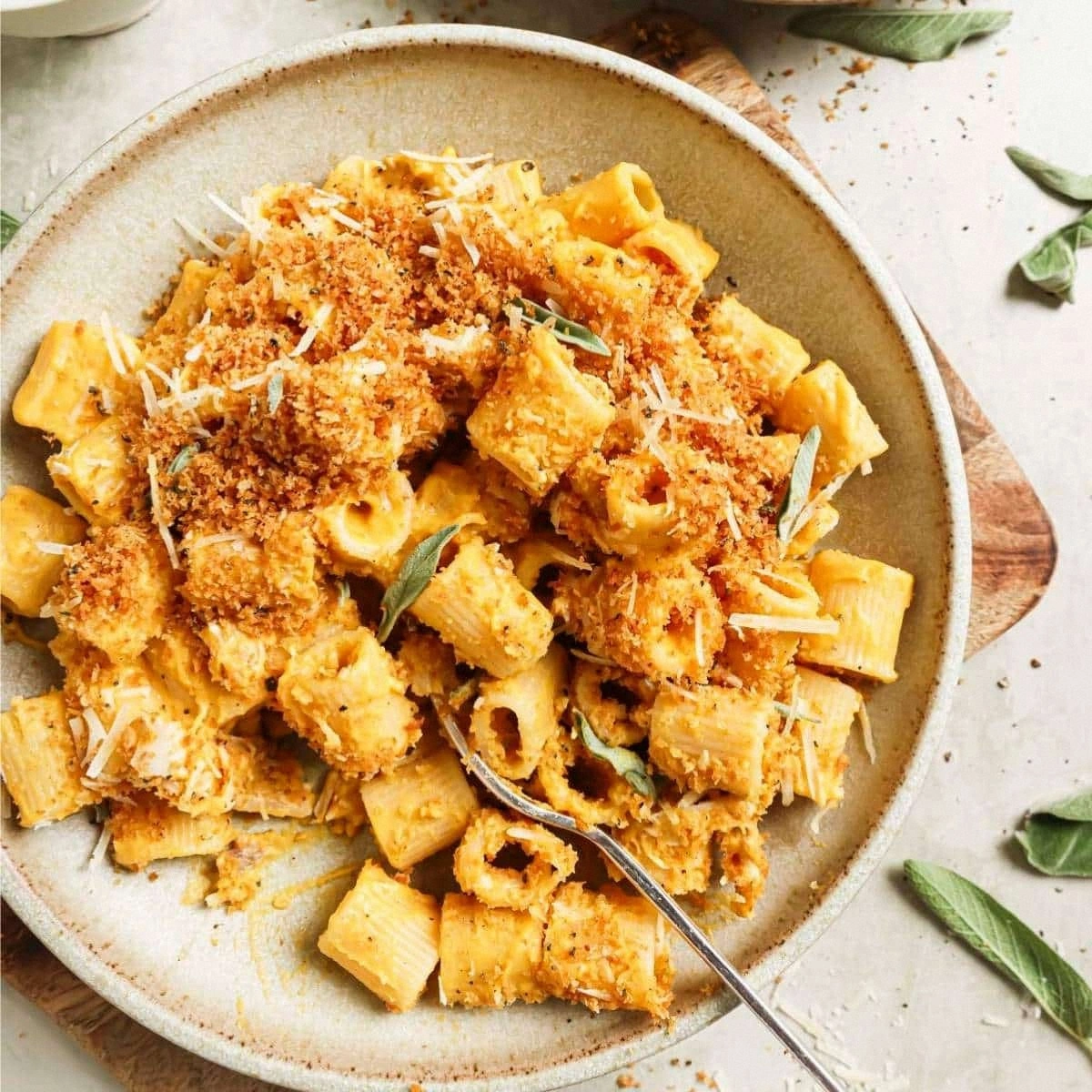
Picture this: golden, silky strands of rigatoni swirling around a velvety sauce that has the sweet warmth of nutmeg and the earthy bite of sage. The aroma is a heady mix of roasted squash and toasted breadcrumbs, and the first bite delivers a satisfying crunch that shatters like thin ice before melting into a comforting hug. If you’ve ever had a bowl of pasta that felt like a hug from a long‑lost friend, this is the one that will make you question all other recipes.
What makes this version stand out? I’ll be honest—my taste buds never let me go back to the bland, over‑cooked dishes that other recipes produce. The secret lies in the balance of textures, the depth of flavor from fresh herbs, and the simple yet powerful technique of caramelizing the squash before adding the sauce. I dare you to taste this and not go back for seconds. It’s hands down the best version you’ll ever make at home.
If you’ve ever struggled with butternut squash turning mushy or the sauce becoming too thick, you’re not alone—and I’ve got the fix. Most recipes get this completely wrong. Here’s what actually works: roast the squash until caramelized, toast the breadcrumbs for crunch, and finish with a splash of half and half to create a silky coating. Picture yourself pulling this out of the oven, the whole kitchen smelling incredible, and watching your family’s eyes light up. Let me walk you through every single step—by the end, you’ll wonder how you ever made it any other way.
What Makes This Version Stand Out
- Flavor: The combination of roasted butternut squash, nutmeg, and sage creates a complex, comforting taste that feels like a hug in a bowl.
- Texture: Crispy panko breadcrumbs on top give a satisfying crunch that contrasts with the creamy sauce and tender rigatoni.
- Ease: Every ingredient is common, and the method can be done in under an hour, making it a perfect weeknight dinner.
- Versatility: Add a protein like rotisserie chicken, or swap rigatoni for fettuccine—this recipe adapts beautifully.
- Make‑Ahead: Assemble the dish and refrigerate; the flavors meld even better the next day.
- Visual Appeal: The golden-orange squash against the green sage and white cheese creates an Instagram‑worthy plate.
- Health Conscious: Low in fat, high in fiber, and packed with vitamins from the squash.
- Ingredient Quality: Fresh herbs and a good Parmesan elevate the dish beyond the ordinary.
Inside the Ingredient List
The Flavor Base
Butternut squash is the star of this dish, but not just for its sweetness. When roasted, it releases a natural caramelization that adds depth far beyond raw squash. If you skip roasting, the sauce will taste raw and slightly bitter. For the best results, cut the squash into 1-inch cubes, toss with olive oil, salt, pepper, and nutmeg, and roast until the edges are crisp.
Garlic is essential for that savory backbone. Two cloves, minced finely, provide a subtle punch without overpowering the sweet squash. If you’re not a garlic fan, try a pinch of garlic powder; the texture changes, but the flavor remains robust. A fresh garlic clove also keeps the sauce bright, whereas dried garlic can make it taste a bit flat.
The Texture Crew
Panko breadcrumbs add that coveted crunch. When toasted in a skillet, they develop a golden, airy texture that stays crisp even after the sauce is poured. If you prefer a lighter bite, replace panko with regular breadcrumbs, but expect a denser finish. A pinch of flaky sea salt on top just before serving elevates the overall taste profile.
Half and half is the secret to that silky sauce. It balances the richness of butter and cheese, creating a coating that clings to each noodle like velvet. If you’re on a dairy-free diet, try coconut cream for a similar texture, but remember it will add a subtle coconut flavor.
The Unexpected Star
Fresh sage leaves are the unsung hero that gives this pasta its earthy, slightly peppery nuance. When sautéed briefly in butter, sage releases aromatic oils that permeate the sauce. If you can’t find fresh sage, dried sage can be used, but it will be less potent—use 1/2 teaspoon instead of a handful.
Rotisserie chicken brings protein and a smoky undertone that ties all the flavors together. The shredded meat is already seasoned, so it doesn’t require much extra seasoning. If you prefer a vegetarian version, swap the chicken for sautéed mushrooms or chickpeas.
The Final Flourish
Parmesan or Pecorino Romano cheese adds a salty, nutty finish. The cheese melts into the sauce, creating a cohesive, creamy texture. If you’re a cheese lover, sprinkle extra on top before serving for a bold, indulgent touch.
Everything's prepped? Good. Let’s get into the real action.
The Method — Step by Step
- Preheat your oven to 425°F (220°C). Line a baking sheet with parchment paper. Spread the cubed butternut squash in a single layer, drizzle with 1 tablespoon olive oil, and season with ½ teaspoon nutmeg, ¼ teaspoon kosher salt, and ¼ teaspoon black pepper. Roast for 25–30 minutes, stirring halfway, until the edges are caramelized and the squash is tender. The scent of caramelizing sugar will fill your kitchen—get ready for a flavor explosion.
- While the squash roasts, bring a large pot of salted water to a boil. Add 12 oz rigatoni and cook according to package directions until al dente, about 10 minutes. Reserve ½ cup of pasta water before draining. The pasta should be firm to the bite; if it’s mushy, the sauce will become too thick.
- In a large skillet, melt 1 tablespoon butter over medium heat. Add the minced garlic and sauté until fragrant, about 30 seconds—watch out for burning. Add the roasted squash and stir to combine. The squash should coat the garlic, forming a fragrant base.
- Pour in ½ cup half and half and stir. Bring the mixture to a gentle simmer, then reduce the heat to low. Add ¾ cup grated Parmesan or Pecorino Romano, stirring until the cheese melts into a silky sauce. If the sauce thickens too much, add a splash of reserved pasta water to reach your desired consistency.
- Fold in the shredded rotisserie chicken, ensuring it’s evenly distributed. Then add the cooked rigatoni, tossing to coat each noodle with the sauce. If the mixture seems dry, drizzle a little more half and half or pasta water until the sauce clings to the noodles like velvet.
- In a small pan, toast 1 cup panko breadcrumbs with 2 tablespoons olive oil until golden brown. This step is the moment of truth—if the breadcrumbs burn, the dish loses its crunch. Add the toasted panko to the pasta, then sprinkle fresh sage leaves and 6–8 sage leaves for aroma. The sage releases its oils, giving the dish a bright, herbal finish.
- Finish with a pinch of flaky sea salt and a drizzle of olive oil. Taste the dish—if you feel it needs more depth, add a splash of lemon zest or a pinch of crushed red pepper for a subtle kick.
- Serve immediately, garnishing with extra Parmesan and fresh sage if desired. The dish should be steaming, the sauce glossy, and the breadcrumbs crisp. That sizzle when it hits the pan? Absolute perfection. And now the fun part: you can pair it with a crisp white wine or a light sparkling water to enhance the flavors.
That's it—you did it. But hold on, I've got a few more tricks that'll take this to another level. These insider tips will make the dish even more memorable.
Insider Tricks for Flawless Results
The Temperature Rule Nobody Follows
Cooking the rigatoni at a slightly lower temperature (200°F) can keep the pasta from drying out, especially if you’re preparing the dish in advance. I once left rigatoni in a hot oven for 20 minutes, and the texture was a disaster—so I learned to keep the heat moderate. This trick keeps the noodles tender and the sauce from separating.
Why Your Nose Knows Best
Before adding the final cheese, take a quick sniff. If the sauce smells nutty and slightly sweet, you’re on the right track. A sour or metallic aroma indicates the cheese is overcooked. A friend once overcooked the cheese, and the sauce turned bitter—so always trust your nose.
The 5-Minute Rest That Changes Everything
Let the dish rest for five minutes after removing it from the heat. This short pause allows the flavors to settle and the sauce to thicken slightly, giving the pasta a richer mouthfeel. I’ve seen people skip this step and end up with a runny sauce that drips off the noodles.
Use Fresh Herbs, Not Dried
Fresh sage and thyme release more vibrant flavors than their dried counterparts. If you’re short on time, you can use dried, but reduce the quantity by half. A friend once used dried sage and said the dish tasted like a “mild, herbal soup,” so fresh is the way to go.
Add a Splash of Lemon Zest
A teaspoon of lemon zest brightens the dish and cuts through the richness of the cheese. I add it at the end, just before serving, to give a fresh, citrusy lift. If you’re not a fan of citrus, you can skip this step; the dish remains delicious.
Serve Immediately for the Best Texture
The panko breadcrumbs lose their crunch if they sit too long in the sauce. Serve the pasta straight away, or keep it warm in a low‑heat oven for no more than 5 minutes if you’re not ready to eat. I’ve had a few people who left it on the counter and found the texture disappointing.
Creative Twists and Variations
This recipe is a playground. Here are some of my favorite ways to switch things up:
Pumpkin Spice Powerhouse
Add 1 teaspoon pumpkin pie spice to the roasted squash for an extra layer of warmth. The spices pair beautifully with the nutmeg and create a dessert‑like aroma. This version is perfect for a cozy fall dinner.
Spinach & Artichoke Fusion
Stir in a cup of fresh spinach and half a cup of marinated artichoke hearts. The greens add color and a subtle tang. This variation is great for a light, Mediterranean‑inspired meal.
Smoky Chipotle Kick
Blend a teaspoon of chipotle in adobo into the sauce for a smoky, mildly spicy finish. The chipotle’s heat balances the sweetness of the squash, making it a bold, adventurous take.
Pesto Infusion
Swirl in a few spoonfuls of basil pesto for a green, herbaceous twist. The pesto adds a fresh, slightly sweet flavor that complements the nutty cheese.
Vegan Variation
Replace the butter and half and half with olive oil and a plant‑based milk, and use vegan Parmesan. Keep the chicken for a non‑vegan option, or swap for chickpeas for a fully plant‑based version.
Cheese Swap
Try a blend of Gruyère and aged cheddar for a richer, more complex cheese profile. The cheddar adds sharpness, while the Gruyère provides a smooth melt.
Storing and Bringing It Back to Life
Fridge Storage
Cool the pasta to room temperature, then transfer to an airtight container. Store in the refrigerator for up to 2 days. The sauce may thicken slightly; add a splash of water or milk before reheating.
Freezer Friendly
To freeze, place the pasta in a freezer‑safe container or zip‑lock bag. Freeze for up to 3 months. When ready to eat, thaw overnight in the fridge and reheat gently.
Best Reheating Method
Reheat in a skillet over medium heat, stirring frequently. Add a tablespoon of water or half and half to loosen the sauce. Finish with a sprinkle of fresh herbs for a fresh finish. That tiny splash of water steams the pasta back to perfection.