I was standing in my kitchen on a rainy Tuesday, the kind where the clouds look like they’re about to burst and the only thing keeping me sane is the promise of something sweet on the horizon. I had just rescued a half‑baked lemon tart that had collapsed like a soggy house of cards, and I swore to myself that I would never suffer that disappointment again. I dared my roommate to a lemon‑pie showdown, and she laughed, thinking I was just being dramatic. Little did she know I was about to unleash a version of lemon pie that would make even the most seasoned pastry chefs raise an eyebrow of awe.
Picture this: the kitchen fills with the bright, citrusy perfume of fresh lemon zest, the buttery aroma of puff pastry turning golden, and a faint whisper of caramelized sugar that makes the air feel like it’s been brushed with sunshine. The sound of the oven’s fan hums like a low‑key drumbeat, while the timer clicks down the seconds like a metronome counting the moments until perfection. My hands feel warm from the butter melting in the bowl, and the cool touch of the chilled condensed milk slides between my fingertips, a promise of creamy decadence. It’s a symphony of senses, each note playing its part in the grand finale.
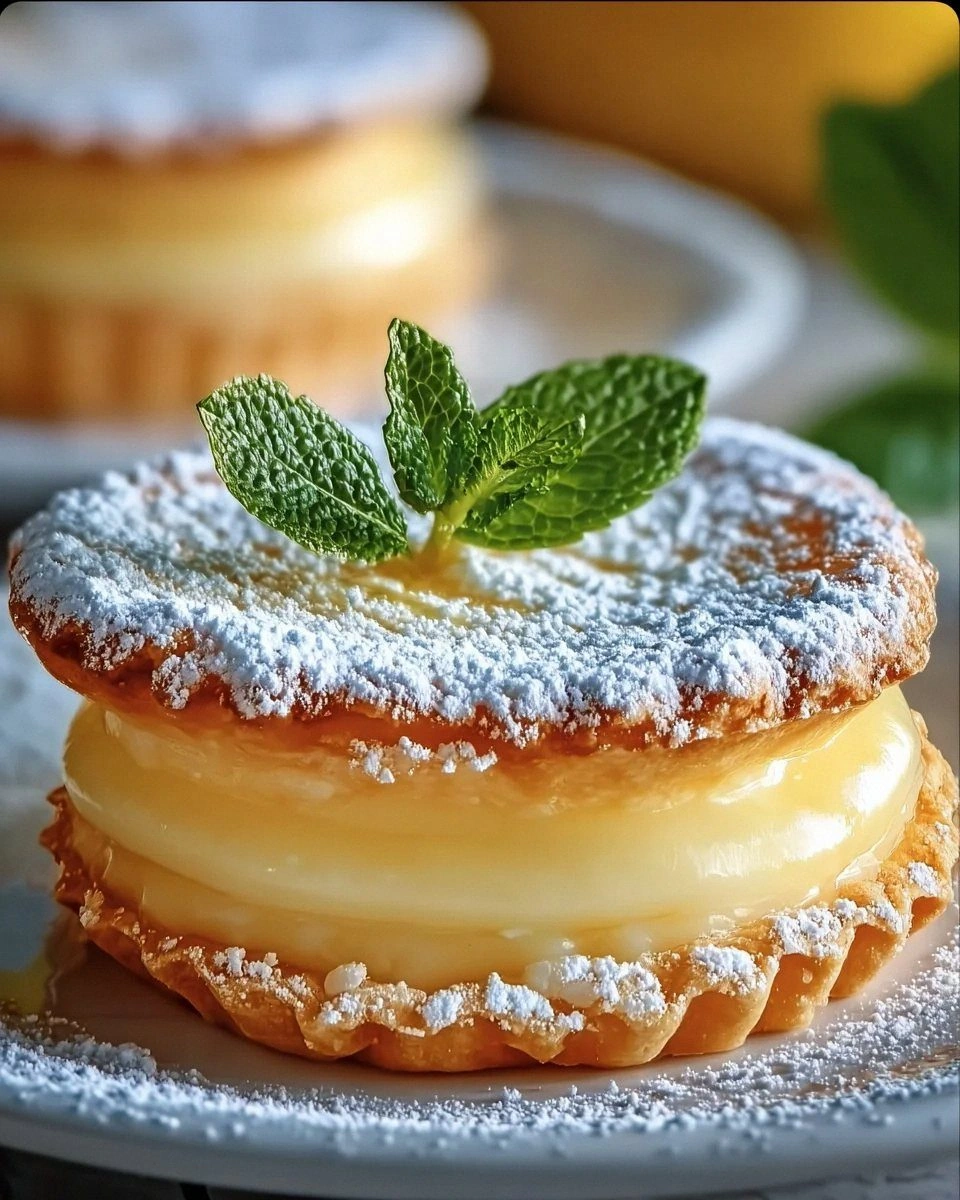
Why does this version stand out? Because it throws the old rulebook out the window and replaces it with a sleek, buttery puff pastry shell that shatters like thin ice when you bite into it, while the filling stays as smooth as silk draped over a marble countertop. Most lemon pies rely on a heavy, grainy crust and a custard that can wobble like a jelly‑filled donut. Not here. We’re talking about a light, airy bite that feels almost impossible—hence the name—that balances tart lemon zing with a whisper of sweet, milky richness. It’s the kind of dessert that makes you question every lemon dessert you’ve ever tried.
And here’s the kicker: the secret weapon is a dash of sweetened condensed milk paired with whole milk (or heavy cream for the ultra‑decadent version). This combination creates a custard that’s stable enough to hold its shape yet melts in your mouth like a dream. I’m also sneaking in a tiny amount of flour to keep the filling from weeping, a trick most recipes overlook. I dare you to taste this and not go back for seconds. Okay, ready for the game‑changer? Let me walk you through every single step — by the end, you’ll wonder how you ever made it any other way.
What Makes This Version Stand Out
- Taste: The lemon flavor is bright and forward, but the condensed milk adds a caramel‑kissed sweetness that never overwhelms.
- Texture: A flaky, buttery puff pastry shell meets a custard that’s as smooth as a polished marble countertop.
- Simplicity: Fewer steps than a classic French lemon tart, yet the result feels more sophisticated.
- Uniqueness: Using puff pastry instead of a traditional shortcrust gives a lightness that most lemon pies lack.
- Crowd Reaction: Guests often claim they’ve never tasted anything like this—“Is this really lemon?” they ask.
- Ingredient Quality: Fresh lemon juice and zest provide a clean, aromatic punch that bottled juice can’t match.
- Cooking Method: Baking at a high temperature for a short burst locks in steam, creating that “puff” effect.
- Make‑Ahead Potential: The pies keep beautifully in the fridge for up to three days, making them perfect for entertaining.
Inside the Ingredient List
The Flavor Base
Fresh lemon juice is the heart‑beat of this pie. One third of a cup provides enough acidity to cut through the richness of the condensed milk while still allowing the lemon’s natural sweetness to shine. If you skimp on the juice, the filling will taste flat; if you overdo it, you’ll end up with a sour bomb that overwhelms the palate. Pro tip: Roll a lemon on the counter before juicing to release more juice and essential oils.
Lemon zest is the secret sidekick that adds a fragrant, almost floral note without the bitterness that comes from the white pith. Two teaspoons of zest are enough to give the custard a perfume‑like lift. Skipping the zest is a rookie mistake—your pie will miss that bright, aromatic sparkle.
The Texture Crew
Sweetened condensed milk is the creamy glue that binds everything together. Its thick, caramel‑sweet profile balances the tartness and gives the custard a silky mouthfeel that ordinary milk can’t achieve. A full 14‑ounce can is the sweet spot; using less will make the filling too thin, while more will turn it into a sugary glaze.
Whole milk or heavy cream adds richness and a velvety body. I prefer heavy cream for that ultra‑decadent melt‑in‑your‑mouth sensation, but whole milk keeps the calorie count a touch lower while still delivering a luxurious texture. The liquid component should be about half a cup; any more and the custard may become runny.
All‑purpose flour may seem out of place in a lemon pie, but a modest two tablespoons act as a stabilizer, preventing the filling from weeping after it cools. It also helps the custard set without becoming rubbery. If you’re gluten‑free, a tablespoon of cornstarch works just as well.
The Unexpected Star
Puff pastry is the unsung hero that turns this dessert into a show‑stopper. Its layers of butter and dough create a shell that lifts like a cloud when baked, offering a crisp contrast to the silky filling. Thaw the sheets in the fridge for at least 30 minutes; this prevents tearing and ensures the butter stays solid enough to puff.
Unsalted butter, melted and folded into the custard, adds depth and a buttery richness that you can’t get from oil. It also helps the filling achieve a glossy sheen once it bakes.
The Final Flourish
A splash of vanilla extract (one teaspoon) subtly sweetens the custard, rounding out the sharp lemon edge without stealing the spotlight. Powdered sugar is dusted on top just before serving, creating a delicate snow‑like veil that adds a hint of sweetness and visual elegance.
Fresh mint leaves aren’t just for Instagram—they bring a cool, herbaceous contrast that cuts through the richness and adds a pop of color. A few leaves placed on each pie right before serving make the plate look restaurant‑ready.
Everything's prepped? Good. Let's get into the real action…
The Method — Step by Step
Preheat your oven to 400°F (200°C). While the oven warms up, lay out the puff pastry sheets on a lightly floured surface. Using a rolling pin, gently roll each sheet to a uniform 1/8‑inch thickness; this ensures even puffing. Cut the pastry into 4‑inch circles using a cookie cutter or a sharp knife, then press each circle into the wells of a standard 9‑inch muffin tin, creating little pastry cups. The edges should be slightly higher than the center to hold the filling without spilling.
Now, the “blind bake” step: Place a piece of parchment paper over each pastry cup and fill with baking beans or uncooked rice. This prevents the bottom from puffing too much and creating a soggy base. Slide the tin into the oven for 12‑15 minutes, or until the pastry edges turn a buttery golden brown and the beans start to brown lightly. Remove the parchment and beans, and set the shells aside to cool for a minute.
Kitchen Hack: Use a fork to prick the pastry base after blind‑baking; this creates tiny vents that keep the crust from ballooning when you pour the custard.While the pastry is cooling, whisk the three large eggs in a large bowl. Separate the yolks from the whites. Keep the whites in a separate, clean bowl; you’ll beat them later to add airy lift to the custard.
Add the fresh lemon juice, lemon zest, sweetened condensed milk, whole milk (or heavy cream), melted butter, and vanilla extract to the yolk mixture. Whisk vigorously until the blend is smooth, glossy, and slightly thickened. This is where the magic begins—the acidity of the lemon starts to “cook” the proteins in the yolk, creating a stable custard base.
Sift the all‑purpose flour over the yolk‑lemon mixture and fold gently with a silicone spatula. The flour will disappear into the custard, but you’ll notice the mixture becomes a tad thicker—this is exactly what you want. If you’re feeling adventurous, replace the flour with a tablespoon of cornstarch for a gluten‑free version.
Now for the airy part: Using a hand mixer or whisk, beat the egg whites on medium‑high speed until soft peaks form. This should take about 2‑3 minutes. Once soft peaks appear, gradually add a pinch of salt and continue beating until stiff, glossy peaks stand tall. The whites are the secret to that “impossible” lightness; they trap air that expands during baking, lifting the custard like a soufflé.
Gently fold the beaten egg whites into the yolk‑lemon mixture in three additions. Use a large, flexible spatula, turning the bowl over each time to keep as much air as possible. The batter should look pale, airy, and just a touch glossy. This is the moment of truth—if you over‑mix, you’ll deflate the air and lose the lift.
Carefully spoon the custard into the pre‑baked pastry shells, filling each about three‑quarters full. The custard will rise a bit as it bakes, so don’t overfill. Smooth the tops with the back of a spoon, and if you want a decorative touch, use a small offset spatula to create a gentle swirl.
Slide the tin back into the oven and bake at 400°F (200°C) for 12‑15 minutes, or until the custard is set around the edges but still slightly wobbling in the center—think of a firm Jell‑O that still jiggles when you shake the pan. The tops should develop a light golden hue, and you’ll hear a faint “crackle” as the custard sets. Remove from the oven and let the pies cool in the tin for 5 minutes, then transfer to a wire rack to cool completely.
Watch Out: Opening the oven door too early can cause the custard to collapse. Trust the timer, and only check the edges for a firm, slightly pulling‑away appearance.Kitchen Hack: After cooling, dust each pie with powdered sugar using a fine mesh sieve for an even, snow‑like finish.
That’s it — you did it. But hold on, I’ve got a few more tricks that'll take this to another level…
Insider Tricks for Flawless Results
The Temperature Rule Nobody Follows
Never bake a lemon custard at a low temperature; the heat needs to be high enough to set the proteins quickly while preserving the airy structure created by the egg whites. A 400°F blast creates a quick “set” that locks in the trapped air, preventing a soggy center. If you’re using a convection oven, drop the heat by 25°F to avoid over‑browning the pastry.
Why Your Nose Knows Best
When the custard is nearly done, you’ll notice a faint buttery aroma mingling with citrus. That scent is your cue that the edges have started to pull away from the pan—a visual and olfactory sign that the pies are ready. Trust that nose; it’s more reliable than a timer that’s off by a minute or two.
The 5‑Minute Rest That Changes Everything
After removing the pies from the oven, let them sit for exactly five minutes in the tin before transferring to a rack. This short rest lets the steam redistribute, finishing the set without causing cracks. Skipping this step leads to a custard that can crack when you cut into it, ruining the smooth texture.
The Butter‑Brush Finish
For an extra glossy top, melt a tablespoon of butter and brush it lightly over the pastry edges right after the pies have cooled. The butter adds a subtle sheen and a buttery perfume that makes the pies smell as good as they taste.
The Mint‑Lift
A single fresh mint leaf per pie does more than add color; it adds a cooling contrast that balances the lemon’s acidity. Gently pat the mint leaf onto the surface right before serving so it doesn’t wilt.
Creative Twists and Variations
This recipe is a playground. Here are some of my favorite ways to switch things up:
Berry‑Burst Surprise
Swirl in a tablespoon of raspberry puree into the custard before folding in the egg whites. The tartness of the berries adds a new dimension, and the pink hue makes the pies look festive—perfect for a summer brunch.
Lavender Lemon Dream
Add a teaspoon of culinary lavender to the lemon‑juice mixture. The floral notes complement the citrus beautifully, creating a sophisticated flavor that’s ideal for a garden party.
Coconut‑Cream Twist
Replace half of the whole milk with coconut milk and sprinkle toasted coconut flakes on top before serving. The tropical aroma pairs wonderfully with lemon, evoking a beach‑side vibe.
Spiced Autumn Version
Mix a pinch of ground cinnamon and nutmeg into the custard for a warm, comforting flavor that’s perfect for cooler evenings. Pair with a dollop of whipped cream and a drizzle of caramel for an indulgent treat.
Chocolate‑Lemon Fusion
Melt a quarter cup of dark chocolate and drizzle it over the cooled pies. The bittersweet chocolate adds depth and a striking visual contrast against the bright lemon custard.
Storing and Bringing It Back to Life
Fridge Storage
Place the cooled pies in an airtight container or cover tightly with plastic wrap. They stay fresh for up to three days. The pastry may lose a bit of its crispness, but a quick flash under the broiler (just 1‑2 minutes) revives that golden crunch.
Freezer Friendly
Wrap each pie individually in parchment paper, then seal them in a freezer‑safe zip‑lock bag. They freeze beautifully for up to two months. When you’re ready to enjoy them, thaw in the refrigerator overnight, then reheat at 350°F (175°C) for 8‑10 minutes. Add a tiny splash of water to the pan before reheating to create steam that restores the custard’s silkiness.
Best Reheating Method
For a crisp pastry and a perfectly warm filling, preheat your oven to 375°F (190°C). Place the pies on a baking sheet and heat for 5‑7 minutes, or until the edges are golden and the custard is just warmed through. Avoid microwaving; it will make the pastry soggy and the custard rubbery.