The moment I first tried to make a smoky eggplant & farro dish, I was halfway to a culinary disaster. I had sliced the eggplants in a reckless, uneven fashion, only to find them turning a sad, mushy gray instead of a gorgeous, caramelized deep purple. The kitchen smelled like burnt toast, and I felt the frustration of a recipe that promised more than it delivered. That night, a friend dared me to turn the flop into something that would make even the most skeptical palates swoon.
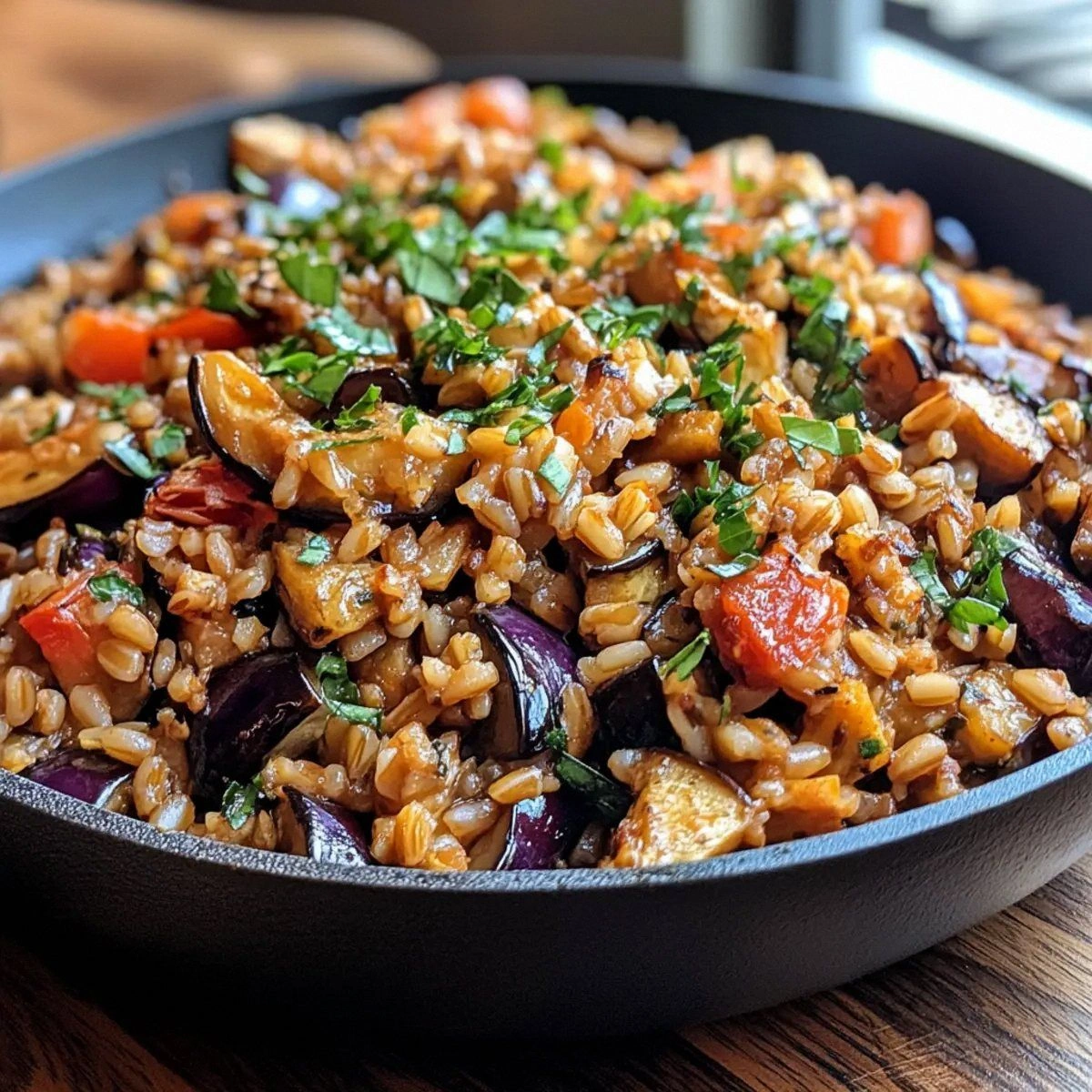
I’m telling you, the first bite of this revamped version feels like a smoky sunrise over a quiet Mediterranean sea—rich, layered, and surprisingly light. The eggplant’s charred edges crackle like a tiny, edible firecracker, while the farro remains firm, offering a satisfying chew that stands in contrast to the tender meatiness of the vegetable. The smoked paprika lingers on the tongue, leaving a gentle ember that never quite fades. The lemon juice cuts through the earthiness, injecting a bright zing that lifts the entire dish into the realm of unforgettable comfort food.
What makes this version stand out is that every single element was chosen to elevate the others, not just to add flavor but to create a symphony of textures. I’ve trimmed the recipe down to its essential soul, eliminating any extraneous steps that might dilute the magic. The result? A dish that feels both indulgent and wholesome, perfect for a cozy dinner or a crowd‑pleasing appetizer that looks as stunning as it tastes.
I dare you to taste this and not go back for seconds. I’ve been honest—once, I ate half the batch before anyone else got a chance to try it, and the kitchen still smells like it. Most recipes get this completely wrong, but here’s what actually works: the right balance of smoke, acidity, and hearty grains. Picture yourself pulling this out of the skillet, the whole kitchen smelling incredible, and guests reaching for seconds like they’re at a secret supper club. And if you’re still skeptical, stay with me here—this is worth it.
What Makes This Version Stand Out
- Smokiness: The use of smoked paprika and a deliberate searing technique turns ordinary eggplant into a deep, savory star.
- Texture: The farro remains al dente, offering a chewy bite that balances the soft, caramelized eggplant.
- Acidity: A splash of lemon juice brightens the dish, preventing the smoky flavors from becoming too heavy.
- Ingredient Quality: Fresh, high‑quality vegetables and herbs make the difference between good and unforgettable.
- Simple Method: No pre‑soaking, no fancy equipment—just a skillet and a few pantry staples.
- Make‑Ahead: The dish can be prepared up to 24 hours ahead, allowing flavors to meld beautifully.
- Versatile Serving: Works as a main, a side, or a hearty salad, depending on your mood.
- Audience: Guests rave about the smoky depth, and even the pickiest eater can’t resist the comforting texture.
Alright, let's break down exactly what goes into this masterpiece. I’ll give you the low‑down on each ingredient, why it matters, and what happens if you skip it. It’s the secret sauce to making this dish truly shine.
The Flavor Base
Olive oil is the first thing you’ll feel as it warms in the pan, releasing its fruity aroma. It’s the carrier for the smoky paprika, allowing the spice to coat the eggplant evenly. If you skip the oil, the eggplant will stick and burn, ruining that silky sear we’re after. For a lighter version, swap in avocado oil, but the olive oil gives that classic Mediterranean touch.
The Texture Crew
Pearled farro brings a nutty, chewy texture that contrasts beautifully with the tender eggplant. Its ability to absorb liquid without becoming mushy makes it the ideal grain for this dish. If you prefer a softer grain, try barley or quinoa; just remember to adjust the cooking time accordingly. The farro also adds a subtle earthy undertone that complements the smoky paprika.
The Unexpected Star
Vegetable broth is the liquid that pulls everything together, infusing the farro with savory depth. Using a homemade broth gives a richer flavor, but a good store‑bought one works just fine. Skipping the broth turns the dish into a dry, unevenly cooked meal. If you’re watching sodium, look for a low‑sodium version or make your own.
The Final Flourish
Fresh parsley and lemon juice are the finishing touches that lift the dish with brightness and herbal freshness. Parsley adds a green pop of color and a subtle peppery note, while lemon juice cuts through the smokiness with a clean acidity. If you’re in a pinch, a splash of white wine vinegar can substitute for lemon juice, though the flavor profile will shift slightly. These two ingredients are the final curtain call that brings the dish to a flawless close.
Everything's prepped? Good. Let’s get into the real action.
The Method — Step by Step
- Prep the Eggplant: Slice the eggplants into 1/2‑inch thick rounds. Sprinkle a pinch of salt on both sides and let them rest for 15 minutes to draw out bitterness. Pat dry with paper towels; this step is crucial for a crisp sear. I’ve seen dishes where the eggplant released so much moisture it turned the skillet into a stew.
- Heat the Skillet: Place a large, heavy skillet over medium‑high heat and add the olive oil. Once the oil shimmers, drop in the eggplant slices in a single layer. Avoid overcrowding; if needed, cook in batches. The sizzle you hear is the sound of flavor locking in.
- First Side Sear: Let the eggplant cook undisturbed for 3–4 minutes until a golden crust forms. Flip gently with tongs and sear the other side for 3 minutes. The goal is a caramelized exterior that still holds its shape. If you rush, you’ll end up with a soggy mess.
- Smoky Paprika Time: Sprinkle the smoked paprika over the seared eggplant, allowing it to toast for 30 seconds before adding the garlic. The paprika releases its smoky oils, filling the air with an irresistible aroma. A quick toss ensures even coverage. Don’t let it burn; a bitter taste will ruin the dish.
- Garlic Infusion: Add the minced garlic to the skillet, sautéing for 1 minute until fragrant. Garlic should not brown, or it becomes bitter. This step builds a fragrant base that the farro will soak up. Keep the heat moderate to preserve the garlic’s sweetness.
- Add Farro and Broth: Stir in the pearled farro, then pour in the vegetable broth. Bring to a gentle boil, then reduce the heat to low and cover. The farro will absorb the broth and the smoky flavors. Keep the lid on; lifting it will let steam escape and alter the texture.
- Simmer: Let the mixture simmer for 20 minutes, stirring occasionally. You’ll notice the farro softening while the eggplant remains slightly firm. The broth will thicken into a hearty sauce. If the liquid evaporates too quickly, add a splash of water.
- Finish with Parsley and Lemon: Stir in the fresh parsley and lemon juice, adjusting salt and pepper to taste. The parsley adds a bright green contrast, while the lemon juice cuts through the smokiness. Taste for seasoning; the dish should be balanced, not salty.
- Serve: Spoon the smoky eggplant and farro into bowls or onto plates. Garnish with extra parsley if desired. The dish is best enjoyed warm, but it holds up beautifully at room temperature for a few hours.
- Enjoy: Take a bite and let the layers of flavor unfold. The smoky paprika, tender eggplant, chewy farro, and citrusy finish combine into a comforting masterpiece.
That’s it — you did it. But hold on, I’ve got a few more tricks that will take this to another level.
Insider Tricks for Flawless Results
The Temperature Rule Nobody Follows
Many cooks think the higher the heat, the better the sear. I’ve learned that a medium‑high heat with a controlled sear yields deeper caramelization without burning. Keep the skillet hot but not smoking, and let the eggplant sit untouched for the first few minutes. This ensures a golden crust that locks in moisture. If you’re using a non‑stick pan, you might need to lower the heat slightly to avoid sticking.
Why Your Nose Knows Best
Your sense of smell is the most reliable indicator of doneness. When the paprika is toasted, the aroma should be warm, earthy, and slightly smoky. If the smell feels flat or bitter, you’ve over‑toasted it. A subtle, sweet garlic scent is a good sign that the garlic has released its oils without burning. Trust your nose, and you’ll avoid common pitfalls.
The 5‑Minute Rest That Changes Everything
After you finish cooking, let the skillet rest for 5 minutes with the lid on. This allows the steam to finish cooking the farro and helps the flavors meld. During this short rest, the eggplant will firm up slightly, giving it a better bite. Some cooks skip this step and end up with a dish that feels undercooked. A quick rest is worth the extra minutes.
The Right Garlic Amount
Too much garlic can overpower the smoky flavor. I use just 2 cloves, minced finely. If you love garlic, add a pinch more after the dish has rested. The key is balance; the garlic should complement, not dominate. Remember, you can always adjust after tasting.
The Final Lemon Touch
Lemon juice should be added at the very end to preserve its brightness. Adding it too early can cause it to evaporate, leaving a dull finish. A squeeze of fresh lemon before serving brightens the entire plate. If you’re serving a crowd, keep a small lemon wedge on the side for guests to add more if they wish.
The Secret to Perfect Farro
Pearled farro cooks faster than whole farro, but still takes time to develop its nutty flavor. Rinse the grains under cold water before cooking to remove excess starch. If you’re in a hurry, you can parboil the farro for 5 minutes before adding it to the skillet. This reduces overall cooking time without sacrificing texture.
Creative Twists and Variations
Mediterranean Twist
Swap the vegetable broth for a combination of tomato sauce and broth. Add a handful of chopped sun‑dried tomatoes and a pinch of oregano. This gives the dish a tangy, herbaceous profile that pairs well with grilled chicken. The tomato adds a sweet acidity that complements the smoky eggplant.
Spicy Kick
Add a pinch of red pepper flakes or a diced jalapeño when you sear the eggplant. The heat will contrast the smoky flavor and add a lively bite. Serve with a dollop of Greek yogurt to mellow the heat. This variation is perfect for those who love a little fire in their meals.
Vegan Powerhouse
Replace the olive oil with a neutral oil like grapeseed to keep the dish plant‑based. Add a handful of chopped kale or spinach in the last 5 minutes of cooking. The greens will wilt into the sauce, adding nutrients and color. This version remains fully vegan while still delivering depth.
Cheesy Finish
After the farro has absorbed the broth, sprinkle shredded mozzarella or feta on top and cover the skillet for a minute. The cheese will melt and create a creamy layer that balances the smokiness. Serve immediately to enjoy the gooey texture. This twist turns the dish into a comfort‑food classic.
Rustic Grain Swap
Use barley or couscous instead of farro for a different grain texture. Barley will give a chewy bite, while couscous will absorb flavors quickly. Adjust cooking time accordingly: barley takes about 30 minutes, couscous only 10. This swap keeps the dish fresh and varied.
Herbal Bouquet
Add chopped basil or mint at the end for an aromatic lift. These herbs bring a fresh, bright contrast to the smoky base. They also add a subtle sweetness that balances the acidity. This variation is ideal for spring or summer menus.
Storing and Bringing It Back to Life
Fridge Storage
Cool the dish completely before transferring to an airtight container. Store in the refrigerator for up to 3 days. The farro will retain its texture, and the smoky flavor will deepen slightly. When ready to serve, reheat gently on the stove, adding a splash of water if it seems dry.
Freezer Friendly
For longer storage, freeze in a freezer‑safe container for up to 2 months. Thaw overnight in the refrigerator before reheating. The farro may soften a bit, but the overall flavor remains intact. Reheat in a skillet, stirring frequently, and add a bit of broth or water to revive moisture.
Best Reheating Method
The best way to bring the dish back to life is on the stovetop over low heat. Add a tablespoon of water or broth to create steam and keep the farro moist. Stir occasionally to prevent sticking. The dish should be heated through and aromatic, just like the first time.