I was staring at a stack of soggy lasagna sheets, a pot of marinara that had turned into a thick, tomatoey soup, and a fridge that seemed to be holding more chicken than a poultry farm. The kitchen smelled like burnt garlic, and the air vibrated with the faint hiss of an overworked oven. I was about to throw in the towel when a burst of rosemary aroma hit me from the stove, like a sudden summer breeze in a stuffy room. That scent jolted my senses into action, and I decided then and there that this lasagna would be the culinary rescue mission it needed.
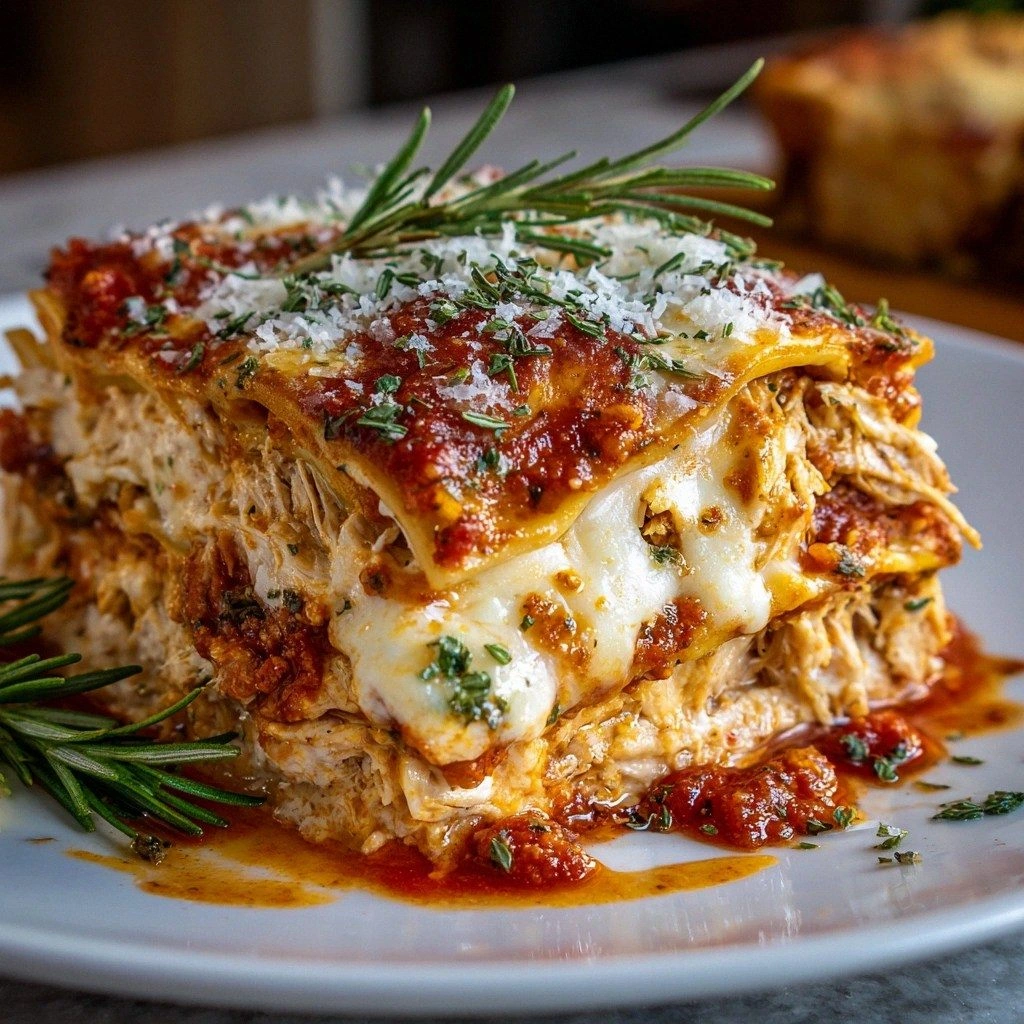
Picture this: a steaming pan of pasta that glistens like a polished marble countertop, the tang of fresh rosemary cutting through the richness of ricotta, and a golden crust that crackles like crisp autumn leaves. The first bite delivers a burst of savory chicken, a gentle whisper of herbs, and a creamy silkiness that lingers on the palate. It’s a dish that doesn’t just feed you; it wraps you in a comforting, aromatic hug that feels like home, even on the busiest of nights.
What sets this version apart isn’t just the layering technique—though that’s a game‑changer in its own right. It’s the meticulous balance of textures, the strategic use of fresh rosemary, and the way each component sings in harmony without drowning the others. I dare you to taste this and not go back for seconds. The layers are so cohesive that you’ll feel like you’re holding a piece of culinary art in your hands.
I’ve spent the last decade experimenting with lasagna, from classic beef to vegan chickpea creations, and this one is hands down the best version you’ll ever make at home. The secret? A blend of classic Italian staples with a bold herb that elevates the dish to new heights. Most recipes get this completely wrong by using too much cheese or neglecting the herb, but here, every ingredient has a purpose and a place.
Picture yourself pulling this out of the oven, the whole kitchen smelling incredible, the steam curling like delicate wisps of cloud. The first slice slides out, revealing a mosaic of colors and textures, and you’re instantly transported to a cozy Italian trattoria. Stay with me here—this is worth it. By the end, you’ll wonder how you ever made it any other way.
What Makes This Version Stand Out
- Taste: The fresh rosemary cuts through the richness of the cheese, creating a balanced flavor profile that’s both herbaceous and comforting. The marinara sauce is simmered until it’s silky, yet retains a bright acidity that keeps the dish from feeling heavy.
- Texture: Layered noodles provide a firm bite, while the ricotta and egg mixture creates a velvety interior that melts in your mouth. The mozzarella’s gooeyness contrasts perfectly with the crisped top crust.
- Simple Prep: No need for a complicated sauce or a separate béchamel. All the magic happens in a single pan, saving you time and reducing clean‑up.
- Uniqueness: The rosemary is not just a garnish; it’s folded into the chicken mixture, ensuring each bite carries its aromatic punch. This is a departure from the usual dried herb blends.
- Crowd Reaction: Friends and family rave about the “layered” look and the “one‑dish” feel, making it a hit at gatherings without the fuss of multiple plates.
- Ingredient Quality: Using fresh, high‑quality chicken and real mozzarella elevates the dish from good to unforgettable.
- Cooking Method: The combination of baking with foil first, then finishing uncovered, locks in moisture while achieving a golden, slightly caramelized top.
- Make‑Ahead Potential: Assemble the lasagna a day ahead, refrigerate, and bake fresh. The flavors deepen, making it a convenient option for busy weeknights.
Inside the Ingredient List
The Flavor Base
Marinara sauce is the heart of this lasagna. A slow‑simmered sauce with ripe tomatoes, garlic, and a touch of red wine creates a robust foundation that’s both sweet and acidic. If you skip the sauce, the dish loses its moisture and depth, turning it into a dry, over‑cheesy stack. For a deeper flavor, add a splash of balsamic vinegar at the end of simmering.
The Texture Crew
Lasagna noodles, whether cooked or no‑boil, provide the structural backbone. Cooked noodles absorb the sauce, creating a cohesive bite, while no‑boil sheets simplify the process. Ricotta cheese offers a silky, custard‑like texture that balances the firmness of the noodles. The egg binds the ricotta and chicken together, ensuring each layer holds its shape. A pinch of salt and pepper seasons the mixture, while the fresh rosemary adds a fragrant lift.
The Unexpected Star
Fresh rosemary is the secret weapon that elevates this lasagna from ordinary to extraordinary. Its piney, slightly citrusy notes cut through the richness of the cheese and chicken, creating a memorable aroma that lingers. If you’re not a fan of rosemary, try a handful of chopped fresh thyme or oregano for a different herb profile.
The Final Flourish
Shredded mozzarella and grated Parmesan are the crowning glory. Mozzarella provides that classic gooey melt, while Parmesan adds a nutty, salty finish. Together, they form a golden crust that’s crisp yet tender. If you prefer a dairy‑free version, substitute with a vegan mozzarella blend and nutritional yeast for the Parmesan.
Everything’s prepped? Good. Let’s get into the real action.
The Method — Step by Step
- Preheat the oven to 375°F (190°C). This temperature is ideal for allowing the cheeses to melt and the noodles to steam without drying out. Feel the heat radiating from the oven as you set the timer—this is the moment of anticipation. If your oven runs hot, consider lowering the temperature by 25°F to avoid over‑browning.
- Cook the lasagna noodles. Bring a large pot of salted water to a boil and add the noodles. Cook until al dente, about 8–10 minutes. Drain and rinse with cold water to stop the cooking process. This rinse also helps prevent the noodles from sticking together later. While the noodles are still hot, toss them with a light drizzle of olive oil to keep them separate.
- Prepare the chicken mixture. In a large bowl, combine 2 cups of shredded cooked chicken, 1.5 cups of ricotta cheese, 1 egg, 2 tablespoons of finely chopped fresh rosemary, 1 teaspoon of salt, and ½ teaspoon of freshly ground black pepper. Mix until the egg is fully incorporated, creating a creamy, herbaceous blend that will bind the layers together. The egg also adds a subtle richness that elevates the dish.
- Heat the marinara sauce. Pour 3 cups of marinara sauce into a saucepan and bring to a gentle simmer. Let it bubble for 5–7 minutes, allowing the flavors to meld. If the sauce is too thick, add a splash of pasta water or tomato juice to reach a pourable consistency. The sauce should coat the back of a spoon without dripping.
- Layer the first base. Spread a thin layer of marinara on the bottom of a 9×13-inch baking dish. Arrange 4 noodles across the sauce, slightly overlapping. Spoon a third of the chicken‑ricotta mixture over the noodles, then sprinkle ½ cup of shredded mozzarella. Repeat this process two more times, finishing with a final layer of noodles, the remaining sauce, and ½ cup of mozzarella.
- Cover and bake. Tent the dish with aluminum foil, sealing the edges to trap steam. Bake for 25 minutes, allowing the flavors to meld and the cheeses to melt into a cohesive layer. The foil prevents the top from browning too quickly, ensuring a tender interior.
- Finish the bake. Remove the foil, sprinkle the remaining ½ cup of mozzarella and ½ cup of grated Parmesan over the top. Return to the oven and bake for an additional 10 minutes, or until the cheese is bubbling and lightly golden. Watch for the edges; when they start pulling away from the sides, it’s a sign of readiness.
- Rest before serving. Let the lasagna sit for 10 minutes after removing it from the oven. This rest period allows the layers to set, making slicing cleaner and preventing the cheese from sliding off. The rest also lets the flavors meld further, delivering a more cohesive taste experience.
- Serve and enjoy. Use a sharp knife to cut clean slices. Serve hot, perhaps with a side of crisp arugula tossed in lemon vinaigrette for a fresh counterbalance. This dish pairs wonderfully with a glass of full‑bodied red wine, enhancing the rosemary notes.
That’s it—you did it. But hold on, I’ve got a few more tricks that’ll take this to another level.
Insider Tricks for Flawless Results
The Temperature Rule Nobody Follows
Many home cooks bake lasagna at 400°F, but this can scorch the top before the inside is fully cooked. Stick to 375°F, or even 350°F for a slower, more even bake. This lower temperature ensures the noodles steam properly, preventing a rubbery bite. I once baked at 400°F and ended up with a crust that was burnt while the center was still raw—lesson learned.
Why Your Nose Knows Best
A well‑seasoned nose can tell you when the lasagna is perfectly cooked. As the cheese melts, you’ll notice a sweet, caramelized aroma. If the smell is overwhelmingly tomato, it’s still too early. Trust your senses—when the scent is a harmonious blend of herb, cheese, and tomato, it’s ready.
The 5‑Minute Rest That Changes Everything
Letting the lasagna rest for 5–10 minutes after baking is not a waste of time; it’s a flavor enhancer. During this period, the juices redistribute, and the layers set, making each bite more cohesive. A friend once tried to slice immediately and ended up with a mess of cheese and sauce. The rest period fixes that.
Layering Technique for Even Baking
When layering, start with a thin sauce base, then a single noodle. This technique ensures that the sauce doesn’t pool and create soggy spots. Spread each layer evenly; uneven layers can lead to uneven cooking and a lopsided dish.
Cheese Ratios for Perfect Melt
Use a 2:1 ratio of mozzarella to ricotta for a gooey yet firm texture. Too much mozzarella can make the lasagna greasy, while too little can leave it dry. The Parmesan on top adds a nutty finish and helps create that coveted golden crust.
Make‑Ahead Tips
Assemble the lasagna a day ahead and refrigerate. Cover tightly with foil or plastic wrap. When ready to bake, let it come to room temperature for 15 minutes before placing it in the oven. This prevents a sudden temperature shock that can cause the noodles to expand unevenly.
Creative Twists and Variations
This recipe is a playground. Here are some of my favorite ways to switch things up:
Spinach & Feta Version
Swap the ricotta for a mixture of ricotta and chopped fresh spinach, and add crumbled feta to the top. The spinach adds color and a subtle earthiness, while the feta brings a sharp tang. This version is perfect for those who love a Mediterranean twist.
Spicy Arrabbiata Layer
Infuse the marinara with red pepper flakes and a splash of chili oil. The heat pairs beautifully with the rosemary, creating a dish that’s both comforting and fiery. Serve with a side of garlic bread to balance the spice.
Pesto & Sun‑Dried Tomato Variation
Replace half of the marinara with basil pesto and stir in sun‑dried tomatoes. The pesto adds a fresh, herbal brightness, while the sun‑dried tomatoes contribute a chewy, sweet bite. This version feels like a summer picnic in a casserole.
Mushroom & Wild Rice Combo
Use cooked wild rice in place of some noodles, and sauté sliced mushrooms with garlic and thyme. The earthy mushrooms and nutty rice add depth and a hearty texture that complements the chicken and cheese.
Vegan Delight
Swap the chicken for crumbled tempeh, use a vegan ricotta made from cashews, and replace the mozzarella with a vegan cheese blend. Add nutritional yeast on top for a parmesan‑like flavor. This version is just as indulgent, proving that plant‑based can be just as comforting.
Breakfast Lasagna Surprise
Use breakfast sausage instead of chicken, and layer with scrambled eggs and a sprinkle of cheddar. The savory sausage and creamy eggs make this a hearty brunch dish that’s sure to impress.
Storing and Bringing It Back to Life
Fridge Storage
Store leftover lasagna in an airtight container in the refrigerator for up to 4 days. The layers hold up well, and the flavors actually improve after a day. When reheating, cover with foil to keep the top from drying out.
Freezer Friendly
For longer storage, wrap the lasagna tightly in plastic wrap, then place it in a freezer‑safe bag. It can be frozen for up to 3 months. Thaw overnight in the refrigerator before reheating.
Best Reheating Method
Reheat in a 350°F oven for 15–20 minutes, or until hot throughout. Add a splash of water or milk to the bottom of the dish before covering with foil; this steams the lasagna back to a silky interior. The tiny steam pocket keeps the noodles from drying out, restoring that fresh, moist texture.