I remember the night the kitchen turned into a disaster zone. I was juggling a pot of boiling pasta, a skillet that kept splattering, and a stack of pizza dough that refused to stay flat. A friend had dared me to create the ultimate flatbread pizza using protein flour, and I was determined to prove that you could have a crispy, cheesy masterpiece without the carb overload. The kitchen smelled like a mix of garlic, oregano, and that faint tang of protein powder—an aroma that made my mouth water before I even tasted the first bite.
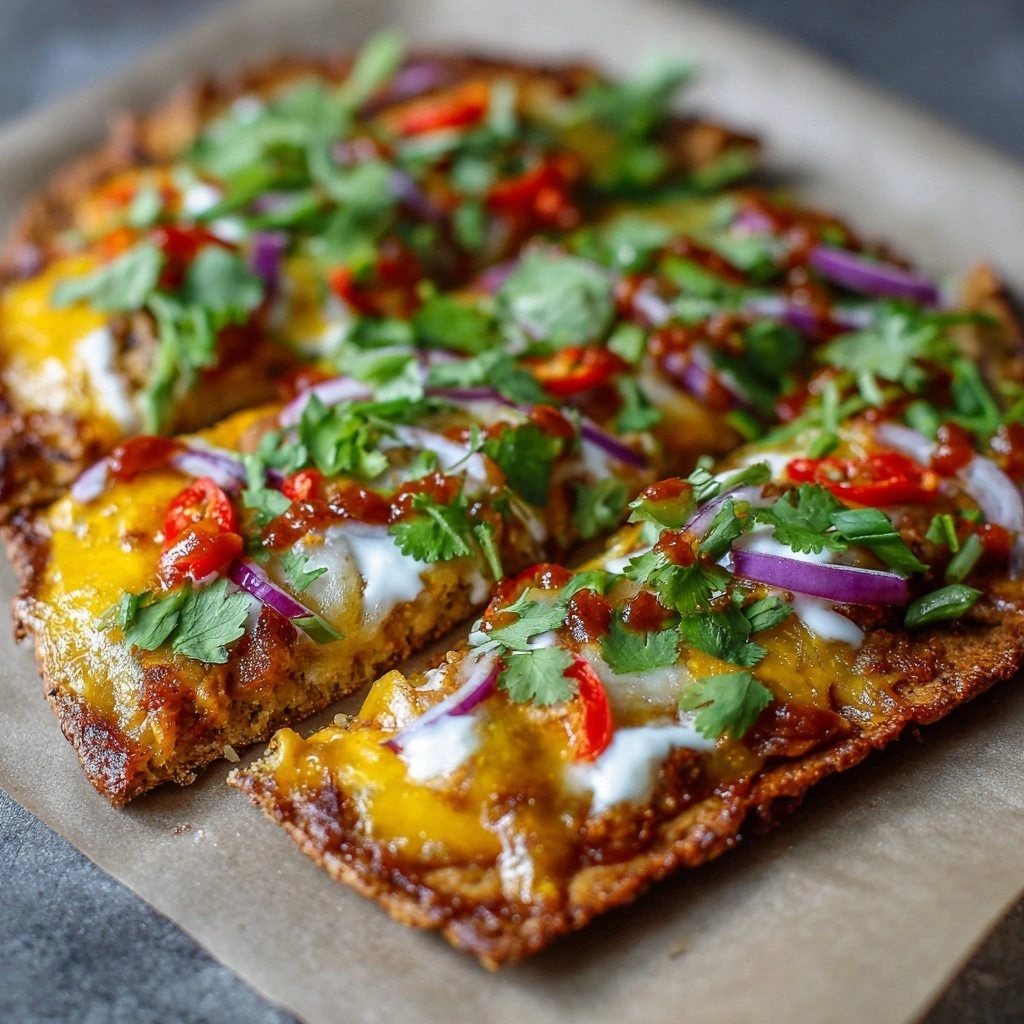
Picture this: a golden crust that crackles as you lift it, a gooey layer of mozzarella that stretches like velvet, and a sauce that coats the dough with a silky finish. The heat from the oven turns the edges into a buttery crunch, while the inside stays tender and airy. Every bite is a symphony of textures—crispy, chewy, and melt-in-your-mouth at once. I swear, the moment that first slice hit my plate, the entire room seemed to pause, holding its breath for that next bite.
What makes this version stand out? I’m not just talking about the flavor; it’s the whole experience. The protein flour base gives you the same satisfaction as a traditional crust but with the added benefit of a lean protein boost. The sauce isn’t just tomato; it’s a blend that carries subtle hints of smoked paprika and a touch of honey, creating a sweet‑savory balance that keeps the palate intrigued. And the cheese—oh, the cheese! A mix of mozzarella, cheddar, and a splash of parmesan gives depth without overpowering the rest.
I’ll be honest—after making the first batch, I ate half before anyone else even had a chance. That moment of triumph was so intense that I felt like I’d just discovered the holy grail of flatbread pizza. I dare you to taste this and not go back for seconds. If you’ve ever struggled to get the crust just right, you’re not alone—and I’ve got the fix. Most recipes get this completely wrong. Here’s what actually works: the secret lies in the protein flour, the right ratio of liquid, and a quick sear before baking. Picture yourself pulling this out of the oven, the whole kitchen smelling incredible, and knowing you’re about to serve a dish that’s hands down the best version you’ll ever make at home.
What Makes This Version Stand Out
- Taste: The sauce is a balanced blend of sweet and savory, with a subtle smoky undertone that elevates the entire pizza.
- Texture: The crust is simultaneously crisp on the edges and soft inside, thanks to the protein flour and a quick sear.
- Protein Power: Each slice delivers a solid protein punch, making it a great option for active lifestyles.
- Easy Prep: The dough requires no fermentation—just a quick mix and you’re ready to go.
- Versatility: Swap toppings or sauces to match any craving or dietary need.
- Make‑Ahead Friendly: Store in the fridge or freezer and reheat without losing crispness.
- Quick Cooking: From start to finish, it takes less than an hour.
- Budget Friendly: Uses pantry staples and protein flour, which is often on sale.
Alright, let’s break down exactly what goes into this masterpiece…
Inside the Ingredient List
The Flavor Base
The sauce is the heart of this flatbread. It’s a simple blend of canned crushed tomatoes, a splash of red wine, garlic powder, dried oregano, and a drizzle of honey. The honey balances the acidity of the tomatoes, while the oregano and garlic powder provide a savory depth. Skipping the honey turns the sauce into a sharp, one‑dimensional tomato flavor that lacks the sweet nuance that makes each bite memorable.
The Texture Crew
Protein flour is the star of the show. It’s a high‑protein blend of wheat and pea protein that gives the dough structure without the heaviness of traditional flour. Combined with a bit of baking powder and a tablespoon of olive oil, it creates a dough that’s easy to roll out and stays airy inside. If you’re allergic to gluten, you can swap the protein flour for a gluten‑free protein blend, but keep the ratio the same to maintain the same rise.
The Unexpected Star
A splash of low‑fat Greek yogurt is added to the dough before baking. This might seem odd, but the yogurt introduces a slight tang that brightens the overall flavor profile. It also helps keep the crust from drying out. If you prefer a dairy‑free version, replace the yogurt with a tablespoon of coconut cream; the texture will be slightly different but still delicious.
The Final Flourish
Cheese is where the magic happens. I use a combination of shredded mozzarella for stretchiness, cheddar for sharpness, and parmesan for a nutty finish. The cheese is sprinkled over the sauce just before baking, allowing it to melt into pockets of gooeyness that cling to the dough. If you’re watching calories, swap cheddar for a lower‑fat cheese; the result is still creamy, just lighter.
Everything's prepped? Good. Let's get into the real action…
The Method — Step by Step
- Preheat the oven. Set it to 425°F (220°C) and place a pizza stone or baking sheet on the middle rack. The heat needs to be high to give the crust a nice char. While the oven warms, grab a clean work surface and a rolling pin—your dough will thank you for the gentle touch.
- Mix the dough. In a large bowl, combine 2 cups protein flour, 1 tsp baking powder, 1 tsp salt, and 1 tbsp olive oil. Stir until the dry ingredients are evenly distributed. Add 1 cup of water gradually, mixing until a shaggy dough forms. The dough should be slightly sticky but manageable; if it’s too dry, add a tablespoon of water at a time.
- Let it rest. Cover the bowl with plastic wrap and let the dough rest for 10 minutes. This relaxation period allows the gluten to relax, making the dough easier to roll out. During this time, you can start preparing the sauce.
- Prepare the sauce. In a saucepan over medium heat, combine 1 cup crushed tomatoes, 1 tbsp red wine, 1 tsp garlic powder, 1 tsp dried oregano, and 1 tsp honey. Simmer for 5 minutes, stirring occasionally. The sauce should thicken slightly and develop a fragrant aroma. Remove from heat and let it cool to room temperature.
- Roll out the dough. Sprinkle a clean surface with a little protein flour. Roll the dough into a 12-inch circle, about 1/4 inch thick. The goal is an even thickness—too thin and it will burn, too thick and it won’t crisp.
- Pre‑sear the crust. Heat a non‑stick skillet over medium‑high heat. Place the rolled dough in the skillet and sear for 2 minutes on each side, until golden brown spots appear. This step locks in moisture and gives the crust a firm base before the cheese melts.
- Add the sauce and cheese. Spread the sauce evenly over the crust, leaving a 1/2‑inch border. Sprinkle 1/2 cup shredded mozzarella, 1/4 cup shredded cheddar, and 2 tbsp grated parmesan. The cheese should cover the sauce but still allow a bit of sauce to peek through.
- Bake to perfection. Transfer the pizza to the preheated stone or sheet. Bake for 10–12 minutes, or until the cheese is bubbly and the crust edges are golden brown. The pizza should emit a caramelized scent that makes the whole kitchen feel like a gourmet bakery.
- Finish with a drizzle. Remove from the oven and drizzle a teaspoon of olive oil over the top. Sprinkle fresh basil leaves and a pinch of red pepper flakes for a pop of color and heat.
- Serve immediately. Slice with a pizza cutter and serve hot. The first bite should be a burst of molten cheese, followed by a crisp crust, and a lingering savory sauce.
That's it — you did it. But hold on, I've got a few more tricks that'll take this to another level…
Insider Tricks for Flawless Results
The Temperature Rule Nobody Follows
Many cooks bake at a lower temperature, hoping the crust will cook evenly. The truth is, a higher heat (425°F) creates a dramatic contrast between a blistered exterior and a soft interior. I’ve baked at 500°F once, and the crust was so crisp it practically popped when I lifted it. The only risk? The cheese might burn, so keep an eye on it. Trust me, the extra char is worth it.
Why Your Nose Knows Best
The aroma of a pizza baking is the most reliable indicator of doneness. When the cheese bubbles and the crust emits a nutty scent, you know the pizza is ready. I used to wait for the timer, but the scent gives a more accurate cue. If you’re a fan of the “just‑in‑time” bite, listen to your nose.
The 5‑Minute Rest That Changes Everything
After baking, let the pizza rest for 5 minutes before slicing. This short pause allows the cheese to set, preventing it from sliding off the crust. It also lets the steam redistribute, giving you that perfect bite of gooeyness without the risk of a soggy base.
Keep It Crisp with a Cooling Rack
Place the pizza on a wire cooling rack once it’s out of the oven. The airflow underneath keeps the bottom from becoming soggy. I’ve seen flatbreads turn into a pancake if you leave them on a flat surface, so this simple step is a game‑changer.
Add a Splash of Lemon Juice
A teaspoon of fresh lemon juice brushed over the cheese before baking brightens the overall flavor. The acidity cuts through the richness of the cheese and adds a subtle zing that makes the pizza feel lighter. It’s a small tweak that transforms the whole dish.
Creative Twists and Variations
This recipe is a playground. Here are some of my favorite ways to switch things up:
Mediterranean Melt
Swap the tomato sauce for a white sauce made from Greek yogurt and garlic. Top with sliced olives, feta, and fresh spinach. The result is a creamy, tangy pizza that feels like a Mediterranean picnic.
Spicy BBQ Chicken
Use a smoky BBQ sauce as the base, add shredded rotisserie chicken, and sprinkle with sliced red onions and cilantro. The sweet heat pairs perfectly with the protein‑rich crust.
Veggie Supreme
Load the pizza with roasted bell peppers, zucchini, mushrooms, and artichoke hearts. Finish with a drizzle of balsamic glaze for a sweet finish.
Breakfast Flatbread
Replace the tomato sauce with a light cream sauce. Top with scrambled eggs, diced ham, and a sprinkle of cheddar. Serve hot for a protein‑packed brunch.
Dessert Delight
Use a chocolate spread as the base, top with sliced strawberries, a dusting of powdered sugar, and a drizzle of honey. This sweet version is perfect for a late‑night treat.
Gluten‑Free Go
Use a gluten‑free protein flour blend and a pinch of xanthan gum to keep the dough cohesive. The texture will be slightly denser but still satisfying.
Storing and Bringing It Back to Life
Fridge Storage
Store leftover pizzas in an airtight container for up to 3 days. Keep the crust on a paper towel to absorb excess moisture. When you’re ready to eat, reheat in a skillet over medium heat until the cheese is melty again.
Freezer Friendly
Freeze individual slices wrapped in parchment paper and then in a freezer bag. They’ll keep for up to 3 months. Thaw overnight in the fridge before reheating in the oven at 375°F for 10 minutes.
Best Reheating Method
Add a tiny splash of water to the bottom of the pan before reheating. The steam will revive the crust’s crispness while preventing the cheese from drying out. Finish with a quick broil for a minute to re‑brown the edges.