Picture this: a midnight kitchen, the faint hum of the refrigerator, and a sizzling pan that smells like a promise. I was halfway through a last‑minute dinner party when I realized I had no idea what to serve. My friends were already arriving, and I had only a bag of frozen cube steak, a jar of tomato paste, and a pantry that could give any chef a run for their money. I pulled out the skillet, added a splash of oil, and let the steak hit the heat with a satisfying sizzle that echoed through the kitchen. That moment was the spark that turned a simple idea into a culinary obsession.
I started to think about what makes a stew unforgettable: depth, tenderness, and that comforting sauce that clings to every bite. I experimented with a blend of garlic, thyme, and a hint of sugar to balance the acidity of the tomatoes. The mushrooms added earthy umami, while the bell pepper brought a sweet crunch that cut through the richness. The result was a sauce that glistened like velvet, thickened by a humble flour roux, and a steak that fell apart at the touch of a fork. I dared myself to taste this and not go back for seconds, and it was a revelation.
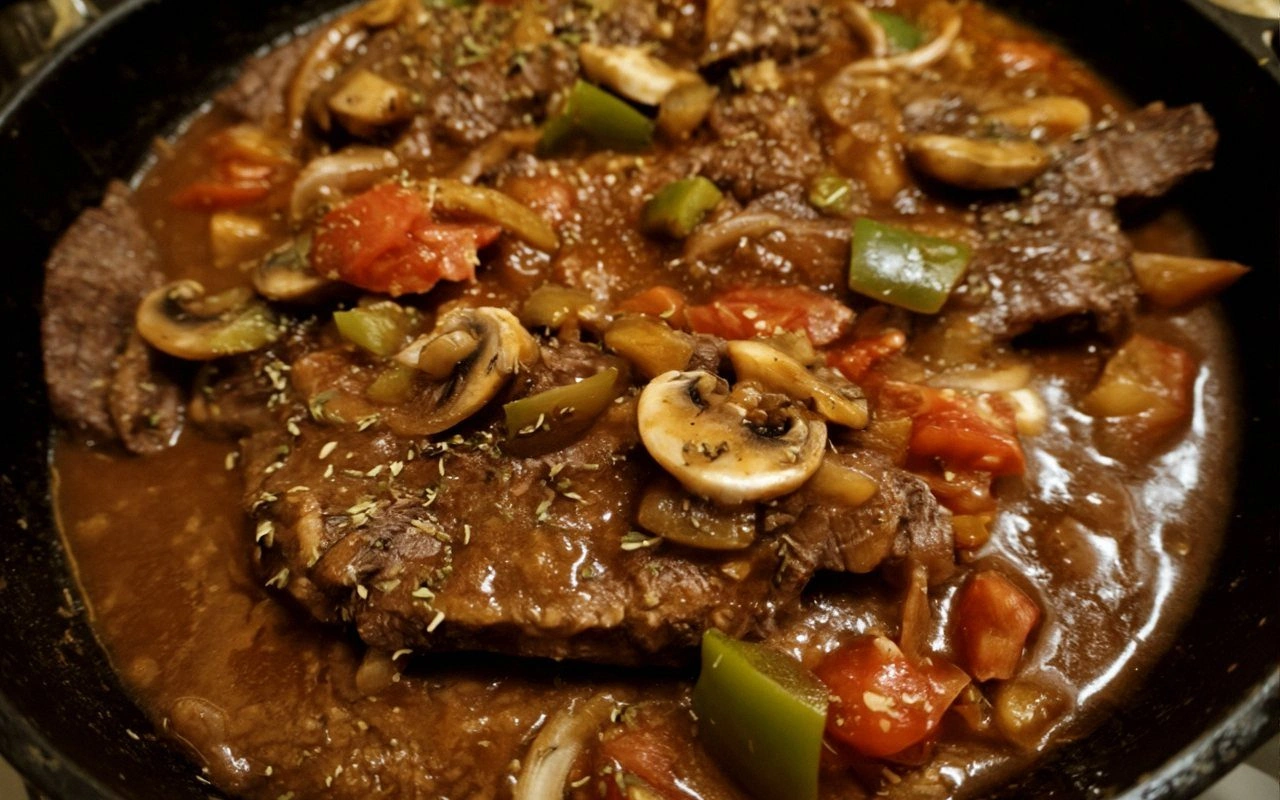
Fast forward to today, and this version of Old‑Fashioned Swiss Steak is hands down the best version you'll ever make at home. It stands out because I used a quick breading technique that locks in juices and gives the meat a caramelized crust without extra oil. The sauce is a balanced symphony of savory, sweet, and smoky, thanks to Worcestershire and a touch of brown sugar. The vegetables are sautéed to just the right tenderness so they hold their shape and add texture. The dish is so versatile that it can be served over mashed potatoes, rice, or even a hearty crusty bread.
Now, I want to walk you through every single step so that by the end, you'll wonder how you ever made it any other way. I’ll share the secret breading trick that keeps the steak juicy, the sauce‑building method that layers flavors, and the timing hacks that save you from a kitchen mishap. You'll also discover a surprising ingredient that elevates the dish beyond the classic recipe—one that you might not have expected. Picture yourself pulling this out of the oven, the whole kitchen smelling incredible, and your guests already reaching for seconds. Let’s dive in.
What Makes This Version Stand Out
- Breaded Perfection: The quick flour coating creates a golden crust that seals in juices while adding a subtle crunch. If you skip it, the steak will be tender but may lose its caramelized flavor. Swap the flour for cornmeal for a slightly different texture.
- Flavor Layering: The combination of tomato paste, diced tomatoes, and Worcestershire builds depth that traditional recipes often miss. Skipping the Worcestershire will leave the sauce lacking that umami punch. Use a low‑sodium version if you’re watching salt.
- Balanced Sweetness: The teaspoon of sugar counteracts tomato acidity without turning the dish into a dessert. If you prefer a sharper bite, reduce the sugar to a pinch.
- Vegetable Medley: Onion, celery, bell pepper, and mushrooms provide texture and a spectrum of flavors that make each bite interesting. Leaving out any of them will make the sauce a bit flat.
- Quick Thickening: A cornstarch slurry finishes the sauce in seconds, giving it a silky coat that clings to the meat. If you’re allergic to cornstarch, a small amount of flour can work as a substitute.
- Time Efficiency: The entire dish cooks in under an hour, yet the flavors develop as if it had simmered for days. This makes it ideal for week‑night dinners without sacrificing quality.
- Make‑Ahead Friendly: The stew keeps well in the fridge for up to four days and freezes beautifully. The sauce thickens slightly when reheated, so add a splash of water to restore its silky texture.
Inside the Ingredient List
The Flavor Base
All‑Purpose Flour: This humble grain is the backbone of the roux that thickens the sauce. If omitted, the stew will remain watery and less cohesive. For a gluten‑free version, use a blend of rice and tapioca flour.
Salt: A half teaspoon of salt is enough to bring out the savory notes without overpowering the dish. Skipping salt will result in a bland broth that fails to excite the palate.
Black Pepper: A quarter teaspoon adds a gentle heat that balances the sweetness of the tomatoes. If you’re a spice lover, increase to a full teaspoon for a subtle kick.
Garlic Powder: This powdered form provides a consistent garlic flavor throughout the sauce. Fresh garlic could be used instead, but the powder ensures even distribution.
Tomato Paste: Three tablespoons concentrate the tomato flavor and add body to the sauce. Skipping it will leave the stew thin and less flavorful.
Diced Tomatoes: The 15‑ounce can offers a sweet, slightly acidic backdrop that balances the richness of the meat. Opt for low‑sodium if you’re watching salt.
Beef Broth: Two cups of broth provide the liquid foundation for the sauce and infuse the steak with savory depth. Using stock instead of broth will intensify the flavor.
Worcestershire Sauce: A tablespoon of this fermented condiment adds umami and a subtle tang. If you’re avoiding soy, a splash of balsamic vinegar can be a decent alternative.
Dried Thyme: Half a teaspoon of thyme delivers an earthy aroma that complements the beef. Fresh thyme will give a brighter note but may be more potent.
Sugar: One teaspoon of sugar balances acidity and brings a caramelized finish to the sauce. Use brown sugar for a deeper molasses flavor.
Celery Seed: A pinch of celery seed adds a subtle nutty undertone that is often overlooked. If unavailable, a dash of ground celery seed works well.
The Texture Crew
Cube Steak: Two pounds of tender, flat steak pieces are ideal for slow cooking; they absorb the sauce and become melt‑in‑your‑mouth. Cutting the steak into even slices ensures uniform cooking. If you prefer, use round steak as a budget alternative.
Vegetable Oil: A quarter cup of oil provides the high‑smoke point needed to sear the meat without burning. Olive oil can be used, but it may impart a fruity flavor.
Onion: A medium onion adds sweetness and depth. If you dislike raw onion flavor, parboil it before adding.
Celery: One to two stalks of celery offer a crisp bite and herbal aroma. If you’re out of celery, replace it with fennel for a slightly sweet twist.
Bell Pepper: A green bell pepper introduces a bright, slightly bitter contrast that balances the rich sauce. Red or yellow peppers will sweeten the dish.
Mushrooms: Eight ounces of sliced mushrooms bring earthy umami and moisture. Portobello or cremini work well; avoid button mushrooms if you want a stronger flavor.
Garlic Cloves: Two cloves of minced garlic infuse the sauce with aromatic heat. If you’re sensitive to garlic, use a smaller amount or skip entirely.
The Unexpected Star
Cornstarch: Two tablespoons of cornstarch create a glossy, thickened sauce in just a minute. If you’re allergic to corn, a small amount of arrowroot powder can serve as a substitute.
Water: Two tablespoons of water activate the cornstarch slurry, preventing clumping and ensuring a smooth finish. Use room temperature water for best results.
Everything's prepped? Good. Let's get into the real action…
The Method — Step by Step
- Prep the Meat: Pat the steak dry with paper towels to ensure a good sear. Lightly dust each piece with the flour, salt, pepper, and garlic powder, shaking off excess. This coating will lock in juices and give the steak a golden crust. The flour also helps thicken the sauce later. Keep the seasoned steak aside while you prepare the vegetables.
- Brown the Steak: Heat the vegetable oil in a large Dutch oven over medium‑high heat. When the oil shimmers, add the steak in a single layer, avoiding overcrowding. Sear each side for 2–3 minutes until a deep brown crust forms. Flip only once to maintain moisture. Remove the steak and set it on a plate; it will finish cooking in the sauce.
- Sauté the Vegetables: In the same pot, add the diced onion, celery, bell pepper, and mushrooms. Cook for 5–7 minutes, stirring occasionally, until the vegetables soften and the onions become translucent. The vegetables should release their juices, forming a flavorful base. This step is crucial for building depth; don’t rush it. When the mixture is fragrant, add the minced garlic and cook for an additional minute.
- Deglaze the Pot: Pour the tomato paste into the pot, stirring to combine with the browned bits. Cook for 2 minutes until the paste darkens slightly. Next, add the diced tomatoes and a splash of beef broth, scraping the bottom of the pan to lift all the flavorful bits. This deglazing step enriches the sauce with caramelized flavors. Let the mixture come to a gentle boil.
- Add the Steak Back: Return the browned steak pieces to the pot, nestling them into the sauce. Stir to coat each piece evenly. Pour in the remaining beef broth, Worcestershire sauce, thyme, sugar, and a pinch of celery seed. Bring the mixture to a low simmer, then reduce heat to low and cover. The slow simmer allows the flavors to meld while the steak stays tender.
- Simmer to Perfection: Let the stew cook for 25–30 minutes, turning the steak occasionally so it absorbs the sauce. The meat should be fork‑tender, and the liquid should reduce to a rich, glossy consistency. If the sauce seems too watery, uncover the pot for the last 5 minutes to evaporate excess liquid. Taste and adjust seasoning if needed.
- Thicken the Sauce: In a small bowl, whisk together the cornstarch and water until smooth. Slowly pour this slurry into the pot, stirring constantly. The sauce will thicken almost instantly; continue to simmer for 1–2 minutes to eliminate any raw cornstarch taste. This step ensures a silky coat that clings to each steak piece. Remove from heat.
- Serve and Enjoy: Ladle the stew over mashed potatoes, buttered noodles, or a crusty loaf to soak up the savory sauce. Garnish with fresh parsley or a drizzle of olive oil for a pop of color. The aroma alone will have guests lining up for a taste. Remember, the best part is sharing this comforting dish with friends and family. Serve hot and enjoy the applause.
That's it — you did it. But hold on, I've got a few more tricks that'll take this to another level…
Insider Tricks for Flawless Results
The Temperature Rule Nobody Follows
Many cooks think a high simmer is the key, but the secret lies in a low, steady heat that lets the flavors marry without overcooking the meat. Keep the pot just below boiling, and use a lid to trap steam. This approach keeps the steak juicy and the sauce silky. If you accidentally let it boil too hard, the meat will become tough.
Why Your Nose Knows Best
As the stew cooks, the aroma intensifies; a sudden sharp scent means the sauce is overcooked or burning. Pause, sniff, and adjust the heat if necessary. My friend once skipped this step and ended up with a burnt, bitter stew—lesson learned. Trust your nose to guide the cooking process.
The 5‑Minute Rest That Changes Everything
After simmering, let the stew rest for five minutes before serving. This allows the flavors to settle and the sauce to thicken slightly. A quick rest also lets the steak fibers relax, making it easier to cut. I always use this trick to elevate the final bite.
Use a Dutch Oven for Even Heat
A heavy‑bottomed Dutch oven distributes heat evenly, preventing hot spots that can scorch the sauce. If you don’t have one, a heavy saucepan will work, but you’ll need to stir more frequently. The even heat ensures a consistent texture throughout.
Keep the Meat Covered During Sear
Covering the steak while searing helps trap moisture, keeping the meat tender. Remove the cover only to brown the exterior. Many people skip this step, which leads to dry, over‑cooked steak. Give it a try and feel the difference.
Stir the Sauce Frequently
Stirring prevents the sauce from sticking to the bottom and developing burnt bits. A wooden spoon or silicone spatula is ideal. If you notice any lumps forming, whisk them out promptly. A smooth sauce is the hallmark of a professional‑grade stew.
Creative Twists and Variations
Spicy Southwestern Version
Swap the green bell pepper for a diced chipotle pepper and add a tablespoon of chipotle in adobo sauce. The smoky heat pairs beautifully with the beef, giving the stew a bold kick. Serve over cilantro‑laced rice to balance the spice. This version is a hit at summer gatherings.
Italian Fusion
Replace the tomato paste with a handful of sun‑dried tomatoes and add a teaspoon of oregano. Finish the sauce with a splash of red wine and a handful of fresh basil. The result is a rustic Italian‑style stew that pairs well with polenta. It’s a great way to switch up the flavor profile.
Low‑Carb Delight
Omit the cornstarch and use a thickening agent like xanthan gum or a small amount of almond flour. Serve over cauliflower rice or spiralized zucchini noodles. The dish remains hearty while cutting carbs dramatically. Perfect for a keto dinner.
Vegan Take
Replace the steak with thick slices of seitan or tofu, and use vegetable broth instead of beef. Add a tablespoon of soy sauce for depth and a dash of smoked paprika for smokiness. This plant‑based version still delivers the comforting, savory experience.
Cheesy Finale
During the last five minutes of simmering, stir in a generous handful of shredded cheddar or Gruyère. The cheese melts into the sauce, creating a creamy, gooey topping. Sprinkle with fresh chives before serving for a pop of color. This variation turns the stew into a decadent comfort food.
Asian Inspired Twist
Add a tablespoon of soy sauce, a splash of rice vinegar, and a pinch of sesame oil to the sauce. Replace the tomato paste with a small amount of miso paste for umami. Serve over steamed jasmine rice and garnish with sliced scallions. The result is a fusion dish that satisfies both worlds.
Storing and Bringing It Back to Life
Fridge Storage
Transfer the stew to an airtight container and refrigerate for up to four days. The sauce will thicken as it cools, so add a splash of water or broth when reheating. Store the steak and sauce separately if you prefer to reheat them individually. Keep the container in the lower shelf for best freshness.
Freezer Friendly
Divide the stew into portioned containers and freeze for up to three months. Label each container with the date and contents. When ready to eat, thaw overnight in the refrigerator, then reheat on the stovetop. The texture remains tender, and the flavors stay intact.
Best Reheating Method
Reheat the stew on low heat, stirring frequently to prevent sticking. Add a small amount of water or broth to restore moisture if the sauce has thickened. If you’re in a hurry, microwave on medium power for two minutes, then stir and continue heating until hot. The stew will taste almost as fresh as when it was first made.