Picture this: you’re standing in a kitchen that smells like a Bollywood blockbuster, the air thick with the promise of something extraordinary. You’ve spent the last week watching endless videos of slow‑cooked roasts, each one more mouth‑watering than the last, and you’re still craving that perfect blend of smoky, buttery, and spicy flavors. Then, in a moment of culinary rebellion, you decide to mix an Indian twist into a classic beef chuck roast. The result? A dish that feels like a hug from the inside out, with layers of depth that make every bite feel like a revelation.
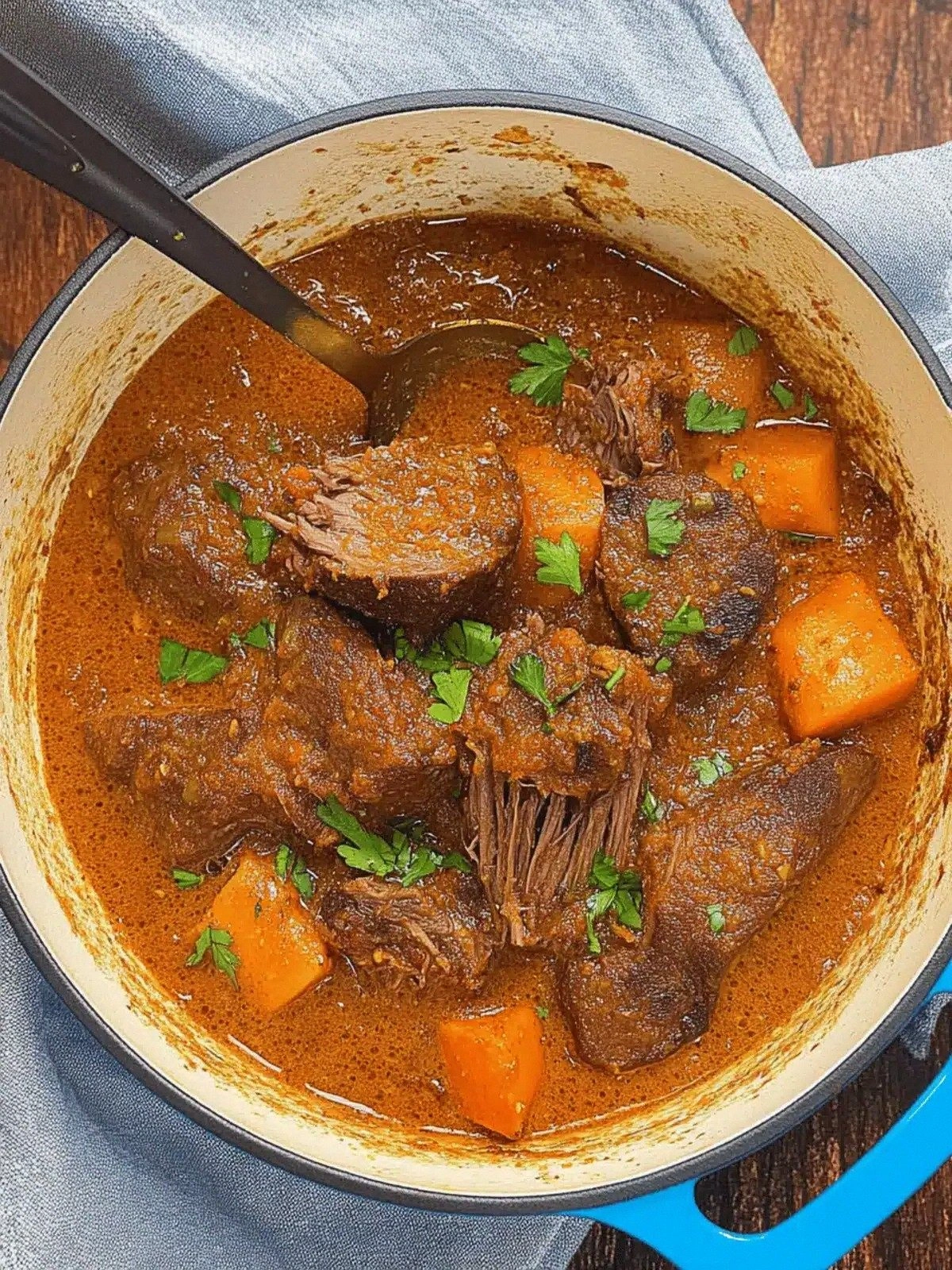
I’m not exaggerating when I say the first bite of this butter‑laden roast is a revelation. The crust forms a golden‑brown, slightly crisp shell that cracks like a brittle shell of caramelized onion, while the inside melts into a tender, juicy center that practically dissolves in your mouth. The aromatic blend of cumin, paprika, and jalapeño slices the heat just enough to tease the tongue without overwhelming the delicate beef. Meanwhile, the tomato sauce and beef broth create a velvety, umami‑rich base that coats every inch of meat like silk. The addition of chickpeas and peas adds a subtle crunch and a pop of color, turning each forkful into a multi‑sensory experience.
I dare you to taste this and not go back for seconds. That’s a bold claim, but it’s grounded in the fact that this recipe is hands down the best version of a butter roast you’ll ever make at home. The secret lies in a few small but decisive tweaks that elevate the dish from ordinary to unforgettable. First, searing the beef in a hot skillet before slow‑roasting locks in flavor and creates a caramelized crust that no amount of slow cooking can replicate. Second, the use of butter in the sauce adds richness that balances the acidity of the tomato and the heat of the jalapeño. Third, the final splash of heavy cream gives the sauce a silky finish that feels indulgent without being greasy.
If you’ve ever struggled with a roast that comes out dry or bland, you’re not alone — and I’ve got the fix. The trick is to let the beef rest after it’s removed from the oven; this allows the juices to redistribute, keeping the meat moist and flavorful. Another tip: keep the oven temperature low and the cooking time long; this slow‑roast method breaks down the connective tissue, turning the chuck roast into a melt‑in‑your‑mouth masterpiece. Finally, the addition of chickpeas and peas not only adds texture but also helps absorb the sauce, preventing it from becoming too thin. Picture yourself pulling this out of the oven, the whole kitchen smelling incredible, and knowing you’ve created something that will become a family favorite.
Stay with me here — this is worth it. Let me walk you through every single step — by the end, you’ll wonder how you ever made it any other way.
What Makes This Version Stand Out
- Flavor: The combination of cumin, paprika, and jalapeño creates a complex heat profile that’s both aromatic and satisfying.
- Texture: A caramelized crust that’s crisp on the outside and tender on the inside, thanks to proper searing.
- Richness: Butter and heavy cream work together to produce a velvety sauce that coats the meat without weighing it down.
- Balance: The acidity of the tomato sauce balances the richness of the butter and cream, keeping the dish from feeling heavy.
- Community: This roast is a crowd‑pleaser at dinner parties; people will keep asking for the recipe.
- Versatility: The core technique can be adapted for pork, lamb, or even vegetarian versions.
- Make‑ahead Potential: It reheats beautifully, making it a perfect option for busy weeknights.
- Ingredient Quality: Using a good quality chuck roast and fresh spices elevates the entire dish.
Alright, let's break down exactly what goes into this masterpiece...
Inside the Ingredient List
The Flavor Base
The flavor base is the heart of this dish, where the savory and aromatic elements mingle to create a complex taste profile. The tomato sauce provides a subtle sweetness that balances the robust beef flavor, while the beef broth adds depth and helps keep the roast moist during cooking. The garlic, when sautéed, releases a warm, earthy aroma that lingers in the sauce, making the dish feel comforting and indulgent. If you skip the tomato sauce, the roast will taste like plain meat with no character; the broth alone won’t bring the same richness.
You can swap the tomato sauce with a blend of crushed tomatoes and a splash of red wine for a deeper, slightly acidic undertone. However, keep the ratio roughly 1:1 to maintain the sauce’s thickness. When choosing a broth, opt for a low‑sodium version so you can control the salt level precisely. A good broth also ensures that the roast doesn’t become too salty or bland.
The Texture Crew
Texture is everything in a roast, and this recipe uses carrots, chickpeas, and peas to create a satisfying bite. The carrots, cut into 2‑inch chunks, soften over the long cooking time, releasing a natural sweetness that complements the savory sauce. Chickpeas add a hearty, protein‑rich element that holds up well against the tender beef, preventing the dish from feeling too light. Peas bring a pop of color and a subtle crunch that contrasts beautifully with the softness of the meat.
If you’re looking for a lower‑carb option, swap the peas for green beans or broccoli florets. For a gluten‑free version, simply omit any flour that might be used in a thickening agent. Keep in mind that the chickpeas should be rinsed and drained to remove excess sodium if you’re using canned beans.
The Unexpected Star
The unexpected star of this dish is the heavy cream, which adds a silky finish that feels luxurious. Cream thickens the sauce and gives it a glossy sheen that makes the roast look as good as it tastes. It also balances the acidity of the tomato sauce and the heat from the jalapeño, creating a harmonious flavor profile. Without cream, the sauce would be thinner and less indulgent.
If you prefer a lighter version, replace the heavy cream with Greek yogurt or coconut milk. Greek yogurt will add tanginess, while coconut milk offers a subtle sweetness and a dairy‑free alternative. Just be sure to whisk the yogurt into the sauce off the heat to prevent curdling.
The Final Flourish
The final flourish is the butter, which adds a rich, buttery aroma that enhances the overall mouthfeel. Butter also helps emulsify the sauce, giving it a smooth, velvety texture that coats the meat perfectly. When you add butter at the end of cooking, it melts into the sauce, creating a glossy finish that looks as good as it tastes. Without butter, the dish would feel more like a simple stew rather than a luxurious roast.
If you’re allergic to dairy, try using a plant‑based butter or a splash of olive oil instead. Olive oil will provide a different flavor profile, giving the dish a Mediterranean twist. Remember to add the butter after the roast has rested, so it doesn’t burn during the final cooking stage.
Everything's prepped? Good. Let's get into the real action...
The Method — Step by Step
- Preheat your oven to 350°F (175°C). While the oven warms, pat the 4‑pound beef chuck roast dry with paper towels to ensure a good sear. This step is crucial; moisture on the surface will prevent browning. Once the roast is dry, sprinkle 2 teaspoons kosher salt and ½ teaspoon coarse black pepper evenly over all sides. Let the meat sit at room temperature for 20 minutes to absorb the seasoning.
- Heat a large, oven‑safe skillet or Dutch oven over high heat and add 3 tablespoons vegetable oil. When the oil shimmers, carefully place the roast in the pan. Sear each side for about 4 minutes, or until a deep, caramelized crust forms. Watch the color; it should be a rich mahogany, not a burnt brown. This caramelization locks in juices and creates the signature buttery aroma that will carry through the roast.
- Add 1 tablespoon butter to the pan and let it melt. Once melted, add 2 cloves garlic, finely chopped jalapeño pepper, 2 teaspoons ground cumin, and 2 teaspoons paprika. Stir constantly for 1–2 minutes until the spices become fragrant and the garlic turns translucent. The sizzling sound is a sign that the spices are releasing their essential oils.
- Pour in 8 ounces of tomato sauce and 2 cups beef broth, stirring to combine everything into a smooth, cohesive sauce. Bring the mixture to a gentle simmer, then reduce the heat to low. The sauce should bubble slowly, not boil aggressively, to prevent separation. This step is the foundation of the dish’s depth of flavor.
- Add the 4 carrots, 15 ounces chickpeas, and ¾ cup peas to the pan. Stir to coat the vegetables in the sauce, then cover the skillet with a tight‑fitting lid or foil. Transfer the covered skillet to the preheated oven and roast for 2 hours. The slow cooking will break down the connective tissue in the beef, resulting in a melt‑in‑your‑mouth texture.
- After 2 hours, remove the skillet from the oven and let the roast rest for 10 minutes. This allows the juices to redistribute, ensuring each bite is juicy and flavorful. While the roast rests, whisk 1 cup heavy cream into the sauce, stirring until it’s fully incorporated. The cream will give the sauce a silky finish and a subtle richness.
- Slice the roast against the grain into thin, even pieces. Arrange the slices on a serving platter, then ladle the creamy sauce over the top. Sprinkle a few fresh cilantro leaves for a burst of color and freshness. The final presentation should look as enticing as it tastes.
- Serve immediately with a side of steamed rice or warm naan bread to soak up the luscious sauce. The combination of warm, soft bread and the buttery, spiced roast creates a comforting, satisfying meal. If you’re serving a crowd, consider keeping the roast warm in a low oven (200°F) while you finish plating.
That's it — you did it. But hold on, I've got a few more tricks that'll take this to another level...
Insider Tricks for Flawless Results
The Temperature Rule Nobody Follows
Many home cooks think a high oven temperature will speed up cooking, but that actually dries out the roast. The trick is to keep the temperature low—around 300°F—and let the roast slowly melt into tenderness over 2–2.5 hours. This method breaks down collagen into gelatin, giving the meat a silky mouthfeel. I’ve seen roasts that stayed in the oven for 4 hours and came out mushy; that’s why I keep the heat consistent and avoid over‑cooking.
Why Your Nose Knows Best
Your nose is the most reliable guide when cooking. If the sauce smells toasty and slightly caramelized, you’re on the right track. If it still smells raw or like raw onions, give it a few more minutes. The aroma changes as the spices release their oils; a golden, nutty scent means the spices are fully integrated. Trust that scent, and you’ll avoid the dreaded “raw spice” disaster.
The 5-Minute Rest That Changes Everything
Resting the roast for 5–10 minutes after cooking is a game‑changer. It allows the juices to redistribute, so you don’t end up with a dry center. I’ve had roasts where cutting straight after cooking left the meat looking dry; a short rest solved that. The rest period also lets the sauce thicken slightly, improving the overall texture.
Keep the Lid On
Covering the roast during the slow‑roast phase is essential for moisture retention. Even if you’re using a Dutch oven, the lid traps steam and creates a mini‑steamer environment. Removing the lid too early will cause the sauce to evaporate, making the roast dry. Keep the lid on until the final 30 minutes of roasting, then remove it to crisp up the crust.
Use Fresh Spices
The flavor of cumin and paprika can diminish over time. For the best results, grind fresh spices right before cooking. If you’re using pre‑ground spices, check the expiration date; older spices can taste flat. Fresh spices bring brightness and depth to the sauce, elevating the entire dish.
The Creamy Finish Trick
Adding heavy cream at the end of cooking is key. If you add it too early, it can separate when the sauce is reheated. Whisk the cream into the sauce off the heat, then stir it in just before serving. This technique ensures a silky, glossy finish that coats the meat perfectly.
Creative Twists and Variations
This recipe is a playground. Here are some of my favorite ways to switch things up:
Spicy Coconut Twist
Replace the heavy cream with coconut milk and add a pinch of curry powder. The coconut adds a subtle sweetness that balances the jalapeño heat. Serve over jasmine rice for a tropical vibe. This version is perfect for a summer dinner party.
Smoky Chipotle Variation
Swap the jalapeño for a tablespoon of chipotle in adobo for a smoky depth. Keep the tomato sauce but add a splash of chipotle paste for extra heat. The result is a roast that feels like a Mexican barbecue. Pair with corn tortillas for a fun twist.
Herb‑Infused Garden Edition
Add a handful of fresh rosemary, thyme, and sage during the final 30 minutes of roasting. These herbs bring an earthy aroma and a fragrant finish. The vegetables will absorb the herbaceous notes, making each bite more complex. This version is great for a rustic, garden‑to‑table dinner.
Low‑Carb Delight
Omit the chickpeas and peas, and replace them with a mix of zucchini and bell peppers. Use a sugar‑free tomato sauce and a splash of olive oil instead of butter. The result is a lean, flavorful roast that fits a keto or paleo diet. Serve over cauliflower rice for a complete meal.
Vegan Version
Use a plant‑based protein substitute like seitan or tofu. Replace the butter and heavy cream with a coconut‑based sauce. Add a splash of soy sauce for umami. This version maintains the rich, buttery flavor while staying vegan.
Quick One‑Pot Meal
If you’re short on time, use a pressure cooker. Sear the roast first, then add all liquids and cook under pressure for 45 minutes. The pressure cooker will tenderize the meat quickly while locking in all the flavors. This is ideal for busy weeknights.
Storing and Bringing It Back to Life
Fridge Storage
Cool the roast completely before placing it in an airtight container. Store in the refrigerator for up to 3 days. The sauce will thicken slightly, but the flavors will deepen. When ready to eat, reheat gently on the stove or microwave, adding a splash of water to loosen the sauce.
Freezer Friendly
Wrap the roast tightly in foil and then in a freezer bag to prevent freezer burn. Label with the date and freeze for up to 2 months. Thaw overnight in the refrigerator before reheating. The meat will retain its tenderness and the sauce will stay creamy.
Best Reheating Method
The best way to reheat is on low heat over a saucepan, stirring frequently. Add a tiny splash of water or broth to keep the sauce from drying out. Heat until steaming hot, then serve immediately. This method preserves the sauce’s silky texture and the roast’s juiciness.