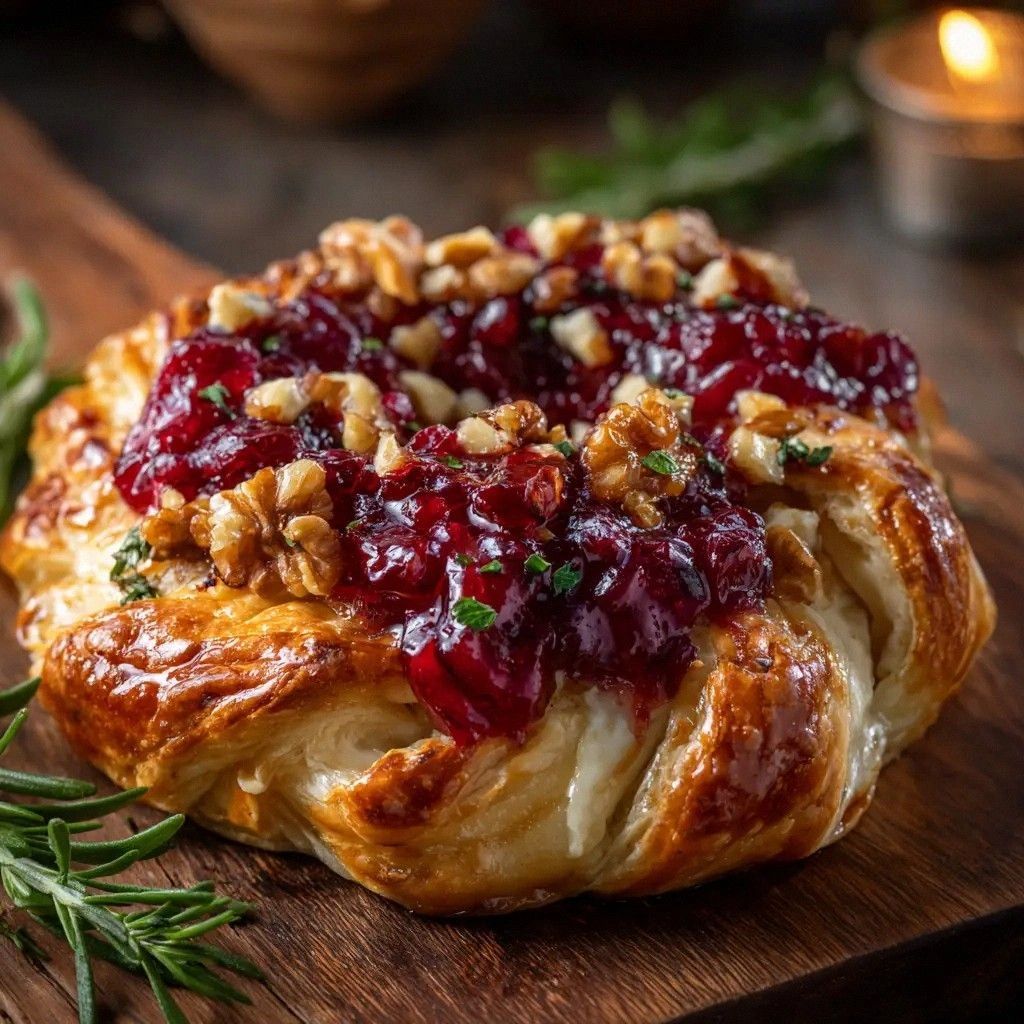
I remember the night I nearly set my kitchen on fire while trying to impress a date with a fancy chicken dish. The skillet was smoking, the chicken was dry, and the air smelled like burnt toast. That disaster was the spark that lit my obsession with finding the perfect balance of sweet, tangy, and savory in a single pan. Fast forward to today, and I’ve cracked the code that turns ordinary chicken thighs into a showstopper that even my skeptical friends can’t resist. If you’ve ever wondered why some recipes feel like a mystery, this one will demystify the process and leave you craving seconds.
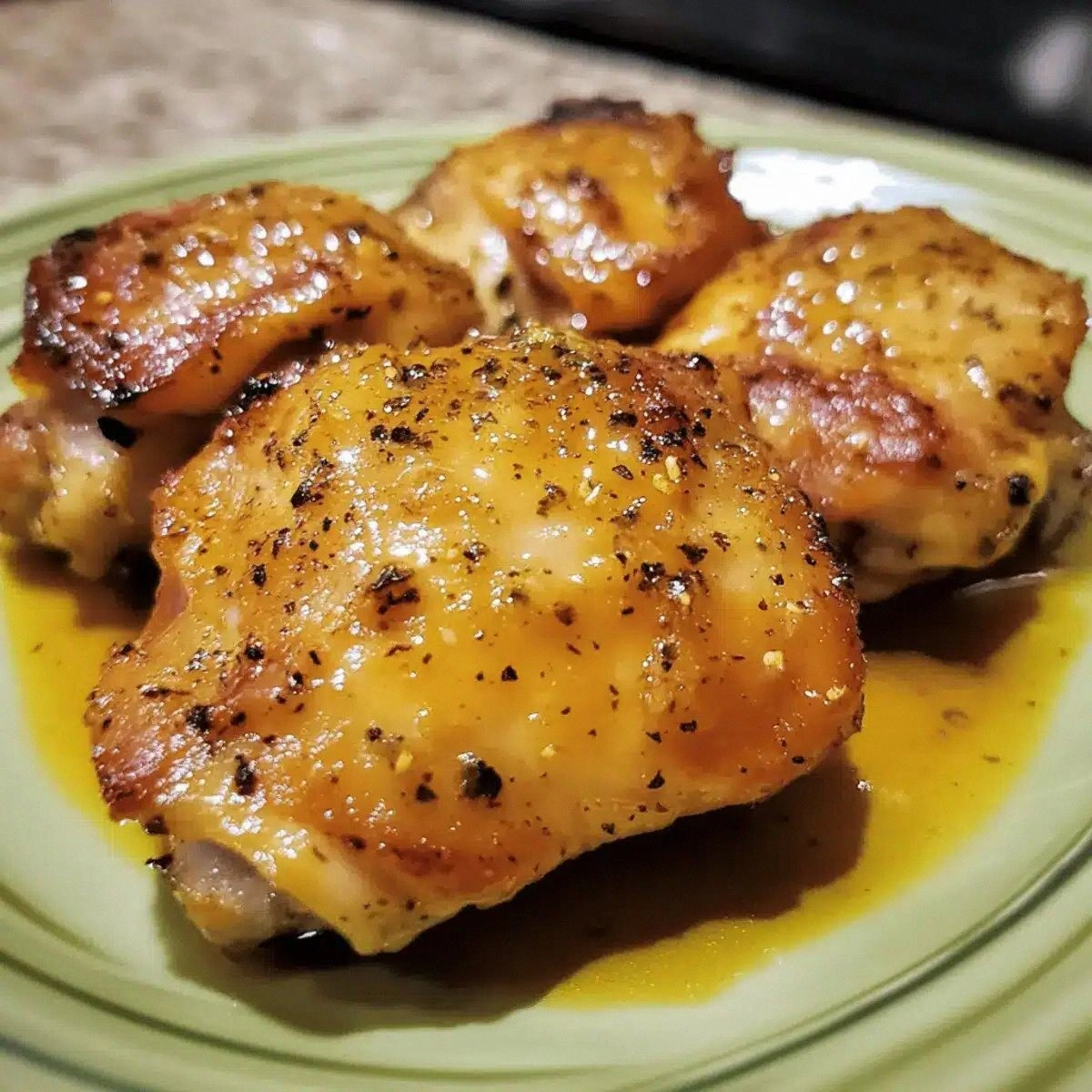
Picture the aroma that fills your kitchen: a warm, golden honey glaze mingling with the sharp bite of Dijon mustard, punctuated by garlic’s earthy punch. The sound of sizzling oil is like a drumbeat that signals the beginning of flavor fireworks. When the first bite hits, the skin is crisp and crackly, the meat inside is juicy and tender, and the sauce clings to every bite like a velvet blanket. The contrast between the crunchy exterior and the succulent interior is the kind of sensory experience that turns a simple dinner into an unforgettable meal. I dare you to taste this and not go back for seconds.
What sets this version apart is that it doesn’t rely on a complex spice blend or a tedious marination period. Instead, it leverages the natural sweetness of honey, the sharpness of Dijon, and the simplicity of a few fresh ingredients to create depth in minutes. It’s a recipe that respects your time while delivering a flavor profile that feels luxurious and approachable. The result is a dish that’s hands down the best version you’ll ever make at home, no matter how many attempts you’ve had with other honey-mustard chicken recipes. Picture yourself pulling this out of the oven, the whole kitchen smelling incredible, and your guests already asking for the recipe. Stay with me here — this is worth it.
I’ll be honest — I ate half the batch before anyone else got to try it, and the leftovers still taste amazing. The key to that success is the method, the precise timing, and a few insider tricks that I’ve learned from kitchen experiments and a few kitchen disasters. If you’ve ever struggled with chicken thighs that come out dry or sauce that doesn’t coat evenly, you’re not alone — and I’ve got the fix. This article will walk you through every single step, from ingredient prep to plating, so by the end, you’ll wonder how you ever made it any other way.
Most recipes get this completely wrong by overcomplicating the glaze or using too much sugar. The trick here is to let the honey shine without overpowering the mustard’s bite and to balance the heat from the garlic with a splash of lemon. By the time you’re done, you’ll have a dish that’s not only delicious but also a conversation starter. The next section will break down the unique elements that make this recipe a standout, and then we’ll dive into the ingredient list, where every component plays a starring role. Let’s get into the real action.
What Makes This Version Stand Out
- Taste: The honey and Dijon mustard create a sweet‑savory harmony that’s richer than any store‑bought sauce. The glaze caramelizes to a glossy finish that’s both eye‑catching and mouth‑watering. This depth of flavor makes the dish feel gourmet without the fuss.
- Texture: The skin crisps to a buttery crunch while the meat stays succulent and moist. The sauce coats the thighs like velvet, preventing any dryness. The result is a satisfying bite that satisfies both texture lovers and flavor seekers.
- Simplicity: Only nine ingredients, all pantry staples, and a single pan. No need for pre‑marination or complex spice rubs. The method is straightforward enough for first‑time cooks yet refined enough for seasoned chefs.
- Uniqueness: The combination of honey, Dijon, and lemon gives the dish a bright, almost citrusy finish that sets it apart from typical honey‑mustard recipes. The fresh parsley adds a pop of color and herbal freshness.
- Crowd Reaction: Friends rave about the crisp skin and sweet‑savory glaze, while family members appreciate the easy cleanup. The dish is versatile enough for a weeknight dinner or a weekend gathering.
- Ingredient Quality: Using bone‑in, skin‑on thighs ensures maximum flavor and moisture retention. Fresh garlic and lemon provide brightness, while high‑quality honey brings natural sweetness.
- Cooking Method: A single‑pan technique that minimizes cleanup. The glaze forms as the chicken cooks, eliminating the need for a separate sauce.
- Make‑ahead Potential: The glaze can be pre‑made and refrigerated, allowing you to assemble and bake on the fly. This makes the dish ideal for busy evenings.
Alright, let's break down exactly what goes into this masterpiece...
Inside the Ingredient List
The Flavor Base
Honey is the star that gives this dish its signature sweet undertone. It’s not just a sweetener; it’s a binder that helps the glaze thicken and adhere to the chicken. If you skip honey, the sauce will lack depth and become a thin, watery coating. For a different sweet profile, try maple syrup, but be aware it will add a distinct flavor.
Dijon mustard provides the sharp, tangy bite that cuts through the honey’s sweetness. The mustard’s peppery notes balance the richness and add a subtle heat that lingers on the palate. If you’re sensitive to heat, replace Dijon with whole‑grain mustard for a milder version. A small pinch of cayenne can elevate the dish if you love a kick.
The Texture Crew
Bone‑in, skin‑on chicken thighs are the foundation of this recipe. The bone adds flavor and keeps the meat juicy during cooking, while the skin crisps into a buttery crunch. If you prefer boneless, the dish will still be tasty but may dry out faster. For extra crispness, pat the skin dry with paper towels before cooking.
Olive oil is used to sear the chicken and create a golden crust. It also helps the glaze adhere evenly. If you’re watching calories, you can swap olive oil for a neutral oil like grapeseed or avocado oil. The key is using enough oil to create a non‑sticking surface.
The Unexpected Star
Fresh garlic brings an aromatic punch that elevates the entire dish. Minced garlic releases its oils, adding depth to the glaze and complementing the honey’s sweetness. If you’re allergic to garlic, a pinch of garlic powder can work, but the flavor will be less pronounced.
Fresh parsley provides a bright, herbal finish that cuts through the richness. It also adds a pop of color that makes the dish visually appealing. If parsley isn’t available, cilantro or basil can be used, though the flavor profile will shift slightly.
The Final Flourish
Lemon wedges add a bright citrus note that balances the sweetness of honey and the heat of mustard. The acidity helps to brighten the overall flavor and adds a fresh finish. If you don’t have lemons, a splash of white wine or vinegar can mimic the acidity.
Everything’s prepped? Good. Let’s get into the real action...
The Method — Step by Step
- Preheat the oven to 400°F (200°C). While the oven warms, pat the chicken thighs dry with paper towels; this step is crucial for crisp skin. A dry surface ensures the oil and glaze adhere properly. When the oven is ready, you’ll hear that comforting crackle of preheating air. This is the moment of truth.
- Season the thighs. Sprinkle salt and freshly ground black pepper evenly over both sides. The seasoning will penetrate the meat, enhancing flavor. A pinch of paprika can add a smoky undertone if desired. Don’t rush this step; let the seasoning sit for a minute.
- Heat olive oil in a cast‑iron skillet. Use medium heat until the oil shimmers but isn’t smoking. Place the thighs skin‑side down and sear until the skin turns golden brown, about 5 minutes. Flip once and sear the other side for an additional 3 minutes. The goal is a deep, caramelized crust.
- Whisk the glaze. In a small bowl, combine honey, Dijon mustard, minced garlic, and a squeeze of lemon juice. The mixture should be smooth and slightly thick. This glaze will coat the chicken as it bakes, creating a glossy finish. Keep the bowl handy for quick stirring.
- Pour the glaze over the chicken. Spread it evenly with a spoon, ensuring every surface is coated. The glaze will bubble and thicken as it cooks. The honey’s sugars will caramelize, giving a caramelized sheen. Watch the sauce as it starts to brown; that’s the sweet aroma you’ve been craving.
- Add a splash of water. Pour about 1/4 cup of water into the pan. This prevents the glaze from burning and helps create steam, keeping the chicken moist. The water will evaporate, leaving a thick, glossy sauce. This step is often overlooked but essential for perfect results.
- Transfer the skillet to the oven. Bake for 20 minutes, then flip the thighs and bake for another 10 minutes. The internal temperature should reach 165°F (74°C). The glaze should be thick and sticky, coating the chicken like a sweet armor. Keep an eye on the edges; they should start pulling away from the pan.
- Rest the chicken. Remove from the oven and let the thighs rest on a cutting board for 5 minutes. Resting allows juices to redistribute, ensuring each bite is juicy. While resting, drizzle any remaining glaze over the top for extra flavor.
- Garnish and serve. Sprinkle fresh parsley over the finished dish. Add a few lemon wedges on the side for a citrusy punch. Plate on a warm dish and serve immediately. The aroma will fill the kitchen and the first bite will confirm you’ve hit the mark.
That’s it — you did it. But hold on, I've got a few more tricks that'll take this to another level.
Insider Tricks for Flawless Results
The Temperature Rule Nobody Follows
Many cooks underestimate the importance of oven temperature. A slightly lower temperature, around 375°F, can produce a more even bake and prevent the glaze from scorching. The trade‑off is a slightly longer cooking time, but the result is a juicier chicken with a smoother glaze. I’ve tried 375°F on a convection oven and the skin stayed crisp without burning.
Why Your Nose Knows Best
Your sense of smell can be your best gauge of doneness. When the glaze starts to caramelize and the chicken emits a sweet, buttery aroma, it’s a sign the flavor is hitting the mark. If the aroma feels too sugary, the glaze may be overcooked. Trust your nose and pull the chicken out when you’re satisfied.
The 5-Minute Rest That Changes Everything
Resting the chicken after baking is often overlooked. A 5‑minute rest allows the juices to redistribute, preventing them from spilling onto the plate. The result is a moist bite that’s far more satisfying. I’ve seen people skip this step and end up with dry, unevenly cooked chicken.
The Perfect Pan
A cast‑iron skillet is ideal because it retains heat and provides even cooking. If you don’t have cast iron, a heavy‑bottomed stainless steel pan works well. The key is a pan that can withstand high heat without warping or scorching the glaze.
The Lemon Twist
Adding a splash of lemon juice to the glaze not only brightens the flavor but also helps balance the sweetness. If you’re using a sweeter honey, increase the lemon juice slightly to keep the dish balanced. A few lemon wedges on the side give guests the option to add more brightness.
Creative Twists and Variations
This recipe is a playground. Here are some of my favorite ways to switch things up:
Spicy Honey Mustard Chicken
Add a teaspoon of sriracha or a pinch of cayenne pepper to the glaze for a spicy kick. The heat balances the sweetness, giving the dish a bold edge. This version pairs well with a cooling cucumber salad to cut through the spice. Your guests will love the contrast.
Herb‑Infused Variation
Replace fresh parsley with a handful of chopped rosemary or thyme. The herbs infuse the glaze with earthy tones that complement the honey. This variation is perfect for a rustic dinner party. The aroma alone will draw people to the table.
Smoky Chipotle Honey Mustard
Stir in a tablespoon of chipotle in adobo sauce for a smoky depth. The chipotle’s heat and smoky flavor add complexity to the glaze. Pair this with a corn‑roasted vegetable medley for a balanced plate. The smoky notes linger on the palate.
Citrus‑Zest Edition
Add a tablespoon of orange zest to the glaze for a bright, citrusy twist. The zest brings a fresh aroma that pairs beautifully with honey. This version is especially delightful in spring or summer when citrus is at its peak. The dish feels light yet flavorful.
Sweet & Tangy Glaze Swap
Swap honey for maple syrup and Dijon for whole‑grain mustard. The maple adds a deeper sweetness, while whole‑grain mustard provides a milder heat. This swap creates a different but equally delicious profile. It’s a great option if you’re looking for a new flavor adventure.
Glazed Chicken with Balsamic Reduction
Finish the dish with a drizzle of balsamic reduction for a tangy finish. The reduction caramelizes and adds a slight acidity that cuts through the richness. This variation works well with a side of roasted root vegetables. The final dish feels indulgent and sophisticated.
Storing and Bringing It Back to Life
Fridge Storage
Store leftovers in an airtight container for up to 3 days. Keep the glaze on the side if it separates, as the sauce can be re‑mixed easily. The chicken will stay juicy if you reheat it gently. Avoid reheating in the microwave if possible.
Freezer Friendly
Wrap the chicken thighs tightly in foil or freezer paper before placing them in a freezer bag. Freeze for up to 3 months. When ready to eat, thaw overnight in the refrigerator. Reheat in the oven at 350°F until heated through. The texture remains crisp.
Best Reheating Method
Reheat in a preheated oven at 350°F for 10–12 minutes. Add a splash of water to keep the chicken moist. Cover loosely with foil to prevent the skin from drying out. The glaze will regain its glossy sheen, making the dish feel fresh again.