I remember that night like it was yesterday: I was scrambling to whip up a quick dinner after a long shift, the fridge stocked only with a handful of oddities, and a craving for something comforting but utterly unexpected. The kitchen was a mess, the stove was buzzing, and I stared at a jar of cottage cheese as if it were a treasure chest. That moment turned into a culinary epiphany when I decided to mash the cottage cheese with flour, a splash of water, and a dash of garlic powder, and then bake it into a flatbread that was both airy and surprisingly cheesy. If you’ve ever found yourself staring at a box of pantry staples and thinking, “What can I make?” this is the answer that will have you shouting, “I dare you to taste this and not go back for seconds.”
Picture yourself pulling this out of the oven, the whole kitchen smelling incredible, the crust crisp and golden, the inside soft like a cloud that still holds a hint of tang. The first bite is a revelation: a buttery, slightly nutty flavor from the flour, a subtle sharpness from the cottage cheese, and a whisper of herbs that dances on the tongue. It’s the kind of comfort food that feels like a hug from your grandma, yet it’s modern enough to impress at a dinner party. The best part? You can make it in under an hour, and the leftovers stay fresh for days.
Most recipes get this completely wrong, either by overmixing the dough and ending up with a rubbery flatbread or by adding too much liquid and getting a soggy mess. Here’s what actually works: a balanced ratio of flour to cottage cheese, a touch of baking powder to give lift, and a short, high‑heat bake that caramelizes the edges. I’ll be honest—before I perfected this version, I ate half the batch before anyone else got to try it, and my friends begged for the recipe. That’s because this is hands down the best version you'll ever make at home.
If you've ever struggled with making a flatbread that’s both fluffy and cheesy, you're not alone—and I've got the fix. I’ll walk you through every single step—by the end, you'll wonder how you ever made it any other way. Let the adventure begin.
What Makes This Version Stand Out
- Taste: The cottage cheese brings a creamy tang that balances the mild flour base, creating a flavor profile that’s both comforting and sophisticated. The subtle garlic powder adds depth without overpowering.
- Texture: The dough rises just enough to be airy inside while the crust crisps to a golden finish, giving you that satisfying crunch that shatters like thin ice.
- Simplicity: Only ten ingredients, no fancy equipment—just a mixing bowl, a baking sheet, and a trusty oven.
- Uniqueness: Using cottage cheese instead of ricotta or mozzarella gives the flatbread a lighter body and a distinctive mouthfeel.
- Crowd Reaction: At family gatherings, guests ask for the recipe after the first bite; it’s the go‑to side dish that pairs with everything from salads to stews.
- Ingredient Quality: Fresh, high‑quality cottage cheese and olive oil make the difference between a mediocre flatbread and a show‑stopper.
- Cooking Method: A quick bake at 400°F (200°C) locks in moisture and creates a caramelized crust without overcooking.
- Make‑Ahead Potential: You can prepare the dough in advance, refrigerate it, and bake it later—perfect for busy weeknights.
Inside the Ingredient List
The Flour Base
All‑purpose flour is the backbone of this flatbread, providing structure and that familiar, comforting texture. A cup of flour is enough to bind the cottage cheese into a cohesive dough without making it dense. If you’re looking to cut carbs, substitute half the flour with almond flour; the result will be denser but still delicious. A good tip: sift the flour to remove lumps and ensure a smooth dough.
The Leavening Crew
Baking powder is the secret to the airy interior. It reacts with the moisture in the dough, creating tiny bubbles that keep the flatbread light. If you don’t have baking powder on hand, a pinch of baking soda combined with a little lemon juice can serve as a substitute, though the flavor will shift slightly. Remember, too much leavening can cause the flatbread to rise too quickly and then collapse—use exactly the amount called for.
The Cheesy Heart
Full‑fat cottage cheese is the star, lending a creamy, tangy flavor that melts into a silky interior. The moisture content keeps the flatbread from drying out during baking. If you prefer a sharper taste, try using part‑skim cottage cheese; the texture will be slightly firmer, but the flavor will stand out more. A quick tip: let the cottage cheese sit at room temperature for 10 minutes before mixing; it will blend more smoothly.
The Flavor Boosters
Garlic powder, fresh parsley, and black pepper add depth and a fresh herbal note. The garlic powder offers a subtle warmth that complements the mild cheese, while the parsley introduces a bright, almost citrusy finish. If you’re a fan of bold flavors, sprinkle a bit of crushed red pepper flakes on top before baking for a spicy kick. A handy trick: toast the garlic powder in a dry skillet for a minute before adding it to the dough to bring out its full aroma.
Everything's prepped? Good. Let's get into the real action.
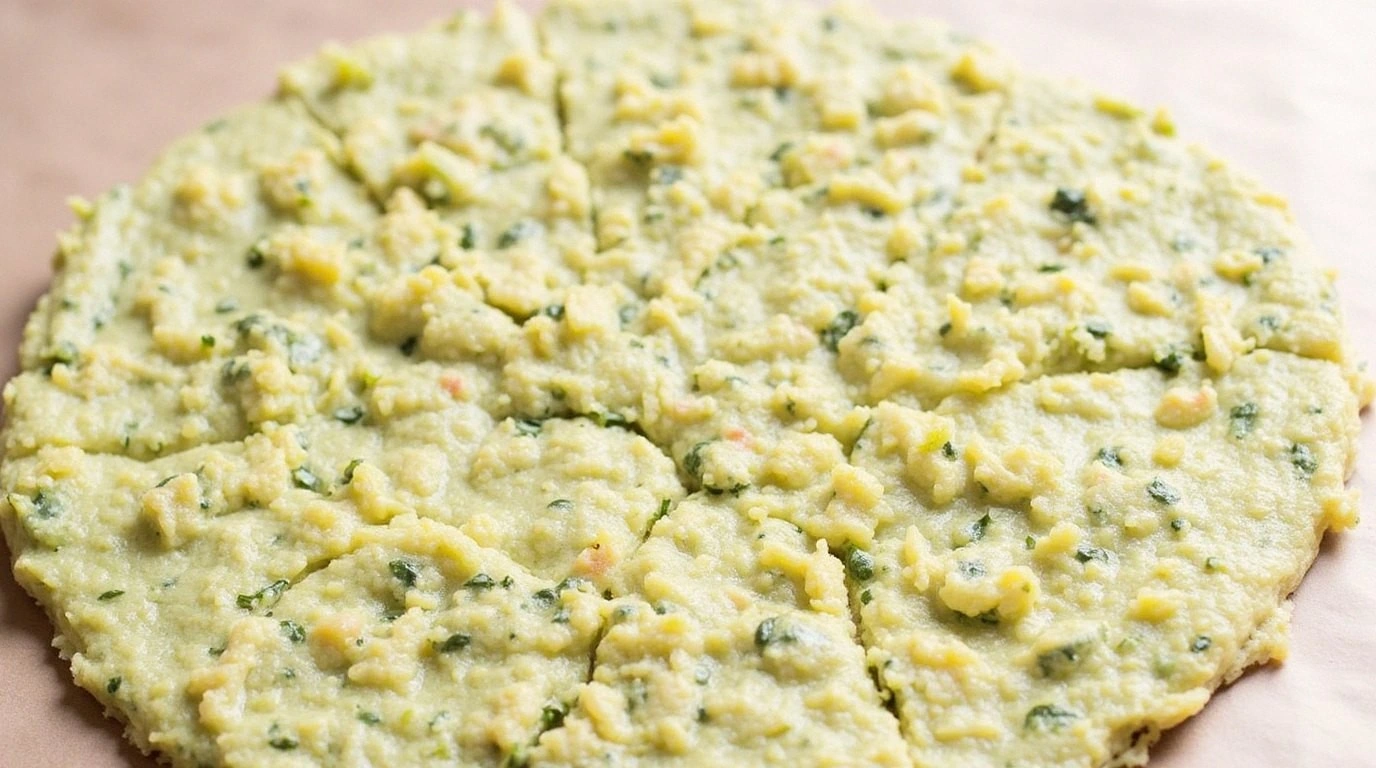
The Method — Step by Step
- Preheat your oven to 400°F (200°C). Line a baking sheet with parchment paper to prevent sticking. This is the moment of truth—if you skip preheating, the flatbread won’t develop that coveted golden crust.
- In a large bowl, whisk together the flour, baking powder, and salt until fully combined. This dry mix ensures the leavening agents are evenly distributed. The aroma of the flour will start to mingle with the garlic powder, teasing your senses.
- Add the cottage cheese, water, olive oil, and garlic powder to the dry mixture. Stir until a sticky dough forms. The dough should feel slightly tacky but manageable; if it’s too wet, add a tablespoon of flour at a time.
- Transfer the dough onto a floured surface and knead gently for 30 seconds. This short kneading process develops a bit of gluten, giving the flatbread structure without making it tough. The dough will look smooth and elastic, like a well‑lubed rubber band.
- Roll the dough out to a thickness of about 1/4 inch (6 mm). If the dough resists, let it rest for a minute before rolling again. This step is crucial; a too-thick dough will be dense, a too-thin one will tear.
- Place the rolled dough onto the prepared baking sheet. Use a fork to prick the surface lightly—this prevents bubbling and keeps the flatbread flat.
- Sprinkle the fresh parsley and black pepper over the top, then drizzle a little more olive oil if desired. This adds a burst of color and flavor. The flatbread will look inviting, ready to be baked to perfection.
- Bake for 18–20 minutes, or until the edges turn golden brown and the center is set. The first sizzle you hear is the sign that the crust is forming; the smell will be like toasted bread with a hint of cheese.
- Remove from the oven and let cool for 5 minutes before slicing. This resting period allows the interior to set, preventing a gummy bite. Slice into wedges and serve warm, perhaps with a side of fresh tomato salsa.
That's it— you did it. But hold on, I've got a few more tricks that'll take this to another level. The next section will give you insider tips that will elevate your flatbread from good to legendary.
Insider Tricks for Flawless Results
The Temperature Rule Nobody Follows
Many cooks bake at 375°F, but 400°F is the sweet spot for this flatbread. The higher heat creates a crisp crust while keeping the interior soft. If you’re using a convection oven, reduce the temperature by 25°F to prevent burning. I once baked at 375°F and the edges stayed pale; at 400°F, they were caramelized perfection.
Why Your Nose Knows Best
During baking, the aroma of the flatbread is a cue for doneness. When you smell a nutty, toasted scent, it means the crust is developing. If you’re unsure, insert a toothpick into the center; if it comes out clean, you’re done. My friend once overbaked for 25 minutes and the smell turned metallic—never again.
The 5-Minute Rest That Changes Everything
Letting the flatbread rest for 5 minutes after baking allows the steam to redistribute, preventing a gummy center. It also lets the cheese set, so you can slice without tearing. I used to cut straight away and the cheese ran everywhere; the rest period saved the day.
Add a Splash of Water Before Reheating
When reheating leftovers, add a teaspoon of water to the bottom of a skillet. Cover and heat for 2 minutes; the steam will revive the flatbread’s moisture. Without water, the flatbread becomes dry and chewy. This trick works for microwave reheating too—just wrap in a damp paper towel.
Use a Silicone Baking Mat
A silicone mat ensures even heat distribution and prevents sticking, especially if you’re using a non‑stick pan. It also makes cleanup a breeze—no more scrubbing stubborn cheese residue. I switched to silicone after a week of battling sticky pans.
Creative Twists and Variations
This recipe is a playground. Here are some of my favorite ways to switch things up:
Mediterranean Medley
Swap the parsley for chopped sun‑dried tomatoes and olives. Add a sprinkle of oregano before baking. The result is a savory, slightly briny flatbread that pairs perfectly with hummus.
Cheesy Jalapeño Burst
Fold in finely diced jalapeños and a handful of shredded cheddar. The heat from the jalapeños adds a subtle kick, while the cheddar gives extra gooeyness. Serve with a side of lime‑y yogurt dip.
Herb‑Infused Vegan
Replace the cottage cheese with a mixture of chickpea flour and water, seasoned with nutritional yeast. Add fresh basil and thyme. This version is dairy‑free and still delivers a satisfying crunch.
Savory Sweet Fusion
Mix in a tablespoon of honey and a pinch of cinnamon before baking. The sweetness contrasts beautifully with the tangy cheese. Top with a drizzle of maple syrup for an indulgent treat.
Breakfast Boost
Fold in diced cooked bacon and a sprinkle of chives. This savory flatbread is perfect for a brunch spread, served alongside eggs and fresh fruit.
Spicy Chipotle Twist
Add a tablespoon of chipotle in adobo sauce to the dough for a smoky, spicy flavor. The chipotle’s heat lingers, making it a great accompaniment to tacos or grilled meats.
Storing and Bringing It Back to Life
Fridge Storage
Cool the flatbread completely, then wrap tightly in plastic wrap and store in the fridge for up to 4 days. The crust may soften slightly, but the interior remains moist. A quick tip: place a paper towel inside the wrap to absorb excess moisture.
Freezer Friendly
Wrap individual slices in parchment paper and place them in a freezer bag. Freeze for up to 3 months. When ready to eat, thaw at room temperature for 20 minutes before reheating.
Best Reheating Method
Reheat in a preheated oven at 350°F (175°C) for 8–10 minutes, or until the edges are crisp again. For a quick snack, microwave on medium for 30 seconds, then finish in a skillet with a splash of water. The splash of water creates steam that restores moisture without drying out the cheese.
Serving Suggestions
Serve these flatbreads warm as an appetizer with a bowl of marinara or a creamy dip. They also make an excellent base for a quick pizza—top with sauce, cheese, and your favorite toppings, then bake for another 5 minutes. For a light lunch, slice into strips and pair with a fresh cucumber salad. The versatility of this flatbread is its greatest strength.