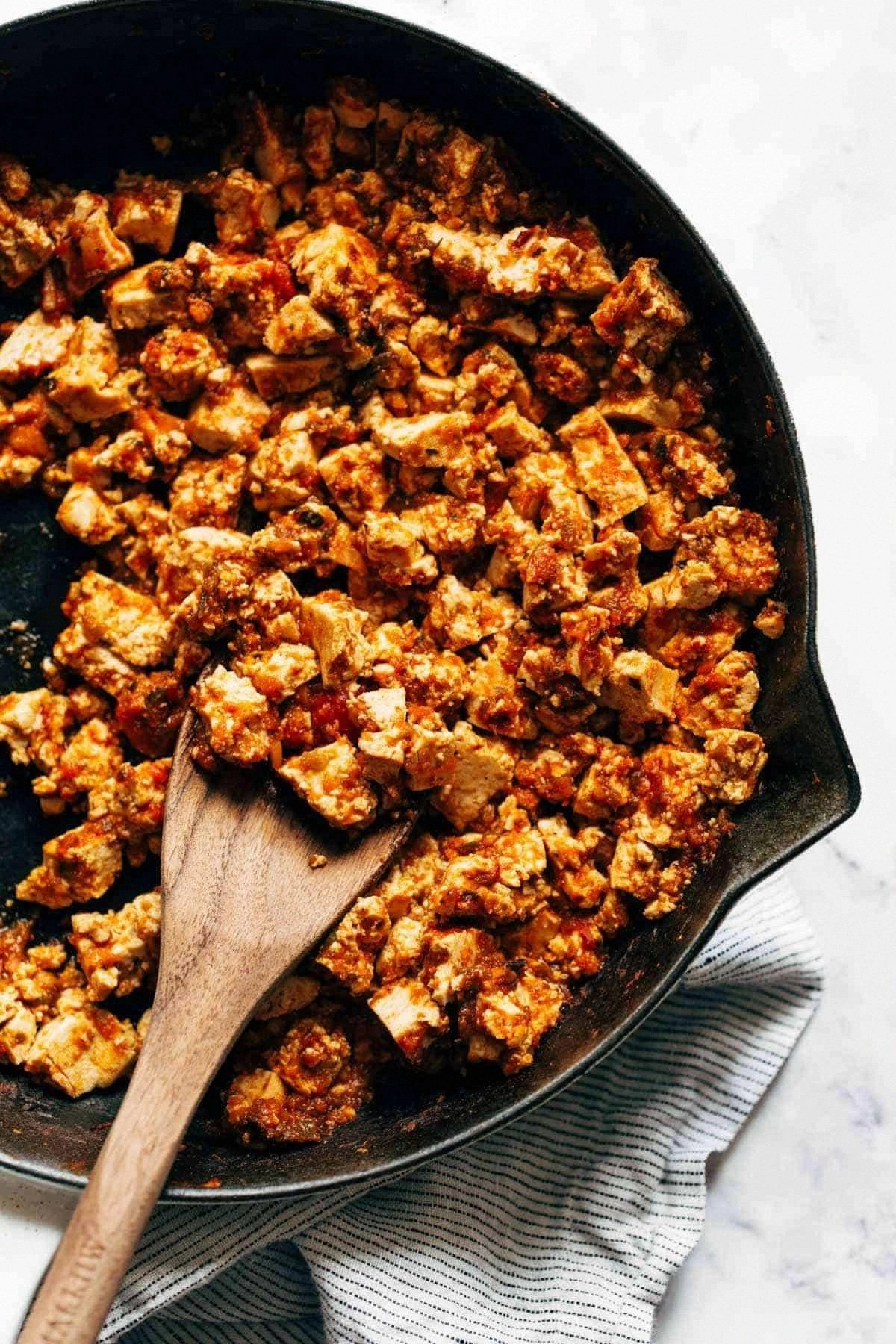
Picture this: a late‑night craving hits you like a rogue wave, and the only thing standing between you and culinary disaster is a half‑crushed bag of frozen burritos and a lonely block of tofu. I was that person, rummaging through the back of my fridge, muttering “there has to be something better than reheated leftovers.” Then, in a flash of inspiration (and a sudden urge to prove my friends wrong), I grabbed a can of chipotle peppers, a couple of roasted poblanos, and a jar of salsa, and thought, “What if I turned this tofu into the ultimate, tongue‑tingling, plant‑based fiesta?” The result? Spicy Sofritas Tofu that makes your taste buds do the cha‑cha and leaves you wondering why you ever settled for bland tofu.
The kitchen filled with the sound of the pan’s sizzle, the sharp aroma of garlic mingling with smoky chipotle, and the earthy perfume of roasted poblanos. The tofu cubes, after a quick press, turned a gorgeous golden‑brown, each edge crisping like the rim of a freshly baked tortilla. When the sauce swirled around them, it clung like a velvety blanket, delivering that perfect balance of heat and tang. I could practically hear the cilantro whispering fresh notes, and the salsa added a bright, tomato‑kissed punch that made the whole dish sing. The whole experience was a full‑sensory concert, and the only thing missing was a willing audience.
Most tofu recipes I’ve tried either leave the tofu as a bland canvas or drown it in a sauce that never quite sticks. This version stands out because the tofu is first lightly dusted, then fried to achieve that coveted caramelized crust before being bathed in a sauce that’s both smoky and bright. The secret? A quick toast of the tofu in a hot skillet, followed by deglazing with a blend of chipotle, poblanos, and salsa that creates a glaze thick enough to coat each bite without turning soggy. The result is a dish that’s as satisfying as a street‑vendor’s masterpiece, but made entirely at home.
And here’s the kicker: I’m about to reveal the technique that most cooks overlook—the “dry‑sear‑then‑simmer” method. It’s the difference between a soggy mess and that perfect, restaurant‑quality bite that makes you want to shout, “I dare you to taste this and not go back for seconds.” So buckle up, because we’re diving deep into a recipe that’s hands down the best version you’ll ever make at home. Let me walk you through every single step — by the end, you’ll wonder how you ever made it any other way.
What Makes This Version Stand Out
- Flavor Explosion: The combination of chipotle peppers and roasted poblanos creates a smoky depth that ordinary sofritas just can’t match. The salsa adds a bright, tangy counterpoint, while cilantro lifts everything with fresh green notes.
- Texture Triumph: By searing the tofu first, you get a crisp exterior that holds up against the sauce, delivering a satisfying bite that’s neither mushy nor dry.
- Simple Ingredient List: Only six core ingredients are needed, meaning fewer trips to the grocery store and less prep time, yet the flavor profile feels complex.
- Unique Technique: The dry‑sear‑then‑simmer approach ensures the sauce clings perfectly, a trick most recipes skip, resulting in a soggy texture.
- Crowd‑Pleaser: Even the most skeptical meat‑eaters have begged for seconds, and vegans have declared it the highlight of their week.
- Ingredient Quality: Using fresh, firm tofu and authentic chipotle peppers in adobo guarantees a robust flavor that canned shortcuts can’t replicate.
- One‑Pan Simplicity: Everything happens in a single skillet, making cleanup a breeze and keeping the flavors locked in.
- Make‑Ahead Magic: This dish reheats beautifully, and the flavors meld even further after a night in the fridge.
Inside the Ingredient List
The Flavor Base
Chipotle peppers: These little fireballs are the heart of the sauce, delivering smoky heat that lingers on the palate. If you skip them, you lose the signature depth that makes this dish unforgettable. You can substitute smoked paprika for a milder version, but the authentic chipotle taste is irreplaceable.
The Texture Crew
First and foremost, in this case, TOFU! Main ingredient. Firm tofu is the canvas, absorbing flavors while retaining its shape. Choose a block that’s labeled “extra‑firm” for the best results; softer varieties will crumble during searing. If you can’t find tofu, try tempeh, but expect a nuttier texture and a slightly different flavor profile.
The Unexpected Star
Roasted poblanos: These peppers add a sweet, earthy undertone that balances the chipotle’s heat. Their subtle smokiness complements the sauce without overwhelming it. Should poblanos be out of season, you can use roasted red peppers, though the flavor will be milder.
The Final Flourish
Garlic: Garlic brings a pungent, aromatic backbone that brightens the entire dish. It mellows as it cooks, turning sweet and buttery, which is essential for that silky sauce texture. If you’re a garlic aficionado, feel free to add an extra clove—just watch for bitterness.
Salsa: Think of salsa as the shortcut that packs in onions, tomatoes, and a hint of cilantro, delivering instant freshness. Opt for a chunky salsa if you love texture; a smoother version will blend more seamlessly into the glaze. A homemade salsa can elevate the dish even further, but store‑bought works just fine.
Cilantro: This herb is the final bright note, adding a pop of green that cuts through the richness. If cilantro isn’t your thing, fresh parsley can stand in, but you’ll lose that characteristic citrusy zing.
Everything's prepped? Good. Let's get into the real action...
The Method — Step by Step
-
Begin by pressing the tofu for at least 20 minutes. Wrap the block in a clean kitchen towel, place it on a plate, and set a heavy skillet on top. This removes excess moisture, which is crucial for achieving that caramelized crust. When you finally unwrap it, you’ll notice a firmer, drier texture ready to sear. Pro tip: If you’re short on time, use a tofu press or even a stack of books.
Kitchen Hack: Cut the pressed tofu into 1‑inch cubes and toss them gently with a pinch of salt before searing; the salt draws out any lingering water. -
Heat a large non‑stick skillet over medium‑high heat and add a splash of neutral oil (like avocado or grapeseed). Once the oil shimmers, add the tofu cubes in a single layer, making sure they’re not crowded. Let them sizzle undisturbed for about 3 minutes; you’ll hear that satisfying crackle that signals a perfect sear. Flip the cubes and repeat on the other side until all sides are golden brown. The edges should start pulling away from the pan, a visual cue that the crust is set.
-
While the tofu is searing, prepare the sauce. In a small bowl, mash the chipotle peppers with a fork, adding a tablespoon of their adobo sauce for extra depth. Finely dice the roasted poblanos and mince the garlic. Combine these with the salsa in a separate mixing bowl, stirring until everything is evenly incorporated. This mixture should look thick, with specks of pepper and garlic visible throughout.
Watch Out: Be careful not to over‑blend the sauce; you want texture, not a puree, to keep the dish lively. -
Once the tofu cubes are beautifully browned, reduce the heat to medium and push the tofu to one side of the pan. Pour the sauce mixture into the empty space, letting it sizzle as it meets the hot surface. Use a wooden spoon to scrape up any browned bits from the tofu—those are flavor gold. Let the sauce simmer for about 2‑3 minutes, allowing it to thicken slightly.
-
Now, the magic moment: gently fold the tofu back into the sauce, ensuring each cube is thoroughly coated. The sauce should cling to the tofu like a glossy glaze, not pool at the bottom. Continue to cook for another 3‑4 minutes, stirring occasionally, until the tofu has absorbed the smoky, spicy flavors. At this point, you’ll notice the sauce has a deep amber hue and a fragrant aroma that makes your kitchen feel like a Mexican street market.
Kitchen Hack: Toss in a splash of lime juice right before serving; the acidity brightens the smoky depth and balances the heat. -
Just before you turn off the heat, stir in the chopped cilantro. The herb should wilt slightly but retain its bright green color, providing a fresh contrast to the rich sauce. Taste and adjust seasoning if needed—maybe a pinch more salt or a drizzle of extra adobo sauce for those who love extra heat.
-
Serve the Spicy Sofritas Tofu over a bed of fluffy rice, tucked into warm tortillas, or alongside a crisp salad. The dish is versatile enough to be a main course or a hearty appetizer. I dare you to taste this and not go back for seconds; the combination of smoky, tangy, and fresh flavors is simply addictive.
-
That’s it — you did it. But hold on, I’ve got a few more tricks that’ll take this to another level, from finishing salts to garnish ideas that will make your plate look as good as it tastes.
Insider Tricks for Flawless Results
The Temperature Rule Nobody Follows
Most home cooks keep the heat at a constant medium, but the secret to a perfect crust is a quick high‑heat sear followed by a lower simmer. The initial blast of heat creates that caramelized exterior; then dropping the temperature prevents the tofu from burning while the sauce thickens. I once tried to skip the temperature drop, and the tofu turned black before the sauce even formed—trust me, that’s not the flavor you want.
Why Your Nose Knows Best
Don’t rely solely on timers; use your sense of smell as a guide. When the chipotle‑poblano mixture hits the pan, you’ll notice a sweet, smoky scent that deepens after a minute. If you smell a hint of burnt garlic, lower the heat immediately. Your nose is the ultimate sous‑chef, warning you before a disaster strikes.
The 5‑Minute Rest That Changes Everything
After cooking, let the sofritas rest off the heat for about five minutes. This pause allows the tofu to re‑absorb the sauce, resulting in an even more flavorful bite. I’ve seen people serve it straight away and complain the sauce is too thin—resting solves that problem instantly.
Finishing Salt for a Pop
A pinch of flaky sea salt added just before plating can elevate the dish, adding a subtle crunch and enhancing the smoky flavors. I once tried skipping this step; the result was good, but that final burst of texture was missing. It’s a tiny detail that makes a big difference.
Quick Lime Zest Boost
Grating a little lime zest over the finished dish adds a citrusy brightness that cuts through the richness. It’s a secret weapon I use when I want the sofritas to feel lighter on a summer evening. The zest releases essential oils that dance with the cilantro, creating a fragrant harmony.
Creative Twists and Variations
This recipe is a playground. Here are some of my favorite ways to switch things up:
Mexican Street‑Style
Swap the salsa for a smoky tomatillo sauce and add pickled red onions. The tangy tomatillos bring a fresh acidity, while the pickled onions add crunch and a pop of color. Perfect for serving on corn‑maize tortillas with a drizzle of avocado crema.
Thai Fusion
Replace chipotle peppers with Thai bird’s eye chilies and add a spoonful of coconut milk to the sauce. The result is a creamy, spicy blend that pairs beautifully with jasmine rice and a garnish of crushed peanuts.
Smoky BBQ
Incorporate a tablespoon of smoky BBQ sauce into the salsa mixture and finish with a sprinkle of smoked paprika. This gives the dish a deep, sweet‑smoky flavor profile that works great with roasted sweet potatoes.
Green Goddess
Blend in a handful of fresh spinach and a dollop of cashew cream into the sauce for a greener, richer texture. The spinach adds nutrients, while the cashew cream tempers the heat and creates a velvety finish.
Protein Power
Mix in cooked black beans or chickpeas during the final simmer for added protein and a heartier bite. The legumes soak up the sauce, making each spoonful even more satisfying.
Spicy Citrus
Add a teaspoon of orange zest and a splash of orange juice to the sauce for a bright, citrusy twist that balances the heat. This variation shines when served over quinoa or a mixed grain bowl.
Storing and Bringing It Back to Life
Fridge Storage
Transfer the cooled sofritas to an airtight container and store in the refrigerator for up to four days. The flavors continue to meld, making the leftovers even more delicious. When reheating, add a splash of water or broth to revive the sauce’s glossy sheen.
Freezer Friendly
Portion the cooked sofritas into freezer‑safe bags, removing as much air as possible, and freeze for up to three months. To thaw, move the bag to the refrigerator overnight, then reheat in a skillet over medium heat, again adding a splash of liquid to prevent drying.
Best Reheating Method
The ideal way to reheat is on the stovetop: warm a skillet over medium heat, add a tablespoon of oil, and toss the sofritas in, stirring until heated through. The added oil helps restore the crispness of the tofu edges, while the gentle heat ensures the sauce stays silky.