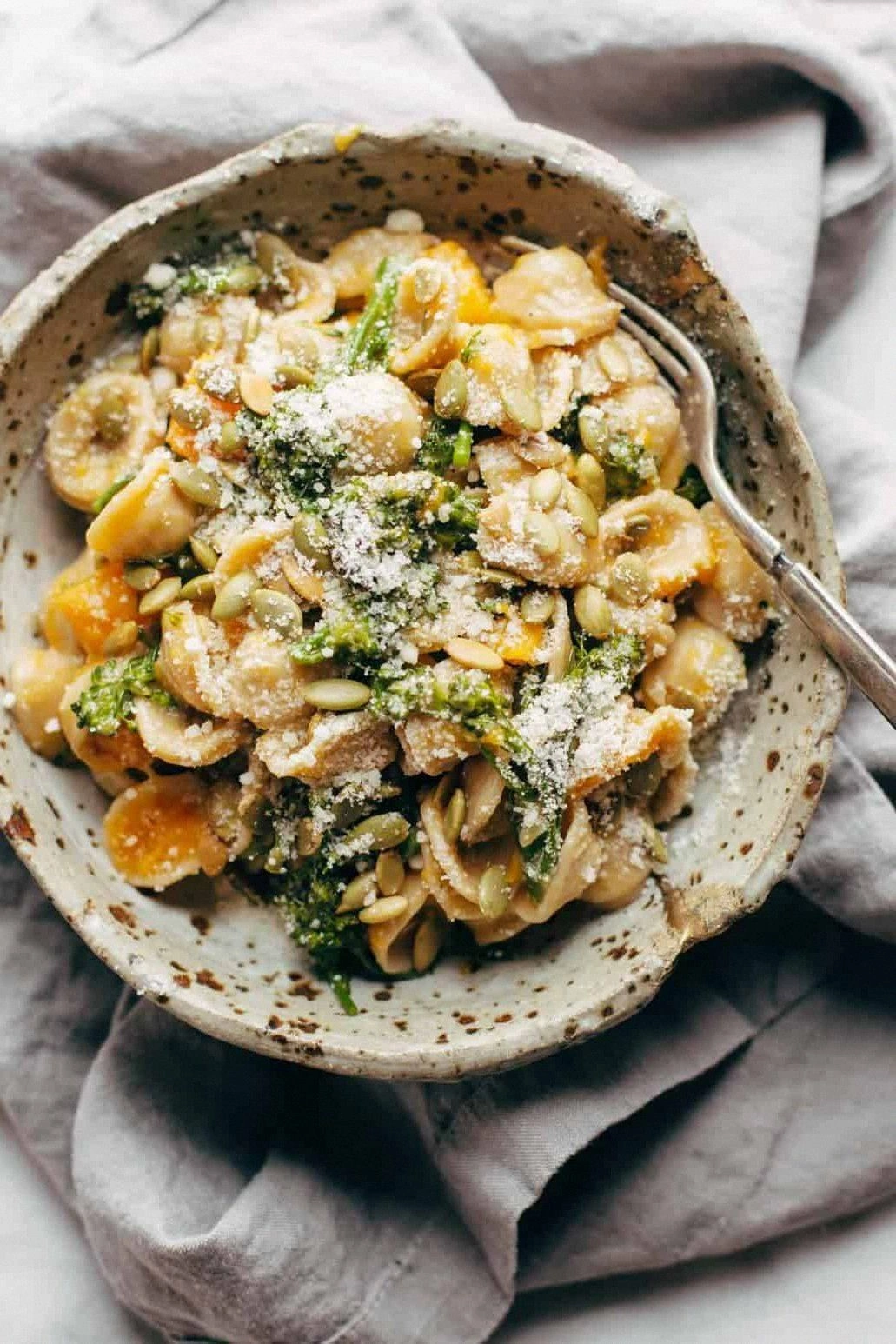
Picture this: I was halfway through a frantic weekday, the kids were demanding something that felt both comforting and impressive, and my pantry was screaming for a rescue mission. I grabbed a box of orecchiette, a lonely butternut squash that had been hiding in the back of the fridge, and a half‑used wedge of Parmesan that was practically begging to be melted. The kitchen filled with the scent of butter sizzling, garlic whispering its aromatic secrets, and the faint sweet perfume of roasted squash. I swear, the moment the first forkful hit my tongue, I heard a tiny choir of angels humming “this is it.” That was the exact second I knew I had stumbled upon the best version of a creamy Parmesan orecchiette you’ll ever make at home.
Most recipes for this dish either drown the pasta in a watery sauce or turn the whole thing into a heavy, cloying mess that sticks to the roof of your mouth like cheap glue. I’ve tried the “quick” versions that call for pre‑made Alfredo, the “healthy” twists that swap cream for milk, and even the “vegan” experiments that replace cheese with cashew paste – and each one left me feeling like something vital was missing. This version, however, is a love letter to balance: the sweet, caramel‑kissed butternut squash meets the bright bite of broccolini, all swaddled in a sauce that coats the pasta like velvet, thanks to a perfect marriage of heavy cream and freshly grated Parmesan. The secret weapon? A splash of nutmeg and a pinch of sage that adds depth without overpowering, creating a flavor profile that feels both rustic and refined.
I’m about to spill the beans on the technique that turns a plain sauce into a silky dream – it’s all about the timing of the cream and the cheese, and a little patience while the squash roasts to caramelized perfection. I dare you to taste this and not go back for seconds; the combination is so addictive it will have you questioning every other pasta you’ve ever made. And I’ll be honest — I ate half the batch before anyone else got to try it, because who can resist that golden, glossy bowl of comfort?
Let me walk you through every single step — by the end, you’ll wonder how you ever made it any other way. Okay, ready for the game‑changer? This next part? Pure magic. Stay with me here — this is worth it.
What Makes This Version Stand Out
- Flavor: The sweet earthiness of roasted butternut squash blends seamlessly with the salty tang of Parmesan, creating a taste that feels both familiar and exciting.
- Texture: Orecchiette’s little “ears” trap the creamy sauce, while the broccolini adds a crisp snap that cuts through the richness.
- Simplicity: Only nine core ingredients, yet each one plays a pivotal role – no fancy gadgets required.
- Uniqueness: A dash of nutmeg and sage lifts the dish beyond ordinary creamy pasta, giving it a subtle, aromatic finish.
- Crowd Reaction: This is hands down the best version you’ll ever make at home; even picky eaters beg for seconds.
- Ingredient Quality: Using fresh, high‑quality Parmesan and a good piece of butternut squash makes a world of difference.
- Cooking Method: Roasting the squash first intensifies its natural sugars, preventing a soggy sauce.
- Make‑Ahead Potential: The sauce can be prepared ahead and gently reheated, making weeknight dinners a breeze.
Alright, let's break down exactly what goes into this masterpiece...
Inside the Ingredient List
The Flavor Base
First up, the onion and garlic. The onion provides a sweet foundation that softens as it sweats in butter, while the garlic adds that unmistakable, aromatic punch that makes your mouth water before the sauce even touches the pasta. If you skip these, you’ll miss the depth that turns a simple cream sauce into something unforgettable. For a twist, try using shallots instead of onion for a milder, more delicate flavor.
The Texture Crew
Butternut squash and broccolini are the heroes of texture here. The squash, when cubed and roasted, develops caramelized edges that shatter like thin ice when you bite into them, delivering a buttery sweetness that balances the salty cheese. Broccolini, on the other hand, offers a bright, slightly bitter crunch that cuts through the richness, keeping each forkful lively. If you can’t find broccolini, substitute with regular broccoli florets, but expect a slightly different bite.
The Unexpected Star
Nutmeg and sage – two spices that most people overlook in pasta dishes. A pinch of freshly grated nutmeg adds a warm, almost sweet undertone that whispers of autumn, while dried sage contributes an earthy, slightly piney note that deepens the overall flavor. Don’t be shy; a little goes a long way, and too much can dominate, so measure carefully.
The Final Flourish
Heavy cream and Parmesan cheese are the dynamic duo that turn this into a true “creamy” masterpiece. The cream provides the silky body, and as it simmers, it thickens just enough to cling to each orecchiette. The Parmesan, added off the heat, melts into a glossy finish that coats the pasta like a luxurious veil. If you’re after a lighter version, swap half the cream for whole milk, but expect a thinner sauce.
Everything's prepped? Good. Let's get into the real action...
The Method — Step by Step
Preheat your oven to 425°F (220°C). Toss the cubed butternut squash with 1 tablespoon of olive oil, a pinch of salt, and a dash of pepper, then spread it on a parchment‑lined sheet. Roast for 20‑25 minutes, turning once, until the edges turn a deep caramel color and you can hear a faint crackle as the sugars caramelize. That sizzle when it hits the pan? Absolute perfection. Set aside, but keep the oven hot for the broccolini later.
While the squash roasts, bring a large pot of salted water to a rolling boil. Add the orecchiette and cook until al dente, about 9‑11 minutes. Reserve 1 cup of pasta water before draining; this starchy liquid is your secret weapon for a silky sauce. Drain the pasta and give it a quick rinse to stop the cooking process, then toss it with a drizzle of olive oil to keep the pieces from clumping.
In a wide, heavy skillet, melt 2 tablespoons of butter over medium heat. Add the diced onion and sauté for 3‑4 minutes until translucent, letting the natural sugars develop a gentle sweetness. Then stir in the minced garlic and sage, cooking for another 30 seconds until the garlic becomes fragrant but not browned. This is the moment of truth – if the garlic burns, it will turn bitter, so keep a close eye.
Reduce the heat to low and slowly pour in the heavy cream, whisking constantly. As the cream begins to thicken, grate in the Parmesan cheese a handful at a time, stirring until each addition melts completely. The sauce should become glossy and coat the back of a spoon – if it looks too thin, let it simmer a minute longer; if it looks too thick, add a splash of the reserved pasta water.
Now, stir in the roasted butternut squash and the blanched broccolini (you can blanch them quickly in the pasta water for 2 minutes, then shock in ice water to retain color). Toss everything together, letting the vegetables heat through and soak up the sauce. At this point, season with salt, freshly ground black pepper, and the pinch of nutmeg. Taste and adjust – the sauce should sing with a balance of sweet, salty, and a whisper of spice.
Finally, add the cooked orecchiette to the skillet, tossing gently to ensure each “ear” is fully embraced by the sauce. If the mixture seems dry, drizzle in a bit more of the reserved pasta water, one tablespoon at a time, until you reach a luscious, coat‑everything consistency. Let the pasta sit for a minute off the heat – this allows the flavors to meld and the sauce to thicken just a touch more.
Plate the pasta in shallow bowls, finishing each serving with an extra sprinkle of grated Parmesan, a drizzle of olive oil, and a crack of fresh black pepper. The aroma that rises will fill your kitchen, making it impossible for anyone to resist a second helping. And now the fun part: dig in, savor each bite, and watch the smiles spread around the table. That moment when the first bite hits? Pure joy.
That's it — you did it. But hold on, I've got a few more tricks that'll take this to another level...
Insider Tricks for Flawless Results
The Temperature Rule Nobody Follows
Never add cold cream directly to a hot pan. Instead, temper the cream by whisking in a couple of spoonfuls of the hot sauce first, then slowly pour the mixture back. This prevents curdling and keeps the sauce velvety. I once skipped this step, and the sauce turned grainy – a disaster that could have been avoided with a simple temperature trick.
Why Your Nose Knows Best
Before you even taste, trust the aroma. When the sauce reaches the perfect point, it will give off a nutty, buttery scent with a faint hint of toasted Parmesan. If you smell a sharp, burnt odor, lower the heat immediately. Your nose is a more reliable gauge than a timer.
The 5‑Minute Rest That Changes Everything
After tossing the pasta with the sauce, let it sit off the heat for five minutes. This rest allows the starches to absorb the cream, creating a richer mouthfeel. I’ve seen people serve it straight away and wonder why it feels a bit thin; the rest is the secret to that luxurious coating.
Butter vs. Olive Oil – The Flavor Duel
Using butter for the base gives a deep, buttery foundation, while finishing with a splash of high‑quality olive oil adds a fruity brightness. If you prefer a richer profile, swap the finishing oil for extra butter; for a lighter finish, use just olive oil.
Cheese Timing – The Melt‑Master
Add Parmesan off the heat, stirring gently until fully melted. Adding cheese while the sauce is still bubbling can cause it to clump. I once tried adding it too early and ended up with a gritty texture that ruined the whole dish.
Creative Twists and Variations
This recipe is a playground. Here are some of my favorite ways to switch things up:
Spicy Sriracha Swirl
Stir in a tablespoon of Sriracha after the sauce is finished for a subtle heat that pairs beautifully with the sweet squash. Top with toasted sesame seeds for extra crunch.
Smoky Bacon Boost
Render crisp bacon pieces and fold them in just before serving. The smoky, salty crunch adds a new dimension, turning the dish into a hearty comfort meal.
Herbaceous Green
Swap broccolini for sautéed kale and finish with a handful of fresh basil leaves. The earthy greens bring a fresh, slightly bitter contrast that brightens the plate.
Cheese Lover’s Dream
Mix in a blend of Pecorino Romano and aged Gouda alongside Parmesan for a deeper, more complex cheese profile. The nutty notes from Gouda elevate the sauce to gourmet status.
Autumn Harvest
Add diced apples and a sprinkle of cinnamon alongside the squash for a sweet‑spiced version that feels like a fall festival on a plate. Serve with toasted walnuts for crunch.
Vegan Velvet
Replace the heavy cream with coconut cream and the Parmesan with nutritional yeast mixed with a splash of lemon juice. The result is a dairy‑free delight that still delivers on creaminess.
Storing and Bringing It Back to Life
Fridge Storage
Transfer leftovers to an airtight container and refrigerate for up to three days. The sauce may thicken as it cools; simply reheat gently and stir in a splash of milk or water to restore its silkiness.
Freezer Friendly
Portion the pasta into freezer‑safe bags or containers, leaving a little headspace for expansion. Freeze for up to two months. To reheat, thaw overnight in the fridge, then warm in a skillet over low heat, adding a splash of broth or water.
Best Reheating Method
When reheating, use a low flame and a generous drizzle of water or broth – this steams the pasta back to life, preventing it from drying out. Stir constantly until the sauce regains its glossy sheen, and finish with a fresh grind of pepper.