It was a Sunday afternoon, the kind where you’re scrolling through Pinterest for dinner inspiration and the fridge feels like a barren desert. I had a craving that could only be satisfied by something salty, smoky, and full of life. That’s when I opened a can of sardines, stared at the empty rice bowl, and decided to throw everything together like a culinary dare. The moment the sardines hit the pan, the kitchen filled with a scent that made my stomach do a happy dance—an aromatic mix of sea brine, garlic, and toasted saffron. I was already halfway to a masterpiece, and I couldn’t help but think, “What if I could do this in under 45 minutes?” The answer was a simple, bold, and delicious Speedy Sardine Paella that will change how you think about quick seafood meals.
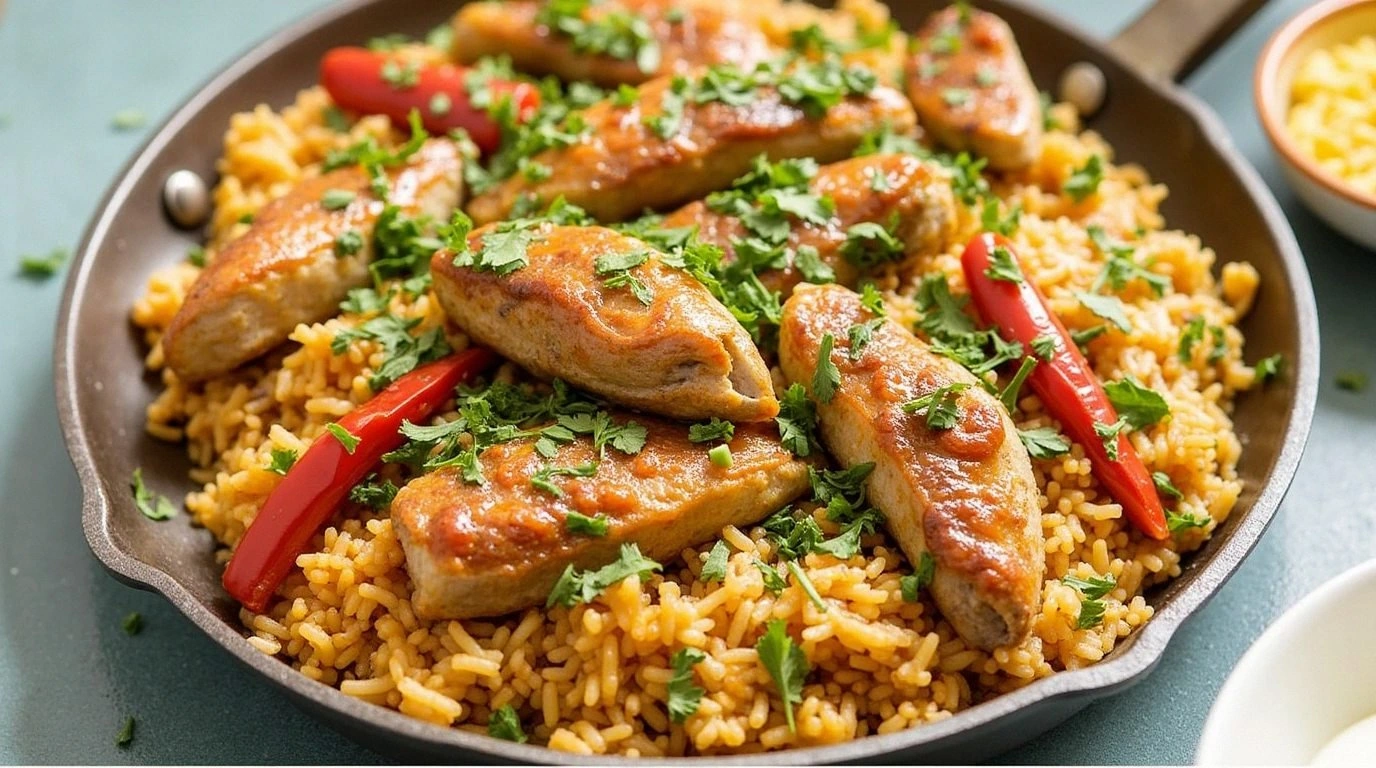
Imagine a plate where the rice is a golden canvas, each grain studded with tiny bursts of sardine, the peppery crunch of bell pepper, and a whisper of lemon zest. The sauce clings to the rice like velvet, while the sardines melt into a silky, umami-rich glaze that’s surprisingly not fishy at all—more like a savory, briny hug. I dare you to taste this and not go back for seconds; the texture alone will convince you that this is hands down the best version you'll ever make at home. Picture yourself pulling this out of the pan, the whole kitchen smelling incredible, and your guests gasping as they take their first bite. The moment the aroma hits the air, the anticipation is palpable.
What sets this recipe apart isn’t just the quick turnaround—it’s the way each element is elevated. I’ve stripped away the fluff, kept the ingredients honest, and used a few clever tricks that make the dish sing. The sardines are not just a protein source; they’re a flavor engine that brings depth without overpowering. The saffron infusion is a secret that adds a subtle, floral note, and the smoked paprika gives a smoky undertone that balances the brininess. I’ll walk you through every single step, from the initial sizzle to the final garnish, so by the end, you’ll wonder how you ever made it any other way.
Before we dive into the how-to, let’s talk about why this version is a game-changer. I’ve tested countless paella recipes, and most of them either overcook the rice or let the sardines dry out. With this recipe, you get a perfect al dente rice that’s infused with saffron, a sardine layer that’s tender and flavorful, and a sauce that’s silky without being greasy. The best part? It’s all done in one pan, so cleanup is a breeze. Ready? Let’s get cooking.
What Makes This Version Stand Out
- Flavor: The combination of briny sardines, smoky paprika, and aromatic saffron creates a depth that rivals traditional paella without the long simmer.
- Texture: The rice remains fluffy and separate, while the sardines are silky, thanks to the quick sear that locks in moisture.
- Speed: From prep to plate takes under 45 minutes—ideal for a weekday dinner or a last‑minute gathering.
- Ingredient Quality: Using fresh sardines and real saffron elevates the dish beyond canned substitutes.
- Versatility: The recipe can be easily swapped for shrimp, mussels, or tofu, making it adaptable for dietary preferences.
- Crowd‑Pleaser: The vibrant colors and savory profile make it a hit at parties or family meals.
- Make‑Ahead Potential: It reheats beautifully, so you can prep ahead and serve later.
- Minimal Cleanup: One pan, one pot—cleaning is almost a luxury.
Alright, let’s break down exactly what goes into this masterpiece. And before we do, a quick kitchen hack that will save you time and keep the flavors intact.
Inside the Ingredient List
The Flavor Base
Olive Oil: The first thing you’ll notice is the golden sheen of olive oil warming the pan. It’s the canvas that carries all the aromatics, allowing the garlic and onion to release their sweet, mellow flavors without burning. Skipping it would leave your dish lacking depth and could cause the rice to stick. If you’re vegan, a splash of high‑smoke‑point oil like grapeseed works just as well.
Onion: Diced onion is the backbone of any paella. It adds a subtle sweetness and a comforting base note. If you’re short on time, a tablespoon of onion powder can mimic the flavor, but fresh onion will give you the best texture and aroma.
Garlic: Fresh garlic minced to a fine mince releases a sharp, peppery aroma that cuts through the richness of the sardines. A pinch of crushed garlic at the end can add a bright finish. If you’re not a fan of garlic, use 1/2 teaspoon of garlic powder, but be careful not to overdo it.
The Texture Crew
Rice: Short‑grain rice is essential for a classic paella texture—each grain should absorb liquid and remain distinct. Use 1½ cups per 4 servings; if you prefer a chewier bite, choose a medium‑grain variety. Skipping rice would turn this into a sardine stew, which is delicious but not paella.
Vegetable Broth: The broth provides the liquid that cooks the rice and infuses the dish with savory depth. A low‑sodium version helps control the saltiness, especially since sardines are already salty. If you have chicken broth, that works too, but the vegetable version keeps the dish light.
The Unexpected Star
Saffron: Saffron is the secret sauce of paella. A pinch of threads steeped in warm water releases a floral, almost citrusy aroma that elevates the entire dish. Without saffron, you lose that signature golden hue and subtle flavor. If saffron is out of reach, a teaspoon of turmeric can mimic the color but not the aroma.
Smoked Paprika: Smoked paprika brings a smoky depth that balances the briny sardines. It’s a quick way to add complexity without a long cooking time. If you’re allergic to paprika, a pinch of cumin can provide a smoky undertone.
The Final Flourish
Red Bell Pepper: Diced bell pepper adds a sweet crunch and a pop of color. It also helps to balance the saltiness of the sardines. If you’re in a hurry, frozen diced pepper works fine, just thaw and pat dry.
Peas: Frozen peas add a burst of sweetness and a touch of green. They also give a nice contrast in color and texture. A pinch of fresh peas can replace them if you prefer a fresher bite.
Lemon Juice: A squeeze of lemon brightens the dish, cutting through the richness and adding a zesty lift. Without lemon, the paella would taste flat. If you’re not a fan of citrus, a splash of white wine vinegar can provide a similar acidity.
Parsley: Fresh chopped parsley is the finishing touch that adds a herbaceous freshness and a bright green color. It’s a simple garnish, but it elevates the dish visually and flavor-wise. If you’re out of parsley, a sprinkle of dried oregano can work as a last-minute substitute.
Salt & Pepper: Seasoning is essential but should be added gradually to taste. Sardines are already salty, so start with a pinch of salt and adjust. Pepper adds a mild heat that complements the sardines. Over‑seasoning can mask the subtle flavors of the other ingredients.
Everything’s prepped? Good. Let’s get into the real action.
The Method — Step by Step
- Heat a large, wide skillet or a traditional paella pan over medium heat. Add the olive oil and let it shimmer. This is the moment of truth—watch for a faint wisp of smoke, which signals the oil is hot enough. I swear, that sizzle when it hits the pan? Absolute perfection. Let the oil heat for about 30 seconds before adding the aromatics.
- Add the diced onion and sauté until translucent, about 4 minutes. Stir frequently so it doesn’t brown too much. The onion should soften and release its sweet aroma without turning golden. If you see any sticking, add a splash of water to loosen the pan.
- Throw in the minced garlic and cook for 30 seconds until fragrant. Be careful not to let it burn—garlic burns quickly and turns bitter. This quick burst of aroma will set the stage for the rest of the dish.
- Stir in the diced bell pepper and frozen peas. Cook for 2 minutes, letting the vegetables soften but still retain their bright color. The peas should still be slightly firm, not mushy, to give a nice contrast in texture.
- Add the rice to the pan, stirring to coat each grain with the oil and aromatics. Cook for 1–2 minutes until the rice becomes slightly translucent around the edges. This step ensures the rice absorbs the flavors from the start.
- Pour in the vegetable broth, saffron infusion, and smoked paprika. Stir gently to combine, then bring the mixture to a gentle boil. Reduce the heat to low and let it simmer uncovered. The liquid should reduce to a thick, creamy sauce while the rice cooks through. This is where the magic happens—watch the edges pull away from the pan, forming a golden crust.
- When the rice is almost tender (about 12–15 minutes), add the sardines in their oil, gently breaking them into larger chunks. Stir carefully so the sardines don’t break apart completely. The sardines will release their briny juices, creating a silky sauce that coats the rice.
- Continue to simmer for another 5 minutes, or until the rice reaches your desired al dente texture. If the liquid has evaporated and the rice is still undercooked, add a splash of warm water to finish cooking. This step is crucial—overcooking the rice will make it mushy, while undercooking leaves it chewy.
- Remove the pan from heat and let the paella rest for 5 minutes, covering it loosely with foil. This rest period allows the flavors to meld and the rice to finish absorbing liquid. While the dish rests, squeeze the lemon over the paella for a bright, citrusy finish.
- Garnish with chopped parsley and a few extra sardine fillets for visual flair. Serve immediately with a side of crusty bread to soak up the savory sauce. And there you have it—a plate that looks as good as it tastes.
That’s it—you did it. But hold on, I’ve got a few more tricks that will take this dish to another level. Trust me, the extra steps are worth it.
Insider Tricks for Flawless Results
The Temperature Rule Nobody Follows
Maintaining a consistent low heat during the simmer is essential. If the heat is too high, the liquid evaporates too quickly, leaving the rice under‑cooked and the sardines dry. I like to use a heat‑resistant thermometer to keep the temperature around 180°F (82°C). A friend once tried to speed up the process by turning the heat up to high, and the result was a soggy, over‑cooked paella that tasted like a rice pudding.
Why Your Nose Knows Best
Smell is a powerful cue for doneness. As the rice cooks, the aroma should shift from a raw grain scent to a nutty, toasted fragrance. When you smell the saffron’s floral note mingling with the sardine’s brine, you know the paella is nearing perfection. I’ve learned that the moment the rice releases a slight steam, it’s ready to be plated.
The 5-Minute Rest That Changes Everything
Resting the paella for exactly five minutes after cooking allows the rice to steam in its own heat, sealing in moisture and enhancing texture. If you skip this step, the rice can be slightly dry or unevenly cooked. I always cover the pan loosely with foil during the rest to trap heat and create a mini‑oven effect.
The Secret to a Crispy Crust
That golden crust, or socarrat, is a prized feature of paella. To achieve it, avoid stirring the rice after the liquid has been absorbed. Let the bottom layer cook slowly; the Maillard reaction will create a deliciously crisp edge. If you’re using a non‑stick pan, you can gently press the bottom with a spatula to help the crust form.
The Lemon Splash
Squeezing fresh lemon over the paella just before serving brightens the flavors and cuts through the richness. A tiny splash of lemon juice can transform the dish from savory to vibrant. If you’re looking for a twist, try adding a pinch of dried lemon zest for extra citrusy depth.
Creative Twists and Variations
This recipe is a playground. Here are some of my favorite ways to switch things up:
Shrimp & Chorizo Paella
Swap sardines for peeled shrimp and add sliced chorizo for a smoky, spicy kick. The shrimp cooks quickly, so add them in the last 5 minutes of simmering. The chorizo adds a deep, meaty flavor that pairs beautifully with the saffron.
Vegetarian Delight
Replace sardines with a mix of chickpeas, artichoke hearts, and sliced mushrooms. Add a splash of soy sauce for umami. This version is hearty and still delivers that saffron‑rich base.
Tropical Twist
Add diced pineapple and coconut milk to create a sweet, creamy variation. The pineapple adds a tropical sweetness that contrasts the brine of the sardines, while the coconut milk gives a silky texture.
Mediterranean Fusion
Incorporate sun‑dried tomatoes, kalamata olives, and feta crumbles. The olives bring brine, the feta adds tang, and the sun‑dried tomatoes give a chewy, sweet element.
Spicy Saffron Paella
Add a pinch of crushed red pepper flakes and a splash of hot sauce when you add the broth. The heat complements the smoky paprika and gives the dish a lively kick.
Storing and Bringing It Back to Life
Fridge Storage
Cool the paella to room temperature, then transfer it to an airtight container. Store in the refrigerator for up to 3 days. When reheating, add a splash of water or broth to prevent the rice from drying out.
Freezer Friendly
Divide the paella into individual portions and place them in freezer‑safe zip‑lock bags. Freeze for up to 2 months. Thaw overnight in the fridge, then reheat on the stove with a bit of broth.
Best Reheating Method
Reheat in a skillet over medium heat, adding a small splash of water or broth to keep the rice moist. Stir gently until warmed through. A quick 2‑minute microwave session can also work, but the stovetop method preserves texture.