Picture this: I’m standing in my kitchen, the air thick with the scent of burnt garlic and the clatter of a pan, when my friend throws a challenge my way—“Make a meatball that will make even a carnivore weep for joy.” The moment I opened the box of tempeh, a wave of anticipation rolled over me like a warm tide, and I knew I’d just stumbled onto the ultimate plant‑based twist on a classic comfort dish. The sizzle that greeted me as the tempeh hit the hot oil was a promise of crisp edges that crackle like thin ice, while the aroma of miso and tomato paste unfurled into a savory bouquet that made my taste buds dance. I was determined to turn every bite into a symphony of umami, spice, and subtle sweetness, a dish that would have people reaching for seconds—and maybe even thirds. My kitchen, once a chaotic battleground of burnt onions, is now a stage for a culinary show where every ingredient plays its part. Let me walk you through every single step—by the end, you’ll wonder how you ever made it any other way.
The first thing that caught my eye was the texture of the tempeh—firm yet tender, a perfect canvas for the flavors I was about to paint on it. I diced it into bite‑sized cubes, letting each piece soak up a splash of soy sauce and a whisper of garlic powder, turning the bland into bold in just minutes. As I mixed the breadcrumbs with nutritional yeast and Italian seasoning, the mixture smelled like a toasted library of herbs, each grain promising a burst of flavor when bitten into. When the miso and tomato paste joined the party, they brought a depth that made the meatballs sing, a richness that would make any meat lover swoon. The fennel seeds added a subtle licorice note, a nod to classic Italian sausage that made this plant‑based version feel authentically indulgent. I felt a thrill, a spark of culinary rebellion, knowing I was about to create something that could stand shoulder‑to‑shoulder with any traditional meatball.
The secret to this version’s undeniable success? It’s in the balance of bold flavors and the meticulous attention to texture. I didn’t just toss everything together; I let each component mingle in its own rhythm, letting the tempeh soak, letting the breadcrumbs absorb, and letting the sauce coat. The result? Meatballs that are juicy inside, with a slightly caramelized crust that gives a satisfying crunch, all while maintaining a low‑fat profile that keeps the dish guilt‑free. Most recipes get this completely wrong, treating the tempeh like a bland filler, but I treated it like the star of the show, giving it the time and seasoning it deserved. Picture yourself pulling these out of the oven, the whole kitchen smelling incredible, and the first bite sending a wave of satisfaction through your palate. I dare you to taste this and not go back for seconds; I promise you won’t. This is hands down the best version you'll ever make at home, and I can't wait for you to try it.
What Makes This Version Stand Out
- Taste: The umami punch from miso and soy sauce pairs with the natural nuttiness of tempeh, creating a depth that feels both familiar and adventurous.
- Texture: The breadcrumbs soak to form a tender interior, while the pan sear delivers a crisp, golden crust that shatters like thin ice.
- Simplicity: With only ten ingredients, this recipe stays approachable yet flavorful, making it perfect for weeknight dinners.
- Uniqueness: The addition of fennel seeds and nutritional yeast gives a subtle spice and cheesy undertone that sets it apart.
- Crowd Reaction: Friends who are skeptical about plant‑based meals often rave about the “meat‑like” mouthfeel and robust flavor.
- Ingredient Quality: Using organic tempeh and fresh herbs elevates the dish, ensuring each bite is packed with nutrition.
- Cooking Method: A quick sear followed by a gentle simmer locks in juices without overcooking, preserving the meatballs’ integrity.
- Make‑Ahead Potential: These meatballs freeze well and reheat beautifully, making them ideal for meal prep or busy nights.
Inside the Ingredient List
The Flavor Base
Tempeh: The backbone of this dish, tempeh offers a firm texture that holds up during cooking and a nutty flavor that serves as a canvas for the sauce. It’s a powerhouse of protein and fiber, making the meatballs satisfying and nutritious. If you skip it, the dish loses its hearty bite and becomes more like a soup. For those who love a crunchier bite, choose a lightly toasted tempeh for extra texture. Buying tempeh in the refrigerated section ensures maximum freshness and a smoother texture.
Soy Sauce: This salty liquid brings depth and a savory undertone that complements the natural earthiness of tempeh. It also helps the breadcrumbs bind together, creating a cohesive mixture. Skipping soy sauce will result in a bland, flat flavor profile. If you’re watching sodium, use a low‑sodium version or reduce the quantity by a tablespoon. The key is to let the soy sauce seep into the tempeh before mixing, ensuring even seasoning.
The Texture Crew
Plain Breadcrumbs: These absorb the sauce, creating a moist interior that contrasts with the crisp exterior. They also act as a binder, holding the meatballs together during cooking. If you don’t have breadcrumbs, crushed rice crackers or finely ground oats work as great substitutes. For a gluten‑free version, opt for almond flour or a commercial gluten‑free breadcrumb blend. The breadcrumbs should be dry; a wet mixture will result in soggy meatballs.
Minced Parsley: Fresh parsley adds a bright, herbaceous note that lifts the dish. It also provides a splash of color, making the meatballs visually appealing. If you’re out of parsley, consider basil or cilantro for a different herbal twist. Parsley is also rich in vitamins K and C, which support overall health. Use fresh parsley rather than dried to preserve its flavor and nutrients.
The Unexpected Star
White Miso: A key player in this recipe, white miso brings a subtle sweetness and an intense umami flavor that elevates every bite. It’s lighter than dark miso, allowing the other flavors to shine without overpowering them. If you don’t have miso, a splash of tamari or soy sauce can substitute, but you’ll miss that unique depth. Miso also contains probiotics that support gut health, adding a nutritional bonus. Keep miso in its original container and store it in the fridge to maintain its flavor.
Nutritional Yeast: This vegan “cheese” powder adds a nutty, cheesy undertone that complements the tomato paste and miso. It also boosts the dish’s protein content and provides B vitamins. If you’re allergic or simply dislike the flavor, sprinkle a bit of grated Parmesan instead. Nutritional yeast is a staple in many vegan kitchens and is available in bulk for cost savings. Its subtle flavor makes it a versatile addition to many recipes.
The Final Flourish
Italian Seasoning: A blend of oregano, basil, thyme, and rosemary, this seasoning gives the meatballs a classic Italian aroma that feels comforting and familiar. It also balances the sweet and savory notes from miso and tomato paste. If you prefer a different herb profile, try a combination of sage and marjoram. Italian seasoning should be added in small amounts to avoid overpowering the dish. Store it in a cool, dark place to keep its essential oils fresh.
Garlic Powder, Fennel Seeds, Salt, and Pepper: These aromatics provide the backbone of flavor, cutting through the richness of the sauce and adding depth. Garlic powder offers a subtle, long‑lasting aroma that enhances every bite. Fennel seeds bring a hint of licorice that complements the Italian herbs. Salt and pepper are essential for seasoning balance; adjust them to taste. Together, they create a flavor profile that feels both hearty and refined.
Everything's prepped? Good. Let's get into the real action.
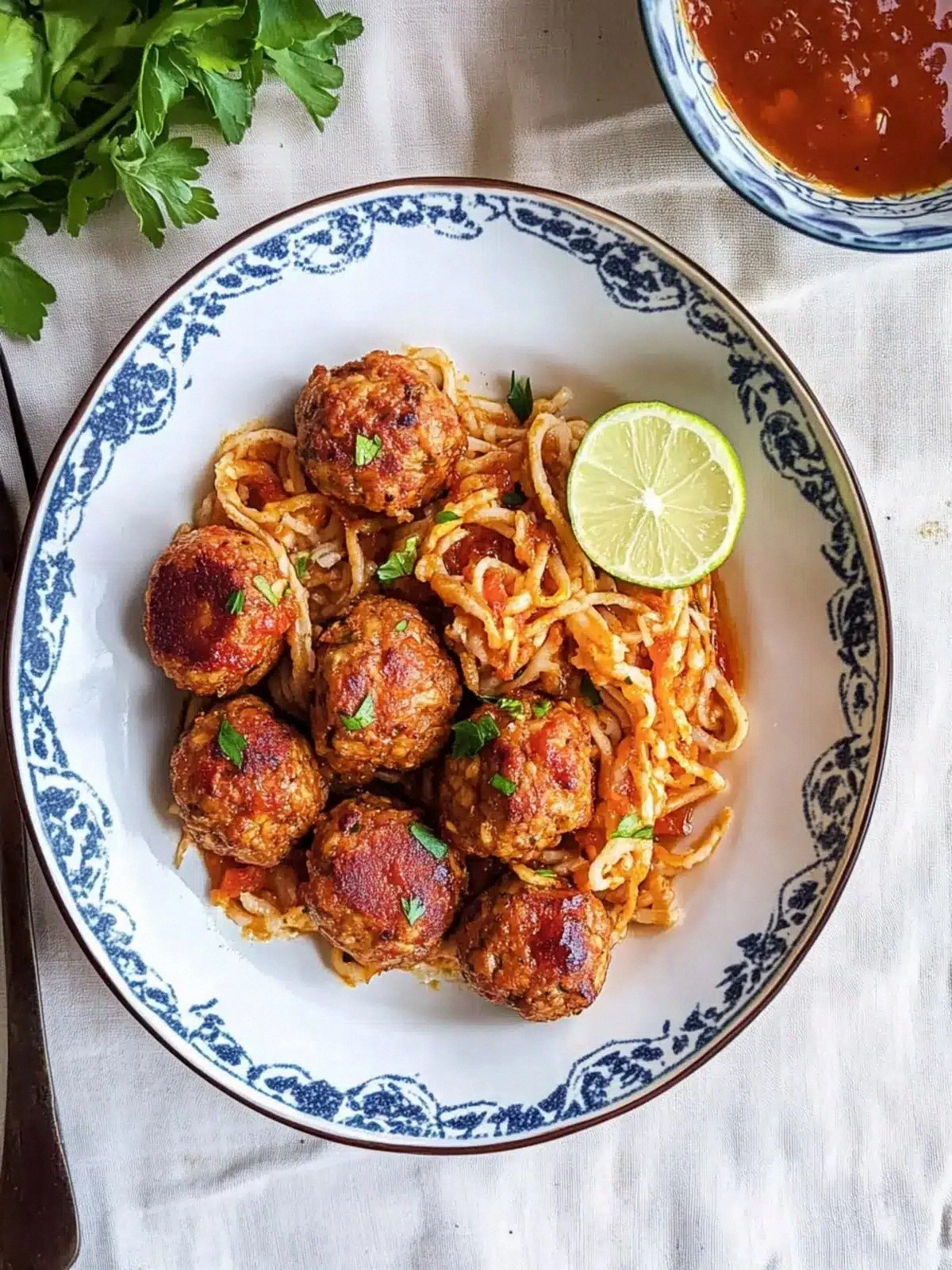
The Method — Step by Step
- Dice the tempeh into 1-inch cubes and place them in a bowl. Add 1 tablespoon soy sauce and 1 teaspoon garlic powder, then stir until every piece is evenly coated. Let the mixture rest for 5 minutes to absorb the flavors. This resting period is crucial; it ensures the tempeh is flavorful from the inside out. While the tempeh marinates, heat a large skillet over medium heat and add 2 tablespoons oil. Once the oil shimmers, set the skillet aside for a moment to let it reach the ideal temperature. The right heat will give the meatballs a beautiful sear without burning them.
- In a separate bowl, combine 1/2 cup plain breadcrumbs, 2 tablespoons nutritional yeast, 1 tablespoon Italian seasoning, 1 tablespoon white miso, and 2 tablespoons tomato paste. Stir until the mixture is moist but not wet. Fold the marinated tempeh into the breadcrumb mixture, pressing gently to ensure everything sticks together. If the mixture feels too dry, add a splash of water or more tomato paste; if it’s too wet, sprinkle in a bit more breadcrumbs. This step is the backbone of the meatball’s structure—don’t rush it. The goal is a cohesive, slightly damp mixture that will hold together when shaped.
- Using a small cookie scoop or your hands, form the mixture into 1.5-inch balls. Place them on a parchment‑lined baking sheet, leaving a small gap between each. The size is intentional; it ensures even cooking and a satisfying bite. If you prefer a larger meatball, simply increase the size and adjust cooking time accordingly. Don’t overcrowd the pan; you’ll need space for the meatballs to sear properly. This is the moment of truth—each ball should feel firm but not packed tight.
- Heat the skillet again and add a splash of oil if needed. Place the meatballs in the pan, browning them on all sides until a golden crust forms, about 4 minutes. Flip carefully with a spatula, ensuring each side gets a uniform sear. The aroma at this point will be intoxicating—think toasted breadcrumbs and caramelized onions. Once browned, remove the meatballs and set them aside on a plate. This sear locks in juices and gives the meatballs a satisfying crunch.
- In the same skillet, reduce the heat to low and add a splash of water or vegetable broth to deglaze, scraping up all the browned bits. These bits are packed with flavor and will form the base of your sauce. Add the remaining tomato paste, white miso, and a pinch of fennel seeds. Stir until the sauce thickens slightly, about 3 minutes. Then return the meatballs to the skillet, spooning sauce over them. Let them simmer gently for 10 minutes, allowing the flavors to meld. The sauce should coat the meatballs like velvet, not be too runny or too thick.
- Season the sauce with 1/2 teaspoon fine sea salt and 1/2 teaspoon freshly ground black pepper. Taste and adjust if necessary; a little extra salt can bring everything together. Sprinkle the minced parsley over the top for a fresh, herbal finish. If you’re serving over pasta, toss the meatballs with the sauce and a handful of cooked noodles. For a low‑carb option, serve with cauliflower rice or spiralized zucchini. This final touch adds color, freshness, and a burst of vitamins.
That’s it—you did it. But hold on, I’ve got a few more tricks that will take this to another level.
Insider Tricks for Flawless Results
The Temperature Rule Nobody Follows
Many cooks think a high heat is always better for searing, but the key is to keep the skillet at a steady medium‑high. If the oil is too hot, the breadcrumbs burn before the tempeh cooks through, leaving a bitter taste. Conversely, too low a heat results in soggy meatballs that never develop a crisp crust. I like to test the temperature by flicking a drop of water into the pan; if it dances, the heat is just right. Keep the heat steady by adjusting the burner as needed—this small adjustment can make the difference between good and great.
Why Your Nose Knows Best
During the simmer, trust your nose more than your eyes. When the sauce starts to thicken and the aroma becomes rich and umami‑laden, it’s a sign the flavors are aligning. If you’re unsure, let it cook a few minutes longer; the scent will tell you when it’s ready. I once rushed the simmer, and the meatballs ended up too soft—my nose had already warned me, but I ignored it. Remember, a well‑smelt sauce is a well‑made sauce.
The 5-Minute Rest That Changes Everything
Once you remove the meatballs from the skillet, let them rest on a plate for five minutes before serving. This short pause allows the juices to redistribute, ensuring every bite is moist and flavorful. I’ve seen people serve them straight off the pan and get unevenly seasoned pieces; the rest fixes that. It also gives the sauce a chance to thicken slightly, creating a luscious coating.
Keep It Clean, Keep It Fresh
Use parchment paper on the baking sheet to prevent sticking and to make cleanup a breeze. This also ensures the meatballs stay separated during searing, allowing each to brown evenly. If you’re prepping ahead, place the baked meatballs on a wire rack to keep them from steaming on the bottom. A clean surface also helps the oil circulate, giving each meatball a crisp exterior.
The Right Oil Matters
I use a neutral oil like canola or grapeseed for searing, but for a richer flavor, a splash of sesame oil in the final simmer adds a nutty note that complements the miso. Be careful not to use too much, or the oil will overpower the delicate tempeh. A light drizzle is enough to create a glossy finish. The choice of oil can transform the dish from simple to sophisticated, so choose wisely.
Creative Twists and Variations
This recipe is a playground. Here are some of my favorite ways to switch things up:
Spicy Thai Twist
Add 1 teaspoon of red curry paste to the breadcrumb mixture and replace the tomato paste with coconut milk. Finish with lime juice and chopped cilantro. The result is a creamy, fiery sauce that pairs beautifully with jasmine rice.
Mediterranean Medley
Swap the Italian seasoning for oregano and add chopped kalamata olives and sun‑dried tomatoes. Finish with a squeeze of lemon and a sprinkle of feta cheese. This variation gives a briny, tangy profile that feels like a Mediterranean picnic.
Sweet & Smoky BBQ
Replace the tomato paste with a smoky BBQ sauce and add a dash of smoked paprika. Finish with a drizzle of maple syrup for sweetness. These meatballs become the star of a backyard grill, perfect for summer cookouts.
Szechuan Surprise
Add Szechuan peppercorns and a splash of sesame oil to the sauce. Sprinkle toasted sesame seeds on top and serve over steamed rice. The peppercorns add a unique tingling sensation that complements the umami base.
Roasted Garlic & Herb
Roast a head of garlic and mash it into the breadcrumb mixture for a mellow, sweet garlic flavor. Add fresh thyme and rosemary for a fragrant herb profile. These meatballs become a comforting, rustic dish that feels like home cooking.
Vegan Lasagna Layer
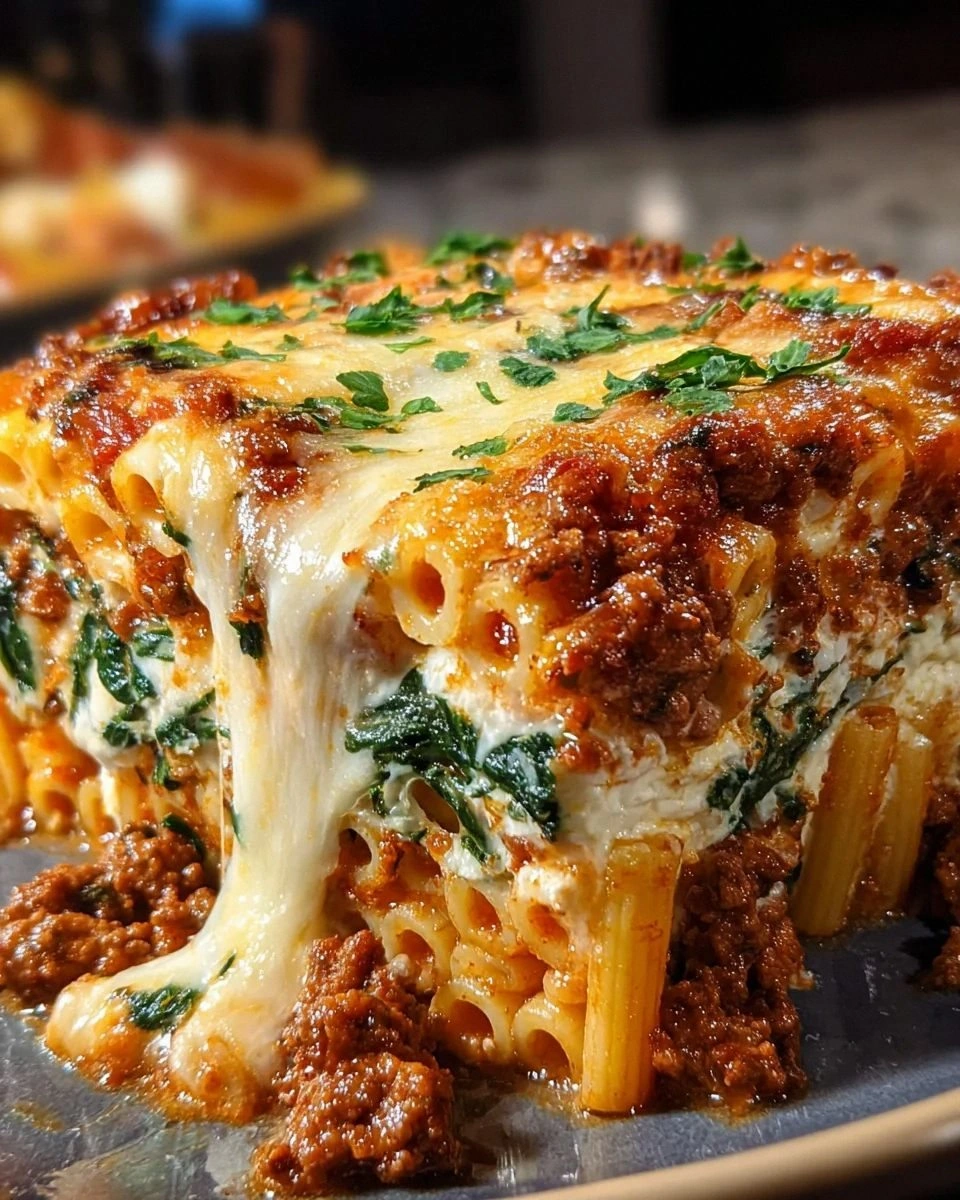
Layer the meatballs with marinara sauce, vegan ricotta, and spinach in a baking dish. Top with vegan mozzarella and bake until bubbly. This takes the concept to a whole new level, offering a hearty, comforting meal.
Storing and Bringing It Back to Life
Fridge Storage
Cool the meatballs to room temperature, then place them in an airtight container. Store in the refrigerator for up to 4 days. Keep them on a tray or lined with parchment to prevent sticking. When ready to serve, reheat gently on the stove or in a microwave, adding a splash of water to maintain moisture.
Freezer Friendly
Freeze the meatballs in a single layer on a parchment‑lined tray before transferring them to a freezer bag. They stay fresh for up to 3 months. When reheating, thaw overnight in the fridge or use a defrost setting on your microwave. Then warm them in the sauce to restore flavor.
Best Reheating Method
The secret to a perfectly reheated batch is gentle heat and moisture. Add a tablespoon of water or broth to the pan, cover, and heat until steaming. The steam helps the meatballs stay juicy without drying out. For a quick microwave method, sprinkle a few drops of water, cover with a damp paper towel, and heat on medium for 1‑2 minutes.