Ever had a night where the kitchen felt more like a laboratory than a sanctuary? I remember the night my roommate dared me to make a “quick pineapple chicken” that would blow our taste buds into orbit. I stared at the fridge, half‑filled with pineapple chunks, chicken breasts, and a bottle of soy sauce, and thought, “Why not?” The result? A dish that sings with tropical sweetness, umami depth, and a glossy glaze that makes every grain of rice feel like a treasure. The aroma that filled the room was a promise of adventure, and the sizzling sound on the pan was the soundtrack to a culinary revelation. I was already dreaming of the first bite, the way the pineapple’s juice would mingle with the soy’s saltiness, the subtle kick of ginger, and that bright, citrusy finish that would make my tongue dance. If you’ve ever felt like your dinner routine was stuck in a loop, this is the antidote you’ve been waiting for. I dare you to taste this and not go back for seconds. Let me walk you through every single step — by the end, you’ll wonder how you ever made it any other way.
What Makes This Version Stand Out
- Flavor Fusion: The marriage of sweet pineapple and savory soy sauce creates a depth that’s impossible to replicate with any other fruit pairing.
- Texture Contrast: Tender chicken, crisp bell pepper, and fluffy jasmine rice combine for a bite that never feels one‑dimensional.
- Speed: From prep to plate, you’re looking at less than 45 minutes — perfect for a weekday dinner that still feels special.
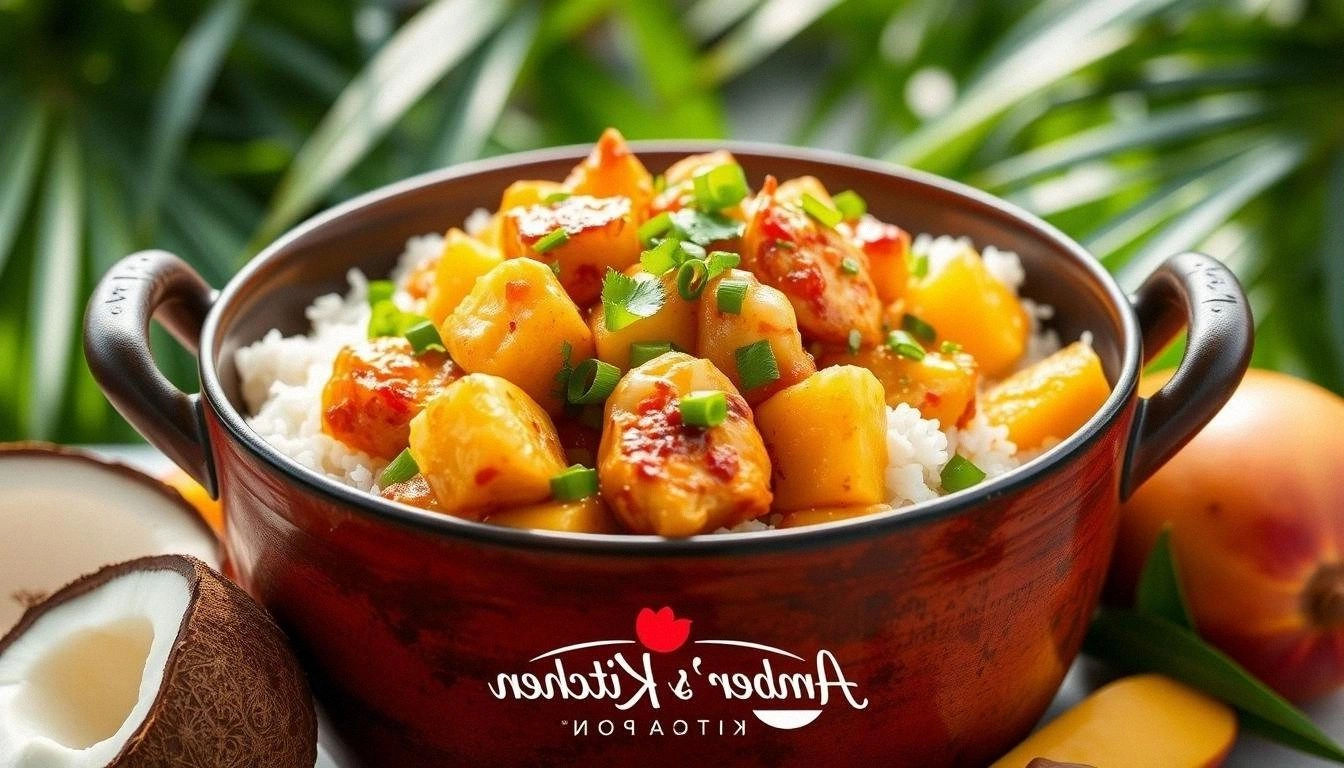
- Visual Appeal: The glossy glaze and bright green cilantro garnish make the dish a feast for the eyes before it even hits the taste buds.
- Ingredient Flexibility: Swap out pineapple for mango or add a splash of coconut milk without losing the dish’s essence.
- Make‑ahead Potential: The sauce keeps its integrity for up to 48 hours, so you can prep the night before and reheat with confidence.
- Universal Appeal: Whether you’re a fan of sweet, savory, or spicy, there’s a tweak that will satisfy every palate.
Inside the Ingredient List
The Flavor Base
The foundation of this dish starts with the sweet, tropical notes of fresh pineapple. Pineapple isn’t just a garnish; it’s the star that balances the savory soy sauce, the sticky honey, and the bright lime zest. Skipping the pineapple turns the dish into a bland chicken stir‑fry. If you’re in a pinch, canned pineapple chunks work, but fresh will deliver a brighter, less syrupy sweetness.
Soy sauce brings umami depth. A quarter cup is enough to coat the chicken and rice without overpowering the fruit. If you’re watching sodium, a low‑sodium version works, but be prepared to add a pinch more salt later. The honey provides natural sweetness and a glossy glaze; it also helps caramelize the edges of the chicken for that delightful crunch.
The Texture Crew
Jasmine rice is the silent hero here. Its long, fragrant grains absorb the sauce without becoming mushy. Cook the rice beforehand and let it cool; this prevents clumping when you add it later. If you prefer a firmer bite, try basmati or even a quick‑cooking brown rice blend.
The chicken breasts are the protein backbone. Slice them into bite‑sized pieces so they cook evenly and quickly. A quick marination in a splash of soy sauce and lime juice for 10 minutes boosts flavor and keeps the meat moist.
The Unexpected Star
Fresh ginger and garlic are the aromatic duo that elevate the dish from good to unforgettable. Ginger’s peppery bite cuts through the sweetness, while garlic adds a warm, earthy tone. Mince them finely to release maximum flavor; if you prefer a milder taste, reduce the amounts.
The Final Flourish
Cilantro and lime zest finish the dish with a burst of freshness. Cilantro’s peppery green note balances the sweetness, while lime zest adds a citrusy brightness that lifts the entire flavor profile. A squeeze of fresh lime juice right before serving adds a tang that keeps the dish from feeling heavy.
Everything's prepped? Good. Let's get into the real action.
The Method — Step by Step
- In a small bowl, whisk together the soy sauce, honey, minced garlic, grated ginger, and a pinch of red pepper flakes. This will be your sweet‑savory glaze. The mixture should look glossy and thick enough to coat the chicken. Set aside while you prep the rest.
- Heat the vegetable oil in a large cast‑iron skillet over medium‑high heat. Once hot, add the sliced chicken. Sear each side for about 2–3 minutes until a golden crust forms. The sizzling sound is a sign that the chicken is locking in juices.
- Add the diced onion and bell pepper to the skillet. Sauté for 2 minutes, stirring constantly, until the vegetables soften but still retain a slight crunch. The aromatics should fill the kitchen with a fragrant, inviting scent.
- Pour the glaze over the chicken and vegetables. Stir to coat everything evenly. Let it simmer for 5 minutes, allowing the sauce to reduce slightly. The edges of the chicken will start pulling away from the pan, indicating caramelization.
- Add the pre‑cooked jasmine rice and pineapple chunks to the skillet. Toss everything together, ensuring the rice is fully coated with the glaze. Cook for an additional 3 minutes, allowing the rice to absorb the flavors.
- Stir in the lime zest, lime juice, and chopped cilantro. The citrus will brighten the dish, and the cilantro adds a fresh green contrast. Taste and adjust salt or pepper if needed.
- Finish by drizzling sesame oil over the top. This nutty finish adds depth and a subtle aroma that makes the dish feel elevated. Let it sit for a minute so the flavors meld.
- Plate the rice and chicken mixture onto warm bowls, garnish with extra cilantro if desired, and serve immediately. The dish should look glossy, aromatic, and utterly inviting.
That's it — you did it. But hold on, I've got a few more tricks that'll take this to another level. These insider tips will help you master the dish and impress even the pickiest eaters.
Insider Tricks for Flawless Results
The Temperature Rule Nobody Follows
Cooking the chicken at a steady medium‑high heat ensures a crisp exterior while keeping the interior juicy. If the pan is too hot, the glaze burns before the chicken cooks through; if it's too cool, the chicken will steam and lose texture. Use a thermometer to keep the skillet around 375°F for consistent results.
Why Your Nose Knows Best
Trust your olfactory senses. When the glaze starts to bubble and the aroma turns from sweet to caramelized, that’s your cue to reduce the heat. This subtle shift in scent signals the perfect moment to add the rice, preventing over‑cooking.
The 5‑Minute Rest That Changes Everything
After you finish cooking, let the skillet sit covered for 5 minutes. This rest period allows the flavors to meld and the rice to steam, resulting in a fluffier texture. I’ve seen people skip this step and end up with a dry, uneven dish.
Citrus Timing
Add the lime juice at the very end of cooking. If you add it earlier, the acidity can break down the glaze, making it runny. The final splash gives a bright, fresh finish without compromising the sauce’s thickness.
Garnish for the Gusto
A sprinkle of toasted sesame seeds adds crunch and a nutty aroma that complements the sesame oil finish. If you’re feeling adventurous, a few thin slices of fresh red chili add a pop of color and a gentle heat.
Creative Twists and Variations
This recipe is a playground. Here are some of my favorite ways to switch things up:
Mango Madness
Swap pineapple for diced mango. The result is a sweeter, more tropical flavor profile that pairs beautifully with a splash of coconut milk. Mango’s softer texture also makes the dish feel lighter.
Spicy Sriracha Kick
Add a tablespoon of sriracha to the glaze for a fiery twist. The heat balances the sweetness, and the sauce takes on a deep, smoky color. Perfect for heat‑loving guests.
Coconut Creamy Version
Replace half the water in the rice with coconut milk for a creamy, rich texture. The coconut’s subtle sweetness pairs wonderfully with the pineapple, creating a dessert‑like main dish.
Veggie‑Rich Variation
Include snow peas, baby corn, or sliced carrots for added crunch and color. These vegetables soak up the glaze, adding nutritional value without overpowering the main flavors.
Herb‑Infused Finale
Finish with fresh basil or mint instead of cilantro for a different aromatic note. Basil adds a sweet, peppery aroma, while mint provides a cool, refreshing finish.
Storing and Bringing It Back to Life
Fridge Storage
Cool the dish completely before placing it in an airtight container. Store in the refrigerator for up to 3 days. When you’re ready to eat, reheat in a skillet or microwave until steaming hot. The sauce will thicken slightly, so add a splash of water if it looks dry.
Freezer Friendly
Pack the dish into freezer‑proof bags, removing as much air as possible. It can be stored for up to 2 months. Thaw overnight in the refrigerator, then reheat as described above. The pineapple’s texture may soften, but the flavor remains intact.
Best Reheating Method
The skillet is the best tool for reheating. Warm the pan over medium heat, add the dish, and stir frequently. A splash of water or broth keeps the rice from sticking and restores moisture. Finish with a drizzle of sesame oil for that fresh, nutty aroma.