Picture this: it’s a late‑night craving, the fridge is a barren wasteland, and you’re staring at a half‑empty pizza box that looks more like a sad cardboard relic than a culinary promise. You pull out the kitchen timer, whisper a little prayer to the oven, and decide to throw the whole thing together, because why not? The result? A pizza that feels like a hug in a crust, with a protein‑packed, creamy layer that makes your taste buds do a little happy dance. I swear, the first bite was so smooth it could have been a lullaby for my palate.
When I first tossed cottage cheese onto a plain dough, I expected a bland, watery mishmash. Instead, the cottage cheese thickened the sauce, creating a velvety base that clung to every nook and cranny of the dough, like a secret sauce that’s both light and substantial. The aroma that filled the kitchen—sweet tomato, fresh herbs, and a hint of dairy—was like a siren calling you to the oven. The sound of the dough rising, the sizzle of the cheese melting, and the final golden crust that crackled like a crisp sunrise made this simple experiment feel like a culinary triumph.
What sets this version apart is that it’s not just a pizza; it’s a protein‑rich, low‑carb, high‑flavor experience that could easily replace a post‑workout shake or a midnight snack. The cottage cheese acts like a protein sponge, absorbing the tomato sauce while still delivering a creamy texture that feels indulgent but stays surprisingly light. I dare you to taste this and not go back for seconds, because the combination of savory, tangy, and slightly sweet flavors will have you reaching for the next slice before the first one even cools.
And here’s the twist that most pizza lovers overlook: the cottage cheese isn’t just a filler; it’s the star that lifts the whole dish into the realm of “hands down the best version you’ll ever make at home.” No more soggy crusts, no more greasy cheese pulls—just a harmonious blend of textures and flavors that make every bite a revelation. Let me walk you through every single step—by the end, you’ll wonder how you ever made it any other way.
What Makes This Version Stand Out
- Protein Power: Cottage cheese delivers a hefty protein punch without the heaviness of traditional ricotta or cream cheese, making it perfect for a quick post‑workout meal.
- Lightness: The creamy base absorbs excess moisture, preventing that dreaded soggy crust and leaving a crisp, golden edge that shatters like thin ice.
- Flavor Fusion: The subtle tang of cottage cheese balances the richness of mozzarella and the acidity of tomato sauce, creating a multi‑layered taste profile.
- Texture Play: The mixture of soft cottage cheese and molten mozzarella gives you that satisfying “melting” moment while still maintaining a firm bite.
- Quick Assembly: With store‑bought dough and pre‑made sauce, the entire prep takes under 20 minutes—ideal for those who crave pizza but hate waiting.
- Versatility: Swap toppings, tweak herbs, or add a sprinkle of chili flakes to suit any palate, from classic pepperoni to vegetarian delights.
- Health‑Friendly: Low in refined carbs, high in essential nutrients, and adaptable for various dietary needs—gluten‑free dough, dairy‑free cheese, or even vegan alternatives.
- Crowd‑Pleaser: The creamy texture and bold flavors make it a hit at potlucks, family dinners, or a cozy night in, guaranteeing rave reviews.
Alright, let’s break down exactly what goes into this masterpiece…
Inside the Ingredient List
The Flavor Base
Cottage cheese is the cornerstone of this pizza, acting as a creamy, protein‑rich foundation that absorbs the tomato sauce’s juices and prevents the crust from becoming soggy. If you skip it, you lose that velvety mouthfeel and the protein boost that keeps you feeling satiated. For the best results, choose a full‑fat variety; the extra fat enhances flavor and gives a richer melt when combined with mozzarella.
Tomato sauce is the sweet, acidic partner that lifts the cottage cheese’s mildness. Use a sauce with a balanced blend of crushed tomatoes, garlic, oregano, and a hint of sugar to counteract acidity. A homemade sauce will add depth, but a high‑quality store‑bought option works just fine if you’re short on time.
The Texture Crew
Mozzarella is the melt‑master that delivers that gooey, stretchy texture people love. Slice it thinly or shred it to ensure even melting. If you prefer a sharper flavor, a blend of mozzarella and provolone will add a subtle kick without compromising the melt.
Pizza dough—whether store‑bought or homemade—provides the structural backbone. A well‑kneaded dough will offer a chewy yet tender bite, while a thin‑crust version gives you that classic crispy edge. If you’re experimenting, try a cauliflower or cauliflower‑based dough for a low‑carb alternative.
The Unexpected Star
Toppings are where you can personalize the pizza. Whether it’s diced bell peppers, caramelized onions, spicy pepperoni, or fresh basil, each addition brings a new layer of flavor and texture. Don’t be afraid to mix sweet and savory—sweet corn or pineapple can add a delightful contrast to the savory base.
The Final Flourish
A light drizzle of olive oil, a sprinkle of fresh herbs, or a dusting of grated parmesan can elevate the dish from simple to sensational. The olive oil adds a silky finish, while herbs like basil or oregano release aromatic oils that enhance every bite. A final splash of lemon zest can brighten the overall profile, making it feel fresh and vibrant.
Everything's prepped? Good. Let's get into the real action…
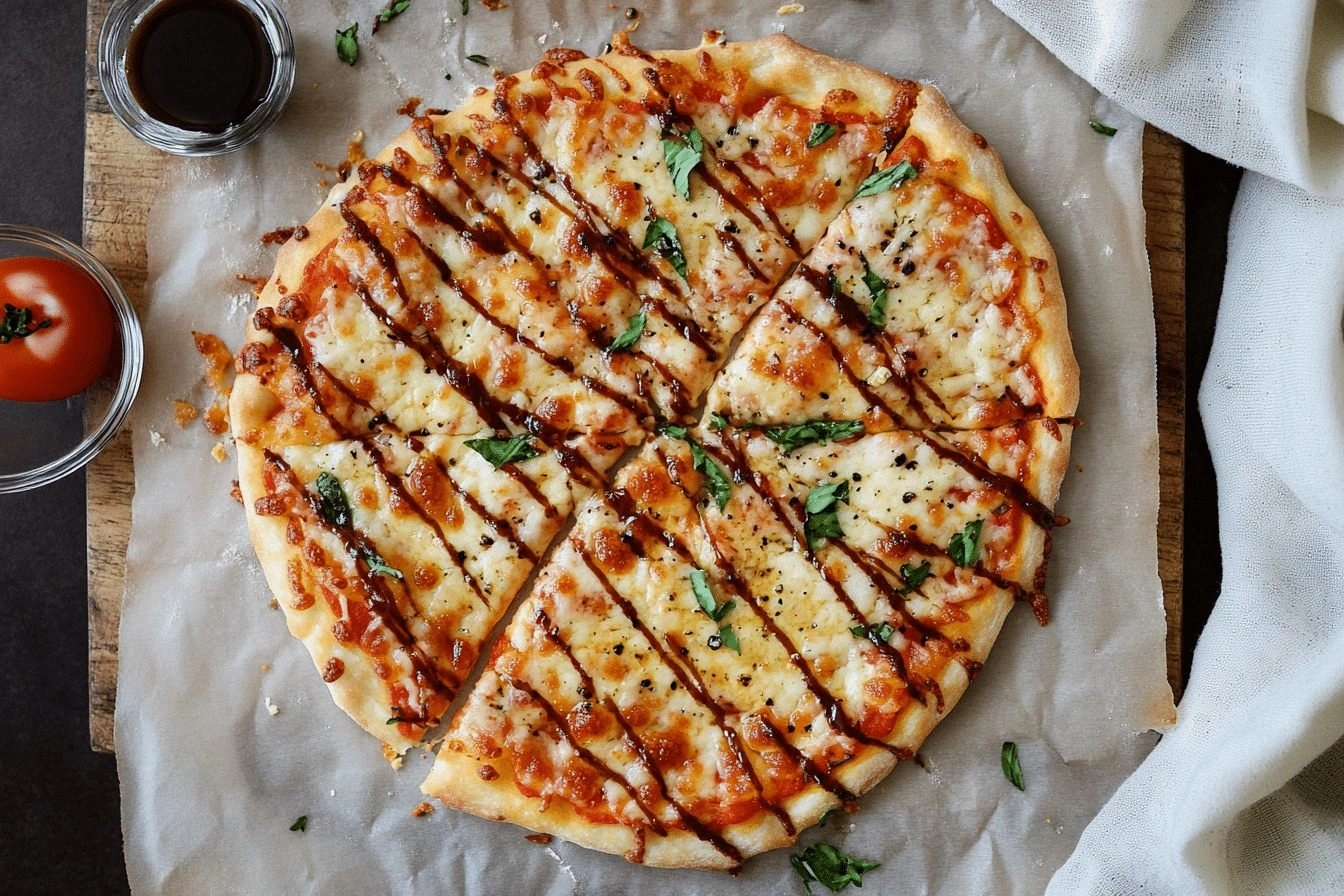
The Method — Step by Step
- Preheat your oven to 500°F (260°C) and place a pizza stone or baking steel inside. The high temperature will give the crust a blistered, golden finish while keeping the toppings perfectly cooked. I’ve found that a 30‑minute preheat is essential for that authentic “brick‑oven” feel. If you don’t have a stone, a rimmed baking sheet will work, but the crust will be a bit softer.
- Roll out your dough on a floured surface to about 12 inches in diameter. The dough should be thin enough to cook through in the oven but thick enough to hold the cottage cheese layer. Pinch the edges to create a small rim; this will prevent the toppings from sliding off during baking.
- Spread a thin layer of tomato sauce over the dough, leaving a small border around the rim. Use a spoon or a brush to spread evenly; a thin coat ensures the sauce doesn’t overwhelm the cottage cheese. If you like a sweeter sauce, add a pinch of sugar or a splash of balsamic vinegar.
- Evenly dollop the cottage cheese over the sauce, using a spoon or a small cookie scoop to keep the portions uniform. The cottage cheese should cover the entire surface, forming a creamy base that will mingle with the mozzarella. This layer is key to the pizza’s unique texture; it creates a soft, slightly tangy cushion for the cheese.
- Sprinkle shredded mozzarella over the cottage cheese, ensuring each bite receives a generous amount of melt. The mozzarella should be spread in a thin layer, allowing it to melt into the cottage cheese and form a cohesive, gooey top. If you’re using a blend of cheeses, mix them in a bowl beforehand for even distribution.
- Add your chosen toppings—bell peppers, onions, pepperoni, or any other favorites. Distribute them evenly to avoid any one spot becoming a topping‑heavy disaster. A light sprinkle of fresh herbs or a pinch of crushed red pepper can elevate the flavor profile without overpowering the base.
- Drizzle a teaspoon of olive oil over the top to add shine and a silky finish. The oil also helps the cheese melt evenly, creating that classic pizza sheen. If you’re craving a bit of crunch, sprinkle a handful of breadcrumbs over the top before baking.
- Slide the pizza onto the preheated stone or steel and bake for 12–15 minutes, or until the crust is golden brown and the cheese is bubbling. The high heat will blister the edges, giving you that coveted crispy texture. Keep an eye on it; if the edges brown too quickly, slide the pizza to a lower rack.
- Remove the pizza from the oven and let it rest for 3 minutes before slicing. This brief rest allows the cheese to set slightly, preventing a messy, gooey mess when you cut. While it rests, sprinkle fresh basil or a dash of grated parmesan for that final flourish.
That’s it — you did it. But hold on, I've got a few more tricks that'll take this to another level…
Insider Tricks for Flawless Results
The Temperature Rule Nobody Follows
Many pizza makers bake at 450°F (230°C), but that’s not enough to give the crust that blistered, chewy bite. Raising the temperature to 500°F (260°C) and preheating a stone or steel ensures a dramatic rise in the bottom crust and a crisp, caramelized edge. I’ve tried baking at 425°F, and the result was a soggy center that didn’t hold the cottage cheese layer well.
Why Your Nose Knows Best
The aroma is the first indicator of a perfect pizza. As the cheese melts, a sweet, buttery scent will fill the kitchen. If you notice a sharp, metallic smell, the oven is too hot; if the scent is weak, the pizza isn’t cooking long enough. Trust your nose—it’s the most reliable way to gauge doneness.
The 5-Minute Rest That Changes Everything
Letting the pizza rest for exactly five minutes after baking allows the cheese to set, making slicing a clean, straight cut. If you cut immediately, the cheese will ooze onto the pizza, ruining the presentation and texture. This short pause also lets the flavors meld, resulting in a more cohesive bite.
The Crust Crumble Trick
For a lighter crust, sprinkle a pinch of baking powder into the dough. This creates tiny bubbles that keep the dough airy and tender. If you’re using a gluten‑free dough, adding a touch of xanthan gum will help achieve a similar lift.
The Topping Placement Tactic
Place the heaviest toppings (like pepperoni or sausage) closer to the center, and lighter ones (like basil or arugula) on top. This ensures even cooking and prevents the pizza from becoming lopsided. I once stacked too many onions on the edge, and they caramelized too quickly, leaving a burnt rim.
The Final Touch of Freshness
Right before serving, drizzle a thin line of high‑quality olive oil and scatter a handful of fresh herbs. The oil adds shine, while the herbs release essential oils that brighten the entire dish. A squeeze of lemon zest over the top can also cut through the richness, adding a bright, citrusy note.
Creative Twists and Variations
This recipe is a playground. Here are some of my favorite ways to switch things up:
Mediterranean Medley
Swap pepperoni for sliced kalamata olives and add a handful of spinach. Finish with a sprinkle of crumbled feta and a drizzle of tzatziki. The briny olives and tangy feta create a Mediterranean vibe that’s both refreshing and hearty.
Spicy Southwest
Use diced jalapeños, corn kernels, and black beans as toppings. Add a dash of chipotle powder to the sauce and finish with a handful of cilantro. The smoky heat pairs beautifully with the creamy cottage cheese, delivering a bold, flavorful punch.
Pesto Power
Replace the tomato sauce with a vibrant basil pesto. Top with sun‑dried tomatoes, pine nuts, and shredded mozzarella. The pesto’s nutty aroma elevates the pizza, while the cottage cheese keeps it protein‑rich.
Veggie Supreme
Load the pizza with roasted eggplant, zucchini, and bell peppers. Finish with a sprinkle of grated parmesan and a drizzle of balsamic glaze. The caramelized veggies add depth, while the cottage cheese keeps the texture light.
Breakfast Bonanza
Swap mozzarella for shredded cheddar and add scrambled eggs, bacon bits, and chives. This breakfast‑style pizza is perfect for a brunch gathering or a late‑night snack. The savory eggs pair wonderfully with the creamy base.
Vegan Victory
Use a dairy‑free cottage cheese alternative and a plant‑based mozzarella. Add sautéed mushrooms, spinach, and a drizzle of vegan pesto. The result is a cruelty‑free, protein‑packed pizza that satisfies everyone at the table.
Storing and Bringing It Back to Life
Fridge Storage
Cool the pizza completely before refrigerating. Store in an airtight container or wrap tightly in foil. The pizza will keep for up to 3 days, retaining its flavor and texture when reheated.
Freezer Friendly
For longer storage, wrap the pizza in parchment paper, then place in a freezer bag. Label with the date and freeze for up to 2 weeks. When ready to eat, thaw overnight in the fridge before reheating.
Best Reheating Method
Preheat the oven to 375°F (190°C). Place the pizza on a baking sheet and bake for 10 minutes, or until the cheese is melted and the crust is crispy. Add a splash of water to the bottom of the pan to create steam, which keeps the cheese from drying out.