Picture this: a Saturday night, a pizza box that never quite satisfies, and a stubborn craving that refuses to be silenced. I stared at the empty fridge, the pizza sauce still clinging to the bottom of a jar, and a single slice of pepperoni that looked like it could start its own revolution. The kitchen smelled like burnt garlic and stale dough, the sound of my own frustration echoing off the tiles. I was ready to give up, but then I remembered the old family recipe that promised a layer cake of pizza that would make every bite a revelation.
I opened the pantry, pulled out flour that still smelled faintly of wheat, and let the aroma mingle with the tang of fresh oregano. The air tasted like summer, the heat from the oven a promise of molten cheese that would melt into a golden crust. As I began to mix, the dough rose like a quiet rebellion, the surface shimmering with a promise of crispness. I could almost hear the sizzle of the first layer as it hit the pan, a sound that said, “This is going to be good.”
What makes this version stand out? It’s not just the layers; it’s the way each component sings its own tune. The crust is a buttery, airy base that holds up under a generous blanket of cheese and pepperoni. The sauce is a velvety tomato blend that coats the dough like velvet, not just a thin film. The pepperoni is carefully chosen for its crisp edges that shatter like thin ice, giving that satisfying crunch. And the cheese—oh, the cheese—melts into a gooey, bubbly cloud that drips down the sides. I dare you to taste this and not go back for seconds.
If you’ve ever tried a pizza layer cake that felt more like a soggy mess, you’ll know the frustration. I’ve been there, flipping a cake that looked like a pizza but tasted like a flatbread. That’s why I’m here, confident and slightly opinionated, to share every trick that turns a simple idea into a masterpiece. By the end of this post, you’ll wonder how you ever made it any other way.
What Makes This Version Stand Out
- Flavor: The sauce is a blend of crushed tomatoes, garlic, and a hint of red pepper that creates depth without overpowering the cheese.
- Texture: The crust is light yet sturdy, thanks to a touch of olive oil and a short rise that locks in air pockets.
- Ingredient Quality: Every pepperoni slice is thin and well‑seasoned, giving a salty kick that balances the sweetness of the sauce.
- Ease of Assembly: Layers stack like building blocks, making the process intuitive even for first timers.
- Make‑Ahead Potential: Assemble the cake a day ahead, refrigerate, and bake just before serving for a time‑saving trick.
- Crowd Reaction: At family gatherings, this cake becomes the centerpiece, sparking conversation and shared smiles.
- Visual Appeal: The golden edges and molten cheese create a dramatic look that’s almost too pretty to eat.
- Customization: Swap mozzarella for provolone or add a sprinkle of fresh basil for a personal touch.
Alright, let’s break down exactly what goes into this masterpiece. Each ingredient has been chosen to create a harmony that will elevate your pizza experience to a new level.
Inside the Ingredient List
The Flavor Base
The foundation of any great pizza is the sauce. In this cake, we use a tomato sauce that’s simmered with a pinch of sugar to balance acidity, fresh garlic for aroma, and dried oregano for that herbaceous bite. Skipping the oregano will leave the sauce feeling flat, like a plain tomato soup. If you’re allergic to garlic, a small amount of onion powder can fill the void, but the flavor profile will shift subtly.
When buying tomatoes, look for those that are ripe yet firm. The brighter the color, the more natural sweetness they’ll bring. A small splash of balsamic vinegar adds a hint of depth that elevates the sauce from ordinary to unforgettable. Remember, the sauce should coat the dough like velvet, not cling like a paste.
The Texture Crew
Flour is the silent hero that holds everything together. We use all‑purpose flour because it offers the right balance of protein for structure and gluten for chew. If you’re aiming for a gluten‑free version, switch to a blend that mimics the same elasticity. The yeast is the secret to that airy rise; active dry yeast reacts quickly, giving you a light crust that still has a satisfying bite.
Olive oil isn’t just a flavor enhancer—it lubricates the dough, making it easier to roll and preventing it from drying out. Warm water activates the yeast; too hot, and you kill the yeast; too cold, and the dough will never rise. A pinch of salt in the dough not only flavors the crust but also tightens the gluten strands for a firmer bite.
The Unexpected Star
Pepperoni is the showstopper. The right pepperoni is thin, has a balanced fat content, and crisp edges that shatter with a satisfying snap. If you prefer a milder flavor, choose pepperoni with less paprika; for a fiery kick, look for varieties labeled “spicy” or “hot.” The pepperoni’s fat content also helps in creating that molten cheese glaze that drips down the sides.
The cheese selection is equally critical. Mozzarella offers the best melt, while Parmesan adds a nutty crunch. A sprinkle of garlic powder in the cheese mixture enhances the savory profile. If you’re vegan, a blend of cashew and nutritional yeast can mimic the melt and flavor.
The Final Flourish
A final touch of dried oregano and a dash of crushed red pepper bring the dish together. These herbs sit on top of the cheese, creating a fragrant crust that invites you to dig in. A light drizzle of olive oil before baking adds a glossy finish, making the layers shine like polished gold. Remember, the final flourish isn’t just about taste—it’s about presentation.
Everything’s prepped? Good. Let’s get into the real action.
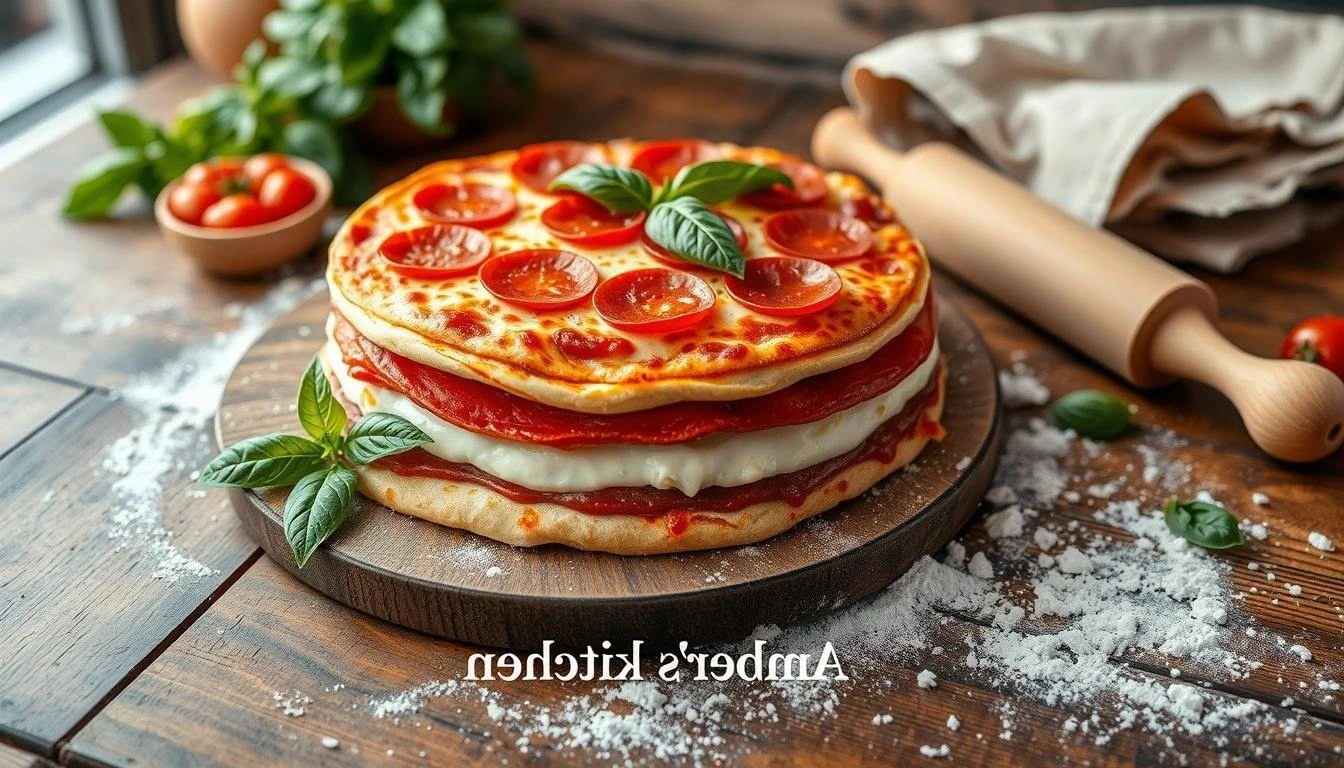
The Method — Step by Step
- In a large bowl, combine 2 cups of flour, 1 tsp of salt, 1 tsp of sugar, and 1 tbsp of active dry yeast. Stir until the yeast is evenly distributed. This step is crucial; uneven yeast distribution can lead to pockets of dough that don’t rise. The mixture should look like a dry, crumbly dough ready for water.
- Add 3/4 cup of warm water (about 110°F) and 1 tbsp of olive oil to the dry ingredients. Mix until a shaggy dough forms, then knead on a floured surface for about 5 minutes. The dough should feel smooth and elastic, not tacky. Cover with a damp towel and let it rest for 30 minutes; this short rise will give the crust that airy bite.
- While the dough rests, prepare the sauce. In a saucepan, heat 1 cup of tomato sauce over medium heat. Add 1 tsp of dried oregano, 1/2 tsp of garlic powder, a pinch of salt, and a splash of balsamic vinegar. Simmer for 5 minutes until the flavors meld. The sauce should thicken slightly and emit a fragrant aroma.
- Roll out the dough into a rectangle about 12x8 inches. Place it on a silicone‑lined baking pan. The pan should be greased lightly with olive oil to prevent sticking. This is the moment of truth: a flat, even base ensures the layers stack properly.
- Spread 1/2 cup of sauce evenly over the dough. The sauce should coat the surface like velvet, not puddle. Sprinkle 1 cup of shredded mozzarella over the sauce, then add 1/2 cup of grated Parmesan. The cheeses will form a molten bridge between layers.
- Lay 6 pepperoni slices on top of the cheese, spacing them evenly. The pepperoni should be close enough to share a bite but not so close that they overlap. Sprinkle 1 tsp of dried oregano over the pepperoni for that aromatic finish.
- Repeat the layering process: another rectangle of dough, sauce, cheese, pepperoni, and oregano. Continue until you have three full layers. The final layer should be dough, sauce, and cheese, capped with a thin drizzle of olive oil.
- Preheat the oven to 425°F (220°C). Bake the cake for 30 minutes, or until the edges turn golden brown and the cheese bubbles. The cake should smell toasty, like a freshly baked pizza. Let it rest for 5 minutes before cutting; this helps the layers set.
That’s it— you did it. But hold on, I’ve got a few more tricks that will take this to another level. Stay tuned for insider tips that will elevate every bite.
Insider Tricks for Flawless Results
The Temperature Rule Nobody Follows
Many people bake at 400°F, but 425°F is the sweet spot for a golden crust that’s crisp on the outside and tender on the inside. The higher temperature ensures the cheese melts quickly, forming that desirable glaze. I’ve tried 450°F once, and the result was a burnt top that ruined the texture. Stick to 425°F and you’ll get the perfect balance.
Why Your Nose Knows Best
Before you cut into the cake, pause and inhale. A rich, tomato‑garlic aroma signals that the sauce has cooked properly. If it smells too raw, let it bake for a few more minutes. Your nose is the best judge of doneness, so trust it.
The 5-Minute Rest That Changes Everything
Let the cake sit for exactly five minutes after you pull it from the oven. This brief rest allows the cheese to set, preventing it from sliding off the slice. It also lets the layers firm up, making cutting cleaner and less messy. A friend once skipped this step and ended up with a gooey mess that was hard to serve.
Layering Order Matters
Start with dough, then sauce, then cheese, and finally pepperoni. If you reverse the order, the pepperoni will absorb too much moisture, becoming soggy. The correct sequence preserves the crunch of the pepperoni and the integrity of the crust.
The Quick Cooling Trick
Place the baking pan on a rack immediately after removing it from the oven. This prevents steam from condensing on the bottom, which would otherwise soften the crust. The rack also allows the cake to cool evenly, preserving the layered structure.
With these insider tricks, you’re guaranteed a pizza layer cake that’s not only delicious but also a visual masterpiece.
Creative Twists and Variations
This recipe is a playground. Here are some of my favorite ways to switch things up:
Mediterranean Delight
Swap pepperoni for sliced kalamata olives and add chopped spinach to the cheese layer. Use feta cheese instead of mozzarella for a tangy contrast. The result is a savory, Mediterranean‑inspired cake that’s perfect for a brunch.
Spicy Buffalo
Add a drizzle of buffalo sauce between the layers and sprinkle crushed red pepper flakes on top. Replace mozzarella with pepper jack for a spicy kick. This version is ideal for game‑day parties.
Veggie Supreme
Layer thinly sliced bell peppers, onions, and mushrooms between dough layers. Use a mix of mozzarella and provolone for a richer cheese blend. The veggies add crunch and color, making the cake a feast for the eyes.
Cheesy Garlic Bread
Omit the sauce and spread a garlic butter mixture on the dough instead. Top with shredded mozzarella and a sprinkle of parsley. Bake until golden, and you’ll have a pizza‑inspired garlic bread that’s irresistible.
Breakfast Edition
Add cooked bacon or sausage between layers and sprinkle a handful of shredded cheddar. Use a thin layer of pesto on top of the cheese for a herby twist. This version turns the cake into a hearty breakfast that pairs well with coffee.
Dessert Surprise
Swap the tomato sauce for a sweet chocolate ganache, use mascarpone instead of mozzarella, and top with fresh berries. This dessert‑pizza cake is a sweet treat that surprises and delights.
Storing and Bringing It Back to Life
Fridge Storage
Cool the cake completely, then wrap tightly in plastic wrap and store in the refrigerator for up to 3 days. The layers will stay firm, and the cheese will remain creamy. When ready to serve, reheat in the oven at 350°F for 10 minutes.
Freezer Friendly
Wrap the cake in foil and place it in a freezer bag. It can be frozen for up to 2 weeks. Thaw overnight in the fridge, then bake at 375°F for 15 minutes. The texture will be almost identical to fresh.
Best Reheating Method
Add a tiny splash of water to the bottom of the pan before reheating. This creates steam that keeps the cheese moist and the crust crisp. A quick 5‑minute bake at 350°F will revive the cake to its original glory.