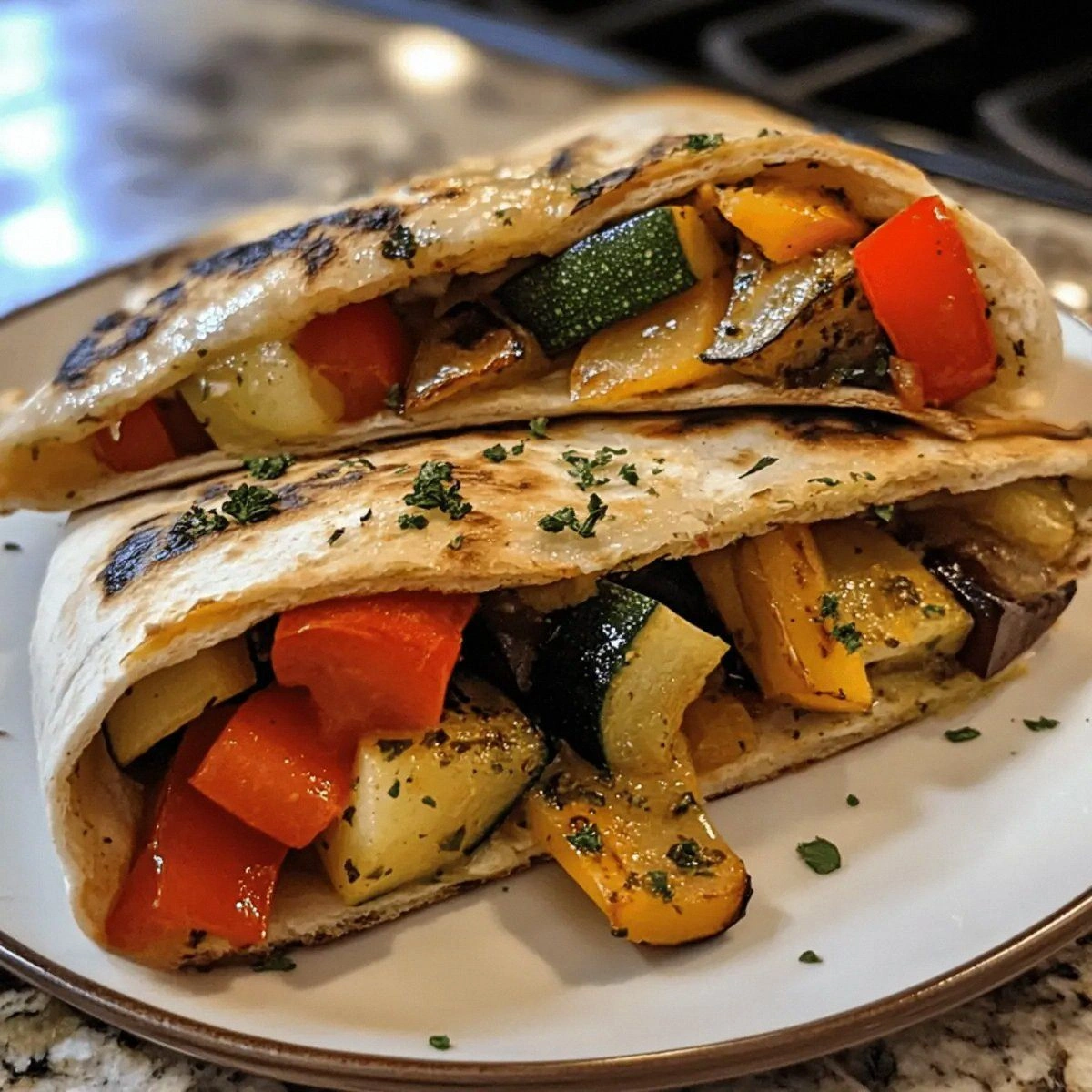
I still remember the night I was scrambling to salvage a dinner that should have been a simple, comforting affair. My friend had dared me to create a “quick, colorful, and surprisingly gourmet” meal using whatever was on hand. I stared at the fridge and thought, “Why not turn the humble pita into a canvas for roasted veggies?” I grabbed a handful of bell peppers, a couple of zucchinis, a red onion, and a handful of cherry tomatoes, and the rest of the kitchen fell into place. The smell of sizzling olive oil, the sharp bite of garlic, the vibrant splash of color—this was the moment the idea crystallized.
Picture this: a pan on medium heat, the vegetables dancing, their edges crisping into golden brown ribbons that crackle like thin ice under a weightless hand. The aroma rises, a heady mix of sweet pepper, earthy zucchini, and the bright, herbal whisper of oregano. Your senses are assaulted in the best way: the heat of the pan, the sound of the sizzle, the sight of the colors deepening, the taste of the first bite, and the comforting weight of the pita cradling the filling. I could almost hear the kitchen clock tick, the timer counting down, and the anticipation building in the room.
I’ve spent countless hours tweaking this recipe, and each tweak has felt like a small victory. I’ve discovered that roasting the veggies just long enough preserves their bite and unlocks their natural sweetness, while a quick drizzle of olive oil and a pinch of oregano gives them a depth that feels almost “restaurant‑grade.” The feta adds a salty, tangy counterpoint, and the mint leaves bring a fresh, almost citrusy lift that keeps the dish from becoming too heavy. It’s a harmony of textures and flavors that feels both simple and sophisticated.
But the real kicker? I’ve found a way to pack all these flavors into a pocket that’s both portable and indulgent. I dare you to taste this and not go back for seconds. This is hands down the best version you’ll ever make at home. If you’ve ever struggled with making a quick yet impressive meal, you’re not alone—and I’ve got the fix. Stay with me here—this is worth it.
What Makes This Version Stand Out
- Flavor: The blend of roasted veggies and fresh herbs creates a layered taste that feels like a Mediterranean sunrise in a pita.
- Texture: The crisp edges of the roasted vegetables contrast with the creamy feta and smooth yogurt, giving each bite a satisfying crunch.
- Ease: No fancy equipment required—just a skillet, oven, and a few ingredients that you probably already have.
- Visual Appeal: The bright colors of bell pepper, zucchini, and tomato make the dish look as good as it tastes.
- Versatility: Swap the pita for flatbread, add chickpeas for protein, or use a different cheese for a new twist.
- Make‑Ahead: The roasted veggies can be prepared a day in advance, and the pockets can be assembled and reheated with minimal fuss.
- Nutrition: Packed with veggies, whole wheat pita, and Greek yogurt, this dish offers a balanced mix of protein, carbs, and healthy fats.
- Guest Reaction: Friends who have tried it often comment that it feels like a gourmet street‑food experience.
Inside the Ingredient List
The Flavor Base
The olive oil and oregano are the backbone of this dish. Olive oil not only helps the veggies caramelize but also carries the aromatic notes of oregano throughout. If you’re looking for a subtle smoky edge, swap olive oil for a drizzle of extra‑virgin olive oil with a splash of smoked paprika. Remember, the oregano is the secret to that Mediterranean punch—don’t skip it.
The Texture Crew
Bell peppers, zucchini, and cherry tomatoes contribute a delightful mix of crunch and juiciness. Their varied textures keep each bite interesting; the peppers stay firm, the zucchini softens, and the tomatoes burst with juice. If you’re a fan of a more uniform bite, dice everything the same size. Skipping any of these veggies will change the mouthfeel dramatically—try it and feel the difference.
The Unexpected Star
Red onion adds a sharp bite that cuts through the richness of the feta and yogurt. Its caramelized edges bring a subtle sweetness that balances the dish. If you’re allergic or simply dislike onions, a splash of balsamic vinegar can mimic that depth. The key is to let the onion roast long enough to soften its raw bite without turning it mushy.
The Final Flourish
Feta cheese, fresh mint, and Greek yogurt or tzatziki finish the pockets with a creamy, tangy, and refreshing finish. The feta provides a salty, crumbly contrast that pairs beautifully with the sweet roasted veggies. Mint adds a bright, almost citrusy note that lifts the whole dish. If you’re vegan, replace feta with a plant‑based alternative and use a dairy‑free yogurt.
Everything’s prepped? Good. Let’s get into the real action.
The Method — Step by Step
- Preheat your oven to 425°F (220°C). Line a baking sheet with parchment paper to prevent sticking. This high heat ensures the vegetables develop those coveted caramelized edges.
- While the oven warms, wash and chop all the veggies into bite‑sized pieces. Uniform size guarantees even roasting and makes filling the pita a breeze.
- In a large bowl, toss the vegetables with olive oil, minced garlic, dried oregano, salt, and black pepper. The oil coats every surface, helping the heat distribute evenly and creating a glossy finish.
- Spread the seasoned veggies in a single layer on the prepared baking sheet. Avoid overcrowding; the veggies need space to roast, not steam.
- Roast in the oven for 15–20 minutes, stirring halfway through. Look for the edges turning golden and a fragrant, almost toasted scent filling the kitchen.
- While the veggies finish roasting, toast the pita breads on a dry skillet over medium heat for 1–2 minutes per side. The goal is a slightly crisp exterior that still folds easily.
- Remove the roasted veggies from the oven and let them cool slightly. Then, in a bowl, combine them with crumbled feta, chopped mint, and a generous spoonful of Greek yogurt or tzatziki.
- Open each pita and stuff generously with the veggie mixture. Fold the sides in and close the pocket, ensuring the filling stays inside during the rest of the cooking.
- Return the stuffed pitas to the skillet or oven and heat for an additional 3–4 minutes. The goal is to melt the feta slightly and warm the yogurt without turning it watery.
- Serve immediately, perhaps with a side of extra tzatziki for dipping. The contrast between the warm, savory pockets and the cool, creamy sauce is pure bliss.
That’s it — you did it. But hold on, I’ve got a few more tricks that will take this to another level.
Insider Tricks for Flawless Results
The Temperature Rule Nobody Follows
Many cooks set their ovens too low, resulting in soggy veggies. Aim for 425°F (220°C) to get that perfect caramelization. If you’re using a convection setting, reduce the temperature by 25°F to avoid burning the edges.
Why Your Nose Knows Best
The scent of roasting vegetables is a reliable indicator of doneness. When the smell turns sweet and slightly smoky, you’re close to perfection. If it still smells raw, give it a few more minutes.
The 5‑Minute Rest That Changes Everything
After roasting, let the veggies rest for exactly five minutes. This pause allows the juices to redistribute, ensuring each bite is juicy and flavorful. I’ve seen people skip this step, and the result is a dry, uneven bite.
Keep the Pita Warm, Not Hot
If you’re serving the pockets in a crowd, wrap the freshly toasted pita in a clean kitchen towel to keep them warm. Avoid microwaving the pita after stuffing; it will become soggy and lose its crispness.
Add a Splash of Lemon
A squeeze of fresh lemon juice over the finished pockets brightens the flavors and cuts through the richness of the feta. It also adds a subtle brightness that makes the dish feel lighter.
Serve With a Quick Pickled Side
A quick cucumber pickle or a spoonful of harissa can elevate the dish further. The acidity balances the creamy yogurt and the saltiness of the feta.
Creative Twists and Variations
This recipe is a playground. Here are some of my favorite ways to switch things up:
Spicy Chipotle Twist
Swap the oregano for chipotle powder and add a splash of smoky chipotle sauce. The result is a bold, smoky flavor that pairs well with a cool avocado spread.
Mediterranean Chickpea Boost
Add a cup of roasted chickpeas to the veggie mixture. The chickpeas add protein and a satisfying crunch that makes the pockets more filling.
Pesto Power
Replace the feta with a dollop of basil pesto and sprinkle chopped pine nuts on top. The pesto adds a nutty, herby depth that elevates the dish to new heights.
Salsa Verde Surprise
Use a fresh salsa verde instead of yogurt. The green, tangy sauce gives the pockets a zesty kick and a vibrant color.
Vegan Delight
Swap feta for vegan cheese and use plant‑based yogurt. The flavors remain the same, but the dish becomes completely dairy‑free.
Breakfast Kick‑Starter
Fill the pitas with sautéed spinach, mushrooms, and a poached egg. The result is a hearty breakfast that keeps you full until lunch.
Storing and Bringing It Back to Life
Fridge Storage
Store assembled pockets in an airtight container for up to 2 days. Keep the sauce separate until just before serving to avoid sogginess. When ready to eat, reheat in a skillet over medium heat until warm.
Freezer Friendly
Wrap each pocket tightly in foil and place in a freezer bag. They stay good for up to 3 months. Thaw overnight in the fridge before reheating.
Best Reheating Method
Reheat in a toaster oven at 350°F (175°C) for 8–10 minutes, or in a skillet over medium heat, flipping halfway through. Add a splash of water or broth before reheating to create steam and keep the filling moist.