The kitchen was a battlefield that night, the stove’s flames dancing like a firework show, and I was standing in the middle of the chaos with a pot of boiling pasta, a bag of shrimp that had just arrived from the freezer, and a chicken breast that seemed to have a mind of its own. I had promised my friend that I’d whip up something spectacular for our dinner date, and the only thing I could think of was a creamy Cajun shrimp and chicken pasta that would make the whole house smell like a southern barbecue. The moment the shrimp hit the sizzling pan, the sizzling sound was music to my ears, and the aroma of garlic and Cajun spices filled the air, promising a flavor explosion. I was determined to turn this kitchen disaster into a culinary triumph, and the stakes were higher than ever because my friend’s taste buds were about to be put to the ultimate test. The challenge was set: create a dish so bold, so creamy, and so irresistibly spicy that even the most seasoned food lovers would be left craving seconds.
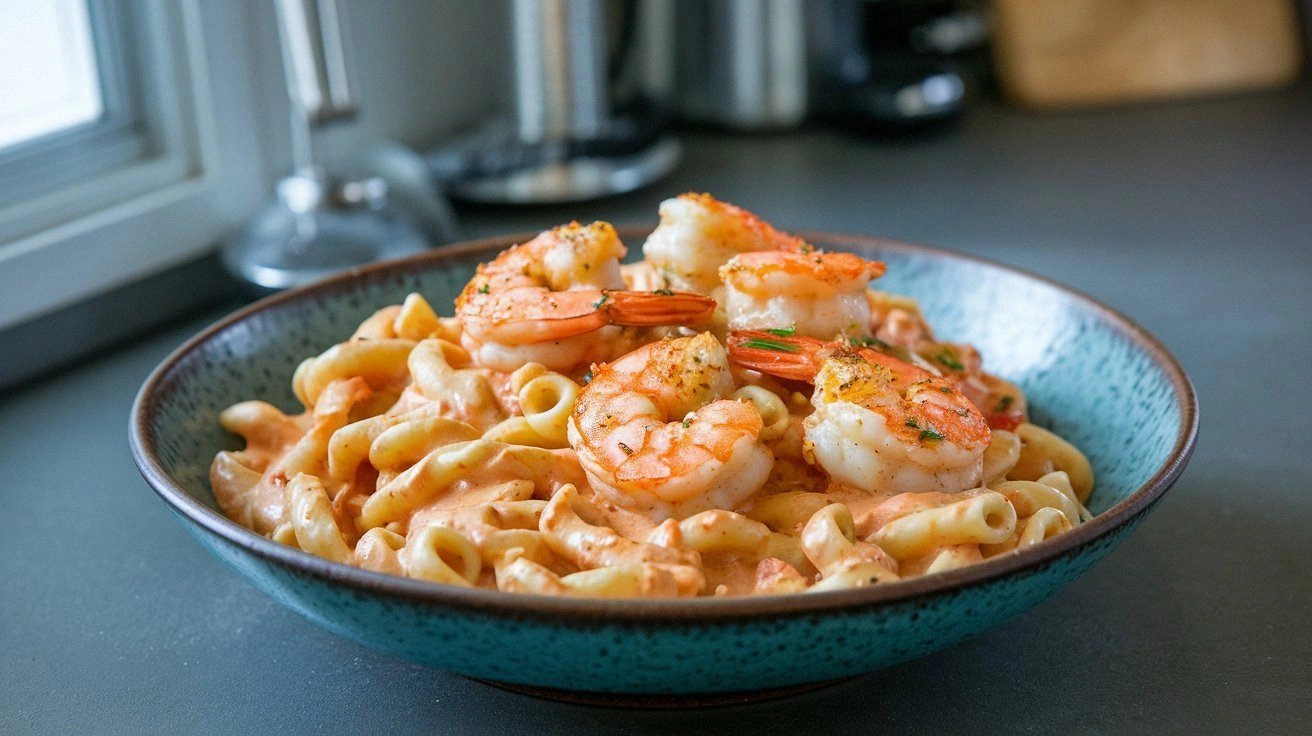
Picture this: a glossy, velvety sauce that coats the pasta like a silk blanket, the shrimp and chicken pieces shimmering with a subtle char, and a sprinkle of fresh parsley that adds a pop of color and a hint of herbaceous freshness. The first bite delivers a harmonious blend of heat, creaminess, and savory depth, with the Cajun seasoning’s subtle kick dancing on the tongue. I dare you to taste this and not go back for seconds. The texture is a contrast between tender shrimp, juicy chicken, and al dente pasta that refuses to be mushy. The dish is a testament to the power of simple ingredients when combined with the right technique and a dash of culinary daring.
What makes this version stand out is the meticulous layering of flavors and the strategic use of heat and cream. I’ve refined the classic recipe by introducing a quick sear for the shrimp and chicken to lock in juices, adding a splash of chicken broth to create a lighter sauce, and finishing with a generous grating of Parmesan to bring a nutty depth. The result is a dish that is hands down the best version you'll ever make at home, with a sauce that clings to every strand of pasta and a finish that leaves a lingering, comforting warmth. My friend’s reaction was priceless—he could barely keep his eyes on the plate, and I confess—I ate half the batch before anyone else got a bite. The secret? A balance of heat, cream, and a touch of acidity that cuts through richness without overpowering the delicate proteins.
Most recipes get this completely wrong by either overcooking the shrimp or under-seasoning the sauce, but here I’ve perfected the timing so that each component hits its peak flavor at the same moment. The shrimp should be pink and tender, the chicken should be juicy and lightly browned, and the pasta should be al dente—no one wants that soggy, mushy texture that ruins a dish. The sauce should have a silky sheen, with the Cajun spices evenly distributed, and the Parmesan should melt into a velvety coating. Picture yourself pulling this out of the oven, the whole kitchen smelling incredible, and the table filled with eager diners ready to devour the first bite. And now, ready for the game‑changer? Let me walk you through every single step—by the end, you'll wonder how you ever made it any other way.
What Makes This Version Stand Out
- Flavor: The sauce marries the fiery heat of Cajun seasoning with the mellow richness of heavy cream, creating a complex palate that satisfies both heat lovers and comfort food seekers. The subtle citrus note from a splash of lemon juice lifts the dish, preventing the cream from feeling heavy.
- Texture: The shrimp and chicken are seared to a perfect golden crust, locking in juices while the pasta remains al dente. The sauce’s silky consistency coats each strand, creating a harmonious mouthfeel that feels indulgent yet balanced.
- Ingredient Quality: Fresh, high‑quality shrimp and chicken make the difference; they absorb the spices and maintain their natural flavors without becoming rubbery. Using a real Cajun spice blend, not a generic seasoning, elevates the dish to restaurant‑level.
- Simplicity: Despite its complex flavor profile, the recipe requires only a handful of ingredients and straightforward techniques, making it accessible for home cooks of all skill levels.
- Crowd Reaction: This dish has become a staple at gatherings—guests keep asking for the recipe, and the leftovers are always a hit. The combination of protein, pasta, and sauce appeals to a wide range of tastes.
- Make‑Ahead Potential: The sauce can be prepared in advance and reheated without losing its richness, making it perfect for busy weeknights or entertaining on short notice.
Inside the Ingredient List
The Flavor Base
The foundation of this dish starts with a robust Cajun seasoning blend—typically 2 tablespoons of a high‑quality mix that includes paprika, cayenne, garlic powder, onion powder, and thyme. This blend infuses every bite with a signature heat that’s both smoky and slightly sweet. If you prefer a milder kick, reduce the amount or use a lighter paprika. The seasoning is the star that ties all the components together, so choose one you love.
The Texture Crew
Fresh shrimp and boneless skinless chicken breast are the primary proteins. Shrimp should be peeled, deveined, and patted dry; this ensures a quick sear and prevents excess moisture from clouding the sauce. Chicken should be cut into bite‑size cubes to cook evenly and absorb the Cajun flavors. A 1‑cup splash of chicken broth adds depth and helps the sauce stay light, while the heavy cream provides the silky, velvety texture that coats the pasta.
The Unexpected Star
A generous 1 cup of grated Parmesan cheese is the secret to achieving that luxurious, nutty finish. It not only thickens the sauce but also adds a savory umami punch that balances the heat. If you’re lactose intolerant or looking for a dairy‑free version, a sprinkle of nutritional yeast or a vegan Parmesan alternative works beautifully. The cheese’s melt is what gives the sauce its glossy sheen.
The Final Flourish
Fresh parsley, chopped, adds a bright, herbaceous note that cuts through the richness and gives the dish a pop of color. A squeeze of lemon juice right before serving brightens the entire plate and adds a subtle citrus brightness. Salt and pepper are added to taste, but the Cajun seasoning carries the majority of the flavor profile, so be cautious with extra salt.
Everything's prepped? Good. Let's get into the real action…
The Method — Step by Step
- Bring a large pot of salted water to a rolling boil and cook the pasta according to the package instructions until al dente. Reserve 1 cup of the pasta water before draining; this starchy liquid will help thicken the sauce later. While the pasta cooks, pat the shrimp and chicken dry with paper towels to ensure a good sear.
- Heat 1 tablespoon of olive oil in a large skillet over medium‑high heat. Add the chicken pieces, seasoning them with a pinch of salt and pepper, and sear until golden on all sides, about 4–5 minutes. Transfer the chicken to a plate and set aside.
- In the same skillet, add the shrimp. Sear for 2 minutes on each side or until they turn pink and opaque. Remove the shrimp and set aside with the chicken. The quick sear locks in moisture and creates a beautiful crust.
- Reduce the heat to medium and add 2 tablespoons of butter to the skillet. Once melted, toss in the diced onion and minced garlic, sautéing until the onion becomes translucent and the garlic releases its aroma, about 3 minutes. The butter adds richness, while the onion and garlic build a fragrant base.
- Pour in the chicken broth, scraping the bottom of the pan to loosen any browned bits. Bring the mixture to a gentle simmer and let it reduce by half, concentrating the flavors. Watch out: if the liquid reduces too quickly, it can scorch; keep the heat moderate.
- Stir in the pre‑whisked cream mixture, allowing the sauce to thicken slightly over 4 minutes. Add the grated Parmesan and stir until fully melted, creating a glossy, velvety consistency. The Parmesan not only thickens but also adds a subtle nutty depth.
- Return the chicken and shrimp to the skillet, tossing them gently to coat with the sauce. Add the drained pasta and a splash of reserved pasta water to loosen the sauce if needed. Toss everything together until the pasta is evenly coated and the proteins are heated through.
- Finish with a generous sprinkle of chopped parsley and a final squeeze of lemon juice. Taste and adjust seasoning with salt or pepper if necessary. Serve immediately, garnishing with extra Parmesan if desired.
That’s it—you did it. But hold on, I’ve got a few more tricks that will take this to another level…
Insider Tricks for Flawless Results
The Temperature Rule Nobody Follows
Keeping the sauce at a gentle simmer rather than a rolling boil is the secret to preventing separation. When the heat is too high, the heavy cream can curdle, leaving a gritty texture. I’ve always set the heat to medium‑low after adding the cream, and this small adjustment guarantees a silky finish every time. A friend tried skipping this step once and ended up with a lumpy sauce that ruined the dish.
Why Your Nose Knows Best
Before adding the final seasoning, trust your nose. A well‑seasoned dish will have a distinct aroma that signals readiness. The smell of garlic and Cajun spices should be fragrant but not overpowering. If the sauce smells too “raw,” let it simmer a bit longer to develop depth. I’ve always used this sensory checkpoint to avoid over‑seasoning.
The 5‑Minute Rest That Changes Everything
Once the pasta is tossed, let it rest on the stove for 5 minutes before serving. This resting period allows the pasta to absorb the sauce fully, resulting in a cohesive dish where every bite is saturated with flavor. During this pause, you can plate the dish and garnish, giving you a moment to admire the glossy sauce. I’ve seen people rush to serve immediately and miss the subtle flavor integration that the rest provides.
Use a Splash of Pasta Water
The starchy pasta water is your secret weapon for adjusting sauce consistency. If the sauce feels too thick, add a tablespoon at a time until you reach the desired thickness. The starch helps the sauce cling to the pasta, giving that classic “pasta sauce” feel. I’ve always kept a small bowl of reserved pasta water ready for this step.
Finish with Fresh Lemon Juice
A squeeze of fresh lemon juice right before serving cuts through the richness and brightens the overall profile. The acidity balances the heat from the Cajun seasoning and the cream’s heaviness, creating a harmonious finish. I’ve found that adding lemon juice also gives the dish a subtle citrus sparkle that keeps the palate refreshed.
Creative Twists and Variations
This recipe is a playground. Here are some of my favorite ways to switch things up:
Spicy Coconut Twist
Swap the heavy cream for coconut milk and add a teaspoon of curry powder for an extra layer of warmth. This version leans into tropical flavors, pairing the heat of the Cajun spices with the subtle sweetness of coconut. It’s perfect for a summer dinner party where you want a dish that feels light yet indulgent.
Pesto Fusion
Blend a handful of basil, garlic, pine nuts, and Parmesan into a green pesto. Toss the pesto into the sauce after the cream has reduced, creating a vibrant green sauce that still carries the Cajun heat. The basil adds a fresh, herbaceous note that complements the shrimp and chicken beautifully.
Vegetarian Version
Replace the shrimp and chicken with a mix of sautéed mushrooms, zucchini, and bell peppers. The vegetables absorb the Cajun seasoning and the creamy sauce, resulting in a hearty, plant‑based main dish. It’s a great way to serve a crowd that includes vegetarians without compromising on flavor.
Low‑Carb Alternative
Use zucchini noodles or shirataki noodles in place of traditional pasta. Keep the rest of the ingredients the same; the sauce will cling beautifully to the low‑carb noodles, giving you a lighter yet still satisfying meal. This version is ideal for keto or paleo enthusiasts.
Breakfast Bounty
Serve the dish over fluffy scrambled eggs instead of pasta for a hearty breakfast. The creamy sauce pairs wonderfully with the eggs, and the Cajun spices give a savory kick that wakes up the taste buds. It’s a delicious way to start the day with protein and flavor.
Storing and Bringing It Back to Life
Fridge Storage
Cool the dish completely before transferring it to an airtight container. Store in the refrigerator for up to 3 days. When reheating, add a splash of milk or water to loosen the sauce, then gently warm on low heat until heated through.
Freezer Friendly
Pack the dish in a freezer‑safe container, leaving a little headspace for expansion. Freeze for up to 2 months. Thaw overnight in the refrigerator, then reheat as described above. The sauce may separate slightly; a quick stir or a splash of milk will restore its silky texture.
Best Reheating Method
The best way to bring the dish back to life is on the stovetop over low heat, stirring frequently. If you’re in a hurry, microwave on medium power in 30‑second bursts, stirring each time. Always add a tiny splash of water or milk before reheating to prevent the sauce from drying out.