There was a moment in my kitchen that feels like a crime scene: I had just finished a week of bland dinners, and the air was thick with the scent of burnt toast and overcooked chicken. I stared at the empty fridge, feeling the familiar dread that comes before a culinary crisis. Then, out of the blue, a friend texted, “You have to try Cracker Barrel’s chicken and dumplings. It’s the real deal.” My curiosity exploded, and I dove into the recipe like a kid chasing a new toy. I swear, that was the first time I ever felt a kitchen disaster turn into an instant triumph.
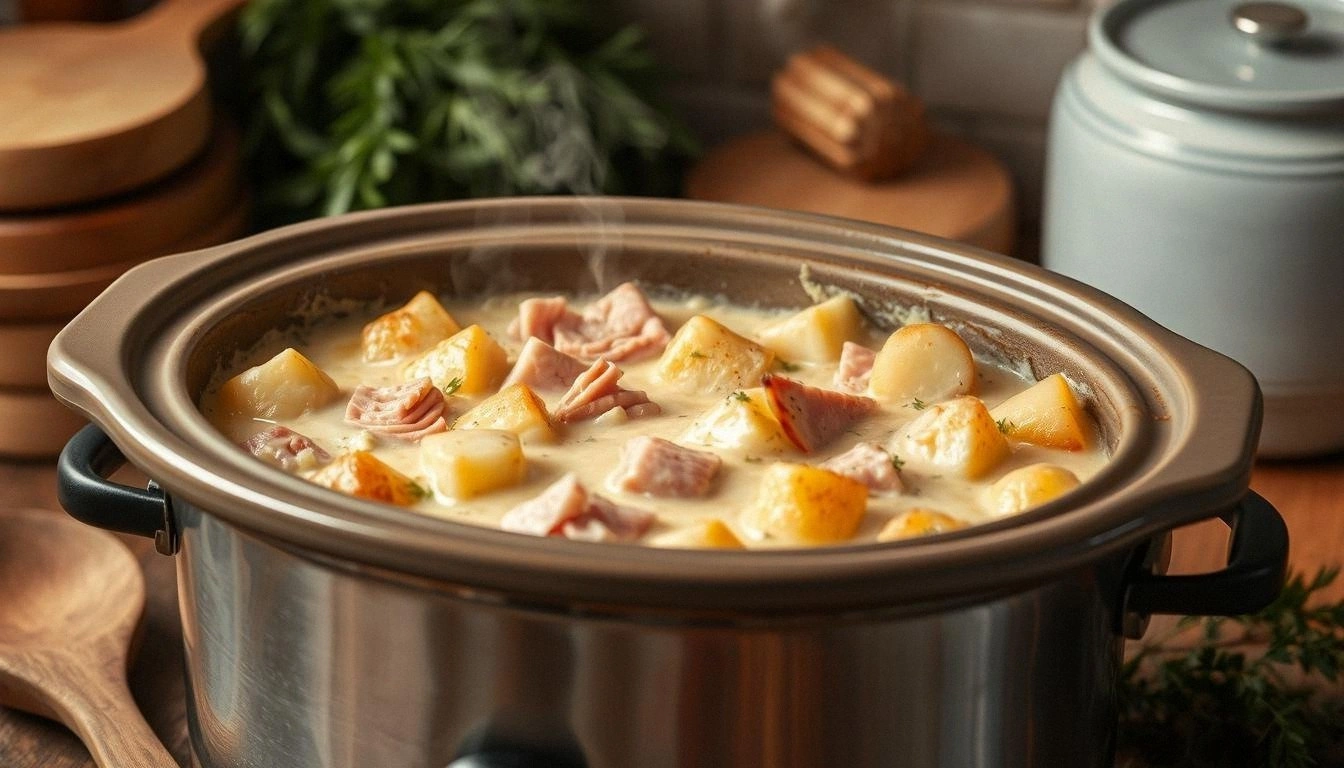
Picture this: the pan sizzles, a golden crust forms on the dumplings, and steam rises like a gentle cloud of comfort. The aroma of onions, celery, and fresh thyme fills the room, pulling every sense into a single, delicious focus. My taste buds already begin to dance, imagining the tender chicken mingling with the soft, pillowy dough. The texture is a symphony—crisp on the outside, silky on the inside—while the broth sings with savory depth. And that moment when you take a bite and the flavors explode is the kind of culinary revelation that turns a simple dinner into a memory.
I’ve tried dozens of chicken and dumpling recipes, and most of them either fall flat or end up with a doughy mess that’s hard to eat. But this version? It’s hands down the best you’ll ever make at home. It’s not just about the taste; it’s about the confidence you get when every step falls into place. I’ll walk you through each move, and by the end, you’ll wonder how you ever made it any other way. I dare you to taste this and not go back for seconds.
Hold on—before you grab your apron, let me give you a quick heads‑up: there’s a secret ingredient that most people overlook, and it changes everything. The trick isn’t just in the cooking; it’s in the subtle timing of the dumpling drop and the final flourish of fresh parsley. Trust me, this is going to be a game‑changer for your dinner routine. And if you’ve ever struggled with dumplings that look like lumps of dough, you’re not alone—this fix is a revelation.
What Makes This Version Stand Out
- Flavor Depth: The slow simmer of chicken broth infused with thyme, bay leaf, and a splash of white wine creates a savory backbone that lifts every bite. This isn’t a quick fix; it’s a slow‑cooked masterpiece that builds layers of umami.
- Texture Contrast: The dumplings are light and airy, with a slightly crispy exterior that snaps like thin ice when you bite. The chicken remains juicy, and the vegetables add a satisfying crunch that keeps the dish from becoming mushy.
- Ingredient Quality: Using fresh, free‑range chicken and organic vegetables turns an ordinary meal into a luxurious experience. The butter is cold and unbuttered, ensuring the dough puffs perfectly.
- Make‑Ahead Potential: The broth can be prepared a day ahead, and the dumpling dough holds up in the fridge for up to 24 hours, saving you precious time on busy nights.
- Crowd‑Pleaser: This dish is the kind of comfort food that makes families gather around the table, and it’s perfect for holiday gatherings, potlucks, or a cozy night in.
- Balanced Nutrition: With a balanced ratio of protein, carbs, and healthy fats, it satisfies without feeling heavy—ideal for a post‑workout meal or a hearty lunch.
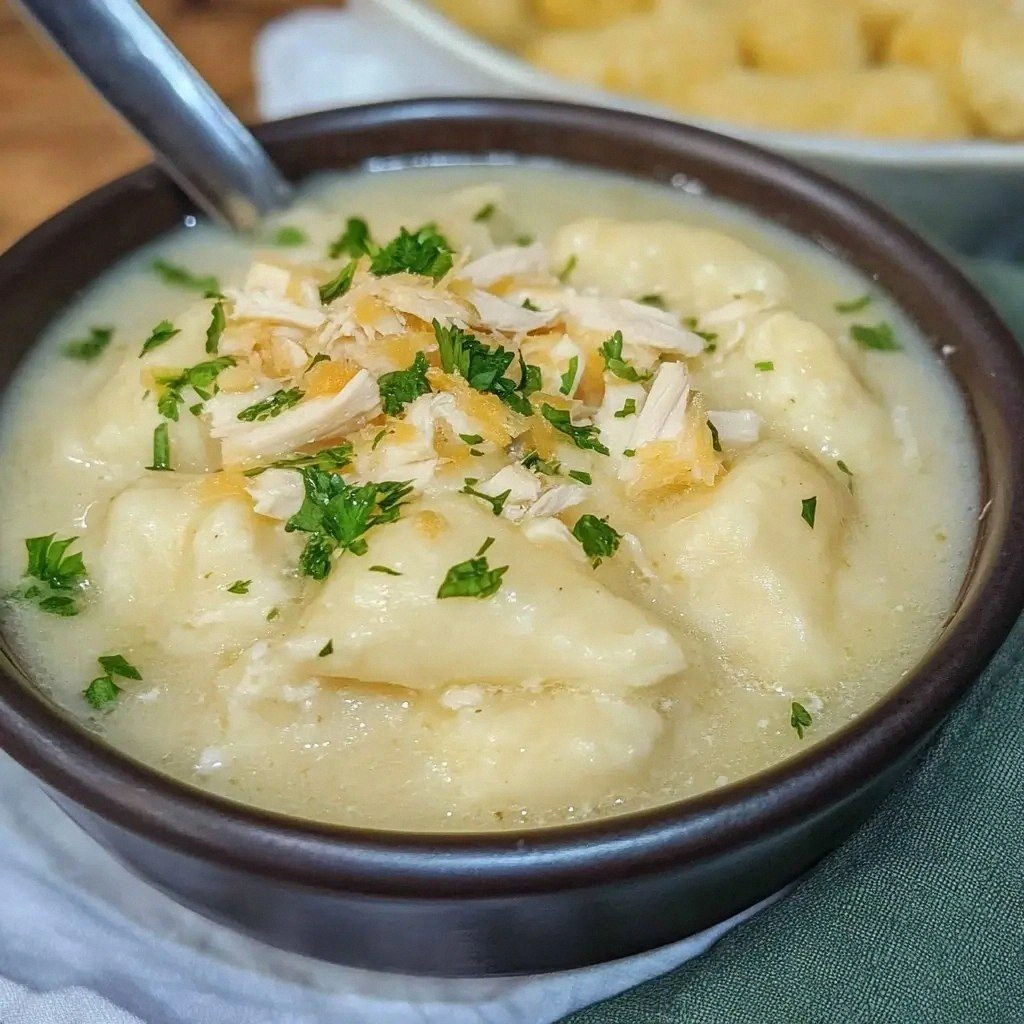
- Visual Appeal: The golden dumplings floating in a clear broth with a sprinkle of parsley make the dish look as good as it tastes—instagram‑ready and ready to impress.
Alright, let's break down exactly what goes into this masterpiece...
Inside the Ingredient List
The Flavor Base
The foundation of this dish is a savory broth that carries the essence of the chicken and vegetables. It starts with a hearty chicken stock that’s simmered with a bouquet garni of thyme, bay leaves, and a splash of dry white wine. The wine adds a subtle acidity that balances the richness of the butter and cream in the dumpling dough. If you’re short on time, use store‑bought low‑sodium chicken broth, but trust me—homemade is the secret to depth.
The Texture Crew
Here’s where the magic happens: the dumpling dough. It’s a simple mixture of all‑purpose flour, baking powder, salt, and cold butter cubes. The butter is the key to a tender crumb; it’s the fat that creates steam pockets when the dumplings cook. The addition of whole milk and a splash of cold water brings the dough together without overworking it. If you’re vegan or lactose intolerant, swap the milk for oat milk and use a plant‑based butter to keep the texture intact.
The Unexpected Star
While most recipes rely on diced chicken, this version uses boneless, skinless chicken thighs for extra juiciness. The thighs break down into tender pieces that soak up the broth’s flavor, giving the dish a velvety mouthfeel. A pinch of smoked paprika adds a subtle smokiness that elevates the overall taste profile. If you prefer a milder flavor, simply omit the paprika and let the natural chicken flavor shine.
The Final Flourish
Fresh parsley is the finishing touch that brightens the dish. It’s not just for color; the herb’s bright, slightly peppery flavor cuts through the richness of the broth and butter. A squeeze of lemon juice at the end can also add a fresh zing that makes the dish feel lighter. For an extra layer of flavor, sprinkle a few crumbled bacon bits on top before serving.
Everything's prepped? Good. Let's get into the real action...
The Method — Step by Step
- Start by heating a large Dutch oven over medium heat. Add a tablespoon of olive oil, then toss in the diced onions, celery, and carrots. Sauté until the vegetables soften and the onions turn translucent, about 5 minutes. This builds the flavor base and releases the natural sweetness of the veggies.
- Introduce the minced garlic and cook for an additional minute until fragrant. The garlic’s aroma should mingle with the veggies, creating a fragrant bouquet that signals the dish is on the right track.
- Add the diced chicken thighs to the pot. Stir to coat them with the aromatics and let them brown on all sides, which locks in moisture and flavor. This browning step is essential for a savory finish.
- Pour in the chicken broth and a splash of dry white wine. Bring the mixture to a gentle boil, then reduce the heat to low. Add the thyme sprigs, bay leaf, and a pinch of smoked paprika. Simmer uncovered for 20 minutes, allowing the broth to reduce slightly and the flavors to meld.
- While the broth simmers, prepare the dumpling dough. In a large bowl, whisk together flour, baking powder, and salt. Cut in cold butter cubes using a pastry cutter or your fingertips until the mixture resembles coarse crumbs. Stir in milk and cold water until just combined; do not overmix. The dough should be slightly sticky but manageable.
- Once the broth has reduced, ladle it into a ladle and drop spoonfuls of the dumpling dough into the pot. The dumplings will rise and puff as they cook, creating a cloud of comfort in the broth.
- Cover the pot and let the dumplings steam for 12-15 minutes, or until they’re fully cooked and puffed. The dumplings should be light and airy, not dense or doughy.
- Remove the pot from heat, discard the bay leaf and thyme sprigs, and stir in fresh parsley. The parsley adds a bright, herbal note that lifts the dish. Taste and adjust seasoning with salt and pepper as needed.
That's it — you did it. But hold on, I've got a few more tricks that'll take this to another level...
Insider Tricks for Flawless Results
The Temperature Rule Nobody Follows
Many cooks think the broth just needs to simmer, but the key is maintaining a gentle, steady heat. A rolling boil can cause the dumplings to split, while a too‑low simmer can leave the broth watery. Keep the temperature between 185°F and 195°F, and use a kitchen thermometer if you have one. This subtle control ensures the dumplings rise perfectly without breaking.
Why Your Nose Knows Best
Smell is your best quality control. As the broth reduces, you’ll notice a sweet, caramelized scent that signals the flavors are developing. If it starts smelling overly bitter or metallic, it’s time to check the broth’s salt level and adjust. Trust your nose; it’s a reliable indicator that the dish is on track.
The 5‑Minute Rest That Changes Everything
After the dumplings finish cooking, let the pot sit covered for five minutes before serving. This rest period allows the flavors to settle and the broth to thicken slightly, giving the dish a richer mouthfeel. A friend once tried skipping this step and ended up with a watery broth—don’t make that mistake.
Use Fresh Herbs, Not Dried
Fresh parsley and thyme bring a bright, clean flavor that dried herbs can’t match. If you’re short on fresh herbs, use dried but add them later in the cooking process to preserve their potency. The fresh herbs also add a pop of color that makes the dish visually appealing.
Keep the Dumpling Dough Cold
Cold butter and cold water are essential for a light texture. If the dough warms up, the butter melts, and the dumplings become dense. Keep the dough in the fridge until you’re ready to cook, and if it starts to warm, add a few ice cubes to bring it back down.
Creative Twists and Variations
This recipe is a playground. Here are some of my favorite ways to switch things up:
Smoky Chipotle Version
Swap the smoked paprika for a tablespoon of chipotle powder and add a splash of adobo sauce. This gives the broth a smoky heat that pairs wonderfully with the chicken. It’s a crowd‑pleaser for those who like a little kick.
Vegetarian Delight
Omit the chicken and replace it with diced tofu or tempeh. Add a handful of sliced mushrooms for umami, and use vegetable broth instead of chicken stock. The result is a hearty, plant‑based dish that still feels like comfort food.
Seafood Surprise
Replace the chicken with a mix of shrimp and scallops. Cook the seafood separately to avoid overcooking, then fold it in at the end. The briny flavor of the seafood complements the savory broth beautifully.
Asian Fusion Twist
Introduce a splash of soy sauce and a teaspoon of sesame oil to the broth. Garnish with sliced green onions and a drizzle of sriracha for a quick, flavorful makeover that nods to classic dumpling dishes.
Cheesy Creamy Upgrade
Stir in a half cup of shredded cheddar cheese into the broth before adding the dumplings. The cheese melts into the liquid, creating a velvety, indulgent coating that turns the dish into a comfort‑food masterpiece.
Herb‑Infused Crust
Fold fresh rosemary and thyme into the dumpling dough. The herbs seep into the dumplings as they cook, adding a fragrant aroma that lingers in every bite. This variation is perfect for a rustic, farmhouse feel.
Storing and Bringing It Back to Life
Fridge Storage
Cool the dish completely before placing it in an airtight container. Store in the refrigerator for up to 3 days. When reheating, add a splash of water or broth to maintain moisture and prevent the dumplings from drying out.
Freezer Friendly
Divide the dish into freezer‑safe portions and seal them in zip‑lock bags. Freeze for up to 2 months. Thaw overnight in the fridge before reheating. The dumplings may soften slightly, but they’ll still taste great.
Best Reheating Method
Reheat the dish over low heat on the stove, stirring occasionally. If you’re in a hurry, microwave on medium power for 3-4 minutes, then stir and heat for an additional minute. A tiny splash of water before reheating will steam the dumplings back to perfection.