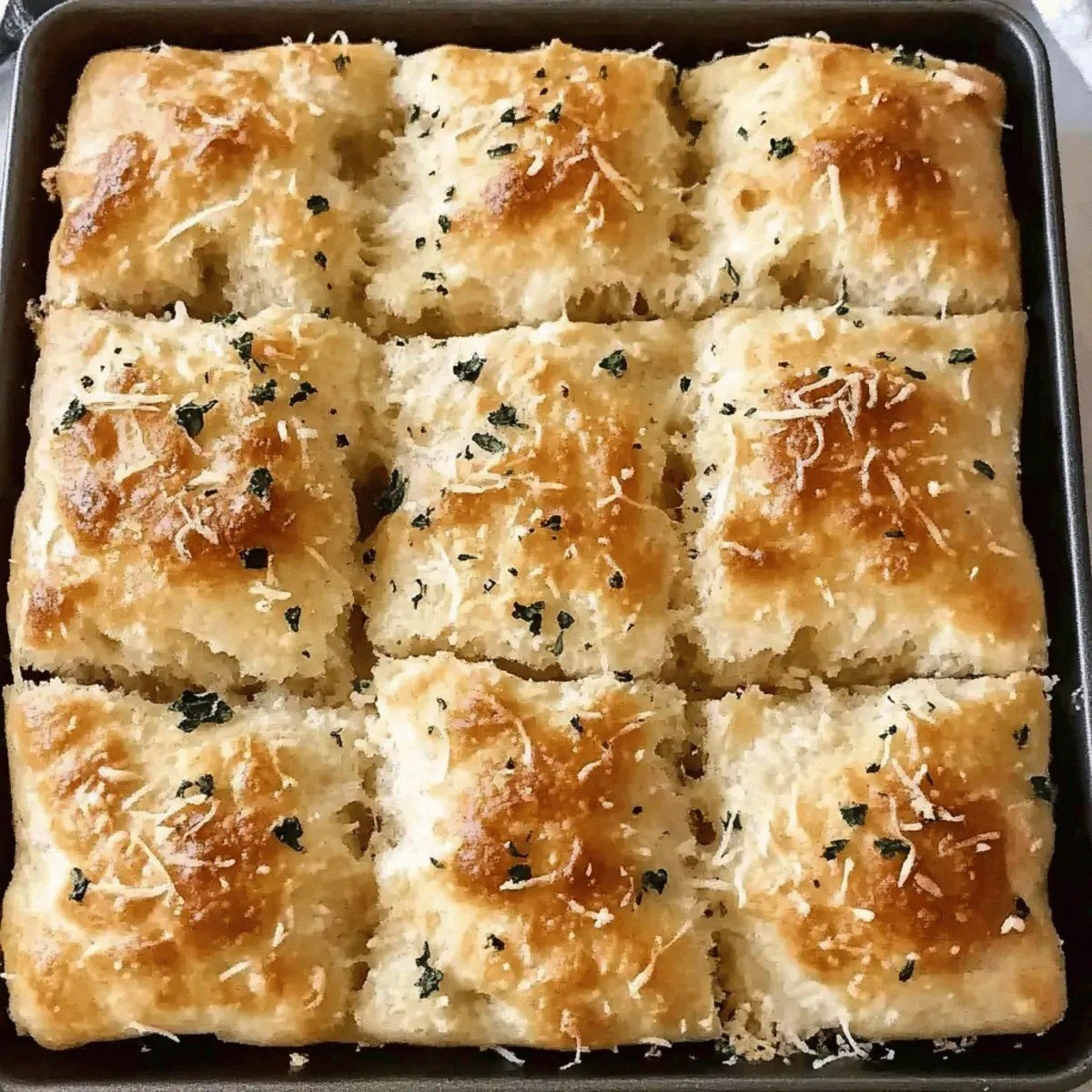
I remember the night I tried to impress my sister with a “simple” chicken and rice dinner, only to end up with a burnt, dry, and flavorless mess that made her laugh and my conscience cry. The stovetop was a battlefield: a pan full of raw chicken that had been left in the fridge too long, a bag of rice that had been opened yesterday, and a handful of herbs that were more like a garnish than a flavor base. I stared at the charred edges, the cloying smell of overcooked onions, and realized that I had missed a single step that could have turned this disaster into a masterpiece. That night, I vowed to master the art of the one‑pot chicken & rice and share the secret that finally saved the dinner—and my ego.
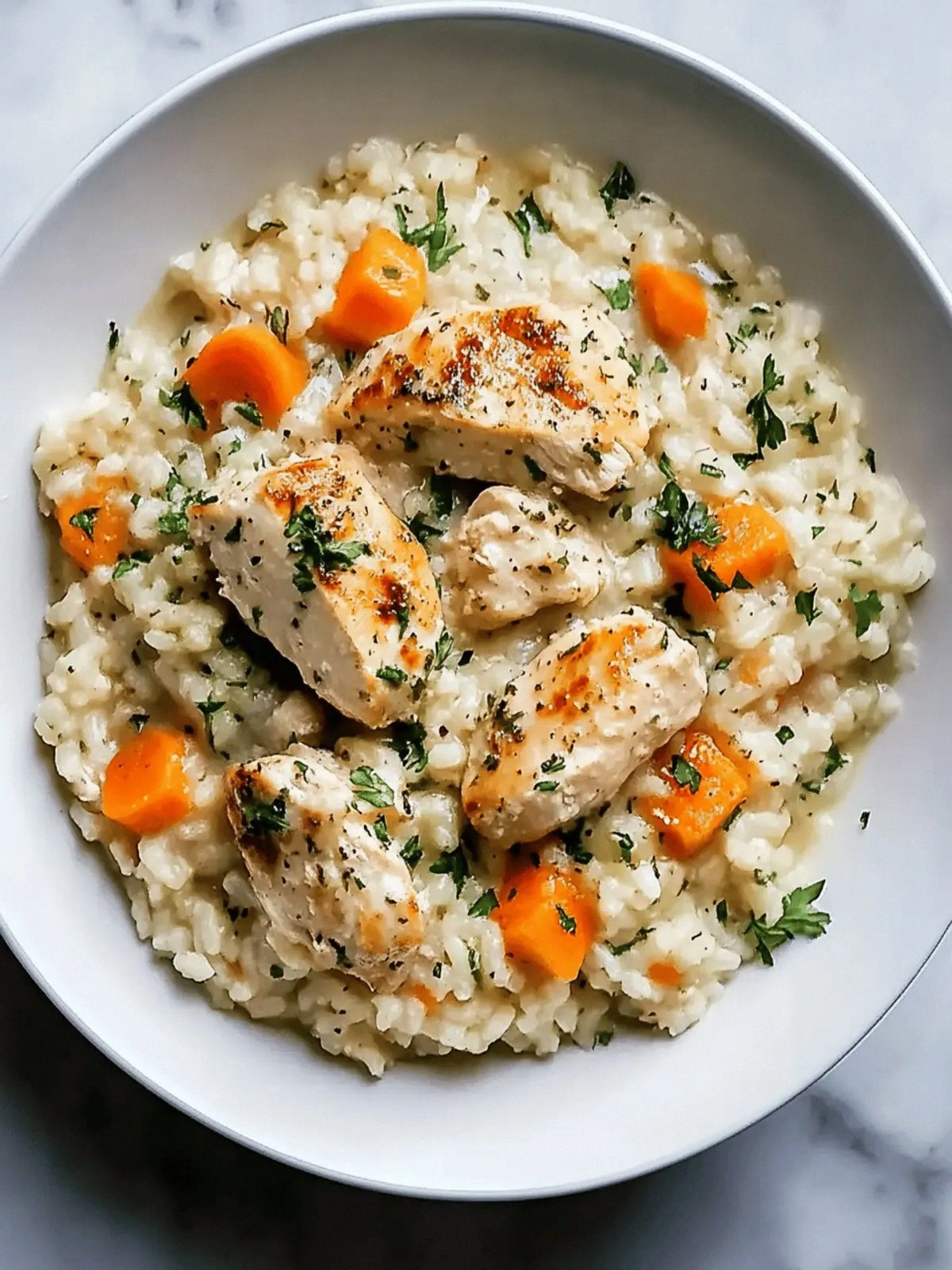
Picture this: the pan is hot enough that the onions start to sizzle as soon as they hit it, releasing a sweet aroma that dances through the kitchen like a warm breeze on a summer afternoon. The chicken, when seared, turns a golden‑brown that looks almost like a promise of succulence. The rice, after absorbing the broth, glistens with a subtle sheen, its grains tender yet distinct. Every bite is a symphony—savory, aromatic, and comforting, with the subtle crunch of carrots that snaps like a crisp twig. The final splash of almond milk creates a silky finish that coats the rice like velvet, while the parsley adds a bright, herbal note that lifts the dish from ordinary to extraordinary.
What sets this version apart isn’t just the combination of ingredients; it’s the meticulous balance of timing, texture, and flavor that transforms a humble pot into a crowd‑pleasing entrée. The chicken thighs stay juicy thanks to a quick sear and a gentle simmer, the rice absorbs liquid without becoming mushy, and the carrots keep their bite, creating layers of mouthfeel that keep you coming back for seconds. The use of almond milk instead of dairy adds a creamy richness without heaviness, and the thyme brings earthiness that anchors the dish. Every element is chosen to complement the others, so you don’t just cook a meal—you craft an experience that feels like a hug on a plate.
I dare you to taste this and not go back for seconds. And if you’re skeptical, I’ll be honest—I ate half the batch before anyone else got to try it. Most recipes get this completely wrong, treating the rice as a side and the chicken as a filler. Here’s what actually works: a single pan, a single pot, and a single set of hands that move with confidence. Picture yourself pulling this out of the pot, the whole kitchen smelling incredible, and the family gathering around, eyes wide with anticipation. Let me walk you through every single step—by the end, you’ll wonder how you ever made it any other way.
What Makes This Version Stand Out
- Taste: The combination of thyme, garlic, and almond milk creates a depth that feels like a slow‑cooked stew but arrives in 45 minutes.
- Texture: The chicken remains tender and moist, the rice fluffy, and the carrots crisp, giving a satisfying contrast in every forkful.
- Convenience: One pot, one pan, minimal cleanup—perfect for busy weeknights or a lazy Sunday.
- Gluten‑free: Uses short‑grain rice and almond milk, making it safe for gluten‑sensitive diners without compromising flavor.
- Versatility: The base can be tweaked with different proteins or vegetables, so it never feels stale.
- Nutrition: Balanced macros—high protein from chicken, healthy fats from olive oil, and fiber from carrots and rice.
- Make‑ahead Potential: Store in the fridge or freezer and reheat quickly, preserving the creamy texture.
Alright, let’s break down exactly what goes into this masterpiece…
Inside the Ingredient List
The Flavor Base
The onion and garlic are the backbone of this dish. When sautéed in olive oil, they release a sweet, savory aroma that permeates every grain of rice. Skipping them would leave the dish flat, like a plain canvas. If you’re allergic to garlic, a pinch of garlic powder can mimic the depth without the raw bite.
The Texture Crew
The short‑grain rice is chosen for its ability to absorb liquid without becoming mushy. Its slightly sticky nature ensures a cohesive bite that holds together when you stir. If you prefer a firmer texture, switch to medium‑grain or even a small handful of Arborio for a touch of creaminess.
The Unexpected Star
Almond milk isn’t just a dairy substitute; it adds a subtle nutty flavor that pairs beautifully with thyme. It also gives the dish a silky finish that feels indulgent yet light. If you can’t find unsweetened almond milk, oat milk works as a neutral alternative.
The Final Flourish
Fresh parsley is the last touch, adding brightness and a pop of color. It lifts the dish and prevents it from feeling heavy. A squeeze of lemon juice can also brighten the flavors, but keep it optional to maintain the dish’s mild profile.
Everything’s prepped? Good. Let’s get into the real action…
The Method — Step by Step
- Heat the olive oil in a large, heavy‑bottomed pot over medium heat. Add the diced onion and a pinch of salt. Cook until the onion turns translucent and starts to caramelize, about 5 minutes. The smell should be sweet and inviting—like a summer garden.
- Add the minced garlic and cook for 30 seconds, just until fragrant. Be careful not to let it burn; a burnt garlic taste will ruin the entire dish. This is the moment of truth—if it smells like fresh garlic, you’re on the right track.
- Season the chicken thighs with salt, pepper, and dried thyme. Place them in the pot skin‑side down and sear until golden brown, about 4 minutes per side. The skin should crackle and develop a crisp edge that shatters like thin ice when you press it. This browning creates a flavor foundation that no amount of broth can replace.
- Remove the chicken and set it aside. In the same pot, add the diced carrots and cook for 3 minutes, allowing them to soften slightly. The carrots should retain a faint crunch—think of the sound of fresh snow crunching underfoot.
- Return the chicken to the pot, nestling it among the carrots. Pour in the chicken broth and bring to a gentle simmer. The broth should bubble lightly, not boil aggressively. This step is crucial; a vigorous boil can toughen the chicken.
- Add the rice, ensuring it’s evenly distributed. Cover the pot with a tight‑sealing lid and reduce the heat to low. Simmer for 15 minutes, allowing the rice to absorb the broth and the flavors to meld. The pot should be at a low, steady simmer—no rolling boil.
- After 15 minutes, lift the lid and stir in the unsweetened almond milk. This will create a creamy texture that coats the rice like a silky blanket. Return the lid and simmer for an additional 5 minutes, or until the rice is fully cooked and the liquid is absorbed.
- Remove the pot from heat and let it sit, covered, for 5 minutes. This resting period allows the rice to steam and the flavors to settle, ensuring every bite is perfectly balanced. During this time, sprinkle the fresh parsley over the top and give it a gentle toss.
- Serve hot, spooning the chicken, rice, and carrots into bowls. The dish should look like a golden, aromatic tapestry, with bright green parsley accents. A final pinch of salt and pepper can be added to taste.
That’s it—you did it. But hold on, I’ve got a few more tricks that will elevate this dish from great to unforgettable.
Insider Tricks for Flawless Results
The Temperature Rule Nobody Follows
Many cooks think that a higher heat always cooks faster, but for this dish, the low simmer is king. Keeping the heat low ensures the chicken stays juicy and the rice cooks evenly without scorching. I’ve tried a quick high‑heat method once, and the result was dry chicken and over‑cooked rice. Stick to low and steady, and you’ll never have to worry about overcooking again.
Why Your Nose Knows Best
The aroma of a well‑cooked pot can tell you exactly where you’re at. If the smell is buttery and slightly nutty, the almond milk is doing its job. If you detect a burnt or sulfurous scent, the garlic has gone bad. Trust your nose—if it feels off, pause and reassess.
The 5‑Minute Rest That Changes Everything
After removing the pot from heat, let it sit covered for 5 minutes. This simple pause allows the steam to finish cooking the rice and the flavors to meld. Skipping this step can leave the rice unevenly cooked and the dish lacking depth.
Use a Tight‑Sealing Lid
A lid that seals well traps steam and keeps the liquid from evaporating too quickly. I once used a cheap plastic lid, and the rice turned out uneven. Switching to a metal or glass lid that fits snugly solved the problem instantly.
Carrot Prep Matters
Dice carrots into uniform cubes to ensure even cooking. If some pieces are larger, they’ll remain crunchy while the smaller ones soften, creating an unbalanced texture. Consistency is key to a harmonious bite.
Serve Immediately
The dish is best served hot, straight from the pot. The rice will cling to the pot and cool quickly if left to sit. If you need to hold it for a while, keep it covered and place the pot on a warm burner.
Creative Twists and Variations
This recipe is a playground. Here are some of my favorite ways to switch things up:
Spicy Sriracha Kick
Add a tablespoon of sriracha to the broth before simmering. The heat will cut through the richness, giving the dish a lively punch that pairs well with the mild flavors.
Herb‑Infused Chicken
Replace dried thyme with a mix of rosemary and oregano for a Mediterranean twist. The herbs will lend a fragrant, earthy aroma that complements the chicken beautifully.
Veggie‑Rich Variation
Swap the carrots for diced zucchini, bell pepper, and peas. The colors and textures will change, but the base flavors remain intact, making it a colorful and nutritious option.
Protein Swap
Use boneless, skinless chicken breasts instead of thighs for a leaner version. Keep the cooking time slightly shorter to avoid drying out the breasts.
Gluten‑Free Upgrade
Serve over cauliflower rice instead of regular rice for a low‑carb, gluten‑free alternative. The cauliflower will absorb the broth, creating a fluffy, savory base.
Cheesy Finale
Sprinkle shredded mozzarella or cheddar over the top before the final 5 minutes of simmering. The cheese will melt into the dish, adding a creamy, indulgent layer.
Storing and Bringing It Back to Life
Fridge Storage
Cool the dish completely before transferring it to an airtight container. Store in the fridge for up to 4 days. The rice will firm slightly, but the flavors will deepen.
Freezer Friendly
Place in a freezer‑safe container and freeze for up to 3 months. Thaw overnight in the fridge before reheating.
Best Reheating Method
Reheat in a saucepan over low heat, adding a splash of water or broth to loosen the rice. Stir gently until heated through. This method preserves the creamy texture and prevents the rice from drying out.