It was a Tuesday that felt like a culinary catastrophe in the making. I had just pulled a bag of chicken breasts from the freezer, a handful of strawberries that looked like they’d been plucked from a postcard, and an empty fridge that whispered “you’re going to need to improvise.” The moment the first chicken hit the pan, the kitchen filled with an unmistakable sizzling chorus—like a tiny drumbeat signaling that the day was about to get deliciously wild. I laughed, because if you’ve ever tried to cook something that’s supposed to be “easy” and ended up with a half‑cooked mess, you know that the stakes are high. That night, I promised myself I would turn this chaos into a masterpiece.
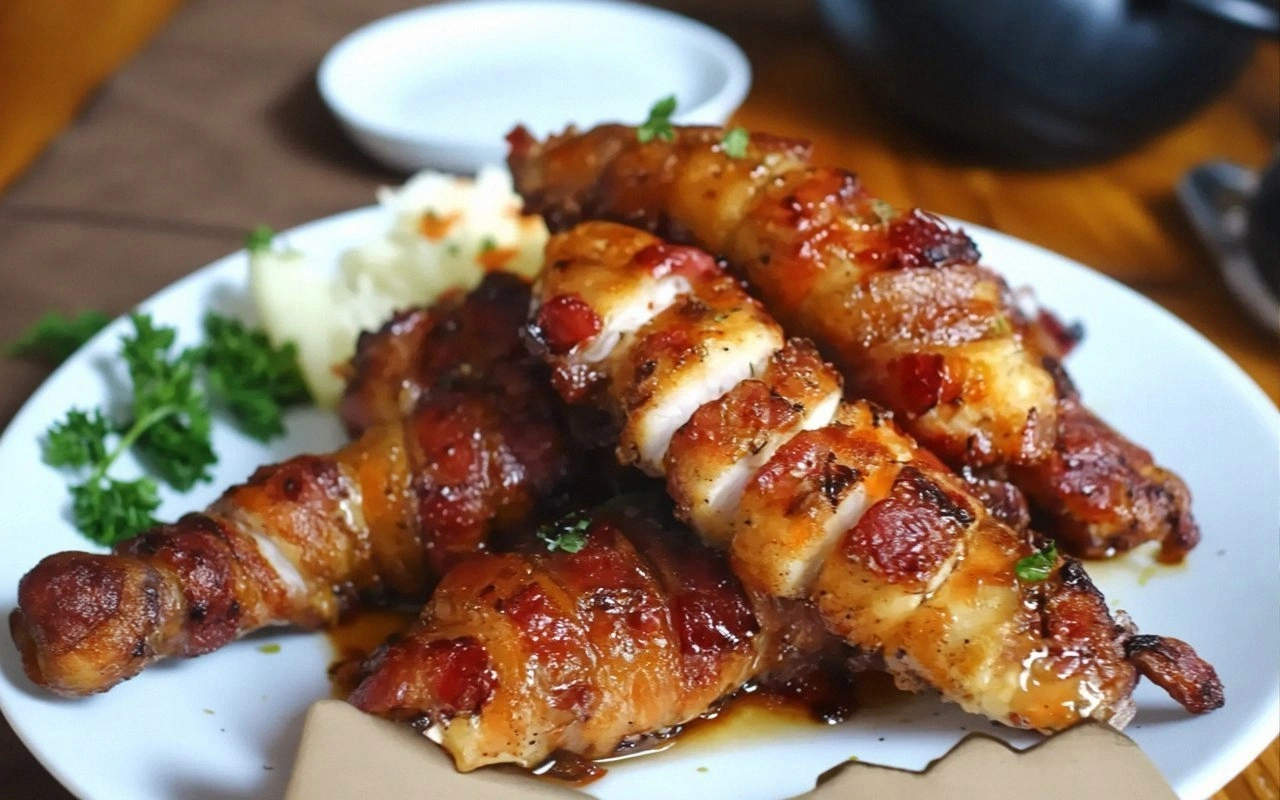
I set the stove to medium‑high, and as the chicken browned, the aroma of seared protein mingled with the sweet, almost floral scent of fresh strawberries. The kitchen was alive with the clink of utensils, the hiss of oil, and the faint hum of the refrigerator cycling on in the background. The sight of the glossy, caramelized chicken was a visual cue that something good was happening, while the sound of the sizzling sauce hinted at layers of flavor waiting to unfold. I could taste the anticipation in the air, a subtle hint of sweetness that promised the dish would be more than just a salad.
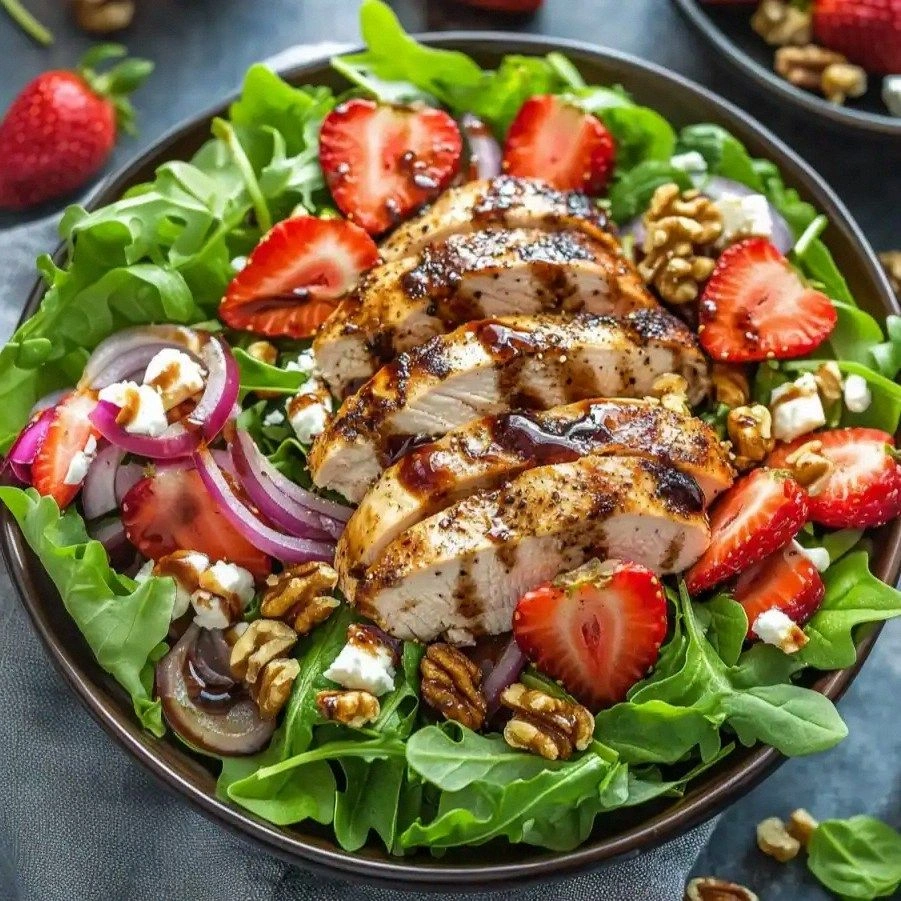
What sets this version apart isn’t just the juxtaposition of sweet and savory—it’s the way the balsamic reduction embraces the chicken like a velvet coat, the crunch of toasted pecans that shatter like thin ice, and the creamy, tangy feta that melts into the greens. It’s a dish that defies the usual “just toss and serve” salad routine, replacing it with a multi‑textured, multi‑flavor experience that feels like a party on a plate. If you’ve ever settled for a bland chicken salad, this is the antidote you’ve been waiting for. I dare you to taste this and not go back for seconds.
And that’s the secret: a single, bold ingredient—balsamic vinegar—transforms the entire plate, turning a simple chicken and strawberry mix into a dish that sings. Picture yourself pulling this out of the oven, the whole kitchen smelling incredible, and your guests asking when you’ll make it again. Let me walk you through every single step—by the end, you’ll wonder how you ever made it any other way.
What Makes This Version Stand Out
- Flavor Fusion: The marriage of sweet strawberries and tangy balsamic creates a depth that ordinary salads lack. The sauce coats the chicken like velvet, leaving a lingering aftertaste that keeps you reaching for more.
- Texture Contrast: Crunchy toasted pecans meet tender chicken and crisp greens, producing a satisfying bite that dances across the palate.
- Visual Appeal: The bright red strawberries against the deep green leaves and the golden glaze on the chicken make the dish as stunning to look at as it is to eat.
- Ingredient Quality: Fresh, seasonal produce and high‑quality olive oil elevate the dish beyond the average week‑night meal.
- Make‑ahead Friendly: The salad can be assembled a few hours ahead; the balsamic reduction can be reheated gently, preserving flavors without compromising texture.
- Audience Impact: Whether you’re feeding a crowd or a single hungry soul, the dish receives rave reviews, proving its universal appeal.
Inside the Ingredient List
The Flavor Base
At the heart of this dish lies the balsamic reduction—an ingredient that deserves its own spotlight. The vinegar’s natural acidity cuts through the richness of the chicken, while its inherent sweetness balances the tartness of the strawberries. If you skip this step, the dish loses that signature glossy coat and the depth that makes each bite memorable. Swap the balsamic for a sherry or a good‑quality red wine vinegar if you’re feeling adventurous, but the classic version remains unbeatable.
The Texture Crew
Mixed greens provide the foundational crunch, but the real texture hero is the toasted pecans or walnuts. These nuts, when lightly toasted, develop a caramelized exterior that crunches delightfully against the tender chicken. The feta or goat cheese adds a creamy, tangy contrast that melts into the greens, creating a velvety mouthfeel. If you’re allergic to nuts, try toasted sunflower seeds for a nutty flavor without the allergen.
The Unexpected Star
Fresh strawberries are the dish’s unexpected star, offering a burst of natural sweetness that lifts the entire plate. Their bright color and juicy bite provide a refreshing counterpoint to the savory chicken and the deep, caramelized glaze. If you can’t find fresh strawberries, frozen strawberries thawed and drained will work, but the texture will be slightly softer.
The Final Flourish
The final flourish comes from a simple dressing—olive oil, honey or maple syrup, Dijon mustard, garlic, and a pinch of salt and pepper. This dressing, whisked together, coats the greens and strawberries, tying the flavors into a cohesive whole. If you prefer a lighter version, reduce the olive oil by half or replace it with a splash of lemon juice for brightness. The garlic adds a subtle kick that keeps the dish from feeling one‑dimensional.
Everything's prepped? Good. Let's get into the real action.
The Method — Step by Step
- First, pat the chicken breasts dry with paper towels to ensure a crisp sear. Season both sides generously with salt and pepper. Heat a splash of olive oil in a large skillet over medium‑high heat. When the oil shimmers, add the chicken and sear for 3–4 minutes per side until golden brown and cooked through. The sizzle when it hits the pan? Absolute perfection.
- Transfer the chicken to a cutting board and let it rest for a few minutes. While it rests, toss the mixed greens, sliced strawberries, diced red onion, and toasted nuts in a large bowl. This ensures every bite is fresh and vibrant.
- In the same skillet, add the remaining olive oil for the sauce. Toss in minced garlic and sauté for 30 seconds until fragrant, being careful not to burn it. Pour in the balsamic vinegar, honey, and Dijon mustard, whisking constantly. Let the mixture simmer for 2–3 minutes until it thickens into a glossy reduction. If the sauce thickens too quickly, add a splash of water to loosen it.
- Slide the seared chicken back into the skillet, nestling it among the greens. Spoon the reduction over the top, ensuring every piece is coated. Let the mixture heat through for another 2 minutes so the flavors meld together. The edges of the chicken will start pulling away, a sign that it’s ready.
- Remove the skillet from heat and sprinkle crumbled feta or goat cheese over the top. The cheese will gently melt into the warm greens, adding a creamy layer that balances the acidity of the balsamic.
- Transfer the entire mixture to a serving platter or individual bowls. The dish should look like a vibrant mosaic of colors, with the glossy sauce reflecting light.
- If you prefer a lighter version, drizzle a splash of extra virgin olive oil or a squeeze of fresh lemon juice over the top for brightness. This step is optional but adds a fresh zing that lifts the dish.
- Serve immediately while the chicken is still warm and the greens are crisp. For a chilled option, let the dish cool to room temperature and refrigerate for an hour before serving; the flavors will deepen.
That's it—you did it. But hold on, I've got a few more tricks that'll take this to another level.
Insider Tricks for Flawless Results
The Temperature Rule Nobody Follows
Most recipes let you assume the stove’s temperature is spot‑on, but in reality, a few degrees can mean the difference between a perfectly seared chicken and a dry, rubbery mess. Use a meat thermometer—aim for 165°F (74°C) to ensure doneness without overcooking. I once tried to speed things up by cranking the heat too high; the result was a charred exterior and a raw center that made me question my culinary sanity.
Why Your Nose Knows Best
The aroma of the sauce is your best indicator that the reduction has reached the right thickness. When the balsamic starts to thicken, the scent becomes richer and more concentrated. If you’re unsure, taste a tiny drop; it should be sweet, slightly tangy, and not overly syrupy. Trust your nose—it's more reliable than your eyes in the kitchen.
The 5‑Minute Rest That Changes Everything
After searing, let the chicken rest for exactly five minutes before slicing. This short pause allows the juices to redistribute, keeping the meat moist and flavorful. Skipping this step often results in a dry bite that feels like a culinary misstep. I’ve seen people cut into the chicken right away and immediately regret it.
The Toasting Trick
Toasting nuts in a dry skillet until golden gives them a deeper flavor than oven‑baked. Keep the heat medium and stir constantly to avoid burning. A pinch of sea salt right before serving enhances the nutty crunch and balances the sweet and savory elements.
The Cheese Choice
Feta and goat cheese each bring distinct qualities. Feta offers a briny punch that cuts through the sweetness, while goat cheese provides a silky, tangy texture. If you’re a fan of sharp cheddar, a small crumble will add a different dimension, but the classic pairing remains the most harmonious.
Creative Twists and Variations
This recipe is a playground. Here are some of my favorite ways to switch things up:
Mediterranean Marvel
Swap the strawberries for diced cucumber, olives, and a sprinkle of oregano. Add a drizzle of tzatziki for a cooling contrast. This version is perfect for hot summer days and brings a fresh, herbaceous flavor profile.
Spicy Kick
Add a pinch of crushed red pepper flakes to the sauce, or finish the dish with a handful of chopped jalapeños. The heat pairs beautifully with the sweet balsamic and bright greens, creating a dynamic flavor experience.
Pesto Power
Stir in a spoonful of basil pesto into the sauce, replacing the honey with a touch of lemon zest. The pesto adds an herbal richness that complements the chicken and strawberries.
Breakfast Boost
Serve the salad over a bed of sautéed spinach, topped with a poached egg and a sprinkle of grated Parmesan. The protein boost turns it into a hearty, breakfast‑ready dish that’s both satisfying and delicious.
Vegan Version
Replace the chicken with grilled tofu or tempeh, and swap the feta for a plant‑based cheese. The dish stays vibrant and flavorful while accommodating a plant‑based lifestyle.
Storing and Bringing It Back to Life
Fridge Storage
Store the assembled salad in an airtight container for up to 2 days. Keep the chicken and dressing separate until you’re ready to serve, preventing the greens from wilting. When you’re ready, simply drizzle the dressing over the greens and toss lightly.
Freezer Friendly
The chicken can be frozen for up to 3 months. Reheat in a skillet over medium heat, adding a splash of water or broth to keep it moist. The strawberries and greens should be added fresh after thawing to maintain their texture.
Best Reheating Method
Reheat the chicken in a skillet, then finish with a quick drizzle of the balsamic reduction to revive its glossy coat. For the greens, a brief rinse under cold water and a quick pat dry will restore their crispness. Add a tiny splash of water before reheating; it steams back to perfection.