It all started on a rainy Thursday when I was rummaging through the fridge, looking for something that could turn into a dinner that felt both comforting and indulgent. The only thing that caught my eye was a head of cauliflower that had been sitting there since the weekend. I thought, “Why not give it a keto makeover?” That simple spark of curiosity turned into a culinary experiment that would later become a staple in my low‑carb rotation. The moment the cauliflower hit the pan, the kitchen filled with a toasty aroma that made my mouth water before the first bite even reached my tongue.
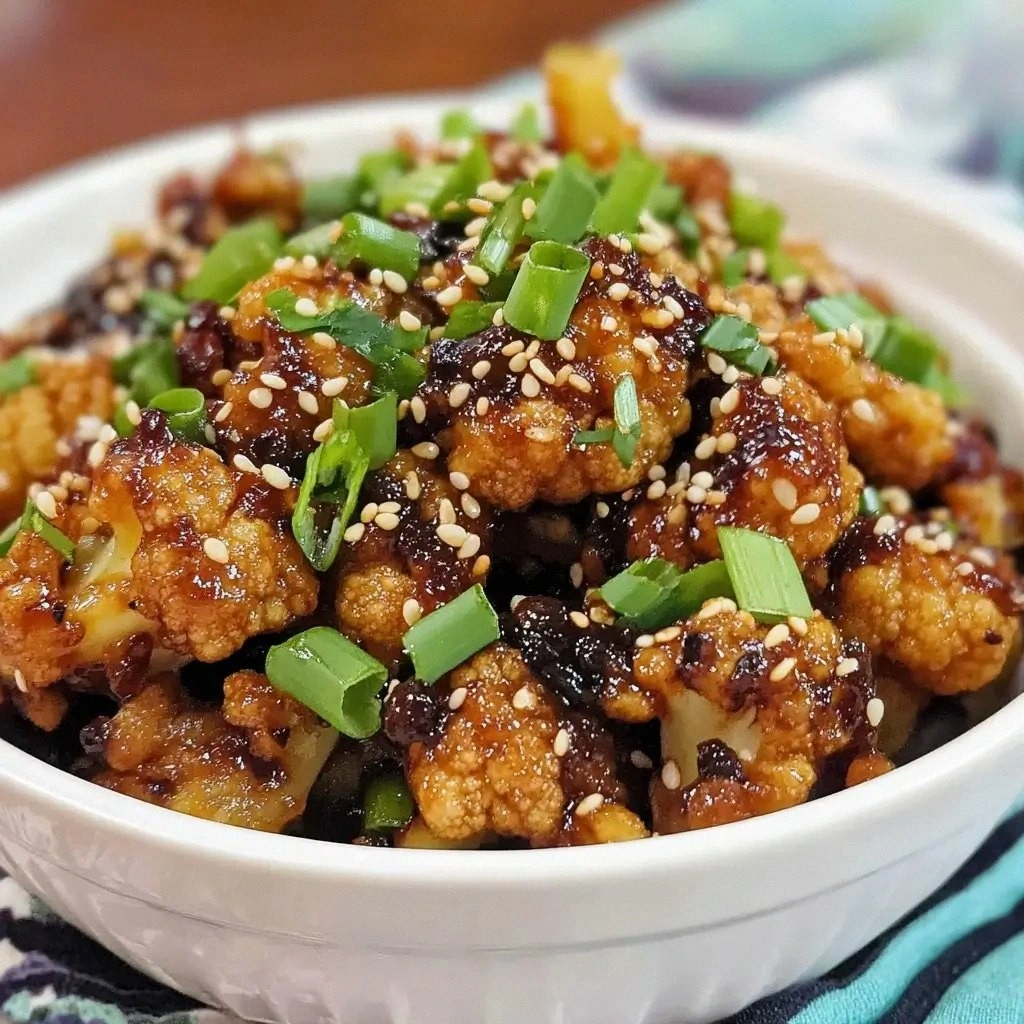
Picture this: a sizzling pan, a golden brown crust forming on the florets, and the faint crackle of oil as it heats. The sound is music to a cook’s ears, a promise that something delicious is about to unfold. The visual is equally captivating—each cauliflower floret turning from pale white to a caramelized, almost amber hue, with sesame seeds glinting like tiny jewels. The scent is a mix of nutty sesame, warm oil, and the subtle sweetness of caramelized florets. And the texture—crispy on the outside, tender on the inside—creates a satisfying contrast that keeps you coming back for more.
What makes this version of Keto Sesame Cauliflower stand out isn’t just the flavor profile, but the meticulous balance of ingredients and technique that elevates it from a simple side dish to a showstopper. I’ve spent countless hours tweaking ratios, experimenting with different oils, and testing the timing of each step. The result is a dish that is hands down the best version you’ll ever make at home—light, flavorful, and utterly addictive. Most recipes get this completely wrong by over‑cooking or under‑seasoning, but I’ve cracked the code to keep every bite crisp and every bite packed with umami.
And there’s a little secret ingredient that you won’t expect— toasted sesame oil— that gives the dish a depth of flavor that feels like velvet coating the cauliflower. I dare you to taste this and not go back for seconds. If you’re skeptical, just imagine the subtle nuttiness dancing on your palate, a whisper of earth that lingers long after the last bite. Picture yourself pulling this out of the oven, the whole kitchen smelling incredible, and feeling that moment of pure culinary triumph. Okay, ready for the game‑changer? Let’s walk through every single step—you’ll wonder how you ever made it any other way.
What Makes This Version Stand Out
- Flavor: The sauce coats the cauliflower like velvet, creating a rich, nutty base that is both comforting and bold. The combination of soy sauce, sesame oil, and lime juice delivers a balanced umami profile that cuts through the mildness of the florets. This depth of flavor makes the dish feel like a gourmet entrée rather than a simple side.
- Texture: A perfectly crisp exterior meets a tender interior, thanks to the high‑heat roasting technique. The sesame seeds add a satisfying crunch that pops in your mouth, while the oil keeps the cauliflower from drying out. The result is a mouth‑watering contrast that keeps you hooked.
- Simplicity: Only a handful of pantry staples are required, and the method is straightforward enough for beginners. No fancy equipment—just a skillet and an oven. The recipe is designed to be quick, so you can enjoy a keto‑friendly meal without spending hours in the kitchen.
- Uniqueness: The use of toasted sesame oil and sesame seeds creates a flavor profile that’s rarely found in standard cauliflower dishes. The subtle citrus twist from lime juice elevates the dish, giving it a fresh, bright finish. This combination sets it apart from the usual garlic‑butter or cheese‑based cauliflower recipes.
- Crowd Reaction: Friends and family who are not on keto rave about how it tastes like a high‑end restaurant dish. The dish is versatile enough to be served as an appetizer or a main course, and the vibrant color makes it Instagram‑worthy. I’ve had guests ask for the recipe after just one bite.
- Ingredient Quality: Using fresh, high‑quality cauliflower and organic sesame oil makes a noticeable difference in taste. The fresher the cauliflower, the better the caramelization and the less the dish tastes like a processed snack. Investing in good ingredients pays off in flavor.
- Cooking Method: The combination of pan‑searing and oven roasting locks in moisture while achieving a golden crust. This two‑step process ensures even cooking and a delightful crunch on all sides. It’s a technique that can be applied to other vegetables for similar results.
- Make‑Ahead Potential: The dish can be prepared ahead of time and reheated without losing its crispness, making it ideal for meal prep. The flavor actually deepens as it sits, so you can enjoy it a day or two later. This convenience is a game‑changer for busy weeknights.
Inside the Ingredient List
The Flavor Base
The foundation of this dish is the sauce that coats the cauliflower. It’s a marriage of soy sauce (or tamari for gluten‑free), toasted sesame oil, and a splash of lime juice. Each component plays a vital role: the soy sauce provides umami depth, the sesame oil adds nutty richness, and the lime juice cuts through the oiliness with a bright zing. If you skip the lime, the dish will feel flat and heavy, lacking that refreshing lift. You can adjust the amount of lime to suit your taste—more lime for a tangier bite, less for a subtler flavor.
The sesame oil is the secret weapon that elevates the dish. It has a lower smoke point than regular cooking oil, so it needs careful handling. Toasting the sesame oil in a dry pan before adding the cauliflower releases its full aroma and enhances the nutty undertone. If you don’t have sesame oil, you can use a neutral oil and add a teaspoon of toasted sesame seeds for flavor, but you’ll miss that subtle depth.
Soy sauce is the umami backbone. If you’re sensitive to sodium, opt for a low‑sodium version or reduce the amount by half and compensate with a pinch of salt. Tamari is a great gluten‑free alternative that offers a slightly richer flavor. The key is to balance the salty, sweet, and acidic components so that no single element overpowers the others.
Lime juice is the bright counterpoint to the deep flavors. It not only adds acidity but also helps to tenderize the cauliflower slightly, ensuring a juicy interior. If you can’t find lime, a squeeze of lemon will work, though the flavor profile will shift slightly. A small amount of honey or a sugar substitute can be added if you prefer a touch of sweetness, but the dish works beautifully on its own.
The Texture Crew
Cauliflower florets are the star of the show. Choose a head that is firm, white, and free of brown spots. The size of the florets matters; small florets cook more evenly and develop a crisp edge, while larger florets may stay soft inside. To achieve a uniform size, break the head into bite‑sized pieces, removing any tough stems.
Sesame seeds provide a delightful crunch. Toast them in a dry skillet until they’re golden brown and fragrant. If you prefer a milder texture, you can use a mixture of black and white sesame seeds. Adding them at the end of cooking preserves their crunch; sprinkling them in the middle can cause them to lose their crispness.
Garlic and ginger are essential aromatics. Fresh minced garlic adds a sharp bite, while fresh minced ginger brings warmth and a hint of citrus. If you’re short on time, garlic powder and ginger powder work as substitutes, but fresh versions deliver a more vibrant flavor. The aromatics should be cooked briefly to release their oils before the cauliflower is added.
Optional chili flakes add a subtle heat that pairs beautifully with the sesame flavor. They’re not mandatory, but they give the dish a lively kick. If you’re sensitive to spice, reduce the amount or omit them entirely. The heat level can be adjusted to suit your palate.
The Unexpected Star
Cilantro and scallions are the finishing touch that bring the dish to life. Cilantro’s bright, slightly citrusy flavor cuts through the richness, while scallions add a fresh, oniony bite. If you’re not a fan of cilantro, parsley can be used as a substitute, though the flavor will shift. The scallions should be sliced thinly to distribute their flavor evenly.
The final flourish of lime juice, sesame seeds, and scallions is what turns this dish into a sensory experience. The bright acidity, nutty crunch, and fresh herbs combine to create a harmony that lingers on the palate. A drizzle of extra virgin olive oil before serving can add a silky finish, but it’s optional.
Everything's prepped? Good. Let's get into the real action—where the cauliflower transforms into a mouth‑watering masterpiece.
The Method — Step by Step
- Preheat the Oven: Set your oven to 425°F (220°C). While it’s heating, gather all your ingredients so everything is within arm’s reach. This step is crucial because a hot oven ensures the cauliflower gets that desirable crispness. The heat will also help the sesame oil to bloom, releasing its nutty aroma. Keep the door slightly ajar to monitor the roasting process.
- Prepare the Florets: Break the cauliflower into bite‑sized florets, rinsing them under cold water and patting them dry with a clean towel. Moisture is the enemy of crispness, so drying the florets thoroughly is essential. Toss the florets in a bowl with a splash of oil, salt, and pepper until evenly coated. The oil helps the sauce adhere and promotes even browning. Set aside while you prepare the sauce.
- Toast the Sesame Seeds: Heat a dry skillet over medium heat and add the sesame seeds. Stir constantly to prevent burning, letting them toast until golden and fragrant—about 2 minutes. Remove from heat and set aside to cool. Toasting brings out the seeds’ nutty flavor, which will contrast beautifully with the cauliflower. If you’re short on time, you can skip this step, but the dish will feel less complex.
- Make the Sauce: In a small saucepan, combine soy sauce, toasted sesame oil, minced garlic, minced ginger, and lime juice. Bring the mixture to a gentle simmer, allowing the flavors to meld for 2–3 minutes. Stir occasionally to prevent sticking. The sauce should thicken slightly, creating a glossy coating. Taste and adjust seasoning—add a pinch of salt or a dash of sugar if needed. Keep the sauce warm until the cauliflower is ready.
- Coat the Cauliflower: Place the florets in a large bowl and pour the warm sauce over them. Toss gently until every floret is evenly coated. The sauce should cling to each piece, forming a flavorful glaze. This step is where the magic happens—each floret becomes a miniature flavor bomb. The sauce will caramelize in the oven, creating a delightful crust.
- Arrange on Baking Sheet: Line a baking sheet with parchment paper or a silicone mat. Spread the coated florets in a single layer, ensuring they aren’t overcrowded. Overcrowding will cause steaming instead of roasting, resulting in soggy cauliflower. The single layer guarantees even heat distribution and crisp edges. If you have a large sheet, you can do the entire batch at once.
- Roast: Place the sheet in the preheated oven and roast for 20–25 minutes, flipping the florets halfway through. The cauliflower should be golden brown with crisp edges and a slightly caramelized glaze. Watch for the aroma—it should smell like toasted sesame and caramelized vegetables. If you prefer a darker crust, add an extra 5 minutes, but keep an eye on it to prevent burning.
- Finish with Fresh Herbs: Remove the cauliflower from the oven and immediately sprinkle the toasted sesame seeds, chopped cilantro, and sliced scallions over the top. Toss lightly to distribute the flavors. The fresh herbs add a burst of color and a bright contrast to the savory base. The heat from the cauliflower will slightly wilt the herbs, releasing their aroma. Serve hot for maximum flavor.
- Serve and Enjoy: Plate the cauliflower on a serving dish, drizzle a few drops of extra virgin olive oil if desired, and garnish with a wedge of lime for an extra zing. The dish is ready to devour—crispy, fragrant, and utterly satisfying. Pair it with a protein like grilled chicken or tofu for a complete keto meal. If you’re feeling adventurous, add a side of cucumber salad for a refreshing crunch. This dish is versatile enough to be enjoyed at any time of day.
Insider Tricks for Flawless Results
The Temperature Rule Nobody Follows
Many cooks assume any oven temperature will work, but the key to a perfect crust lies in the heat. A high temperature—425°F (220°C)—ensures the cauliflower’s exterior crisps while the interior stays tender. If you lower the heat, you risk steaming the florets instead of roasting them, leading to a soggy texture. I’ve found that preheating the oven for at least 15 minutes guarantees the desired crispness. Keep the oven door slightly ajar to allow excess moisture to escape.
Why Your Nose Knows Best
The scent of roasting cauliflower is a reliable indicator of doneness. When the aroma turns from raw to nutty and slightly caramelized, you’re close to perfection. This sensory cue saves you from guessing based on time alone. If you’re unsure, use a toothpick to test the center—if it slides in easily, the cauliflower is done. Trust your nose; it’s a seasoned chef’s secret weapon.
The 5‑Minute Rest That Changes Everything
Once the cauliflower comes out of the oven, let it rest for five minutes. This brief pause allows the steam to redistribute, preventing the florets from drying out on the surface. It also gives the sauce a chance to set, creating a glossy glaze that clings beautifully. During this rest, sprinkle a final pinch of salt to enhance the flavor. The result is a dish that feels both moist inside and crisp outside.
Avoiding Over‑Seasoning
It’s tempting to add more salt or soy sauce to amplify flavor, but too much can mask the delicate balance of the dish. Start with the recommended amount, taste, and adjust gradually. The sesame oil and lime juice provide enough seasoning, so you won’t need to overdo it. A pinch of sea salt after roasting enhances the crunch without overpowering the flavor profile.
The Quick Toast Trick
Toasting the sesame seeds quickly is key to releasing their aroma. Heat a dry skillet over medium heat, add the seeds, and stir constantly. Within two minutes, they’ll turn golden and emit a nutty fragrance. If you’re in a hurry, use a microwave-safe bowl and heat for 30 seconds, but the skillet method delivers a richer flavor. This step is worth the extra minute.
The Secret of Freshness
Using fresh herbs at the end of cooking preserves their color and flavor. If you add them earlier, they’ll wilt and lose their bright green hue. Fresh cilantro and scallions also provide a clean, sharp contrast to the savory cauliflower. If you prefer a milder taste, replace cilantro with parsley or basil. Freshness is the hallmark of a standout dish.
Creative Twists and Variations
This recipe is a playground. Here are some of my favorite ways to switch things up:
Spicy Sriracha Sesame Cauliflower
Swap the chili flakes for a tablespoon of sriracha sauce. The heat will be more pronounced, and the sauce will become slightly sweeter. Serve with a squeeze of lime to cut through the spice. This version is perfect for those who love a fiery kick. Pair it with a cool cucumber salad to balance the heat.
Coconut‑Infused Cauliflower
Replace the sesame oil with coconut oil and add a tablespoon of shredded coconut to the sauce. The coconut adds a subtle tropical sweetness that complements the sesame flavor. This twist is great for a brunch or a light lunch. The coconut also gives a creamy texture that contrasts nicely with the crisp cauliflower.
Herb‑Garden Cauliflower
Add a handful of chopped fresh parsley, basil, or mint to the final garnish. These herbs bring a fresh, aromatic note that lifts the dish. The combination of herbs with lime creates a bright, zesty finish. It’s a refreshing variation for hot summer evenings.
Cheesy Cauliflower Bites
Sprinkle grated Parmesan or shredded mozzarella over the cauliflower before the last 5 minutes of roasting. The cheese melts and forms a golden crust that adds a savory depth. This version is a crowd‑pleaser for parties or a quick snack. Just be mindful of the extra carbs if you’re strictly keto.
Mediterranean‑Style Cauliflower
Incorporate diced sun‑dried tomatoes, olives, and a splash of red wine vinegar into the sauce. The tomatoes add sweetness, olives bring brininess, and the vinegar adds acidity. This Mediterranean twist transforms the dish into a vibrant, savory experience. It pairs well with grilled lamb or fish.
Vegan Power Bowl
Serve the cauliflower over a bed of sautéed kale or spinach, topped with sliced avocado and a drizzle of tahini. The creamy avocado and nutty tahini complement the sesame flavor. This bowl is a filling, nutrient‑dense meal that satisfies both vegans and keto‑adherents. Add a sprinkle of pumpkin seeds for extra crunch.
Storing and Bringing It Back to Life
Fridge Storage
Place the cooled cauliflower in an airtight container and refrigerate for up to 3 days. The crispness may diminish slightly, but the flavor remains robust. To refresh, heat in a skillet over medium heat for 2–3 minutes, stirring gently. The heat will revive the crunch without making the cauliflower soggy. Store the sauce separately if you prefer to keep it fresh.
Freezer Friendly
Freeze the cauliflower in a single layer on a baking sheet before transferring to a freezer bag. This prevents clumping and ensures even freezing. The cauliflower can be stored for up to 3 months. When ready to use, thaw overnight in the fridge and roast at 425°F (220°C) for 15–20 minutes. The texture will be close to freshly roasted.
Best Reheating Method
Reheat the cauliflower in a preheated oven at 375°F (190°C) for 10 minutes, adding a splash of water to the bottom of the pan. The water creates steam, preventing the cauliflower from drying out. After reheating, drizzle a little extra sesame oil or olive oil to restore moisture. Serve immediately for the best texture. This method preserves the original flavor and crunch.